Marcos 12
Nǫ̀htsı̨̨ Nı̨̨htł'è · Toca un versículo para ver sus referencias cruzadas.
Dèè-k'ègedìı-dǫǫ̀ gıgodıì
1Eyı tł'axǫǫ̀ Zezì godı t'à dǫ xè godo, hadı: “Dǫ ı̨łè ededèè k'e jìechots'ıì dehshe ha nèyı̨ı̨la. Kwe t'à yemǫǫ̀ kwı̨į̀ whehtsı̨, jìecho tàtsǫgeèhɂee k'è gòhtsı̨ eyıts'ǫ wegodoo jìechots'ıì wehoedı ha dagòɂǫǫ k'è gòhtsı̨. Eyı haàtłǫǫ hayį̀į̀là tł'axǫǫ̀ dèè-k'ègedìı-dǫǫ̀ gık'e eghàlaeda ha ededèè dǫ ghǫnèyį̀ı̨ɂǫ, eyı tł'axǫǫ̀ nıwà kǫ̀taèhtła. Jìechots'ıì k'è|src="LB00103B.TIF" size="span" ref="12.1" 2Jìecho dıìdìı agòjà ekò jìecho mǫ̀hdaa yegha nàhtsį̀ gha edecheekeè ı̨łè ededèè ts'ǫ̀ yeèhɂà. 3Hanìkò dǫ dèè k'ègedìı sìı wecheekeè dagıachì, geèht'ı eyıts'ǫ jìecho dę nageèhɂà. 4K'àowo k'achı̨ edecheekeè ı̨łè gots'ǫ̀ nayeèhɂà, hanìkò wekwì nàgı̨ı̨ht'ı xè nezı̨į̀ gıts'ǫ̀ eghàlagı̨ı̨dà-le. 5Eyıt'à k'àowo k'achı̨ edecheekeè eyıì-le gots'ǫ̀ yeèhɂà, hanìkò ełaàgį̀ı̨hwho. K'achı̨ wecheekeè eyıì-le łǫ ekǫ nagoèhɂà, hanìkò mǫ̀hdaa gokwǫ̀ǫyaà-gogį̀į̀là eyıts'ǫ mǫ̀hdaa ełaàgogį̀ı̨hdè.
6“Dǫ ı̨łè zǫ gots'ǫ̀ yeehɂà ha whedaà ajà: edeza ghǫneètǫǫ sìı ekǫ yeehɂà ha nıwǫ. Eyıt'à nǫǫde ts'ǫ̀ edeza gots'ǫ̀ yeèhɂà, edets'ǫ̀ hadı, ‘Seza ts'ǫ̀ nezı̨į̀ nageɂa ha ne,’ hadı.
7“Hanìkò dèè-k'ègedìı-dǫǫ̀ weza gıaɂı̨ ekò hałègeedı, ‘Dıı k'àowo weza sìı dıı dèè wegha elı̨ ha hǫt'e. Ełaàwets'èhwhı, hanì-ı̨dè wedèè goxı̨ goghaelı̨į̀ ade ha,’ gedı. 8Eyıt'à dagıachì gà ełaàgį̀ı̨hwho, eyı tł'axǫǫ̀ eyı dèè gots'ǫǫ̀ xàgeèhxà.
9“Eyıt'à k'àowo dèè-k'ègedìı-dǫǫ̀ gınezı̨-le sìı dàgole ha? K'àowo ekǫ nììtła nı̨dè eyı dǫ ełaàgòhde ha, eyıts'ǫ dèè dǫ eyıì-le ghàyeɂà ha. 10Nǫ̀htsı̨ Nı̨htł'è k'e dıı hanì dek'eèhtł'èe sìı wek'eyaahtı-le nì:
‘Kwekǫ̀-gogehtsı̨ı̨-dǫǫ̀ kwe ɂǫ̀geèhk'aa sìı eyı kwe denahk'e wet'àaɂàa whelı̨. 11Gots'ǫ̀ K'àowo gogha hanì eghàlaı̨dàa sìı gogha enıìyah dìì,’ dek'eèhtł'è,” Zezì gòhdı.
12K'aodèe gı̨ı̨lı̨ı̨ sìı godı t'à goghǫ godeè-adı gınıedì t'à Zezì dageechı ha gı̨ı̨wǫ. Hanìkò dǫ Zezì k'èè k'egedèe sìı gots'àgeejı̨ t'à t'asagı̨į̀là-le eyıts'ǫ nageèhde.
Pharısee gı̨ı̨lı̨ı̨ sìı Zezì geèhdzà
13Eyı tł'axǫǫ̀ Pharısee gı̨ı̨lı̨ı̨ mǫ̀hdaa eyıts'ǫ Herodıan gı̨ı̨lı̨ı̨ mǫ̀hdaa Zezì ts'ǫ̀ gogeèhɂà. Edahxǫ ekǫ-le xàyaı̨htı nı̨dè weyatıì t'à wek'e nìdahots'eeɂà ha gı̨ı̨wǫ. 14Zezì gà nègı̨ı̨de ekò gıts'ǫ̀ hadı, “K'àowo, ehkw'ı zǫ goı̨de wek'èts'eezǫ. Dǫ dàhòt'ı̨ı̨ agı̨ı̨t'ee sìı negha wet'àaɂà-le t'à, dǫ ayìı geèhkw'ǫ ha gı̨ı̨wǫǫ sìı k'ę̀ę̀ goı̨de nıìle, hanìkò Nǫ̀htsı̨ Wenàowoò ghǫ ehkw'ı dǫ hoghàı̨htǫ. K'àowodeè Caesar, sǫǫ̀mba wets'àts'eehdìı sìı asį̀į̀ eyı negha ehkw'ı ne? 15Sǫǫ̀mba wets'àts'eehdì ha hanì-le-ı̨dè hats'ele ha-le?” gıìhdı.
Hanìkò Zezì eghǫyageeɂàa-dǫǫ̀ agı̨ı̨t'e gok'èezǫ. Eyıt'à gots'ǫ̀ hadı, “Ayìıha seahdzà xè seyatıì t'à sek'e nìdahoahɂà ha dahwhǫ? Satsǫ̀ą degoo weghàıhdà,” gòhdı. 16Satsǫ̀ą degoo gıghàèchì tł'axǫǫ̀, Zezì gots'ǫ̀ hadı, “Amìı wekwì eyıts'ǫ amìı wıızì dek'e wheɂǫ?” gòhdı.
“K'àowodeè Caesar,” gıìhdı.
17Eyıt'à Zezì gots'ǫ̀ hadı, “Hanì-ı̨dè ayìı K'àowodeè wets'ǫ ne sìı weghàahłe, eyıts'ǫ ayìı Nǫ̀htsı̨ wets'ǫ ne sìı Nǫ̀htsı̨ ghàahłe,” gòhdı.
Hadı t'à sıì gıghàhoelı.
Sadducee gı̨ı̨lı̨ı̨ sìı Zezì geèhdzà
18Eyı dzęę̀ k'e Sadducee gı̨ı̨lı̨ı̨ sìı mǫ̀hdaa Zezì ts'àgede. Įdaà nı̨dè dǫ naìdà ha sìı gıgha ehkw'ı-ahodı nıìle. Eyı ghǫ Zezì dageehke ha gı̨ı̨wǫ t'à gıts'àwhede. 19Hagıìhdı, “K'àowo, Moses dıı hanì gogha nàowo enı̨ı̨tł'è: ‘Dǫ wezaa gǫ̀hłı̨-le et'ıì ełaàwı, hanìkò wets'èkeè ı̨łaà eda nı̨dè wechı yets'èkeè nayìchı ha hǫt'e, eyıts'ǫ edı̨ı̨de gha chekoa nììle ha hǫt'e,’ dek'eèhtł'è. 20Ełechı łǫ̀hdı̨ gǫ̀hłı̨ ı̨lè ts'edı. Goı̨de t'akwełǫ̀ǫ̀ ts'èko į̀hchì, hanìkò wezaa gǫ̀hłı̨-le et'ıì ełaı̨wo. 21Eyıt'à wetł'axǫǫ̀ wechı yets'èkeè xè honìdza. Ededı̨ sı wezaa gǫ̀hłı̨-le et'ıì ełaı̨wo, eyıts'ǫ wechı taı t'à wheda eyı sı wexè hagòjà, 22eyıts'ǫ ełechı łǫ̀hdı̨ geet'eè hazǫǫ̀ gıxè hagòjà. Nǫǫde ts'ǫ̀ ts'èko ededı̨ sı ełaı̨wo. 23Eyıt'à dǫ naìdàa dzęę̀ k'e nı̨dè eyı ts'èko ełechı łǫ̀hdı̨ hazǫǫ̀ goxè hǫat'į̀ ne t'à amìı ts'èkeè elı̨ ha?” gedıì Zezì dageehke.
24Zezì gots'ǫ̀ hadı, “Nǫ̀htsı̨ Nı̨htł'è eyıts'ǫ Nǫ̀htsı̨ enıìyah t'à wegha dìì-le sìı wek'èahsǫ-le t'à ekǫ-le naxıgha ehkw'ı-ahodı. 25Dǫ naìdàa dzęę̀ k'e nı̨dè ełexè honìgedè ha nıìle, yak'eet'ı̨į̀ lagı̨ı̨t'e ha. 26Dǫ ełaı̨dèe eyıts'ǫ nagìdà ha sìı eyı ghǫ naxıdaıhsį̀: Moses wenı̨htł'è k'e gogho nı kǫ̀ dèk'ǫ̀ǫ wegodıì wek'eyaahtı-le nì? Nǫ̀htsı̨ edeghǫ dıı hadı ı̨lè: ‘Abraham Wenǫ̀htsı̨, Isaac Wenǫ̀htsı̨ eyıts'ǫ Jacob Wenǫ̀htsı̨ aht'e,’ dek'eèhtł'è. 27Eyıt'à dǫ ełaı̨dèe gha Nǫ̀htsı̨ elı̨ nıìle, dǫ geeda gha Nǫ̀htsı̨ elı̨ hǫt'e. Naxı̨ sìı sıì ekǫ-le nànıahdè!” Zezì gòhdı.
Nàowo denahk'e wet'àaɂàa deè
28Nǫ̀htsı̨-yatıì-k'èdìı-dǫǫ̀ ı̨łè ekǫ nììtła ekò Zezì Sadducee gı̨ı̨lı̨ı̨ goxè nàyaehtı yıìkw'o. Zezì yatı ehkw'ıı goghàı̨ɂǫ yenıedì ts'ıhɂǫ̀ Zezì ts'ǫ̀ hadı, “Moses wenı̨htł'è gots'ǫ ayìı nàowo denahk'e wet'àaɂà?” yèhdı.
29Zezì yets'ǫ̀ hadı, “Dıı nàowo sìı denahk'e wet'àaɂà hǫt'e: ‘Israel got'ı̨į̀, seàhkw'ǫ, gots'ǫ̀ K'àowo Gonǫ̀htsı̨ hǫt'e, ededı̨ sìı ı̨łè zǫ hǫt'e. 30Naxıdzeè hazǫǫ̀ t'à, naxıdą̀ązhį̀ı̨ sı t'à, naxınì eyıts'ǫ naxıt'ı sı t'à Nǫ̀htsı̨ weghǫnıahtǫ ha hǫt'e.’ 31Nàowo wek'èè wheɂǫǫ sìı dıı hanì dek'eèhtł'è: ‘Edeghǫnıahtǫ k'ę̀ę̀ naxèot'ı̨ gıghǫnıahtǫ ha hǫt'e.’ Eyı nàowo nàke sìı denahk'e gogha wet'àaɂà hǫt'e,” yèhdı.
32Nǫ̀htsı̨-yatıì-k'èdìı-dǫǫ̀ Zezì ts'ǫ̀ hadı, “K'àowo, ehkw'ı xàyanehtı. Nǫ̀htsı̨ ı̨łè hǫt'e eyıts'ǫ ededı̨ zǫ Nǫ̀htsı̨ hǫt'e. 33Godzeè hazǫǫ̀ t'à, eyıts'ǫ goınì hazǫǫ̀ sı t'à weghǫnets'eètǫǫ, eyıts'ǫ edeghǫnets'eètǫ k'ę̀ę̀ gòet'ı̨ gıghǫnets'eètǫǫ sìı, Nǫ̀htsı̨ t'asìı weghàts'ele eyıts'ǫ wets'ǫ̀ t'asìı k'ets'eehk'ǫ̀ nahk'e wet'àhoòɂà hǫt'e,” yèhdı.
34Eyı dǫ wınì gǫǫzǫ xè xàyaı̨htı Zezì yenıedì t'à, yets'ǫ̀ hadı, “Nǫ̀htsı̨ Wenàowoò k'ę̀ę̀ hòɂǫǫ ts'ǫ̀ nıwà-le wheęda,” yèhdı. Dǫ į̀į̀zhagı̨ı̨lı̨į̀ agedle ha gı̨ı̨wǫ-le t'à, ekò gots'ǫ t'asìı ghǫ Zezì dageehke-le agejà.
Chrıst amìı Weza hǫt'e?
35Zezì Nǫ̀htsı̨kǫ̀-gocho gà dǫ hoghàehtǫ ekò, gots'ǫ̀ hadı, “Dànìghǫ Nǫ̀htsı̨-yatıì-k'ègedìı-dǫǫ̀ Chrıst, k'àowocho Davıd Weza ne gıìhdı? 36K'àowocho Davıd Yedàyeh Nezı̨ı̨ dahxà dıı hadı ı̨lè:
‘Gots'ǫ̀ K'àowo, sets'ǫ̀ K'àowo ts'ǫ̀ hadı: Amìı nets'ǫ̀ xànegı̨ı̨ɂaa sìı hazǫǫ̀ gıghǫı̨hnè anehłe gots'ǫ̀, nàgòts'ehnèe k'e segà wheęda,’ dek'eèhtł'è.
37Hanì dek'eèhtł'è-ı̨dè, Davıd ‘sets'ǫ̀ K'àowo’ yèhdı nı̨dè dànì t'à yeza elı̨ welì?” Zezì gòhdı.
Dǫ łǫ Zezì geèhkw'ǫǫ sìı dànì gots'ǫ̀ xàyaı̨htı t'à gınà.
38Zezì dǫ hoghàgoehtǫ ekò gots'ǫ̀ hadı, “Nǫ̀htsı̨-yatıì-k'ègedìı-dǫǫ̀ gı̨ı̨lı̨ı̨ sìı hotıì gıxoahdı. Goht'ǫ nedèe wèdaat'ı̨ı̨ t'à kǫ̀ta k'egedè xè dǫ gıts'ǫ̀ nezı̨į̀ naɂaa sìı gıgha nezı̨. 39Eyıts'ǫ ełègehdèe-kǫ̀ goyìı dǫ wet'àaɂàa gha daèhchı̨ whela k'e geèhkw'e eyıts'ǫ nàsı̨ hołè-ı̨dè ı̨daà geèhkw'e ghageewı. 40Ts'èko gıdǫzhıì ełaı̨dèe sìı goghǫ kǫ̀ gìhchı, eyıts'ǫ dǫ goghàgııdà gı̨ı̨wǫ t'à whaà yagehtı. Hanıı dǫ sìı hòtł'ò dagı̨ı̨ɂaà agedle ha hǫt'e,” Zezì gòhdı.
Ts'èko eteèt'ı̨ı̨ sǫǫ̀mba yet'à edaa hazǫǫ̀ nèyı̨ı̨la
41Zezì Nǫ̀htsı̨kǫ̀-gocho gha sǫǫ̀mba-tǫǫ̀ yìı sǫǫ̀mba gelee yetadà wheda ekò, dǫ łǫ edesǫǫ̀mbaà deyìı gehdè goghàeda. Dǫ ahxee łǫ sǫǫ̀mba łǫ deyìı gehdè. 42Ts'èko eteèt'ı̨ı̨ wedǫzhıì ełaı̨woo sìı eyı nììtła ekò satsǫ̀ą dek'oo nechà-lea nàke deyìı yìı̨hde. Eyı satsǫ̀ą nàke sìı ı̨łè satsǫ̀ą k'aɂį̀ elı̨ hǫt'e.
43Zezì edecheekeè gokayaı̨htı gà gots'ǫ̀ hadı, “Ehkw'ı anaxèehsı̨, eyı ts'èko eteèt'ı̨ı̨ sìı dǫ hazǫǫ̀ nahk'e sǫǫ̀mba deyìı̨hde hǫt'e. 44Dǫ hazǫǫ̀ sǫǫ̀mba łǫ gıts'ǫ sìı weta ts'ǫ mǫ̀hdaa zǫ eyı nègı̨ı̨la, hanìkò eyı ts'èko eteèt'ı̨ı̨ sìı yet'à edaa sǫǫ̀mbaà hazǫǫ̀ deyìı yı̨ı̨wa,” gòhdı.
¿Sabías que…?
Debates en el templo
- Los saduceos, que dicen que no hay resurrección, interrogan a Jesús sobre siete hermanos y una viuda, apelando a lo que escribió Moisés. Él los remite a la zarza ardiente en el Libro de Moisés, donde Dios dice: “Yo soy el Dios de Abraham, el Dios de Isaac y el Dios de Jacob”. Abraham, “padre de una multitud”, era hijo de Taré; Isaac era el único hijo de Abraham con Sara; y Jacob era el segundo de los hijos gemelos de Isaac y Rebeca.Fuentes: el propio texto bíblico · Abraham · Isaac · Jacob (Israel)
- Cuando le preguntan cuál es el mandamiento más importante, Jesús comienza: “Oye, Israel, el Señor nuestro Dios, el Señor es uno”, y añade: “Ama a tu prójimo como a ti mismo”. Israel es otro nombre de Jacob, el segundo de los gemelos de Isaac y Rebeca; el nombre Jacob se explica como el que sigue los talones de otro, o suplantador.Fuentes: el propio texto bíblico · Jacob (Israel)
- Mientras enseña en los atrios del templo, Jesús pregunta cómo pueden decir los escribas que el Cristo es el Hijo de David, si el propio David lo llama “Señor”. David, cuyo nombre significa “Amado”, era el octavo y el menor de los hijos de Isaí, ciudadano de Belén, y su primera ocupación fue cuidar las ovejas de su padre en las tierras altas de Judá.Fuentes: el propio texto bíblico · David
Notas escritas con ayuda de IA a partir de fuentes abiertas (Theographic Bible Metadata, CC BY-SA 4.0; Easton’s Bible Dictionary, dominio público) y revisadas antes de publicarse.
Créditos y licencia de esta traducción
Nǫ̀htsı̨̨ Nı̨̨htł'è
Dogrib: Dogrib Genesis & New Testament New Testament & Portions of Old Testament
copyright © 2009 Canadian Bible Society
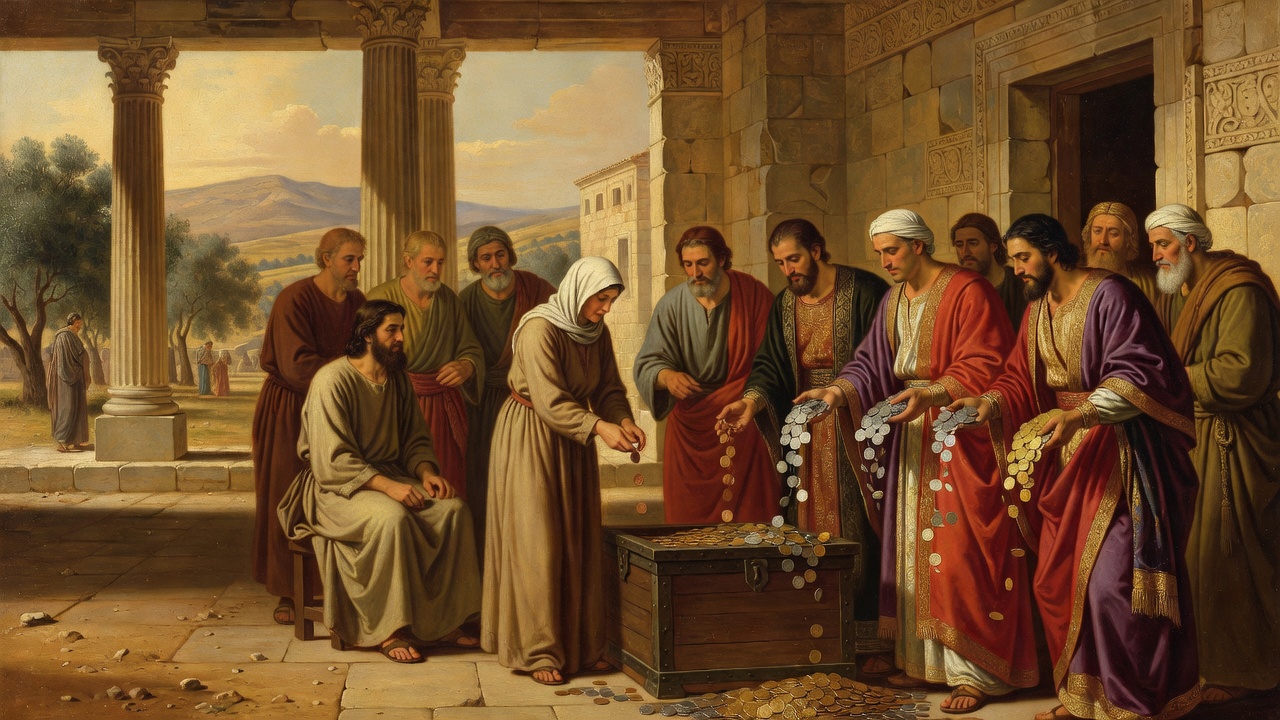
Language: Dogrib
Translation by: Canadian Bible Society
Tłı̨chǫ Genesis and New Testament
About Tłı̨chǫ
Tłı̨chǫ (Dogrib) is a Na-Dene (Athabaskan) language. It is spoken by the First Nations Tłı̨chǫ people in the Northwest Territories in Canada. It has the largest number of speakers of any of the Aboriginal language communities in the NWT, and is one of the official languages of the Northwest Territories.
About This Translation
This translation includes the book of Genesis and the New Testament in Tłı̨chǫ. The first edition of the Tłı̨chǫ New Testament was published in 2003. It was a historic event, as it was the first time in more than a hundred years that a complete New Testament was published for one of the Dene First Nations in the Territories. The first edition was well received and quickly sold out. In the meantime the book of Genesis had been completed. Consequently, the 2008 reprint of the Tłı̨chǫ New Testament included Genesis.
Though this translation of the New Testament and Genesis took a total of ten years, the people who worked on it built on years of labor invested by the Tłı̨chǫ people, elders, priests and missionaries, translators, educators, and linguists. The material contained in this book was checked and approved by consultants from Wycliffe Bible Translators and the Canadian Bible Society.
If you are interested in obtaining a printed copy of this Bible, please contact the Canadian Bible Society at http://www.biblescanada.com .
Copyright Information
Dogrib Genesis and New Testament © 2003, 2008 Canadian Bible Society
The text of the Bible in Tłı̨chǫ that appears in this electronic format or website is for personal use only.
Up to five hundred (500) verses of the Bible text in any form (written, visual, electronic or audio) may be quoted without permission. The quoted verses may not be more than 50% of a complete book of the Bible, or more than 25% of the total text of the work in which they are quoted. Prior written permission must be obtained for any other use of the text. Copyright acknowledgement must in all cases appear on the title or copyright page.
For more information on copyright conditions or to apply, visit http://www.biblesociety.ca/copyright .
This translation is made available to you under the terms of the
Creative Commons Attribution-Noncommercial-No Derivatives license 4.0.
You may share and redistribute this Bible translation or extracts from it in any format, provided that:
You include the above copyright and source information.
You do not sell this work for a profit.
You do not change any of the words or punctuation of the Scriptures.
Pictures included with Scriptures and other documents on this site are licensed just for use with those Scriptures and documents.
For other uses, please contact the respective copyright owners.
2014-04-22
Fuente: http://ebible.org/dgrDOGNT/ · eBible.org