Juan 6
Nǫ̀htsı̨̨ Nı̨̨htł'è · Toca un versículo para ver sus referencias cruzadas.
Zezì dǫ łǫ wànı̨ı̨dì
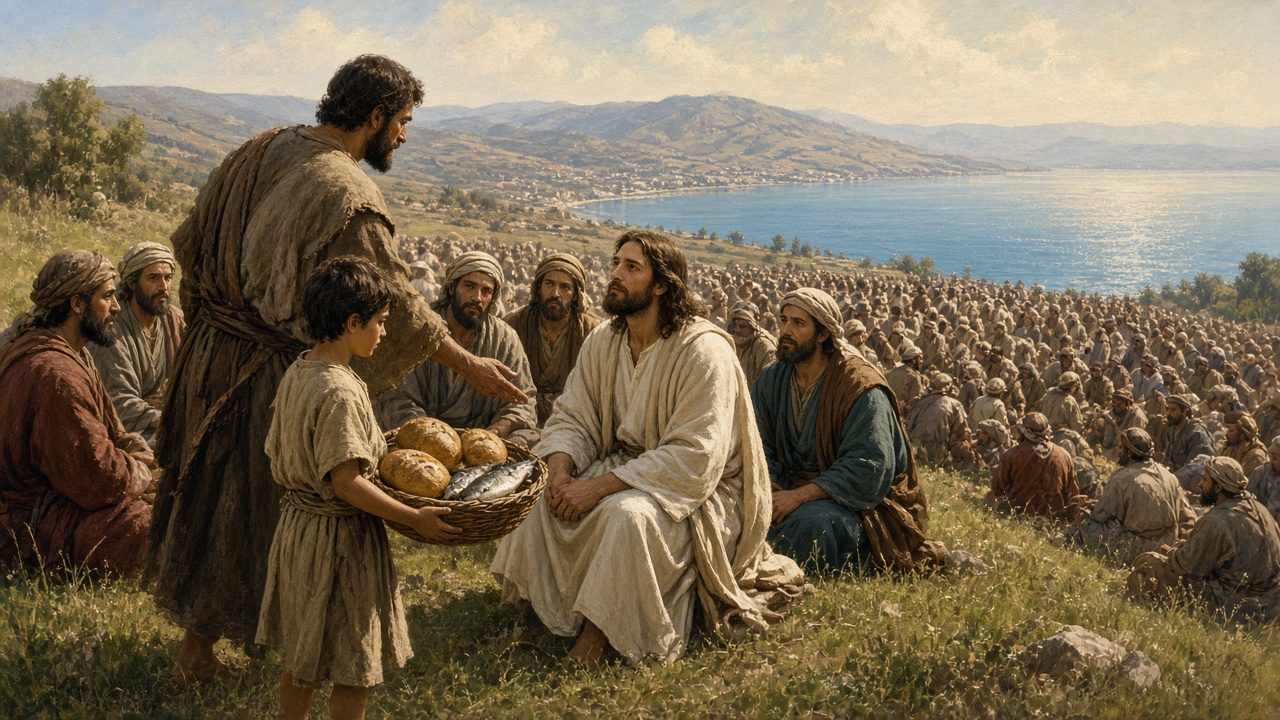
1Whaà hoòwo tł'axǫǫ̀, Zezì Galılee nèk'e tı whetǫǫ (Tıberıas-tì sı wìyeh) wetadà ts'ǫ̀ ajà. 2Zezì dǫ-eyaelı̨ı̨ gha enıìyah ghàlaı̨dà gıaɂı̨ t'à dǫ łǫ gık'èè goòhwho. 3Dǫ eyı nègııdè kwe, Zezì shìh dekegǫǫ̀ɂà k'e edecheekeè xè łatsaa ı̨dà. 4Ekìıyeè k'e Israel got'ı̨į̀ gıts'ǫ dzędeè Passover ts'ǫ̀ hawe.
5Zezì dǫdeè gıts'ǫ̀ède goaɂı̨ ekò Zezì Phılıp ts'ǫ̀ hadı, “Dıı dǫ gıghǫ shèzhe ha edı̨į̀ gots'ǫ łèt'è nàts'eèhdì lì?” yèhdı. 6Zezì ayìı dàyele ha sìı yek'èezǫ, hanìkò ekìı yeèhdzà ha t'à dayı̨ı̨hke.
7Phılıp yets'ǫ̀ hadı, “Ek'èdı̨ sa eghàlats'ı̨ı̨dà kò dǫ haàtłǫǫ gha łèt'è nàts'eehdì ha dìì. Hazǫǫ̀ nechà-lea gıwàhǫǫdì kò łèt'è gıxètłǫ ha-le,” yèhdı.
8Wecheekeè ı̨łè, Andrew, Sımon-Peter wechı, hadı, 9“Jǫ chekoa łèt'è nechà-lea sı̨làı eyıts'ǫ łıwe nàke k'ele, hanìkò sıì dǫ łǫ t'à t'asìı elı̨ ha-le,” yèhdı.
10Zezì edecheekeè ts'ǫ̀ hadı, “Dǫ hazǫǫ̀ geèhkw'eè agıahłe,” gòhdı. Ekǫ tł'oh łǫ gǫ̀hłı̨, eyıt'à dǫ gık'eèhkw'e. Dǫzhìı zǫ ts'ı̨ı̨htà nı̨dè sı̨làı-lemì eyı dèhkw'e. 11Eyı tł'axǫǫ̀ Zezì łèt'è neyı̨į̀wa, yek'eèyaı̨htı gà dǫ geèhkw'ee sìı gotaàgį̀ı̨la. T'agı̨ı̨wǫ ts'ǫ̀ shègıazhe. Eyı xèht'eè łıwe hayı̨į̀là.
12Dǫ hazǫǫ̀ nezı̨į̀ shègıazhe tł'axǫǫ̀ Zezì edecheekeè ts'ǫ̀ hadı, “T'asìı weghàhoòwoo sìı nàahtsį̀. T'asìı wı̨ı̨zìı ekìı ka ɂǫ̀gııhdè-le,” gòhdı. 13Eyıt'à dǫ t'asìı ghàgeèɂàa sìı wecheekeè hazǫǫ̀ nàgèhtsı̨. Dǫ shègıazhe tł'axǫǫ̀ łèt'è deɂǫ̀ǫ̀ whelaa sìı tł'ohtǫ hoònǫ-daats'ǫ̀-nàke dagoòɂǫ nàgèhtsı̨.
14Zezì dıı hanì dǫ gha enıìyah hòèhtsı̨ gıaɂı̨ t'à dǫ ełets'ǫ̀ hagedı, “Nakwenàoɂǫǫ deè dıı nèk'e nììtła ha ı̨lèe sìı eyı at'ı̨ sǫnı,” gedı. 15Zezì k'àowocho gehtsı̨ ha gı̨ı̨wǫ, yek'èezǫ. Hanìkò ededı̨ hanıwǫ-le t'à whatsǫǫ̀ shìhta ts'ǫ̀ anajà.
Zezì tı ka naetłe
16Xèhts'ǫ̀ agòjà ekò Zezì wecheekeè tabàa ts'ǫ̀ geède. 17Elà yìı gı̨ı̨de gà ı̨nǫ̀ǫ̀ kǫ̀ta Capernaum ts'ǫ̀ nageèht'e. Hòt'a gıxè to agòjà, hanìkò Zezì gots'ǫ̀ nììtła-le. 18Nı̨hts'ı nàtso xè taatı̨į̀ nechà ajà. 19Taı echı̨ hanì-le-ı̨dè taı-àtanı echı̨ ts'ǫ̀ nègı̨ı̨ɂe ekò Zezì tı ka elà ts'ǫ̀ etłe gıaɂı̨, eyıt'à sıì geèhyeh. 20Hanìkò Zezì gots'ǫ̀ hadı, “Sı̨ aht'ı̨. Dahjı̨-le!” gòhdı. 21Zezì hagòhdı t'à elà yìı etłaà agı̨į̀là. Edı̨į̀ ts'ǫ̀ aget'ı̨ ı̨lèe sìı ekòet'ıì elà gıxè tàèhtła.
22Ek'èdaedzęę̀ k'e ı̨nǫ̀ǫ̀ dǫ łǫ ageèhkw'ee sìı elà ı̨łè zǫ gıaɂı̨ gınadì. Zezì edecheekeè xè elà yìetła-le ı̨lè, eyıts'ǫ whatsǫǫ̀ nageèht'e ı̨lè gınadì. 23Eyıt'à kǫ̀ta Tıberıas gots'ǫ dǫ mǫ̀hdaa elà t'à geèɂe. Edı̨į̀ Zezì łèt'è k'eèyaı̨htı eyıts'ǫ edı̨į̀ dǫ shègıazhe ı̨lèe sìı ekǫ dàgı̨ı̨de. 24Zezì eyıts'ǫ wecheekeè ekǫ geèhkw'e-le nǫǫ̀ dǫ hazǫǫ̀ gık'èhoèhzà ekò k'achı̨ elà yìı nagı̨ı̨de, Zezì hagı̨ı̨wǫ ha kǫ̀ta Capernaum ts'ǫ̀ nageèht'e.
Zezì łèt'è wet'à ts'eedaa elı̨
25Įnǫ̀ǫ̀ dǫ Zezì gıaɂı̨ ekò dageehke, “K'àowo, dàht'e jǫ nǫǫ̀neetła?” gıìhdı.
26Zezì hadı, “Ehkw'ı anaxèehsı̨, t'aahwhǫ ts'ǫ̀ łèt'è ghǫ shèahzhe t'à sekaahwhǫ hǫt'e, naxıdaà enıìyah nàhòwo t'à sekaahwhǫ nıìle. 27Łèt'è tsį̀wı ha sìı gha eghàlaahda-le, hanìkò łèt'è wet'à welǫ whìle ts'ǫ̀ aahda ha sìı gha eghàlaahda. Dǫ-wet'àaɂàa-deè eyı łèt'è naxıghàɂà ha. Ededı̨ sìı Nǫ̀htsı̨-Gotà wınì k'ę̀ę̀ eghàlaeda wek'èedzǫǫ̀ ayı̨į̀là hǫt'e,” hadı.
28Zezì edeghǫ hadı tł'axǫǫ̀ dǫ dageehke, “Nǫ̀htsı̨ dànì wegha eghàlats'eeda ha goı̨hwhǫ?” gıìhdı.
29Zezì hadı, “Nǫ̀htsı̨ sìı dıı hanì eghàlaahda ha naxı̨ı̨hwhǫ: dǫ naxıts'ǫ̀ yı̨ı̨hɂàa sìı ehkw'ı adı weahwhǫ ha,” gòhdı.
30Eyıt'à hagıìhdı, “Godaà enıìyah deè hoı̨htsı̨ nı̨dè weghàà ehkw'ı aı̨dı nets'ı̨ı̨hwhǫ ha. 31T'akwe whaà gocho ekìı-ka nèk'e ‘manna’ ts'edı gı̨ı̨ɂà ı̨lè, enı̨htł'è k'e dek'eèhtł'è: ‘Yak'e gots'ǫ łèt'è goghànııdì,’ ” Zezì ts'ǫ̀ hagedı.
32Zezì gots'ǫ̀ hadı, “Ehkw'ı anaxèehsı̨, Moses ededı̨ yak'e gots'ǫ łèt'è naxıghàı̨dì nıìle, hanìkò Setà ededı̨ sìı yak'e gots'ǫ łèt'è wedeèdlı̨ı̨ naxıghàı̨dì hǫt'e. 33Yak'e gots'ǫ hodàèhtłaa sìı ededı̨, Nǫ̀htsı̨ wełèt'è hǫt'e, dıı nèk'e dǫ geedaà agohɂı̨,” gòhdı.
34Zezì ts'ǫ̀ hagedı, “K'àowo, jǫ gots'ǫ ı̨daà eyı łèt'è goghàı̨dı,” gıìhdı.
35Eyıt'à Zezì edeghǫ dıı hadıì xàyaı̨htı, “Sı̨ eyı łèt'è wet'à ts'eedaa aht'e. Amìı sets'ǫ̀ at'ı̨ı̨ sìı k'achı̨ deèhdì hǫı̨lı̨ ha-le, eyıts'ǫ amìı wegha ehkw'ı aehsı̨ı̨ sìı k'achı̨ tı ghaewı ha-le. 36Hanìkò dıı hanaxèehsı̨ ı̨lè, ‘Seahɂı̨, hanìkò ı̨łaà naxıgha ehkw'ı aehsı̨-le.’ 37Setà dǫ hazǫǫ̀ seghàı̨laa sìı sets'ǫ̀ agede ha, amìı sets'ǫ̀ at'ı̨ı̨ sìı naweehɂà hǫı̨lı̨ ha-le. 38Sınì k'ę̀ę̀ eghàlaehda ha yak'e gots'ǫ jǫ nèehtła nıìle, hanìkò amìı sı̨ı̨hɂàa sìı ededı̨ wınì k'ę̀ę̀ eghàlaehda ha ahjà. 39Amìı sı̨ı̨hɂàa sìı dıı hanıwǫ: dǫ hazǫǫ̀ seghàı̨laa sìı ı̨łè kò seghǫ dıkǫetła ha-le, hanìkò nǫǫde dzęę̀ k'e nı̨dè hazǫǫ̀ nagìdà agehłe ha. 40Dǫ hazǫǫ̀ Weza ts'ǫ̀ nageɂa xè gıgha ehkw'ı ahodıı sìı welǫ whìle ts'ǫ̀ geeda ha, Setà hanì ha nıwǫ hǫt'e. Amìı ehkw'ı aehsı̨ sı̨ı̨hwhǫǫ sìı nǫǫde dzęę̀ k'e nı̨dè naìdà awehłe ha,” Zezì hadı edeghǫ gode.
41“Yak'e gots'ǫ łèt'è dıı nèk'e ts'ǫ̀ ajàa sìı eyı aht'e,” Zezì hadı t'à Israel got'ı̨į̀ gıghǫ sǫagedı. 42Hagedı, “Dıı Joseph weza Zezì nì-ı̨t'e? Wetà eyıts'ǫ wemǫ gık'èts'eezǫ hǫt'e. Eyıt'à dànìghǫ edeghǫ hadı, ‘Yak'e gots'ǫ hodàèhtła,’ ” gedı.
43Zezì gots'ǫ̀ hadı, “Seghǫ sǫahdı-le. 44Setà jǫ ts'ǫ̀ sı̨ı̨hɂàa sìı dǫ sets'ǫ̀ ayehɂı̨ lenǫsıı, dǫ wı̨ı̨zìı sets'ǫ̀ ade ha dìì. Hanìkò dǫ sets'ǫ̀ ajà nı̨dè nǫǫde dzęę̀ k'e naìdà awehłe ha. 45Nakwenàoɂǫǫ dıı hanì gı̨ı̨tł'è ı̨lè: ‘Nǫ̀htsı̨ dǫ hazǫǫ̀ hoghàgoehtǫ ha,’ gedı ı̨lè. Dǫ hazǫǫ̀ Setà weyatıì gıìkw'o xè gık'ę̀ę̀ eghàlaedaa sìı sets'ǫ̀ aget'ı̨. 46Dǫ wı̨ı̨zìı Gotà aɂı̨ whìle, Nǫ̀htsı̨ wets'ǫ ne sìı ededı̨ zǫ Gotà eɂı̨ hǫt'e. 47Ehkw'ı anaxèehsı̨, amìı ehkw'ı adı sı̨ı̨hwhǫǫ sìı welǫ whìle ts'ǫ̀ edaa sìı hòt'a weghǫ̀t'ǫ hǫt'e. 48Sı̨ łèt'è wet'à ts'eedaa aht'e. 49T'akwe whaà naxıcho ekìı-ka nèk'e ‘manna’ ts'edı gı̨ı̨ɂà ı̨lè, hanìkò ełaàgı̨ı̨dè. 50Ekò dıì yak'e gots'ǫ łèt'è dıı nèk'e ts'ǫ̀ ajàa sìı jǫ wheda hǫt'e. Dǫ yeghǫ shètı̨ı̨ sìı ełaàwı ha-le. 51Yak'e gots'ǫ łèt'è dıı nèk'e ts'ǫ̀ ajàa sìı, eyı aht'e. Dıı łèt'è dǫ yeghǫ shètı̨ nı̨dè welǫ whìle ts'ǫ̀ eda ha. Dıı łèt'è sezhį̀į̀ hǫt'e, dıı nèk'e dǫ hazǫǫ̀ gıgha hǫt'e, wet'à dǫ eda ha,” Zezì gòhdı.
52Zezì hadı t'à Israel got'ı̨į̀ sıì gıgha nezı̨-le t'à ełets'ǫ̀ hagedı, “Eyı dǫ ayìı ayèhdı? Dànì wezhį̀į̀ ghǫ shèts'etı̨į̀ agole ha?” gedı.
53Zezì gots'ǫ̀ hadı, “Ehkw'ı anaxèehsı̨, Dǫ-wet'àaɂàa-deè wezhį̀į̀ aahdè xè wedoò aahdǫ lenǫsıı, aahda ha nıìle. 54Dǫ sezhį̀į̀ ghǫ shètı̨ xè sedoò edǫǫ sìı welǫ whìle ts'ǫ̀ edaà awììdlà hǫt'e, eyıts'ǫ nǫǫde dzęę̀ k'e naìdà awehłe ha. 55Sezhį̀į̀ sìı weghǫ shèts'etı̨ wedeèdlı̨ hǫt'e, eyıts'ǫ sedoò sìı wet'à ts'eedaa wedeèdlı̨ hǫt'e. 56Amìı sezhį̀į̀ ghǫ shètı̨ xè sedoò edǫǫ sìı, sexè nàdè ha, eyıts'ǫ sı̨ sı wexè nàhdè ha. 57Setà edaa elı̨ı̨ sìı jǫ ts'ǫ̀ sı̨ı̨hɂà hǫt'e, eyıts'ǫ Setà wets'ıhɂǫ̀ sı̨ ehda hǫt'e. Eyı xèht'eè amìı seghǫ shètı̨ı̨ sìı sets'ıhɂǫ̀ eda ha hǫt'e. 58Dıı łèt'è sìı yak'e gots'ǫ nììtła hǫt'e. Naxıcho ‘manna’ ghǫ shègıazhee sìı ełaàgı̨ı̨dè, hanìkò amìı dıı łèt'è ghǫ shètı̨ı̨ sìı welǫ whìle ts'ǫ̀ eda ha hǫt'e,” gòhdı. 59Zezì hadıì kǫ̀ta Capernaum ełègehdèe-kǫ̀ goyìı dǫ hoghàgoehtǫ.
Zezì wecheekeè łǫ gıts'ǫǫ̀ nageèhde
60Dǫ łǫ Zezì k'èè k'egedèe sìı hadıì gıìkw'o ekò hagedı, “Dàdıı hoghàgoehtǫǫ sìı gogha dezhì dìì. Weyatıì ts'ìhchı ha gogha dìì,” gedı.
61Dǫ eyı ghǫ sǫagedı Zezì gok'èezǫ t'à gots'ǫ̀ hadı, “Dàehsı̨ı̨ sìı naxık'èch'a aehsı̨ nì? 62Dǫ-wet'àaɂàa-deè edı̨į̀ gots'ǫ at'ı̨ı̨ sìı naxıdaà ı̨dòo anajà nı̨dè weghǫ dàahwhǫ ha? 63Yedàyeh Nezı̨ı̨ wet'à ts'eeda hǫt'e, dǫ wezhį̀į̀ t'asìı elı̨ nıìle. Ayìı ghǫ gohdee sìı Yedàyeh Nezı̨ı̨ wets'ǫ hǫt'e, eyı yatı wet'à ts'eeda hǫt'e. 64Hanìkò naxıta dǫ mǫ̀hdaa gıgha ehkw'ı aehsı̨-le,” Zezì gòhdı. Kèhogı̨į̀hwho gots'ǫ amìı gıgha ehkw'ı-ahodı ha-le eyıts'ǫ amìı k'aodèe gotł'aàyehtè ha sìı Zezì gok'èezǫ hǫt'e. 65Eyıt'à hagòhdı, “Eyı ts'ıhɂǫ̀ dıı hanaxèehsı̨ ı̨lè, ‘Setà dǫ sets'ǫ̀ ayı̨į̀là lenǫsıı dǫ wı̨ı̨zìı sets'ǫ̀ ade ha dìì,’ ” gòhdı.
66Ekò gots'ǫ, dǫ łǫ Zezì xè aget'ı̨ ı̨lèe sìı ek'èt'à nageèhde, gıxè k'edè-le agejà.
67Zezì edecheekeè hoònǫ-daats'ǫ̀-nàke ts'ǫ̀ hadı, “Dànìghǫ naxı̨ sı sets'ǫǫ̀ naahdè-le?” gòhdı.
68Sımon-Peter yets'ǫ̀ hadı, “K'àowo, amìı ts'ǫ̀ ats'ejà lì? Nı̨ zǫ neyatıì t'à welǫ whìle ts'ǫ̀ ts'eeda hǫt'e. 69Nı̨ sìı Nǫ̀htsı̨ wets'ǫ Degaı anet'e wek'èts'eezǫ, eyı gogha ehkw'ı-ahodı,” yèhdı.
70Zezì edecheekeè ts'ǫ̀ hadı, “Naxı̨ hazǫǫ̀ hoònǫ-daats'ǫ̀-nàke aaht'ee sìı naxìhchì t'ıį̀t'e. Hanìkò naxıta ts'ǫ ı̨łè sìı wehłı̨ı̨ hǫt'e,” gòhdı. 71(Eyı hadıı sìı Zhıdàà, Sımon-Iscarıyot weza, ayèhdı. Zhıdàà, ededı̨ wecheekeè hoònǫ-daats'ǫ̀-nàke gota wheda kò, nǫǫde-ı̨dè Zezì, k'aodèe gotł'aàyehtè ha hǫt'e.)
¿Sabías que…?
El pan de vida
- En este capítulo, Juan llama al lago Mar de Galilea y también Mar de Tiberíades. El Diccionario Bíblico de Easton lo describe con doce millas y media de largo y de cuatro a siete millas y media de ancho, con la superficie a 682 pies bajo el Mediterráneo. De Tiberíades, en la orilla occidental, se dice que fue fundada por Herodes Antipas en el año 16 d.C. y que recibió su nombre en honor del emperador Tiberio; algunas barcas de esa ciudad llegaron cerca del lugar donde la gente había comido el pan.Fuentes: el propio texto bíblico · Sea of Galilee · Tiberias
- Esa noche los discípulos salieron en barca rumbo a Capernaúm, y al día siguiente la multitud cruzó y encontró allí a Jesús. Él pronunció la enseñanza sobre el pan de vida en la sinagoga de Capernaúm. El Diccionario Bíblico de Easton señala que la ciudad, no mencionada en el Antiguo Testamento, llegó a ser la propia ciudad de Jesús después de su expulsión de Nazaret y fue escenario de muchos episodios de su ministerio.Fuentes: el propio texto bíblico · Capernaum
- Cuando la multitud se acercaba, Jesús preguntó a Felipe dónde podían comprar pan, una pregunta que el relato dice que era para ponerlo a prueba, pues Jesús ya sabía lo que iba a hacer. Felipe, como Andrés y Pedro, era de Betsaida; respondió que doscientos denarios no alcanzarían para que cada persona recibiera un pedazo pequeño. Andrés, hermano de Pedro, señaló entonces a un muchacho con cinco panes de cebada y dos pescados pequeños, y el Diccionario Bíblico de Easton, al citar ese diálogo entre otros pasajes, dice que Felipe parece haber ocupado un lugar destacado entre los apóstoles.Fuentes: el propio texto bíblico · Phillip the Apostle · Andrew · Simon Peter
Notas escritas con ayuda de IA a partir de fuentes abiertas (Theographic Bible Metadata, CC BY-SA 4.0; Easton’s Bible Dictionary, dominio público) y revisadas antes de publicarse.
Lugares de este capítulo
Solo aparecen lugares identificados con alta confianza (90 % o más según las fuentes académicas reunidas por OpenBible). Mapa de la época: DARE (Digital Atlas of the Roman Empire), CC BY 4.0; mapa actual: © colaboradores de OpenStreetMap; lugares: OpenBible.info (CC BY 4.0).
Créditos y licencia de esta traducción
Nǫ̀htsı̨̨ Nı̨̨htł'è
Dogrib: Dogrib Genesis & New Testament New Testament & Portions of Old Testament
copyright © 2009 Canadian Bible Society
Language: Dogrib
Translation by: Canadian Bible Society
Tłı̨chǫ Genesis and New Testament
About Tłı̨chǫ
Tłı̨chǫ (Dogrib) is a Na-Dene (Athabaskan) language. It is spoken by the First Nations Tłı̨chǫ people in the Northwest Territories in Canada. It has the largest number of speakers of any of the Aboriginal language communities in the NWT, and is one of the official languages of the Northwest Territories.
About This Translation
This translation includes the book of Genesis and the New Testament in Tłı̨chǫ. The first edition of the Tłı̨chǫ New Testament was published in 2003. It was a historic event, as it was the first time in more than a hundred years that a complete New Testament was published for one of the Dene First Nations in the Territories. The first edition was well received and quickly sold out. In the meantime the book of Genesis had been completed. Consequently, the 2008 reprint of the Tłı̨chǫ New Testament included Genesis.
Though this translation of the New Testament and Genesis took a total of ten years, the people who worked on it built on years of labor invested by the Tłı̨chǫ people, elders, priests and missionaries, translators, educators, and linguists. The material contained in this book was checked and approved by consultants from Wycliffe Bible Translators and the Canadian Bible Society.
If you are interested in obtaining a printed copy of this Bible, please contact the Canadian Bible Society at http://www.biblescanada.com .
Copyright Information
Dogrib Genesis and New Testament © 2003, 2008 Canadian Bible Society
The text of the Bible in Tłı̨chǫ that appears in this electronic format or website is for personal use only.
Up to five hundred (500) verses of the Bible text in any form (written, visual, electronic or audio) may be quoted without permission. The quoted verses may not be more than 50% of a complete book of the Bible, or more than 25% of the total text of the work in which they are quoted. Prior written permission must be obtained for any other use of the text. Copyright acknowledgement must in all cases appear on the title or copyright page.
For more information on copyright conditions or to apply, visit http://www.biblesociety.ca/copyright .
This translation is made available to you under the terms of the
Creative Commons Attribution-Noncommercial-No Derivatives license 4.0.
You may share and redistribute this Bible translation or extracts from it in any format, provided that:
You include the above copyright and source information.
You do not sell this work for a profit.
You do not change any of the words or punctuation of the Scriptures.
Pictures included with Scriptures and other documents on this site are licensed just for use with those Scriptures and documents.
For other uses, please contact the respective copyright owners.
2014-04-22
Fuente: http://ebible.org/dgrDOGNT/ · eBible.org