Génesis 43
Nǫ̀htsı̨̨ Nı̨̨htł'è · Toca un versículo para ver sus referencias cruzadas.
Joseph weza k'achı̨ Egypt nèk'e ts'ǫ̀ geède
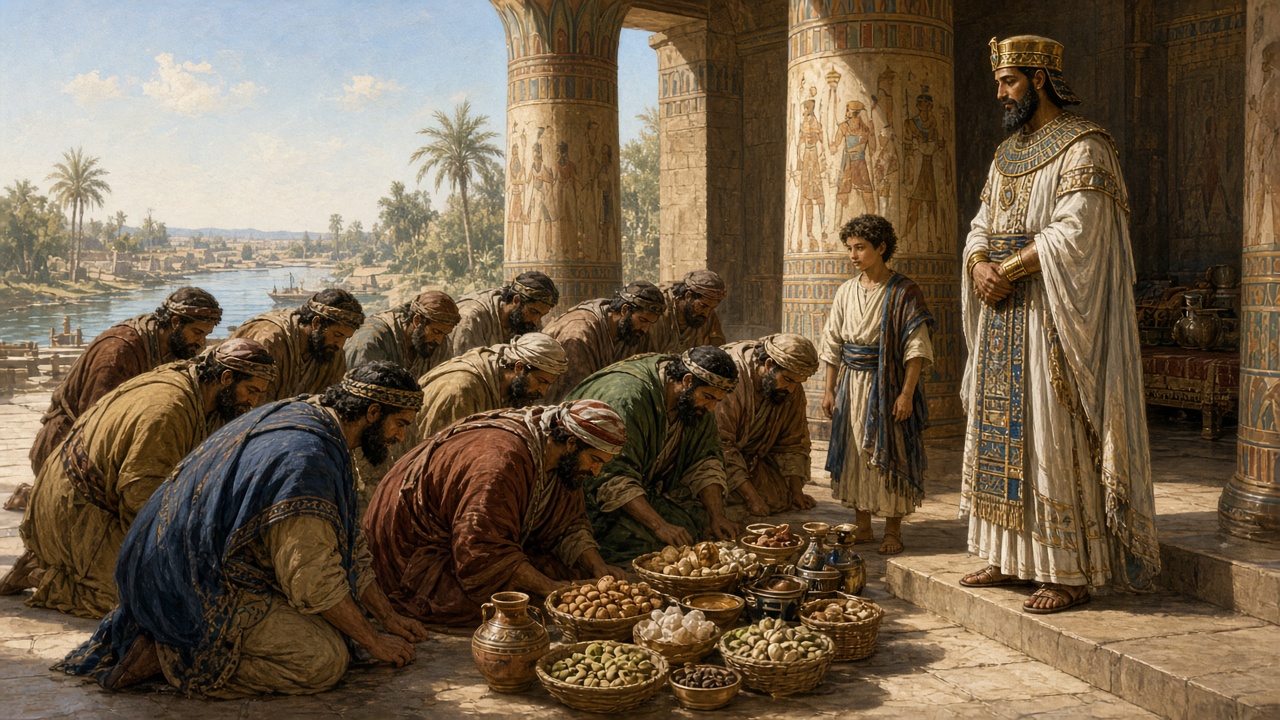
1Ekò k'e eyı nèk'e ı̨łaà sıì bò whìle ı̨lè. 2Eyıt'à Egypt nèk'e gots'ǫ tł'olà nìagı̨ı̨laa sìı hazǫǫ̀ wek'ehǫǫwo ekò, Jacob edeza gots'ǫ̀ hadı, “K'achı̨ Egypt nèk'e nǫahdè gà tł'olà gogha nàahdì,” edeza gòhdı.
3Hanìkò weza Judah yets'ǫ̀ hadı, “Eyı k'àowo sìı yatı nàtsoo goghàı̨ɂǫ ı̨lè, ‘Naxıchı nǫǫdea edexè aahłà lenǫsıı k'achı̨ seahɂį̀ ha-le,’ hagòhdı ı̨lè. 4Gochı goxè anelà nı̨dè, Egypt nèk'e ts'ǫ̀ ats'ede ha eyıts'ǫ negha tł'olà nàts'eehdì ha. 5Hanìkò goxè ajà-le nı̨dè ekǫ ats'ede ha-le. Eyı k'àowo dıı hagòhdı ı̨lè, ‘Naxıchı nǫǫdea edexè aahłà lenǫsıı k'achı̨ seahɂį̀ ha-le,’ gòhdı ı̨lè,” Judah edetà èhdı.
6Israel hagòhdı, “Hoìla seghàahɂǫ hǫt'e. Ayìı ha eyı k'àowo ı̨łaà naxıchı ı̨łè gǫ̀hłı̨ wèahdı nǫǫ̀?” gòhdı.
7Edetà ts'ǫ̀ hagedı, “Eyı k'àowo hotıì dagoehke ı̨lè, goxı̨ goghǫ eyıts'ǫ gòet'ı̨ sı gıghǫ. Hagòhdıì dagoehke, ‘Asį̀į̀ naxıtà ı̨łaà eda? Naxıchı eyıì-le gǫ̀hłı̨ nì?’ gòhdı. Eyıt'à ayìı dagoehkee sìı wets'ǫ̀ hats'edı. ‘Naxıchı jǫ nèweahtè,’ gòhdı ha wek'èts'eezǫ-le ı̨lè,” gedı.
8Eyı tł'axǫǫ̀ Judah edetà Israel ts'ǫ̀ hadı, “Sechı sexè awede, ekòet'ıì ekǫ ts'eedè ha. Hanì-ı̨dè goxı̨ eyıts'ǫ nı̨, goza, hǫt'ıì ełaàts'ede ha-le, hanìkò ts'eeda ha. 9T'asade ch'à sı̨ xàè hotıì wexoehdı ha, seyatıì neghàıhɂǫ. T'asajà nı̨dè sı̨ set'à ha hǫt'e. Nets'ǫ̀ nawèehtı̨-le eyıts'ǫ nenadąą̀ nàwoò ahłà-le nı̨dè t'aats'ǫǫ̀ ehda gots'ǫ̀ sek'enìdahoǫɂà ha dìì-le. 10Eyı k'eè whaà nats'eèhɂı̨-le nı̨dè nàekeè-eht'aà ekǫ nàts'edèe xè jǫ nìats'ı̨ı̨de ha ı̨lè,” Judah edetà èhdı.
11Eyıt'à Israel edeza gots'ǫ̀ hadı, “Ekǫ nàahdè ha t'ıį̀t'e nı̨dè dıı haahłe: gonèk'e gots'ǫ t'asìı nezı̨ı̨ sìı naxıɂǫhchì yìahwha gà eyı k'àowo wets'ǫ̀ aahłe. Tłeh łekǫą, kw'ıahnǫ-dıì, yìk'eetł'òo, dı̨ı̨ts'ıa, dzèh-łekǫǫ dèk'ǫ̀ǫ, eyıts'ǫ dlòodıì dètìı hanıı wets'ǫ̀ aahwha. 12Satsǫ̀ą degoo nàke ts'ǫ̀ deɂǫ̀atłǫ edexè aahłe, satsǫ̀ą degoo naxıɂǫhchì yìı nagı̨ı̨waa sìı gıghǫahwha ha ne t'à. Edahxǫ ekǫ-le agį̀į̀là tahkò. 13Naxıchı edexè aahłe gà ı̨whąą̀ eyı k'àowo ts'ǫ̀ anaahde. 14Nǫ̀htsı̨ t'asìı wegha dìì-le sìı eyı k'àowo etenaxeèhɂı̨į̀ ayııle welè. Hanì-ı̨dè naxıchı ı̨łè aìdaa sìı eyıts'ǫ naxıchı Benjamın naxıxè ek'èt'à nageedè agole welì. Ekò sı̨ sìı seza seghǫ gıwhìle nı̨dè hawet'è,” Israel gòhdı.
15Eyıt'à weza t'asìı k'àowo ghàgele ha, eyıts'ǫ satsǫ̀ą degoo nàke ts'ǫ̀ deɂǫ̀atłǫ edexè geèwa, eyıts'ǫ edechı Benjamın edexè agį̀į̀là. Įwhąą̀ Egypt nèk'e ts'ǫ̀ nageèhde gà Joseph nadąą̀ nègı̨ı̨de. 16Joseph, Benjamın goxè at'ı̨ yaɂı̨ ekò dǫ yegha kǫ̀-k'èdìı elı̨ı̨ sìı ts'ǫ̀ hadı, “Dıı dǫ sekǫ̀ ts'ǫ̀ agı̨ı̨le. Tıts'aàdìı ı̨łè ełàı̨hwhı gà bò xàı̨ht'è, dzętanı sexè shègezhe ha,” yèhdı.
17Joseph weyatıì k'e Israel weza Joseph wekǫ̀ ts'ǫ̀ goòwa. 18Joseph wekǫ̀ ts'ǫ̀ gogeèwa t'à geejı̨, hagı̨ı̨wǫ, “Satsǫ̀ą degoo goɂǫhchì yìı nagı̨ı̨wa ı̨lè ts'ıhɂǫ̀ jǫ nègogį̀ı̨wa hǫt'e. Eyı k'àowo sìı gǫ̀į̀hchı xè gots'ǫ̀ k'ahowo ha, eyıts'ǫ wegha eghàlats'eedaà agole xè gotłı̨tsoa goghǫ neyıìwa ha sǫnı,” hagı̨ı̨wǫ.
19Eyıt'à Joseph wekǫ̀ tı̨ı̨dà nègı̨ı̨de ekò Joseph gha kǫ̀-k'èdìı elı̨ı̨ sìı ts'ǫ̀ gogı̨ı̨de. 20Hagıìhdı, “K'àowo, tł'olà nats'eehdì ha t'akwełǫ̀ǫ̀ jǫ nàts'edè ı̨lè. 21Hanìkò to ts'eetè ha nèts'ı̨ı̨de ekò goɂǫhchì ts'ǫdaà xàts'ı̨ı̨wa là hazǫǫ̀ gotaàt'eè gots'ǫ satsǫ̀ą degoo goɂǫhchì yìı whela nǫǫ̀. Eyıt'à edexè jǫ nàts'ı̨ı̨wa. 22Eyı wedę wet'à tł'olà nàts'eehdì ha satsǫ̀ą degoo weɂǫ̀atłǫ edexè ats'ı̨ı̨là. Amìı gots'ǫ satsǫ̀ą degoo goɂǫhchì yìı nayı̨ı̨waa sìı wek'èts'eezǫ-le,” gıìhdı.
23“T'asanìle, dahjı̨-le,” gòhdı, “Naxınǫ̀htsı̨ eyıts'ǫ naxıtà Wenǫ̀htsı̨ sìı naxıɂǫhchì yìı sǫǫ̀mba degoo naxıghàı̨la hǫt'e. Naxısǫǫ̀mbaà degoo wet'à tł'olà nàahdìı sìı sǫǫ̀zha ı̨lè,” gòhdı. Eyı tł'axǫǫ̀ Sımeyon gots'ǫ̀ xàyeèhchì.
24Joseph gha kǫ̀-k'èdìı elı̨ı̨ sìı Joseph wekǫ̀ goyagoèwa, edekè k'enagehtse gha tı gogà nìı̨hgè, eyıts'ǫ gıtłı̨tsoa shèzhe gha tł'oh gogà nèyı̨ı̨wa. 25Dzętanı Joseph xè shègezhe ha ghǫ gıìkw'o t'à t'asìı gıghàle ha sìı sınìgı̨ı̨la.
26Joseph edekǫ̀ nǫ̀ǫtła ekò t'asìı gıghaele ha sìı gıghàı̨la gà wets'ǫ̀ dèè k'e nàgogı̨ı̨hgè. 27Hagòhdı, “Dàaht'e? Naxıtà ǫhdah whelı̨ı̨ sèahdıı sìı dànì? Įłaà eda nì?” gòhdı.
28Gıts'ǫ̀ hadı, “Gotà necheekeè nee sìı ı̨łaà eda xè wegha k'aàt'ı,” gıìhdı. Nezı̨į̀ gıts'ǫ̀ naɂa ha gı̨ı̨wǫ t'à wets'ǫ̀ ı̨zhıì adegį̀į̀là.
29Joseph gota k'eet'į̀ là edechı Benjamın eɂı̨, xàè wemǫ weza hǫt'e. Dagoehke, “Dıı naxıchı nǫǫdea weghǫ sets'ǫ̀ goahde là eyı nìı̨t'e?” gòhdı. Benjamın ts'ǫ̀ hadı, “Cheko, Nǫ̀htsı̨ nets'ǫ̀ sǫnıwǫ welè,” yèhdı. 30Joseph edechı eɂı̨ t'à wegha dìì agòjà. Dǫ godaà etse ha nıwǫ-le t'à ı̨whąą̀ xàèhtła, ets'èɂǫ̀ǫnèe whatsǫǫ̀ gòɂǫǫ ekǫ ı̨tsè.
31Edınì k'enaı̨htso tł'axǫǫ̀ gots'ǫ̀ xàèhtła, nàtsoò adììdlà gà edecheekeè gots'ǫ̀ hadı, “Goghàɂaahdı,” gòhdı.
32Joseph whatsǫǫ̀ shètı̨ ha gıghàı̨dì, ełechıke whatsǫǫ̀ goghàgı̨ı̨dì, eyıts'ǫ Egypt got'ı̨į̀ goxè shègezhee sìı ededı̨ sı whatsǫǫ̀ goghàgı̨ı̨dì. Egypt got'ı̨į̀ gınàowoò k'èch'a ne t'à, Hebrew got'ı̨į̀ xè shègezhe ha dìì. 33Ełechıke dàtłǫ gıghoò ghàà, łǫ̀ǫ̀ t'akwe wegǫ̀hłı̨ gots'ǫ nǫǫde wegǫ̀hłı̨ ts'ǫ̀, Joseph wenadąą̀ ełek'èdaà geèhkw'eè agogį̀į̀là. Sıì gıgha enıìyah t'à ełeghàgeeda. 34Joseph weladà gots'ǫ weghǫ shèts'ezhee gotaàgeèdì ekò Benjamın wı̨ı̨de hazǫǫ̀ gonahk'e sı̨làı-eht'aà weghàɂaadì. Eyıt'à Joseph xè nezı̨į̀ shègıazhe eyıts'ǫ wexè gıadǫ.
¿Sabías que…?
Los hermanos regresan con Benjamín
- Cuando se acabó el grano traído de Egipto, Judá, el cuarto hijo de Jacob con Lea, habló por los hermanos y se comprometió a cargar con la culpa toda su vida si Benjamín no regresaba. Antes había intercedido para que se perdonara la vida de José, y tomó la delantera en los asuntos de la familia.Fuentes: Judah (patriarch) · el propio texto bíblico
- Benjamín era el hijo menor de Raquel, nacido en Efrata, en el camino entre Betel y Belén; su madre murió al darlo a luz. Con su último aliento lo llamó Ben-oni, “hijo de mi dolor”, nombre que su padre cambió por Benjamín. Él y José eran los dos hijos de Raquel, y al ver al “hijo de su propia madre”, José se fue a un cuarto aparte a llorar.Fuentes: Benjamin (patriarch) · Joseph (son of Jacob) · el propio texto bíblico
- En la comida sirvieron a José, a sus hermanos y a los egipcios por separado, porque los egipcios no comían con los hebreos; el relato dice que eso les era detestable. El mayordomo de la casa también sacó a Simeón, a quien José había retenido en Egipto como rehén.Fuentes: el propio texto bíblico · Simeon
Notas escritas con ayuda de IA a partir de fuentes abiertas (Theographic Bible Metadata, CC BY-SA 4.0; Easton’s Bible Dictionary, dominio público) y revisadas antes de publicarse.
Lugares de este capítulo
Solo aparecen lugares identificados con alta confianza (90 % o más según las fuentes académicas reunidas por OpenBible). Mapa de la época: DARE (Digital Atlas of the Roman Empire), CC BY 4.0; mapa actual: © colaboradores de OpenStreetMap; lugares: OpenBible.info (CC BY 4.0).
Créditos y licencia de esta traducción
Nǫ̀htsı̨̨ Nı̨̨htł'è
Dogrib: Dogrib Genesis & New Testament New Testament & Portions of Old Testament
copyright © 2009 Canadian Bible Society
Language: Dogrib
Translation by: Canadian Bible Society
Tłı̨chǫ Genesis and New Testament
About Tłı̨chǫ
Tłı̨chǫ (Dogrib) is a Na-Dene (Athabaskan) language. It is spoken by the First Nations Tłı̨chǫ people in the Northwest Territories in Canada. It has the largest number of speakers of any of the Aboriginal language communities in the NWT, and is one of the official languages of the Northwest Territories.
About This Translation
This translation includes the book of Genesis and the New Testament in Tłı̨chǫ. The first edition of the Tłı̨chǫ New Testament was published in 2003. It was a historic event, as it was the first time in more than a hundred years that a complete New Testament was published for one of the Dene First Nations in the Territories. The first edition was well received and quickly sold out. In the meantime the book of Genesis had been completed. Consequently, the 2008 reprint of the Tłı̨chǫ New Testament included Genesis.
Though this translation of the New Testament and Genesis took a total of ten years, the people who worked on it built on years of labor invested by the Tłı̨chǫ people, elders, priests and missionaries, translators, educators, and linguists. The material contained in this book was checked and approved by consultants from Wycliffe Bible Translators and the Canadian Bible Society.
If you are interested in obtaining a printed copy of this Bible, please contact the Canadian Bible Society at http://www.biblescanada.com .
Copyright Information
Dogrib Genesis and New Testament © 2003, 2008 Canadian Bible Society
The text of the Bible in Tłı̨chǫ that appears in this electronic format or website is for personal use only.
Up to five hundred (500) verses of the Bible text in any form (written, visual, electronic or audio) may be quoted without permission. The quoted verses may not be more than 50% of a complete book of the Bible, or more than 25% of the total text of the work in which they are quoted. Prior written permission must be obtained for any other use of the text. Copyright acknowledgement must in all cases appear on the title or copyright page.
For more information on copyright conditions or to apply, visit http://www.biblesociety.ca/copyright .
This translation is made available to you under the terms of the
Creative Commons Attribution-Noncommercial-No Derivatives license 4.0.
You may share and redistribute this Bible translation or extracts from it in any format, provided that:
You include the above copyright and source information.
You do not sell this work for a profit.
You do not change any of the words or punctuation of the Scriptures.
Pictures included with Scriptures and other documents on this site are licensed just for use with those Scriptures and documents.
For other uses, please contact the respective copyright owners.
2014-04-22
Fuente: http://ebible.org/dgrDOGNT/ · eBible.org