Hechos 9
Nǫ̀htsı̨̨ Nı̨̨htł'è · Toca un versículo para ver sus referencias cruzadas.
Saul Zezì wecheekeè whelı̨
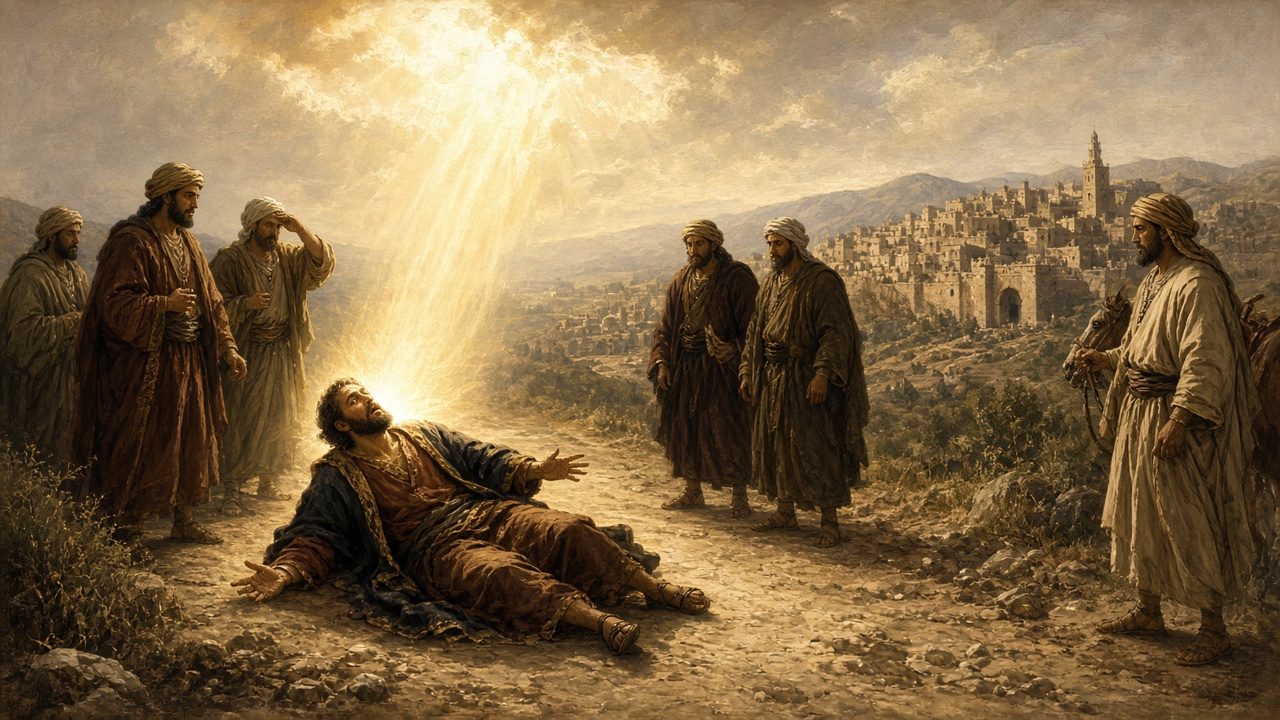
1Ekìıyeè k'e Saul ı̨łaà gots'ǫ̀ K'àowo wecheekeè goweè hanıwǫ. Eyıt'à yahtıı-wet'àaɂàa-deè ts'ǫ̀ èhtła. 2Kǫ̀ta Damaskus ekǫ ełègehdèe-kǫ̀ gòlaa sìı hazǫǫ̀ gots'ǫ̀ eetł'è ha yı̨ı̨hwhǫ. Ekǫ gots'ǫ dǫzhìı eyıts'ǫ ts'èko Zezì wenàowoò k'ę̀ę̀ geedaa sìı nıgoìle gà Jerusalem gıdaànìı̨laà agole ha nıwǫ. 3Kǫ̀ta Damaskus ts'ǫ̀ nıwà-lea nììtła ekò hǫtsaa yak'e gots'ǫ wemǫǫ̀ hazǫǫ̀ ts'ǫ̀ dzęh agòjà, sadeètł'ı nàtsoo wek'e nàı̨dı̨į̀ ajà. 4Saul dèè k'e nàakw'o eyıts'ǫ wets'ǫ̀ hats'edıì hǫt'e, “Saul, Saul, dànìghǫ dasenèehɂa?”
5Saul hadı, “K'àowo, amìı anet'e?”
“Zezì aht'e, sı̨ sìı dasenèehɂa hǫt'e. 6Nıį̀tła gà kǫ̀ta ts'ǫ̀ anede, ayìı dànele ha sìı nets'ǫ̀ hagedı ha,” Zezì yèhdı.
7Dǫ Saul xè aget'ı̨ı̨ sìı ekìı nàgeèhza geèhyeh t'à agııdì whìle. Gots'edeè hǫt'e egeèhkw'ǫ hanìkò dǫ wı̨ı̨zìı gıaɂı̨-le. 8Saul nıìtła ekò wegha xègaat'ı̨-le agòjà. K'egeehɂı̨ t'à kǫ̀ta Damaskus ts'ǫ̀ geède. 9Taı dzęę̀ ts'ǫ̀ wegha xègoèht'į̀-le, eyıts'ǫ shètı̨-le, tı sı wewàhǫǫdì-le.
10Damaskus ekǫ Nǫ̀htsı̨ wecheekeè ı̨łè nàdè, Ananıas wìyeh. Gots'ǫ̀ K'àowo wenazhıı wègoèht'į̀ xè yets'ǫ̀ gode, “Ananıas!” yèhdı.
“Hęɂę, sets'ǫ̀ K'àowo, neèhkw'ǫ,” Ananıas yèhdı.
11Gots'ǫ̀ K'àowo yets'ǫ̀ hadı, “Tı̨lı Ehkw'ı Nııɂàa gòyeh k'e Zhıdàà wekǫ̀ nàątła. Ekǫ kǫ̀ta Tarsus got'ı̨į̀ Saul wìyeh ghǫ daɂı̨hke, eyı dǫ sets'ǫ̀ yahtı t'à. 12Saul wenazhıı xègoèht'į̀ ekò dǫ Ananıas wìyeh yets'àèhtła gà edılà yek'e ayį̀į̀là t'à wegha xènagoèht'į̀ ajà,” gots'ǫ̀ K'àowo yèhdı.
13Ananıas hadı, “Sets'ǫ̀ K'àowo, eyı dǫ weghǫ godı łǫ eèhkw'o. Nets'ǫ dǫ Jerusalem nàgedèe sìı hoìla łǫ gogha hòèhtsı̨ ghǫ eèhkw'o. 14Dıì yahtıı-gha-k'aodèe godahxà jǫ nììtła, dǫ neghǫ gınì nàtsoo sìı dǫ-danìı̨laa-kǫ̀ ts'ǫ̀ agole ha jǫ nììtła ı̨lè,” yèhdı.
15Hanìkò gots'ǫ̀ K'àowo Ananıas ts'ǫ̀ hadı, “Ekǫ nàątła! Eyı dǫ wììhchì hǫt'e, wet'ǫ̀ǫ̀ dǫ hazǫǫ̀ xàɂaa sıızì k'ègeezǫ ha. Dǫ eyıì-le xàɂaa gha k'aodèe ts'ǫ̀ gode ha eyıts'ǫ Israel got'ı̨į̀ sı ts'ǫ̀ gode ha, eyı gha wììhchì hǫt'e. 16Sıızì ts'ıhɂǫ̀ hòtł'ò daı̨ɂa ha sìı yek'èezǫǫ̀ awehłe ha,” Zezì yèhdı.
17Eyıt'à Ananıas eyı kǫ̀ ts'ǫ̀ èhtła gà ekǫ goyaèhtła. Saul wekwìt'a dawhehdì gà hayèhdı, “Sèot'ı̨ Saul, tı̨lı k'e jǫ ts'ǫ̀ naı̨tłe ekò gots'ǫ̀ K'àowo Zezì nets'ǫ̀ wègoèht'į̀ ı̨lèe sìı nets'ǫ̀ sı̨ı̨hɂà. Nedaà xègaat'ı̨ anade ha eyıts'ǫ Yedàyeh Nezı̨ı̨ nek'e ade ha nets'ǫ̀ sı̨ı̨hɂà,” yèhdı. 18Ekòet'ıì Saul wedaà gots'ǫ t'asìı xàı̨tł'ı, eyı tł'axǫǫ̀ wegha xègoèht'į̀ anajà. Saul nıìtła gà wek'ètaìdzǫǫ̀ agį̀į̀là. 19Shètı̨ tł'axǫǫ̀ nàtsoò anajà. Damaskus ekǫ Nǫ̀htsı̨ wecheekeè goxè whaà-lea ts'ǫ̀ nàı̨dè. Kǫ̀ta Damaskus|src="HK024C.tif" size="span" ref="9.19"
Saul kǫ̀ta Damaskus gots'ǫ Jerusalem ts'ǫ̀ ajà
20Ekòet'ıì kǫ̀ta Damaskus ełègehdèe-kǫ̀ yàgòlaa sìı Saul dǫ ts'ǫ̀ godeè ajà. Zezì Nǫ̀htsı̨ Weza hǫt'e hadıì dǫ gots'ǫ̀ goı̨de. 21Dǫ hazǫǫ̀ gıìkw'oo sìı sıì gogha enıìyah adı. “Eyı dǫ Jerusalem ekǫ dǫ Zezì ghǫ gınì nàtsoo sìı gogha hoìla hohtsı̨ là, eyı nì at'ı̨? Gıdaìzhe ha yahtıı-gha-k'aodèe ts'ǫ̀ agole ha jǫ nììtła là, eyı nì at'ı̨?” gedıì dałegeehke. 22Hanìkò Saul denahk'e wınì nàtsoò ajà eyıts'ǫ dànì dek'eèhtł'èe sìı weghàà Zezì Chrıst hǫt'e hadıì gots'ǫ̀ goı̨de t'à Israel got'ı̨į̀ kǫ̀ta Damaskus nàgedèe sìı sıì gogha enıìyah adı.
23Łǫ dzęę̀ k'e hanı̨ı̨dì t'à Israel got'ı̨į̀ ełaàgıìhwhı ha k'ehogeɂa. 24Hanìkò Saul nàgòhzhį̀. Ełaàgıìhwhı ha gı̨ı̨wǫ t'à dzę, to ehk'ę̀ę̀ kǫ̀ta-xàgoòɂàa-k'è kexogııhdı. 25Hanìkò wecheekeè gı̨ı̨lı̨ı̨ sìı to agòjà ekò xàgeèhchì. Tł'ohtǫ yìı gį̀ı̨htı̨ gà kǫ̀ta gomǫǫ̀ kwekwı̨į̀ nıɂàa sìı xàgoı̨ɂàa k'è hodàgeèlì.
26Eyı tł'axǫǫ̀ Saul Jerusalem ts'ǫ̀ ajà. Nǫ̀htsı̨ wecheekeè goxè at'ı̨ ha hoèhdzà hanìkò hazǫǫ̀ gıts'àejı̨. Ededı̨ Nǫ̀htsı̨ wecheekeè elı̨ gıgha ehkw'ı-ahodı-le. 27Hanìkò dǫ ı̨łè Barnabas wìyeh sìı Saul edexè ayį̀į̀là, Zezì wecheekeèdeè gots'ǫ̀ yeèhchì. Saul dànì kǫ̀ta Damaskus ts'ǫ̀ etłe ekò gots'ǫ̀ K'àowo eɂı̨, gots'ǫ̀ K'àowo dànì yets'ǫ̀ goı̨de, eyıts'ǫ kǫ̀ta Damaskus ekǫ wınì dejı̨-le xè Zezì ghǫ dǫ ts'ǫ̀ goı̨de, eyı hazǫǫ̀ Barnabas yeghǫ gots'ǫ̀ goı̨de. 28Eyıt'à Saul Zezì wecheekeèdeè goxè nàı̨dè eyıts'ǫ edèdaedı-le xè Jerusalem dǫ ta k'eda. Zezì wıızì t'à nàtsoò dǫ ts'ǫ̀ gode. 29Israel got'ı̨į̀ Greek k'ę̀ę̀ gogedee sìı gots'ǫ̀ gode xè goxè nàyaehtı, hanìkò ełaàgıìhwhı ha hogeèhdzà. 30Nǫ̀htsı̨ wecheekeè eyı hagòjà gık'èhoèhzà ekò kǫ̀ta Caesarea ts'ǫ̀ nageèhchì gà elàcho t'à kǫ̀ta Tarsus ts'ǫ̀ agį̀į̀là.
31Eyı tł'axǫǫ̀ Nǫ̀htsı̨ wecheekeè hazǫǫ̀ Judea nèk'e, Galılee nèk'e eyıts'ǫ Samarıa nèk'e gıgha łatsaa ts'èwhı̨į̀ hòɂǫǫ̀ agòjà. Yedàyeh Nezı̨ı̨ t'à gınì nàtsoò agejà. Eyıt'à dǫ łǫ gota gı̨ı̨de xè gots'ǫ̀ K'àowo k'èagı̨ı̨t'e ha gı̨ı̨wǫ.
Aneyas eyıts'ǫ Dorcas
32Peter eyı nèk'e kǫ̀ta gòlaa gota k'eda ekò kǫ̀ta Lyda gòyeh ekǫ Nǫ̀htsı̨ wets'ǫ dǫ gots'àèhtła. 33Ekǫ dǫ ı̨łè Aneyas wìyeh eɂı̨. Eyı dǫ k'eda-le t'à ek'èdı̨ xo gots'ǫ edetè k'e whetı̨. 34Peter yets'ǫ̀ hadı, “Aneyas, Zezì k'aàt'ıì anį̀į̀là. Nıį̀tła eyıts'ǫ netè nıìɂah,” yèhdı. Ekòet'ıì Aneyas nıìtła. 35Dǫ hazǫǫ̀ kǫ̀ta Lyda eyıts'ǫ kǫ̀ta Sharon nàgedèe sìı gıaɂı̨ t'à Nǫ̀htsı̨ k'ę̀ę̀ geedaà agejà.
36Kǫ̀ta Joppa gòyeh ekǫ ts'èko ı̨łè nàdè, Tabıtha wìyeh (Greek k'ę̀ę̀ Dorcas wìyeh). Eyı ts'èko Nǫ̀htsı̨ wecheekeè elı̨ hǫt'e. T'aats'ǫǫ̀ dǫ gha eghàlaeda eyıts'ǫ dǫ-teèt'ı̨ı̨ ts'àdı. 37Ekìıyeè k'e eyawhelı̨ t'à ełaı̨wo. Wekw'ǫǫ̀ k'enagı̨ı̨htso gà ı̨dòo dahkǫ̀ nègı̨ı̨htı̨. 38Kǫ̀ta Lyda gots'ǫ kǫ̀ta Joppa ts'ǫ̀ gǫǫwà-le hǫt'e. Eyıt'à Nǫ̀htsı̨ wecheekeè gı̨ı̨lı̨ı̨ sìı Peter kǫ̀ta Lyda ts'ǫ̀-èlı̨ ghǫ egıìkw'o t'à dǫ nàke Peter ts'ǫ̀ geèhɂà, “Įwhąą̀ jǫ nàątła!” gıìhdı.
39Eyıt'à Peter gok'èè èhtła. Ekǫ nègı̨ı̨de ekò ı̨dòo dahkǫ̀ ts'ǫ̀ dekıìtłaà agı̨į̀là. Ts'èko gıgà dǫzhìı whìle sìı hazǫǫ̀ Peter gà nàgeèhza, getse. Dorcas ı̨łaà eda ekò gogha goht'ǫ whehtsı̨ı̨ sìı Peter ts'ǫ̀ dagıale.
40Peter, eyı kǫ̀ą goyìı dǫ geèhkw'ee sìı hazǫǫ̀ xàgoèhɂà. Peter nàgòı̨hgè gà yaı̨htı. Ts'èko ełaı̨wo ts'ǫ̀ hadı, “Tabıtha, nıį̀tła,” yèhdı. Ts'èko k'eet'į̀ ajà, Peter eɂı̨ ekò daèhte k'e whedaà ajà. 41Peter yılà daachì gà nàwo ayį̀į̀là. Eyı tł'axǫǫ̀ dǫ gıgha ehkw'ı-ahodı eyıts'ǫ ts'èko gıgà dǫzhìı whìle sìı goyageède agǫ̀ǫ̀là. Ts'èko edaà ajàa sìı gıghàedaà agǫ̀ǫ̀là. 42Dǫ hazǫǫ̀ kǫ̀ta Joppa nàgedèe sìı gıghǫìkw'o t'à dǫ łǫ Nǫ̀htsı̨ gıgha ehkw'ı-ahodıì agejà. 43Peter whaà-lea ts'ǫ̀ eyı kǫ̀ta Joppa dǫ ı̨łè Sımon ewò-sıìhɂı̨ı̨-dǫǫ̀ xè nàı̨dè.
¿Sabías que…?
La conversión de Saulo y el ministerio de Pedro
- Al perseguidor de este capítulo se le llama Saulo, un hombre de Tarso. Saulo era el nombre que recibió en la circuncisión, su nombre hebreo en casa; el nombre Pablo probablemente también se le dio en la infancia, para usarlo en el mundo gentil. Tarso, capital de Cilicia, provincia romana en el sureste de Asia Menor, estaba a orillas del río Cidno, navegable hasta allí, se distinguía por la riqueza de su comercio con las tierras del Mediterráneo y con el centro de Asia Menor, y era sede de una famosa universidad, cuyas escuelas se describen como rivales de las de Atenas y Alejandría.Fuentes: Paul · Tarsus · el propio texto bíblico
- Damasco, la ciudad a la que Saulo se acercaba con cartas del sumo sacerdote para llevar a Jerusalén, como prisioneros, a hombres y mujeres del Camino, se describe como la más antigua de las ciudades de Oriente y la capital de Siria, a unas 133 millas al norte de Jerusalén. Ananías fue enviado a la casa de Judas, un judío de Damasco, en la calle llamada Derecha, una calle larga y ancha que corría de este a oeste por cerca de una milla y formaba la vía principal de la ciudad, distinta de las calles estrechas e irregulares habituales en las ciudades de Oriente. Esa calle se identifica con la calle de los bazares, donde se ha señalado una llamada casa de Judas.Fuentes: Damascus · Straight Gate · Judas (Jew of Damascus) · el propio texto bíblico
- Lida, donde Pedro encontró a Eneas, paralítico y encamado desde hacía ocho años, estaba a unas nueve millas al este de Jope, en el camino de ese puerto a Jerusalén. Jope estaba sobre un promontorio arenoso, a unas treinta millas al noroeste de Jerusalén, y era el principal puerto marítimo de Judea. Allí la discípula Tabita también se llama Dorcas, nombre griego que significa gacela; era conocida por obras de bondad y caridad, y las viudas le mostraron a Pedro las túnicas y las demás ropas que ella había hecho.Fuentes: Lydda · Joppa · Dorcas · el propio texto bíblico
Notas escritas con ayuda de IA a partir de fuentes abiertas (Theographic Bible Metadata, CC BY-SA 4.0; Easton’s Bible Dictionary, dominio público) y revisadas antes de publicarse.
Lugares de este capítulo
- Damascus · 33.511, 36.306 · versículos 2, 3, 8, 10, 19, 22, 27
- Jerusalem · 31.777, 35.234 · versículos 2, 13, 21, 26, 28
- Straight Street · 33.509, 36.311 · versículo 11
- Tarsus · 36.913, 34.892 · versículos 11, 30
- Caesarea · Hoy: Caesarea Maritima · 32.500, 34.892 · versículo 30
- Galilee · 32.760, 35.527 · versículo 31
- Judea · Hoy: Judea 1 · 31.777, 35.234 · versículo 31
- Samaria · Hoy: Samaria 2 · 32.276, 35.195 · versículo 31
- Lod · 31.950, 34.900 · versículos 32, 35, 38
- Sharon · Hoy: Sharon Plain · 32.400, 34.883 · versículo 35
- Joppa · Hoy: Jaffa · 32.054, 34.753 · versículos 36, 38, 42, 43
Solo aparecen lugares identificados con alta confianza (90 % o más según las fuentes académicas reunidas por OpenBible). Mapa de la época: DARE (Digital Atlas of the Roman Empire), CC BY 4.0; mapa actual: © colaboradores de OpenStreetMap; lugares: OpenBible.info (CC BY 4.0).
Créditos y licencia de esta traducción
Nǫ̀htsı̨̨ Nı̨̨htł'è
Dogrib: Dogrib Genesis & New Testament New Testament & Portions of Old Testament
copyright © 2009 Canadian Bible Society
Language: Dogrib
Translation by: Canadian Bible Society
Tłı̨chǫ Genesis and New Testament
About Tłı̨chǫ
Tłı̨chǫ (Dogrib) is a Na-Dene (Athabaskan) language. It is spoken by the First Nations Tłı̨chǫ people in the Northwest Territories in Canada. It has the largest number of speakers of any of the Aboriginal language communities in the NWT, and is one of the official languages of the Northwest Territories.
About This Translation
This translation includes the book of Genesis and the New Testament in Tłı̨chǫ. The first edition of the Tłı̨chǫ New Testament was published in 2003. It was a historic event, as it was the first time in more than a hundred years that a complete New Testament was published for one of the Dene First Nations in the Territories. The first edition was well received and quickly sold out. In the meantime the book of Genesis had been completed. Consequently, the 2008 reprint of the Tłı̨chǫ New Testament included Genesis.
Though this translation of the New Testament and Genesis took a total of ten years, the people who worked on it built on years of labor invested by the Tłı̨chǫ people, elders, priests and missionaries, translators, educators, and linguists. The material contained in this book was checked and approved by consultants from Wycliffe Bible Translators and the Canadian Bible Society.
If you are interested in obtaining a printed copy of this Bible, please contact the Canadian Bible Society at http://www.biblescanada.com .
Copyright Information
Dogrib Genesis and New Testament © 2003, 2008 Canadian Bible Society
The text of the Bible in Tłı̨chǫ that appears in this electronic format or website is for personal use only.
Up to five hundred (500) verses of the Bible text in any form (written, visual, electronic or audio) may be quoted without permission. The quoted verses may not be more than 50% of a complete book of the Bible, or more than 25% of the total text of the work in which they are quoted. Prior written permission must be obtained for any other use of the text. Copyright acknowledgement must in all cases appear on the title or copyright page.
For more information on copyright conditions or to apply, visit http://www.biblesociety.ca/copyright .
This translation is made available to you under the terms of the
Creative Commons Attribution-Noncommercial-No Derivatives license 4.0.
You may share and redistribute this Bible translation or extracts from it in any format, provided that:
You include the above copyright and source information.
You do not sell this work for a profit.
You do not change any of the words or punctuation of the Scriptures.
Pictures included with Scriptures and other documents on this site are licensed just for use with those Scriptures and documents.
For other uses, please contact the respective copyright owners.
2014-04-22
Fuente: http://ebible.org/dgrDOGNT/ · eBible.org