2 Timoteo 4
Nǫ̀htsı̨̨ Nı̨̨htł'è · Toca un versículo para ver sus referencias cruzadas.
1Nǫ̀htsı̨ wenadąą̀ eyıts'ǫ Zezì-Krı wenadąą̀ nets'ǫ̀ eehtł'è. Zezì ededı̨ sìı dǫ geedaa eyıts'ǫ dǫ ełaı̨dèe gosınìyaehtı ha. Gots'ǫ̀ wègoèht'į̀ ha eyıts'ǫ wenàowoò k'ę̀ę̀ hòɂǫǫ̀ ayele ha. Wedahxà dıı yatı neghàıhɂǫ hǫt'e: 2Nǫ̀htsı̨ yatıì t'à dǫ ts'ǫ̀ goı̨de ha t'aats'ǫǫ̀ sınìwheęda. Nàowo ehkw'ıı k'ę̀ę̀ aahda, hołı̨ı̨ hòahtsı̨-le, eyıts'ǫ eyı gha naxınì nàtsoò aahłe, gìı̨dı. T'aats'ǫǫ̀ dǫ xè ts'èwhı̨į̀ neewǫ eyıts'ǫ hotıì nezı̨į̀ hoghàgı̨ı̨htǫ. 3Įdaà nı̨dè dǫ sìı nàowo ehkw'ıı ka-egeèhkw'ǫ ha-le agode ha. Dàgı̨ı̨wǫǫ sìı zǫ k'ę̀ę̀ hoghàgoetǫ gı̨ı̨wǫ ha. Ayìı geèhkw'ǫ hagı̨ı̨wǫǫ sìı t'à hoghàgeetǫ gha hoghàehtǫǫ-dǫǫ̀ łǫ edegha nègele ha. 4Nàowo ehkw'ıı ka-egeèhkw'ǫ-le agede ha, ekìı godı dǫ yèhtsı̨ zǫ ka-egeèhkw'ǫ ha. 5Hanìkò nı̨ sìı t'asìı hazǫǫ̀ gha nınì ehkw'ı anehwhǫ, negha hoìla kò wexè ts'èwhı̨į̀ ı̨da. Godı nezı̨ı̨ k'eneɂa gha nekayaetı ne t'à, la neghǫ̀t'ǫǫ sìı t'aats'ǫǫ̀ wek'ę̀ę̀ hòtł'ò eghàlaı̨da.
6Sı̨ hòt'a selǫ nèhòkw'ı ha nìhǫǫwo, Nǫ̀htsı̨ gha sezhį̀į̀ k'ehǫǫwo lanì. Dıı nèk'e gots'ǫǫ̀ asedle ha nìhǫǫwo. 7Ehdageedè t'à dǫ nàtła k'etı̨mǫehdaa laht'e. Nezı̨į̀ k'etı̨mǫehda t'à nǫǫde ts'ǫ̀ gıghǫèhnǫ, eyıt'à nǫǫde ts'ǫ̀ Nǫ̀htsı̨ gha ı̨łaà sınì nàtso hǫt'e. 8Ehkw'ı gha sııtà xè hoehnǫ ts'ıhɂǫ̀ t'asìı sǫǫ̀mbaekwo t'à hòèlı̨ı̨ nǫǫde dzęę̀ k'e seghǫ̀t'à ha. Gots'ǫ̀ K'àowo ededı̨ zǫ ehkw'ı dǫ sınìyaehtı hǫt'e eyıts'ǫ ayìı dehnǫǫ sìı seghàyııɂà ha. Sı̨ zǫ hasele ha nıìle, hanìkò dǫ hazǫǫ̀ wègoèht'į̀ gha kànegı̨ı̨ɂaa sìı ededı̨ sı hagole ha hǫt'e.
Paul wexè hoìla hoòwo
9Įwhąą̀ sets'ǫ̀ anede gha hòtł'ò edı̨į̀hdzà. 10Demas dıı nèk'e t'asìı whelaa ghǫneètǫ t'à sets'ǫǫ̀ ajà xè kǫ̀ta Thessalonıca ts'ǫ̀ ajà. Crescens Galatıa nèk'e ts'ǫ̀ ajà, eyıts'ǫ Tıtus Dalmatıa nèk'e ts'ǫ̀ ajà. 11Luke ededı̨ zǫ segà wheda. Mark wekàątła gà edexè awı̨ı̨le, Nǫ̀htsı̨ wılaà ghàlaehda ekò nezı̨į̀ sets'àı̨dì ı̨lè t'à. 12Tychıcus kǫ̀ta Ephesus ts'ǫ̀ awèhłà. 13Jǫ ts'ǫ̀ nìı̨tła nı̨dè, kǫ̀ta Troas ekǫ Carpus wegà seɂeè aèhchì ahłàa sìı edexè anele nǫǫ̀. Senı̨htł'è eyıts'ǫ enı̨htł'è ewò t'à hòèlı̨ı̨ eyı t'aa wedę awı̨ı̨de sǫ̀ǫ̀. Enı̨htł'è ewò t'à hòèlı̨ı̨|src="HK072A.tif" size="span" ref="4.13"
14Alexander satsǫ̀-eghàlaedaa-dǫǫ̀ sets'ǫ̀ hoìla deè hòèhtsı̨. Gots'ǫ̀ K'àowo eyı k'èxa hoìla yeghàhòɂà ha. 15Nı̨ sı wech'à edexonehdı, godı nezı̨ı̨ t'à dǫ hoghàts'eehtǫǫ sìı sıì wek'èch'a hǫt'e t'à.
16T'akwełǫ̀ǫ̀ seghǫ nàyaetı ekò dǫ wı̨ı̨zìı sek'edaedı-le ı̨lè, hazǫǫ̀ sets'ǫǫ̀ nageèhde ı̨lè. Eyı k'èxa Nǫ̀htsı̨ t'asagǫ̀ǫ̀là-le nı̨dè dehwhǫ. 17Hanìkò gots'ǫ̀ K'àowo sexè at'ı̨ t'à, sınì nàtsoò asį̀į̀là. Hanì ts'ıhɂǫ̀ godı nezı̨ı̨ deghàà dǫ ts'ǫ̀ gohde ha, eyıts'ǫ dǫ hazǫǫ̀ Israel got'ı̨į̀ agı̨ı̨t'e-le sìı geèhkw'ǫ ha welì. Ekìıyeè k'e goìjìıcho wewà ch'à Nǫ̀htsı̨ edaxàsį̀ı̨htı̨ ı̨lè. 18Nàowołı̨ı̨ hazǫǫ̀ sek'alawo ch'à gots'ǫ̀ K'àowo edaxàsehtè ha, eyıts'ǫ yak'e wenàowoò k'ę̀ę̀ hòɂǫǫ sìı ts'ǫ̀ asele ha. Welǫ whìle ts'ǫ̀ weghàsǫhoedı welè. Amen.
Naxıxè sìghà welè
19Prıscılla eyıts'ǫ Aquıla, eyıts'ǫ Onesıphorus wekǫ̀ dǫ hazǫǫ̀ nàdèe sìı segha “Naxıxè sìghà welè” gìı̨dı. 20Erastus kǫ̀ta Corınth aìda, eyıts'ǫ kǫ̀ta Mıletus ekǫ Trophımus eyaelı̨ t'à sexè ajà-le. 21Xok'e agode kwe jǫ sets'ǫ̀ anede ha wı̨ı̨hdzà. Eubulus yatı nezı̨ı̨ nedanìı̨ɂǫ, eyıts'ǫ Pudens, Lınus, Claudıa, eyıts'ǫ gòet'ı̨ hazǫǫ̀, “Nexè sìghà welè,” nègedı.
22Gots'ǫ̀ K'àowo nets'ǫ ı̨nì xè at'ı̨ welè. Nǫ̀htsı̨ nets'ǫ̀ sǫnıwǫ welè.
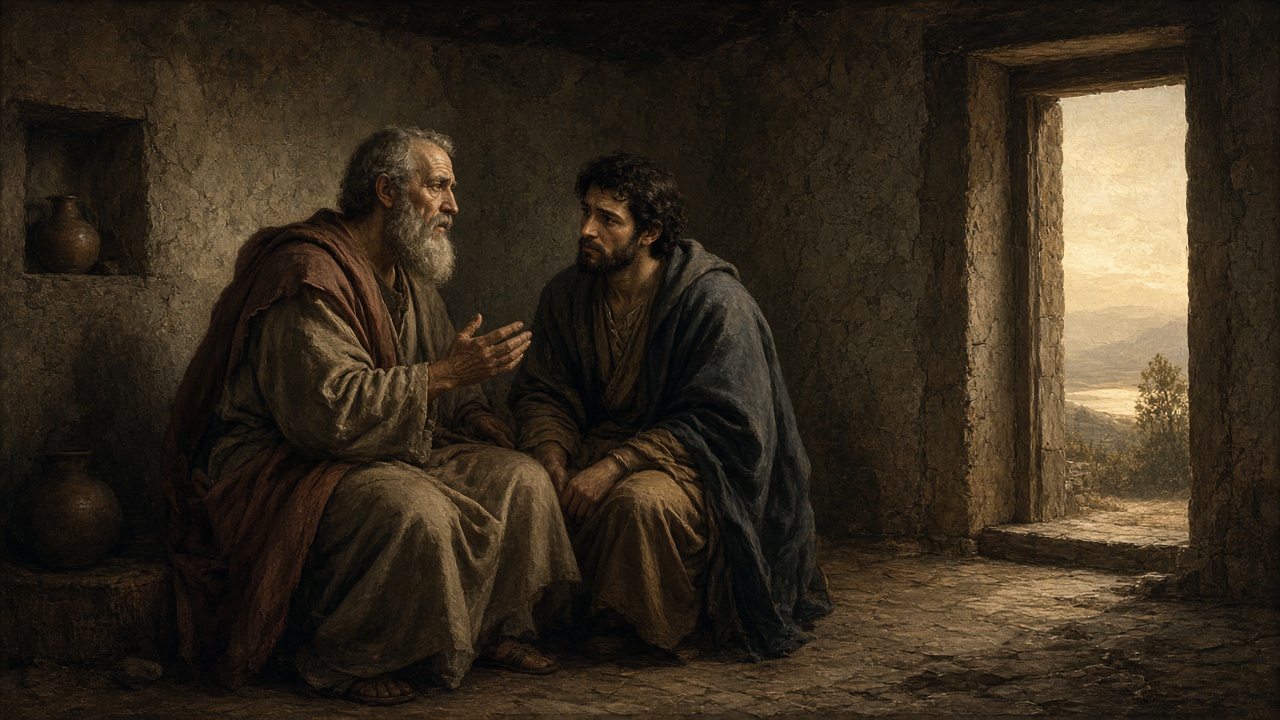
¿Sabías que…?
La exhortación final y la despedida de Pablo
- Pablo urge a Timoteo a venir pronto. Demas, a quien el Diccionario Bíblico de Easton (1897) describe como compañero y colaborador de Pablo durante su primera prisión en Roma, lo ha abandonado por amor a este mundo y se ha ido a Tesalónica, una gran ciudad en el golfo Termaico y capital de uno de los cuatro distritos romanos de Macedonia. Crescente se ha ido a Galacia y Tito a Dalmacia, un país montañoso en la costa oriental del Adriático y parte de la provincia romana de Ilírico; Pablo ha enviado a Tíquico a Éfeso, y solo Lucas permanece con él.Fuentes: Demas · Thessalonica · Dalmatia · el propio texto bíblico
- El Diccionario Bíblico de Easton (1897) identifica a Alejandro el calderero como un hombre que, con Himeneo y otros, enseñaba ciertas ideas sobre la resurrección, y dice que Pablo lo excomulgó. En este capítulo Pablo escribe que Alejandro le hizo un gran daño, advierte a Timoteo que se cuide de él porque se opuso con vigor a nuestro mensaje, y dice que el Señor le pagará conforme a sus obras.Fuentes: Alexander · el propio texto bíblico
- Pablo pide a Timoteo que traiga la capa que dejó con Carpo en Troas, junto con los rollos, especialmente los pergaminos, y que llegue antes del invierno. Troas era una ciudad en la costa de Misia, al noroeste de Asia Menor, llamada así por la antigua Troya, que quedaba unas cuatro millas al norte.Fuentes: Troas · el propio texto bíblico
Notas escritas con ayuda de IA a partir de fuentes abiertas (Theographic Bible Metadata, CC BY-SA 4.0; Easton’s Bible Dictionary, dominio público) y revisadas antes de publicarse.
Lugares de este capítulo
- Dalmatia · 43.813, 16.219 · versículo 10
- Galatia · 39.267, 32.983 · versículo 10
- Thessalonica · Hoy: Thessaloniki · 40.638, 22.946 · versículo 10
- Ephesus · 37.939, 27.341 · versículo 12
- Troas · Hoy: Alexandria Troas · 39.752, 26.159 · versículo 13
- Corinth · 37.906, 22.879 · versículo 20
- Miletus · 37.531, 27.276 · versículo 20
Solo aparecen lugares identificados con alta confianza (90 % o más según las fuentes académicas reunidas por OpenBible). Mapa de la época: DARE (Digital Atlas of the Roman Empire), CC BY 4.0; mapa actual: © colaboradores de OpenStreetMap; lugares: OpenBible.info (CC BY 4.0).
Créditos y licencia de esta traducción
Nǫ̀htsı̨̨ Nı̨̨htł'è
Dogrib: Dogrib Genesis & New Testament New Testament & Portions of Old Testament
copyright © 2009 Canadian Bible Society
Language: Dogrib
Translation by: Canadian Bible Society
Tłı̨chǫ Genesis and New Testament
About Tłı̨chǫ
Tłı̨chǫ (Dogrib) is a Na-Dene (Athabaskan) language. It is spoken by the First Nations Tłı̨chǫ people in the Northwest Territories in Canada. It has the largest number of speakers of any of the Aboriginal language communities in the NWT, and is one of the official languages of the Northwest Territories.
About This Translation
This translation includes the book of Genesis and the New Testament in Tłı̨chǫ. The first edition of the Tłı̨chǫ New Testament was published in 2003. It was a historic event, as it was the first time in more than a hundred years that a complete New Testament was published for one of the Dene First Nations in the Territories. The first edition was well received and quickly sold out. In the meantime the book of Genesis had been completed. Consequently, the 2008 reprint of the Tłı̨chǫ New Testament included Genesis.
Though this translation of the New Testament and Genesis took a total of ten years, the people who worked on it built on years of labor invested by the Tłı̨chǫ people, elders, priests and missionaries, translators, educators, and linguists. The material contained in this book was checked and approved by consultants from Wycliffe Bible Translators and the Canadian Bible Society.
If you are interested in obtaining a printed copy of this Bible, please contact the Canadian Bible Society at http://www.biblescanada.com .
Copyright Information
Dogrib Genesis and New Testament © 2003, 2008 Canadian Bible Society
The text of the Bible in Tłı̨chǫ that appears in this electronic format or website is for personal use only.
Up to five hundred (500) verses of the Bible text in any form (written, visual, electronic or audio) may be quoted without permission. The quoted verses may not be more than 50% of a complete book of the Bible, or more than 25% of the total text of the work in which they are quoted. Prior written permission must be obtained for any other use of the text. Copyright acknowledgement must in all cases appear on the title or copyright page.
For more information on copyright conditions or to apply, visit http://www.biblesociety.ca/copyright .
This translation is made available to you under the terms of the
Creative Commons Attribution-Noncommercial-No Derivatives license 4.0.
You may share and redistribute this Bible translation or extracts from it in any format, provided that:
You include the above copyright and source information.
You do not sell this work for a profit.
You do not change any of the words or punctuation of the Scriptures.
Pictures included with Scriptures and other documents on this site are licensed just for use with those Scriptures and documents.
For other uses, please contact the respective copyright owners.
2014-04-22
Fuente: http://ebible.org/dgrDOGNT/ · eBible.org