1 Tesalonicenses 5
Nǫ̀htsı̨̨ Nı̨̨htł'è · Toca un versículo para ver sus referencias cruzadas.
1Sèot'ı̨ı̨, ayìı sadzeè k'e eyıts'ǫ ayìı dzęę̀ k'e gots'ǫ̀ K'àowo jǫ ts'ǫ̀ anade ha sìı weghǫ naxıts'ǫ̀ ts'eetł'è-le kò. 2Eeɂį̀ı̨-dǫǫ̀ to dǫ naàhtǫ dǫ kǫ̀ goyaetła lanì gots'ǫ̀ K'àowo hǫtsaa nììtła ha hotıì wek'èahsǫ hǫt'e. 3Ekìıyeè k'e dǫ dıı hagedı ha, “Ts'èwhı̨į̀ hòɂǫ, goxè t'asagode ha nıìle,” hagedı nı̨dè hǫtsaa gıdıhołè ha. Ts'èko webebìa gòhłè ha nìkw'o t'à hǫtsaa eya-ełè lanì hǫtsaa gıdıhołè ha, eyı ch'à kwı̨geehdè ha nıìle.
4Hanìkò sèot'ı̨ı̨, naxı̨ sìı eyı gha naxıxè togoòtł'ò nıìle, eyıt'à eyı dzęę̀ k'e sìı eeɂį̀ı̨-dǫǫ̀ naxınaàhtǫ naxıkǫ̀ goyaetła lanì naxıtł'ahk'e agode ha nıìle. 5Naxı̨ hazǫǫ̀ dzęh gots'ǫ dǫ aaht'e. Togoòtł'òo gots'ǫ dǫ ats'ı̨ı̨t'e nıìle. Eyıt'à Nǫ̀htsı̨ wets'ǫ dzęh nı̨ı̨dı̨ı̨ yìı aahda. 6Eyıt'à dǫ gıgha ehkw'ı-ahodı-le sìı ekìı gete lanì geeda lats'ııt'è-le. Eyıt'à kexots'ııhdı xè hołı̨ı̨ nàowoò ch'à edek'èts'ııdì. 7Dǫ getee sìı to gete hǫt'e, eyıts'ǫ dǫ geèhdee sìı to geèhde hǫt'e. 8Hanìkò goxı̨ sìı dzęh ts'ǫ dǫ ats'ı̨ı̨t'e t'à, hołı̨ı̨ nàowoò ch'à edek'èts'ııdì. Gogha ehkw'ı-ahodıı xè ełeghǫnets'eètǫǫ sìı wet'à godzıìwı k'e satsǫ̀ whetǫ lanì. Eyıts'ǫ Nǫ̀htsı̨ edaxàgole ha ts'ǫ̀ kànets'eèɂàa sìı wet'à satsǫ̀-ts'ah whats'eèhɂǫ lanì. 9Nǫ̀htsı̨ sìı gosınìyaehtı eyıts'ǫ nàgoehkwa gha gòį̀hchì nıìle, hanìkò gots'ǫ̀ K'àowo Zezì-Krı gogha ehkw'ı-ahodı t'à edaxàgole ha gòį̀hchì hǫt'e. 10Zezì gogha ełaı̨wo hǫt'e, eyıt'à ts'eedaa, ełaàts'edee, ehk'ę̀ę̀ t'aats'ǫǫ̀ wexè ts'eeda ha agǫ̀ǫ̀là hǫt'e. 11Eyıt'à nezı̨į̀ ełets'ǫ̀ goahde xè ełınì nàtsoò aahłe, hòt'a haaht'ı̨ lanì.
Nǫǫde xàyaetı
12Sèot'ı̨ı̨, dǫ naxıgha hòtł'ò eghàlageedaa sìı gots'ǫ̀ K'àowo wedahxà naxıgha k'aodèe gı̨ı̨lı̨ı̨ eyıts'ǫ hołı̨ı̨ hoahtsı̨ ch'à naxıts'ǫ̀ gogedee sìı nezı̨į̀ gıts'ǫ̀ naahɂa. 13Eyı la gıghǫ̀t'ǫ ne t'à dǫ wet'àaɂà gı̨ı̨lı̨ı̨ k'ę̀ę̀ nezı̨į̀ gıts'ǫ̀ naahɂa xè gıghǫnıahtǫ. Ełexè ts'èwhı̨į̀ aahda. 14Sèot'ı̨ı̨, dıı naxıghǫnàdats'eetì: Dǫ gots'egeedìı sìı yatı nàtsoo gıghàahɂà. Dǫ edègeejı̨ı̨ sìı gınì nàtsoò aahłe, dǫ nàgetso-le sìı gıts'àahdı, dǫ hazǫǫ̀ xè ts'èwhı̨į̀ k'ehoahɂa. 15Dǫ naxıts'ǫ̀ ekǫ-le eghàlaeda nı̨dè ek'èt'à gıts'ǫ̀ ekǫ-le eghàlaahda-le, hanìkò t'aats'ǫǫ̀ ełets'ǫ̀ nezı̨į̀ eghàlaahda ha k'ehoahɂa, eyıts'ǫ dǫ hazǫǫ̀ ts'ǫ̀ haaht'e.
16T'aats'ǫǫ̀ sìaht'ı̨ xè 17t'aats'ǫǫ̀ yaahtı. 18Naxıxè dànì k'ehokw'oo sìı Nǫ̀htsı̨ masì wèahdı. Naxı̨ Zezì xè aahdaa sìı Nǫ̀htsı̨ hanì aahda ha naxı̨ı̨hwhǫ.
19Yedàyeh Nezı̨ı̨ naxıdzeè yìı kǫ̀ dèk'ǫ̀ǫ lanì eghàlaedaa sìı wekǫ̀ naahkwı-le. 20Yedàyeh Nezı̨ı̨ wedahxà dǫ gode nı̨dè, ekìı ahodı dahwhǫ-le. 21Hanìkò t'asìı hazǫǫ̀ weahdzà. T'asìı nezı̨ı̨ sìı ààhchı. 22Nàowołı̨ı̨ hazǫǫ̀ xàɂaa ch'à edek'èahdì.
23Nǫ̀htsı̨ ts'èwhı̨į̀ wehòhɂǫǫ sìı deghàà degaı k'ę̀ę̀ anaxııle. Gots'ǫ̀ K'àowo Zezì-Krı nììtła gots'ǫ̀ naxıts'ǫ ı̨nì hazǫǫ̀, naxıdą̀ązhį̀ı̨ hazǫǫ̀, eyıts'ǫ naxızhį̀į̀ hazǫǫ̀ hołı̨ı̨ ch'à wek'èhodì ha welì. 24Amìı naxıkayaı̨htıı sìı hotıì edeyatıì k'èdì hǫt'e, eyıts'ǫ yek'ę̀ę̀ eghàlaeda ha hǫt'e.
25Sèot'ı̨ı̨, gogha yaahtı. 26Nàowo degaı k'ę̀ę̀ ełeahts'į̀ xè, “Nexè sìghà welè,” ełèahdı. 27Gots'ǫ̀ K'àowo wedahxà naxıts'ǫ̀ dıı haehsı̨: dıı enı̨htł'è gòet'ı̨ hazǫǫ̀ gıts'ǫ̀ wek'eyaahtı ha.
28Gots'ǫ̀ K'àowo Zezì-Krı naxıts'ǫ̀ sǫnıwǫ welè.
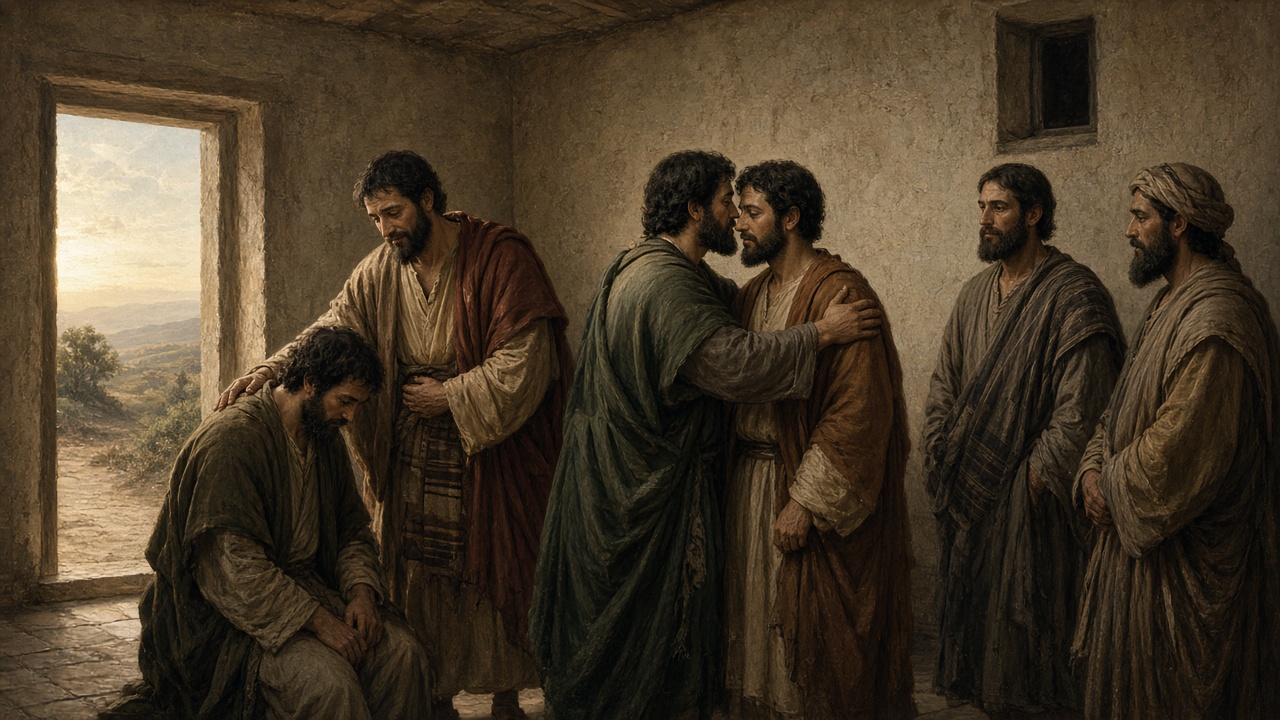
¿Sabías que…?
Despiertos para el Día del Señor
- Este capítulo dice que el Día del Señor vendrá como ladrón en la noche y que la destrucción llegará de repente, como dolores de parto, mientras la gente dice: “Paz y seguridad”. Llama a los hermanos hijos de la luz e hijos del día, y los exhorta a no dormir como los demás, sino a permanecer despiertos y sobrios.Fuentes: el propio texto bíblico
- A quienes pertenecen al día se les pide que sean sobrios y se pongan la coraza de la fe y del amor y el casco de la esperanza de la salvación. El capítulo dice que Dios no los destinó a la ira, sino a obtener la salvación por medio del Señor Jesucristo, quien murió para que, despiertos o dormidos, vivan juntos con él.Fuentes: el propio texto bíblico
- Las palabras finales piden a los hermanos que reconozcan a quienes trabajan con diligencia entre ellos, presiden sobre ellos y los instruyen, teniéndolos en la más alta estima por su trabajo. Se les exhorta a amonestar a los indisciplinados, animar a los desalentados, ayudar a los débiles, ser pacientes con todos y no devolver mal por mal. También se les dice que no apaguen el Espíritu ni traten las profecías con desprecio, sino que prueben todas las cosas, saluden a todos los hermanos con un beso santo y hagan que esta carta sea leída a todos los hermanos.Fuentes: el propio texto bíblico
Notas escritas con ayuda de IA a partir de fuentes abiertas (Theographic Bible Metadata, CC BY-SA 4.0; Easton’s Bible Dictionary, dominio público) y revisadas antes de publicarse.
Créditos y licencia de esta traducción
Nǫ̀htsı̨̨ Nı̨̨htł'è
Dogrib: Dogrib Genesis & New Testament New Testament & Portions of Old Testament
copyright © 2009 Canadian Bible Society
Language: Dogrib
Translation by: Canadian Bible Society
Tłı̨chǫ Genesis and New Testament
About Tłı̨chǫ
Tłı̨chǫ (Dogrib) is a Na-Dene (Athabaskan) language. It is spoken by the First Nations Tłı̨chǫ people in the Northwest Territories in Canada. It has the largest number of speakers of any of the Aboriginal language communities in the NWT, and is one of the official languages of the Northwest Territories.
About This Translation
This translation includes the book of Genesis and the New Testament in Tłı̨chǫ. The first edition of the Tłı̨chǫ New Testament was published in 2003. It was a historic event, as it was the first time in more than a hundred years that a complete New Testament was published for one of the Dene First Nations in the Territories. The first edition was well received and quickly sold out. In the meantime the book of Genesis had been completed. Consequently, the 2008 reprint of the Tłı̨chǫ New Testament included Genesis.
Though this translation of the New Testament and Genesis took a total of ten years, the people who worked on it built on years of labor invested by the Tłı̨chǫ people, elders, priests and missionaries, translators, educators, and linguists. The material contained in this book was checked and approved by consultants from Wycliffe Bible Translators and the Canadian Bible Society.
If you are interested in obtaining a printed copy of this Bible, please contact the Canadian Bible Society at http://www.biblescanada.com .
Copyright Information
Dogrib Genesis and New Testament © 2003, 2008 Canadian Bible Society
The text of the Bible in Tłı̨chǫ that appears in this electronic format or website is for personal use only.
Up to five hundred (500) verses of the Bible text in any form (written, visual, electronic or audio) may be quoted without permission. The quoted verses may not be more than 50% of a complete book of the Bible, or more than 25% of the total text of the work in which they are quoted. Prior written permission must be obtained for any other use of the text. Copyright acknowledgement must in all cases appear on the title or copyright page.
For more information on copyright conditions or to apply, visit http://www.biblesociety.ca/copyright .
This translation is made available to you under the terms of the
Creative Commons Attribution-Noncommercial-No Derivatives license 4.0.
You may share and redistribute this Bible translation or extracts from it in any format, provided that:
You include the above copyright and source information.
You do not sell this work for a profit.
You do not change any of the words or punctuation of the Scriptures.
Pictures included with Scriptures and other documents on this site are licensed just for use with those Scriptures and documents.
For other uses, please contact the respective copyright owners.
2014-04-22
Fuente: http://ebible.org/dgrDOGNT/ · eBible.org