1 Corintios 7
Nǫ̀htsı̨̨ Nı̨̨htł'è · Toca un versículo para ver sus referencias cruzadas.
Dànì ełexè hots'et'ı̨
1T'asìı ghǫ sets'ǫ̀ aahtł'è ı̨lèe sìı wek'e naxıts'ǫ̀ xàyahtı ha. Dǫ honìda-le kò nezı̨ hǫt'e. 2Hanìkò dıì dǫ łǫ hołı̨ı̨ k'ę̀ę̀ ełek'aladèe t'à dǫzhìı gıtaàt'eè xàè gıts'èkeè gǫ̀hłı̨ nı̨dè nezı̨ hǫt'e, eyıts'ǫ ts'èko sı gıtaàt'eè xàè gıdǫǫ̀ gǫ̀hłı̨ nı̨dè nezı̨ hǫt'e. 3Dǫzhìı hǫet'ı̨ı̨ sìı edets'èkeè ghàdìtè ha hǫt'e, eyıts'ǫ ts'èko hoet'ı̨ı̨ sı ededǫǫ̀ ghàdìtè ha hǫt'e. 4Ts'èko hoet'ı̨ı̨ sìı wezhį̀į̀ ededı̨ zǫ wets'ǫ nıìle, wedǫǫ̀ sı wets'ǫ hǫt'e. Eyı xèht'eè dǫzhìı hoet'ı̨ı̨ wezhį̀į̀ sìı ededı̨ zǫ wets'ǫ nıìle, wets'èkeè sı wets'ǫ hǫt'e. 5Į̀łah naxınì k'ę̀ę̀ lenǫsıı ełets'ǫ̀ į̀le dahdı-le. Į̀łah hanì ha dahwhǫ nı̨dè whatsǫǫ̀ Nǫ̀htsı̨ ts'ǫ̀ xàyaahtı ha gòɂǫǫ̀ aahłe gha welè, hanìkò whaà-lea gots'ǫ̀ zǫ aaht'ı̨. Eyı tł'axǫǫ̀-ı̨dè ełets'ǫ̀ anaahde, naxınì nàtso-le t'à wehłı̨ı̨ naxeèhdzà ha sǫnı. 6Hots'et'ı̨ gha nàowo naxıghàehɂǫ dehsı̨į̀-aehsı̨-le, hanìkò dıı hanì hǫaht'ı̨ ha dìì-le dehsı̨į̀-aehsı̨. 7Dǫ hazǫǫ̀ sexèht'eè geeda nı̨dè dehwhǫ. Hanìkò Nǫ̀htsı̨ sìı dǫ hazǫǫ̀ gıtaàt'eè t'asìı eładı̨ı̨ goghàı̨ɂǫ hǫt'e. Dǫ ı̨łè hoet'ı̨ ha weghàhòt'ǫ, eyıts'ǫ dǫ eyıì-le t'asìı eładı̨ı̨ weghàhòt'ǫ hǫt'e.
8Dǫ hoget'ı̨-le eyıts'ǫ ts'èko gıdǫzhıì whìle sìı gıts'ǫ̀ dıı haehsı̨ ha dehwhǫ: Sı̨ hoeht'ı̨-le k'ę̀ę̀ hoget'ı̨-le nı̨dè gıgha nezı̨ hǫt'e. 9Hanìkò gıgha wèhoedı-le nı̨dè honìgııdè kò t'asanìle. Sıì ełegı̨ı̨wǫ nı̨dè honìgedè gıgha denahk'e nezı̨ hǫt'e.
10Dǫ hoget'ı̨ı̨ sìı dıı nàowo gıghàehɂà ha, (sı̨ seyatıì nıìle, hanìkò gots'ǫ̀ K'àowo weyatıì ne): Ts'èko hoet'ı̨ı̨ sìı ededǫǫ̀ ts'ǫǫ̀ xàetła ha-le. 11Hanìkò ededǫǫ̀ ts'ǫǫ̀ xàèhtła nı̨dè eyıì-le dǫzhìı xè hoet'ı̨ ha-le, hanì-le-ı̨dè ededǫǫ̀ xè sıìnagole ha. Eyıts'ǫ dǫzhìı sìı edets'èkeè ɂǫ̀ede ha-le.
12Eyıts'ǫ dǫ eyıì-le sı hazǫǫ̀ gıts'ǫ̀ dıı haehsı̨ ha, (dıı sìı seyatıì ne, gots'ǫ̀ K'àowo weyatıì nıìle): Naxıta gots'ǫ amìı wets'èkeè wegha ehkw'ı-ahodı-le nı̨dè, hanìkò ı̨łaà ededǫǫ̀ xè nàdè ha nıwǫ nı̨dè, eyı dǫzhìı sìı edets'èkeè ɂǫ̀ede ha-le. 13Eyıts'ǫ ts'èko sı wedǫǫ̀ wegha ehkw'ı-ahodı-le, hanìkò ı̨łaà edets'èkeè xè nàdè ha nıwǫ nı̨dè, eyı ts'èko sìı ededǫǫ̀ ɂǫ̀ede ha-le. 14Dǫzhìı wegha ehkw'ı-ahodı-le sìı wets'èkeè ts'ıhɂǫ̀ degaı elı̨ gha wııtà hǫt'e. Eyıts'ǫ ts'èko wegha ehkw'ı-ahodı-le sìı wedǫǫ̀ ts'ıhɂǫ̀ degaı elı̨ gha wııtà hǫt'e. Hanì-le-ı̨dè naxıza degaı agı̨ı̨t'e ha-le ı̨lè, hanìkò dıì degaı agı̨ı̨t'e.
15Hanìkò dǫ wegha ehkw'ı-ahodı-le sìı naxıts'ǫǫ̀ xàetła ha nıwǫ nı̨dè hadeè aweahłe. Hagòjà nı̨dè dǫzhìı wegha ehkw'ı-ahodıı sìı edets'èkeè xè nàdè-le kò, eyıts'ǫ ts'èko wegha ehkw'ı-ahodıı sìı ededǫǫ̀ xè nàdè-le kò. Nǫ̀htsı̨ sìı ts'èwhı̨į̀ ts'eeda gha gòį̀hchì hǫt'e. 16Nı̨ dǫ ts'èkeè nelı̨ı̨ sìı nedǫǫ̀ edaxàwı̨ı̨htè ha hotıì wek'èı̨zǫ nıìle. Nı̨ ts'èko wedǫǫ̀ nelı̨ı̨ sìı nets'èkeè edaxàwı̨ı̨htè ha hotıì wek'èı̨zǫ nıìle.
17Dǫ hazǫǫ̀ gots'ǫ̀ K'àowo edı̨į̀ nègòǫlaa sìı ekǫ geèhkw'e ha hǫt'e, eyıts'ǫ Nǫ̀htsı̨ ayìı ts'ǫ̀ gokayaı̨htıı sìı hagııle. Nǫ̀htsı̨ wecheekeè kǫ̀ta hazǫǫ̀ nàgedèe sìı eyı nàowo gıts'ǫ̀ haehsı̨. 18Dǫ, Nǫ̀htsı̨ yekayaı̨htı kwe Moses wenàowoò k'ę̀ę̀ hòt'a wekwǫ̀ nàat'a ı̨lè nı̨dè eładı̨į̀ awede-le. Dǫ, Nǫ̀htsı̨ yekayaı̨htı kwe wekwǫ̀ nàat'a-le nı̨dè wekwǫ̀ nàt'à adııle-le. 19Dǫ wekwǫ̀ nàt'àa, dǫ wekwǫ̀ nàt'à-le, eyı Nǫ̀htsı̨ wegha wet'àaɂà nıìle. Nǫ̀htsı̨ wenàowoò k'èts'edì eyı t'aa sıì wet'àaɂà hǫt'e. 20Eyıt'à dǫ hazǫǫ̀ Nǫ̀htsı̨ gokayaı̨htı ekò edı̨į̀ geèhkw'e ı̨lèe sìı ekǫ et'ıì geèhkw'e kò. 21Nǫ̀htsı̨ naxıkayaı̨htı ekò dǫ naxıts'ǫ̀ k'àowo ı̨lè nı̨dè, wet'à naxıgha gots'eèdı welè-le, hanìkò edets'ǫ̀ k'aehwho ha naxıgha hòɂǫ nı̨dè haahde. 22Dǫ Nǫ̀htsı̨ yekayaı̨htı kwe wets'ǫ̀ k'àowo gǫ̀hłı̨ nı̨dè gots'ǫ̀ K'àowo Zezì gha edets'ǫ̀ k'àowo elı̨į̀ ajà hǫt'e. Eyı xèht'eè dǫ Nǫ̀htsı̨ yekayaı̨htı ekò edets'ǫ̀ k'àowo elı̨ ı̨lèe sìı Zezì-Krı yets'ǫ̀ K'àowo elı̨į̀ ajà hǫt'e. 23T'asìı deè t'à nànaxèdì hǫt'e, eyıt'à dǫ naxıts'ǫ k'àowo gı̨ı̨lı̨į̀ adeahłe-le. 24Sèot'ı̨ı̨, naxı̨ hazǫǫ̀ Nǫ̀htsı̨ wek'ę̀ę̀ aahda ha hǫt'e eyıts'ǫ dànì Nǫ̀htsı̨ naxıxè hòɂǫǫ̀ ayį̀į̀làa sìı k'ę̀ę̀ aahda.
25Ekò ts'èko hogıat'į̀ whìle sìı gıghǫ gots'ǫ̀ K'àowo t'asasèhdı-le, hanìkò Nǫ̀htsı̨ wesǫnıwǫ t'à ehkw'ı eghàlaehda k'ę̀ę̀ sı̨ dàahwhǫǫ sìı yatı naxıghàehɂà ha: 26Dıì goxè hoìla k'ehokw'o ts'ıhɂǫ̀ honìahdè-le kò nezı̨ hǫt'e dehwhǫ. 27Dǫzhìı, hǫaht'ı̨ nı̨dè naxıts'èkeè ɂǫ̀weahdè-le. Hǫaht'ı̨-le nı̨dè ts'èko hak'èahta-le. 28Hanìkò hǫaht'ı̨ nı̨dè hołı̨ı̨ hòwhàahtsı̨ nıìle, eyıts'ǫ ts'èko hǫat'į̀ı̨ whìle sìı honìdza nı̨dè hołı̨ı̨ hòèhtsı̨ nıìle. Hanìkò amìı honìgedèe sìı dıı nèk'e gıxè hoìla łǫ ha hǫt'e, eyı hoìla naxıts'ǫ ha dehwhǫ nıìle.
29Sèot'ı̨ı̨, whaà-lea gots'ǫ̀ zǫ ts'eeda dehsı̨į̀-aehsı̨. Jǫ gots'ǫ ı̨daà dǫ gıts'èkeè gǫ̀hłı̨ı̨ sìı gıts'èkeè gǫ̀hłı̨-le lanì gııdà, 30dǫ ts'ǫǫ̀gı̨ı̨wǫǫ sìı ts'ǫǫ̀gı̨ı̨wǫ-le lagııt'è, dǫ sìgeèt'ı̨ı̨ sìı sìgeèt'ı̨-le lagııt'è, dǫ t'asìı nàgeehdìı sìı xàè gıts'ǫ nıìle lagııt'è. 31Dǫ dıı nèk'e gots'ǫ t'asìı t'à-aget'ı̨ı̨ sìı gıgha wet'àaɂà-le lagııt'è. Dıı nèk'e dıì dànì hòɂǫǫ sìı whaà-le-t'ıì whìle agode ha t'à, hanì aahda.
32Eyıt'à t'asìı wı̨ı̨zìı ghǫ nànıahdè ha dehwhǫ-le. Dǫzhìı hǫet'ı̨-le sìı Nǫ̀htsı̨ wenàowoò zǫ ghǫ nànıwo hǫt'e. Dànì Nǫ̀htsı̨ wınà hohtsı̨ ha sìı yedaànıwo hǫt'e. 33Hanìkò dǫzhìı hǫet'ı̨ı̨ sìı dıı nèk'e t'asìı łǫ ghǫ nànıwo, eyıts'ǫ dànì edets'èkeè wınà hohtsı̨ ha sìı yedaànıwo hǫt'e, 34eyıt'à wınì ełets'ǫǫ̀ ts'eht'ì lanì. Ts'èko hǫgeet'ı̨-le eyıts'ǫ t'eekogòò gı̨ı̨lı̨ı̨ sìı gots'ǫ̀ K'àowo wenàowoò zǫ daànıgewo hǫt'e. Ts'èko hanıı sìı edezhį̀į̀ eyıts'ǫ edınì t'à Nǫ̀htsı̨ ghàdìtı̨ hǫt'e. Hanìkò ts'èko hǫet'ı̨ı̨ sìı dıı nèk'e t'asìı łǫ ghǫ nànıwo eyıts'ǫ edànì ededǫǫ̀ wınà hohtsı̨ ha sìı ghǫ nànıwo hǫt'e. 35Naxıgha hoezhì ahłe ha dehwhǫ t'à dıı hanì naxıts'ǫ̀ gohde nıìle, hanìkò naxıxè sìghà hòɂǫ ha welè dehwhǫ. Ehkw'ı aahda ha, eyıts'ǫ naxınì nàtso xè Nǫ̀htsı̨ zǫ gha eghàlaahda ha naxeehwhǫ t'à aehsı̨.
36Dǫzhìı ts'èkogòò xè honìda ha yeekèe sìı ts'ǫ̀ nezı̨į̀ k'ehoɂa-le lat'ı̨ nı̨dè, eyıts'ǫ eyı ts'èko weghoò łǫ adaade xè dǫzhìı yexè honìda ha nıwǫ nı̨dè t'asanìle. Eyı dǫ sìı hołı̨ı̨ hohtsı̨ nıìle, eyıt'à yexè honìda ha t'asanìle. 37Hanìkò dǫzhìı honìda ha-le k'ę̀ę̀ edınì whehtsı̨ nı̨dè, eyıts'ǫ edınì ts'ǫ̀ k'àowo nı̨dè, eyıts'ǫ t'eekogòò aakee sìı xè honìda ha-le k'ę̀ę̀ edınì whehtsı̨ nı̨dè, hanıı dǫzhìı sı ehkw'ı at'ı̨ hǫt'e. 38Eyıt'à dǫzhìı ts'èkogòò aakee sìı xè honìdza nı̨dè ehkw'ı at'ı̨ hǫt'e, hanìkò dǫzhìı ts'èkogòò aakee sìı xè honìdza-le nı̨dè eyı sìı denahk'e ehkw'ı at'ı̨ hǫt'e.
39Ts'èko wedǫǫ̀ ełaàwı gots'ǫ̀ wets'ǫ̀ dawhetł'ı̨ lanì hǫt'e. Hanìkò wedǫǫ̀ ełaı̨wo nı̨dè eyıì-le dǫzhìı xè honǫ̀ǫda ha nıwǫ nı̨dè edets'ǫ̀ k'àowo. Hanìkò eyı dǫzhìı sìı Nǫ̀htsı̨ wets'ǫ dǫ elı̨ ha hǫt'e. 40Sı̨ anı̨hwhǫ nı̨dè eyı ts'èko honìdza-le kò denahk'e wınà ha hǫt'e. Sı̨ sı Nǫ̀htsı̨ wets'ǫ Įnì Degaı sets'ǫ̀-èlı̨ dehwhǫ t'à aehsı̨ hǫt'e.
¿Sabías que…?
Consejos sobre el matrimonio y la crisis presente
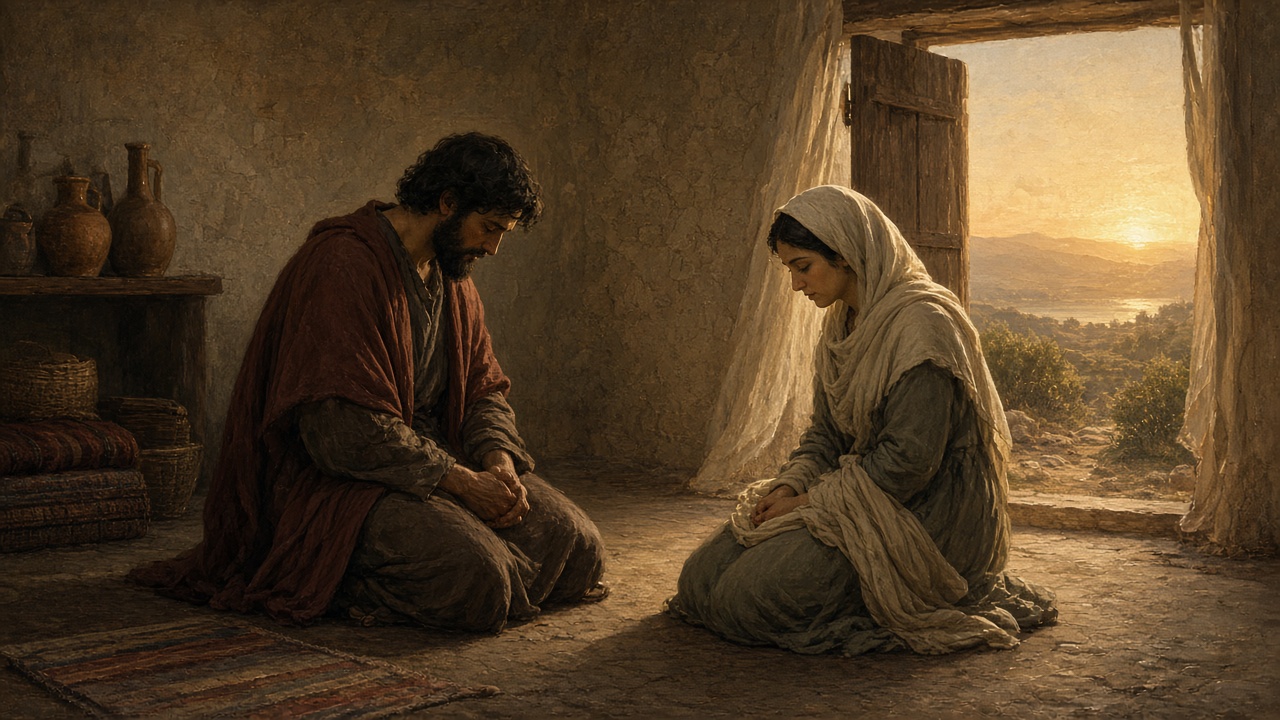
- El capítulo comienza como respuesta a asuntos sobre los que los lectores habían escrito. El autor dice que es bueno abstenerse de las relaciones sexuales, pero, porque hay tanta inmoralidad sexual, cada hombre debe tener su propia esposa y cada mujer su propio esposo. Presenta esto como una concesión, no como un mandamiento, y dice que cada persona tiene su propio don de parte de Dios.Fuentes: el propio texto bíblico
- En el matrimonio, el autor dice que la esposa no tiene autoridad sobre su propio cuerpo, sino el esposo, y del mismo modo el esposo no tiene autoridad sobre su propio cuerpo, sino la esposa. No deben privarse el uno del otro, excepto de común acuerdo y por un tiempo, para dedicarse a la oración, y luego volver a unirse, a fin de que Satanás no los tiente por su falta de dominio propio. El diccionario bíblico de Easton (1897) presenta el nombre Satanás como “adversario” o “acusador”, y señala que tentó a Jesús en el desierto.Fuentes: el propio texto bíblico · Satan
- El autor distingue un mandamiento que atribuye al Señor —la esposa no debe separarse de su esposo, y el esposo no debe divorciarse de su esposa— de su propio juicio, en los casos en que dice que habla él, y no el Señor, incluidos los matrimonios con una persona no creyente y las cuestiones sobre las vírgenes. A causa de lo que llama la crisis presente, y porque dice que el tiempo es corto y que este mundo, en su forma actual, está pasando, considera bueno permanecer como se está. Añade que casarse no es pecar, aunque quienes se casan enfrentarán dificultades en esta vida.Fuentes: el propio texto bíblico
Notas escritas con ayuda de IA a partir de fuentes abiertas (Theographic Bible Metadata, CC BY-SA 4.0; Easton’s Bible Dictionary, dominio público) y revisadas antes de publicarse.
Créditos y licencia de esta traducción
Nǫ̀htsı̨̨ Nı̨̨htł'è
Dogrib: Dogrib Genesis & New Testament New Testament & Portions of Old Testament
copyright © 2009 Canadian Bible Society
Language: Dogrib
Translation by: Canadian Bible Society
Tłı̨chǫ Genesis and New Testament
About Tłı̨chǫ
Tłı̨chǫ (Dogrib) is a Na-Dene (Athabaskan) language. It is spoken by the First Nations Tłı̨chǫ people in the Northwest Territories in Canada. It has the largest number of speakers of any of the Aboriginal language communities in the NWT, and is one of the official languages of the Northwest Territories.
About This Translation
This translation includes the book of Genesis and the New Testament in Tłı̨chǫ. The first edition of the Tłı̨chǫ New Testament was published in 2003. It was a historic event, as it was the first time in more than a hundred years that a complete New Testament was published for one of the Dene First Nations in the Territories. The first edition was well received and quickly sold out. In the meantime the book of Genesis had been completed. Consequently, the 2008 reprint of the Tłı̨chǫ New Testament included Genesis.
Though this translation of the New Testament and Genesis took a total of ten years, the people who worked on it built on years of labor invested by the Tłı̨chǫ people, elders, priests and missionaries, translators, educators, and linguists. The material contained in this book was checked and approved by consultants from Wycliffe Bible Translators and the Canadian Bible Society.
If you are interested in obtaining a printed copy of this Bible, please contact the Canadian Bible Society at http://www.biblescanada.com .
Copyright Information
Dogrib Genesis and New Testament © 2003, 2008 Canadian Bible Society
The text of the Bible in Tłı̨chǫ that appears in this electronic format or website is for personal use only.
Up to five hundred (500) verses of the Bible text in any form (written, visual, electronic or audio) may be quoted without permission. The quoted verses may not be more than 50% of a complete book of the Bible, or more than 25% of the total text of the work in which they are quoted. Prior written permission must be obtained for any other use of the text. Copyright acknowledgement must in all cases appear on the title or copyright page.
For more information on copyright conditions or to apply, visit http://www.biblesociety.ca/copyright .
This translation is made available to you under the terms of the
Creative Commons Attribution-Noncommercial-No Derivatives license 4.0.
You may share and redistribute this Bible translation or extracts from it in any format, provided that:
You include the above copyright and source information.
You do not sell this work for a profit.
You do not change any of the words or punctuation of the Scriptures.
Pictures included with Scriptures and other documents on this site are licensed just for use with those Scriptures and documents.
For other uses, please contact the respective copyright owners.
2014-04-22
Fuente: http://ebible.org/dgrDOGNT/ · eBible.org