1 Corintios 10
Nǫ̀htsı̨̨ Nı̨̨htł'è · Toca un versículo para ver sus referencias cruzadas.
Israel got'ı̨į̀ gıxè dàgoat'į̀ı̨ sìı weghàà nànıahdè
1Sèot'ı̨ı̨, gocho sìı Nǫ̀htsı̨ wets'ǫ k'oh wezhıı agı̨ı̨t'è ı̨lè, eyıts'ǫ tıdeè yìı dexageède ı̨lè, eyı wek'èahsǫ ha dehwhǫ. 2Hazǫǫ̀ Moses xè k'oh yìı eyıts'ǫ tıdeè yìı gık'ètaìdzǫ lagejà ı̨lè. 3Hazǫǫ̀ yak'e gots'ǫ łèt'è degaı ghǫ shègıazhe, 4eyıts'ǫ hazǫǫ̀ Nǫ̀htsı̨ tı goghànııdìı sìı gıadǫ. Nǫ̀htsı̨ wets'ǫ kwe gıxè at'ı̨ı̨ sìı gots'ǫ tı gıadǫ lanì. Eyı kwe sìı Zezì-Krı hǫt'e. 5Hanìkò Nǫ̀htsı̨ sìı gocho deɂǫ̀atłǫ goghǫ wek'èch'a ı̨lè. Eyıt'à ełaàgı̨ı̨dèe t'à, ekìı-ka nèk'e gıkw'ǫǫ̀ k'eanìı̨la.
6Eyı hagòjàa sìı weghàà gocho gıxèht'eè godzeè t'à hołı̨ı̨ ts'ı̨ı̨wǫ ha-le gha hoghàdets'eetǫ gha agòjà hǫt'e. 7Gocho mǫ̀hdaa gıxèht'eè nǫ̀htsı̨ hòèlı̨ı̨ ts'ǫ̀ yaahtı-le. Dıı hanì dek'eèhtł'è, “Dǫ shègezhe xè gedǫ gha łą̀ą nègı̨ı̨de, eyı tł'axǫǫ̀ ededzeè t'à dǫ Nǫ̀htsı̨ k'ègeezǫ-le lanì gıgha sìgoèt'ı̨ xè ełexè sǫnàgedè,” dek'eèhtł'è. 8Gocho mǫ̀hdaa gıxèht'eè gozhį̀į̀ t'à hołı̨ı̨ k'alats'ııdè-le. Įłè dzęę̀ t'à naènǫ-daats'ǫ̀-taı-lemì dǫ haàtłǫǫ ełaı̨dè ı̨lè, eyı wenaahdì. 9Gocho mǫ̀hdaa gıxèht'eè, gots'ǫ̀ K'àowo wets'eèhdzà ha hòɂǫ nıìle. Hagıat'į̀ ts'ıhɂǫ̀ gòocho t'à ełaàgı̨ı̨dè ı̨lè, eyı wenaahdì. 10Eyıts'ǫ gocho mǫ̀hdaa hagı̨ı̨dì lanì, Nǫ̀htsı̨ ts'ǫ̀ sǫahdı-le. Hagı̨ı̨dì ts'ıhɂǫ̀ yak'eet'ı̨į̀ dǫ dıhohtsı̨ı̨ elı̨ı̨ sìı ełaàgòı̨hdè ı̨lè, eyı wenaahdì.
11Goxı̨ dıì nǫǫde dzęę̀ k'e ts'eedaa sìı, eyı hazǫǫ̀ gıts'ǫ̀ hagòjàa sìı wet'à hoghàgoetǫ gha agòjà hǫt'e, eyıts'ǫ wenats'edì ha t'à gogha dek'eèhtł'è hǫt'e. 12Eyıt'à amìı nàhtso edeewǫǫ sìı, hołı̨ı̨ t'à naxık'èchıìtła ch'à edexoahdı! 13Dǫ hazǫǫ̀ hołı̨ı̨ t'à dànì geèdzàa sìı wedaats'ǫ̀ naxeèdzà ha nıìle. Nǫ̀htsı̨ sìı t'aats'ǫǫ̀ goxoehdı ha hǫt'e, naxınì nàtso nahk'e ts'ǫ̀ naxeèdzà anaxele ha nıìle. Hanìkò hołı̨ı̨ t'à naxeèdzà nı̨dè, weghǫahnè ha naxınì nàtsoò ayele ha.
Gots'ǫ̀ K'àowo welıbò eyıts'ǫ // ı̨nìłı̨ı̨ welıbò į̀łah gots'ǫ ts'edǫ ha dìì
14Eyıt'à seàgı̨ą nǫ̀htsı̨ą hòèlı̨ı̨ hazǫǫ̀ xàɂaa ts'ǫ̀ yaahtı ch'à eyıts'ǫ gınàowoò ààhchı ch'à hotıì edek'èahdì. 15Dǫ ehkw'ı nànıgedèe sìı gıts'ǫ̀ gohde aehsı̨ hǫt'e, eyıt'à ayìı dàehsı̨ı̨ sìı asį̀į̀ ehkw'ı gohde lì edegha wedaànıahdè. 16Lıbò wek'eèyats'ehtı xè weghǫ Nǫ̀htsı̨ masì wets'ı̨ı̨hwhǫ nı̨dè Zezì wedoò gogha xàı̨tł'ıı sìı wexè ats'et'ı̨ gha goıtà hǫt'e. Eyıts'ǫ łèt'è tàts'eezhìı xè weghǫ shèts'ezhe nı̨dè Zezì-Krı goghàdį̀htı̨ı̨ sìı wexè ats'et'ı̨ hǫt'e. 17Łèt'è ı̨łè zǫ hǫt'e eyıts'ǫ goxı̨ hazǫǫ̀ eyı łèt'è ı̨łè weghǫ shèts'ezhe t'à, goxı̨ goı̨tłǫ ats'ı̨ı̨t'e kò wezhį̀į̀ ı̨łè zǫ lats'ı̨ı̨t'e.
18Israel got'ı̨į̀ gıdaànıahdè: dǫ Nǫ̀htsı̨ ghàɂaadìı gots'ǫ shètı̨ı̨ sìı dǫ Nǫ̀htsı̨ ghàgı̨ı̨dì xè aget'ı̨ gha gııtà hǫt'e. 19Bò nǫ̀htsı̨ hòèlı̨ı̨ ghàgeedıı sìı t'asìı deè hǫt'e dehsı̨į̀-aehsı̨-le, eyıts'ǫ eyı nǫ̀htsı̨ hòèlı̨ı̨ sìı t'asìı deè elı̨ dehsı̨į̀-aehsı̨-le. 20Į̀le, haehsı̨į̀-aehsı̨-le, hanìkò dǫ Nǫ̀htsı̨ k'ègeezǫ-le sìı ı̨nìłı̨ı̨ ts'ǫ̀ kǫ̀ ghàgeedı hǫt'e, Nǫ̀htsı̨ ghàgeedıì aget'ı̨ nıìle. Eyıt'à ı̨nìłı̨ı̨ gıxè aaht'ı̨ ha naxeehwhǫ nıìle. 21Gots'ǫ̀ K'àowo welıbò eyıts'ǫ ı̨nìłı̨ı̨ welıbò gots'ǫ į̀łah aahdǫ ha dìì hǫt'e. Gots'ǫ̀ K'àowo weladà eyıts'ǫ ı̨nìłı̨ı̨ weladà, į̀łah gots'ǫ shèahzhe ha dìì hǫt'e. 22Gots'ǫ̀ K'àowo ts'ohoedı awets'ele ha hots'eèhdzà ats'et'ı̨ nì? Į̀le, wenahk'e nàts'etso nıìle.
T'asìı hazǫǫ̀ gogha sìghà nıìle
23“T'asìı hazǫǫ̀ gots'ǫ̀ wets'àet'ǫ nıìle,” haahdı sǫnı, hanìkò t'asìı hazǫǫ̀ gogha sìghà nıìle. “T'asìı hazǫǫ̀ gots'ǫ̀ wets'àet'ǫ nıìle,” haahdı sǫnı, hanìkò t'asìı hazǫǫ̀ t'à goınì nàtsoò ade ha nıìle. 24Edegha zǫ nezı̨į̀ k'ehoahɂa-le, hanìkò dǫ eyıì-le dànì gıgha sìghà hòɂǫ ha sìı ghǫ nànıahdè.
25Nàedìı k'è gots'ǫ bò t'alàa-sìı ghǫ shèahzhe, asį̀į̀ ehkw'ı aaht'ı̨, hanì-le-ı̨dè ekǫ-le aaht'ı̨ weghǫ daɂaahke-le, 26dıı hanì dek'eèhtł'èe wek'èts'eezǫ t'à: “Dèè eyıts'ǫ t'asìı hazǫǫ̀ wek'e whelaa sìı gots'ǫ̀ K'àowo wets'ǫ hǫt'e,” dek'eèhtł'è.
27Dǫ wegha ehkw'ı-ahodı-le sìı sexè shènetı̨ nèhdı nı̨dè, eyıts'ǫ nı̨ haneewǫ nı̨dè, weghǫ shèts'ezhee negà nèyı̨ı̨laa sìı hazǫǫ̀ weghǫ shènetı̨. Asį̀į̀ ehkw'ı ne, asį̀į̀ ekǫ-le ne neewǫ t'à, weghǫ daɂı̨hke-le. 28Hanìkò dǫ dıı hanaxèhdı nı̨dè, “Dıı bò sìı nǫ̀htsı̨ą hòèlı̨ı̨ ghàɂaadì hǫt'e,” naxèhdı nı̨dè, weghǫ shèahzhe-le. Dǫ naxıts'ǫ̀ hadıı sìı wegha eyıts'ǫ wınì sı gha eyı bò weghǫ shèahzhe-le. 29Dǫ eyıì-le wınì gha aehsı̨, naxınì gha aehsı̨-le. T'asìı segha ekǫ-le k'ę̀ę̀ nıìle dehwhǫ t'à dǫ eyıì-le gıgha ehkw'ı nıìle sìı ayìıha sesınìyagehtı welì? 30Dǫ gıxè shèhtı̨ gha Nǫ̀htsı̨ masì weehwhǫ nı̨dè, ayìıha eyı ghǫ dǫ sesınìyagehtı welì?
31Eyıt'à t'asìı ghǫ shèahzhe xè t'asìı aahdǫ, eyıts'ǫ t'asìı t'ahoòyį̀ı̨ haahɂı̨ nı̨dè, wet'à Nǫ̀htsı̨ weghàsǫahdı. 32Naxıt'à dǫ wı̨ı̨zìı ekǫ-le awede sǫ̀ǫ̀, Israel got'ı̨į̀, Greece got'ı̨į̀, hanì-le-ı̨dè Nǫ̀htsı̨ wecheekeè hazǫǫ̀ ts'ıɂǫ̀ ageahłe sǫ̀ǫ̀. 33Sı̨ sı dǫ hazǫǫ̀ gıgha sìghà k'ę̀ę̀ eghàlaehda ha edeèhdzà. Sı̨ edegha sìghà zǫ k'ę̀ę̀ eghàlaehda ha dehwhǫ-le, hanìkò dǫ hazǫǫ̀ gıgha sìghà k'ę̀ę̀ ha dehwhǫ, hanì-ı̨dè edahxǫ edaxàgeedè ha welì.
¿Sabías que…?
Advertencias del desierto y la mesa del Señor
- Pablo dice que no quiere que los corintios ignoren que los antepasados estuvieron todos bajo la nube y pasaron todos por el mar, y que fueron bautizados en Moisés en la nube y en el mar. Todos comieron el mismo alimento espiritual y bebieron la misma bebida espiritual de la roca espiritual que los acompañaba, y él afirma que esa roca era Cristo.Fuentes: el propio texto bíblico
- Pablo dice que Dios no se agradó de la mayoría de ellos, pues fueron derribados en el desierto. Menciona la idolatría, la inmoralidad sexual en la que veintitrés mil murieron en un solo día, el poner a prueba a Cristo, que trajo muerte por serpientes, y las quejas, castigadas por el ángel destructor, y llama a esos hechos ejemplos escritos como advertencias.Fuentes: el propio texto bíblico
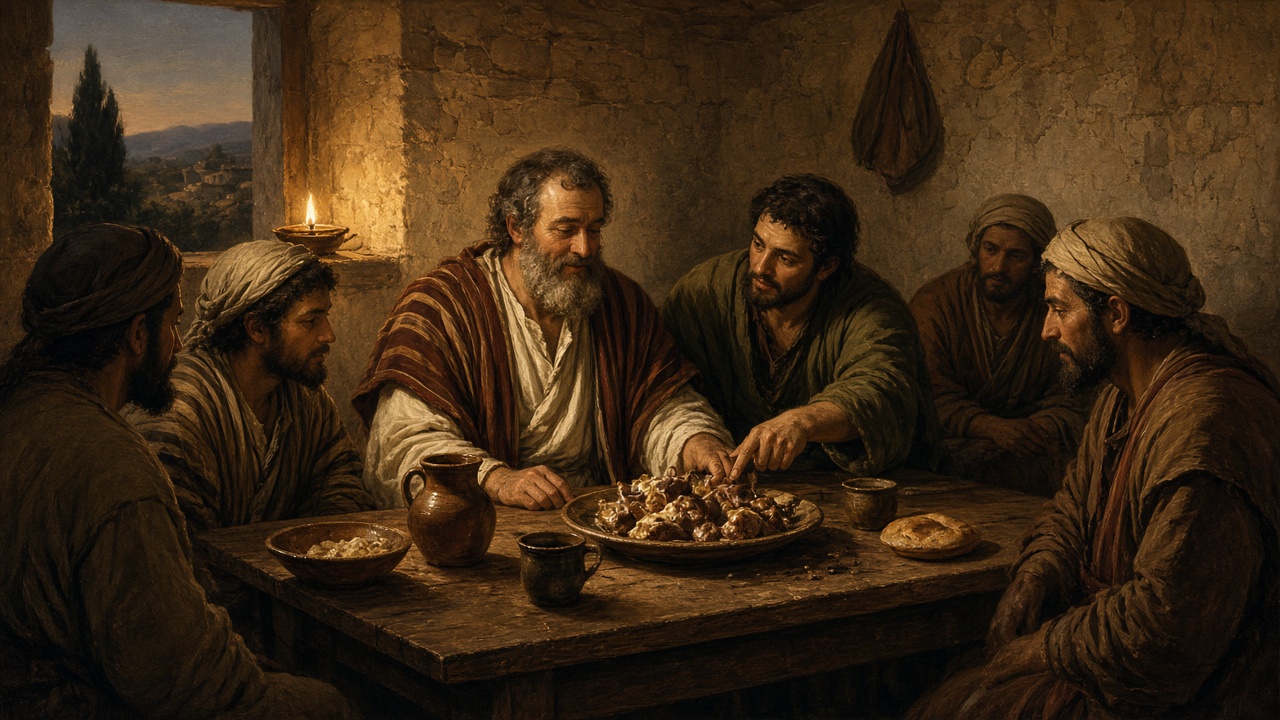
- Llama a la copa de bendición y al pan que se parte una participación en la sangre y el cuerpo de Cristo, y afirma que los sacrificios de los paganos se ofrecen a los demonios, no a Dios, de modo que las dos mesas no pueden compartirse. Lo que se vende en el mercado de carne puede comerse sin plantear cuestiones de conciencia, pues "Del Señor es la tierra y su plenitud", pero si alguien dice que fue ofrecido a los ídolos, conviene rechazarlo por la conciencia de esa persona.Fuentes: el propio texto bíblico
Notas escritas con ayuda de IA a partir de fuentes abiertas (Theographic Bible Metadata, CC BY-SA 4.0; Easton’s Bible Dictionary, dominio público) y revisadas antes de publicarse.
Créditos y licencia de esta traducción
Nǫ̀htsı̨̨ Nı̨̨htł'è
Dogrib: Dogrib Genesis & New Testament New Testament & Portions of Old Testament
copyright © 2009 Canadian Bible Society
Language: Dogrib
Translation by: Canadian Bible Society
Tłı̨chǫ Genesis and New Testament
About Tłı̨chǫ
Tłı̨chǫ (Dogrib) is a Na-Dene (Athabaskan) language. It is spoken by the First Nations Tłı̨chǫ people in the Northwest Territories in Canada. It has the largest number of speakers of any of the Aboriginal language communities in the NWT, and is one of the official languages of the Northwest Territories.
About This Translation
This translation includes the book of Genesis and the New Testament in Tłı̨chǫ. The first edition of the Tłı̨chǫ New Testament was published in 2003. It was a historic event, as it was the first time in more than a hundred years that a complete New Testament was published for one of the Dene First Nations in the Territories. The first edition was well received and quickly sold out. In the meantime the book of Genesis had been completed. Consequently, the 2008 reprint of the Tłı̨chǫ New Testament included Genesis.
Though this translation of the New Testament and Genesis took a total of ten years, the people who worked on it built on years of labor invested by the Tłı̨chǫ people, elders, priests and missionaries, translators, educators, and linguists. The material contained in this book was checked and approved by consultants from Wycliffe Bible Translators and the Canadian Bible Society.
If you are interested in obtaining a printed copy of this Bible, please contact the Canadian Bible Society at http://www.biblescanada.com .
Copyright Information
Dogrib Genesis and New Testament © 2003, 2008 Canadian Bible Society
The text of the Bible in Tłı̨chǫ that appears in this electronic format or website is for personal use only.
Up to five hundred (500) verses of the Bible text in any form (written, visual, electronic or audio) may be quoted without permission. The quoted verses may not be more than 50% of a complete book of the Bible, or more than 25% of the total text of the work in which they are quoted. Prior written permission must be obtained for any other use of the text. Copyright acknowledgement must in all cases appear on the title or copyright page.
For more information on copyright conditions or to apply, visit http://www.biblesociety.ca/copyright .
This translation is made available to you under the terms of the
Creative Commons Attribution-Noncommercial-No Derivatives license 4.0.
You may share and redistribute this Bible translation or extracts from it in any format, provided that:
You include the above copyright and source information.
You do not sell this work for a profit.
You do not change any of the words or punctuation of the Scriptures.
Pictures included with Scriptures and other documents on this site are licensed just for use with those Scriptures and documents.
For other uses, please contact the respective copyright owners.
2014-04-22
Fuente: http://ebible.org/dgrDOGNT/ · eBible.org