Romanos 15
Bigu a tipan: I mahusay a baheta para ta panahun tam · Toca un versículo para ver sus referencias cruzadas.
Diyan Moy Isipén Tu Sarili Moy
1Sikitam a matibay ta péniwala tam, éy dapat a pagtiisan tam i ugali du mehina pabi. Diyan tam isipén i sarili tam san. 2Engˈwan aguman tam pa i kapareho tam, monda tumibay be i péniwala de. 3Da entan moy ti Cristo: éwan na inisip tu sarili na. Da kagi ta kasulatan a tinanggap ni Cristo i étanan a iyamut na tolay ta Diyos. 4I étanan a nesulat to araw ta kasulatan na Diyos, éy monda mapospusan tam, monda umasa kitam ta Diyos ta mahusay. I kasulatan, éy atdinan na kitam ta pégtiyaga tam, sakay patibayén na be i péniwala tam. 5Atdinan kam na Diyos ta pégtiyaga moy sakay ta kétibay na isip moya. Ey i panalangin ko nadid, éy aguman na kam maka, monda négsuyuan kam ta mahusay, ayun ta kaluubén ni Cristo Jesus. 6Kona maka sa, monda négkaguman kam a magpuri ta Diyos. Siya i Ama na Panginoon tam a Jesu Cristo.
7Tinanggap kam na Diyos. Nadid, pati sikam éy tanggapén moy be i bawat esa a kaguman moy, monda mapuri na tolay i Diyos. 8Da tandaan moy, ti Cristo éy inumange ta munduae a tulungan na du Judeo, a monda ipeta na a matapat i Diyos, sakay tinupad na i étanan a nipangako na Diyos du apo-apo de to araw. 9Sakay pati éy inumange be se siya, monda du éwan Judeo, éy purién de i Diyos ta kagbi na dide. Ayun ya ta kagi ni Cristo to kasulatan, a “Purién ta ka ta harap du tolay a éwan Judeo. Sakay purién ta ka ta kanta ko.” 10Sakay te kagi a esa a “Sikam a éwan Judeo, éy kaguman moy be du tolay na Diyos a magpasalamat!” 11“Purién siya a tahod na étanan a tolay ta mundua!” 12Sakay tu kasulatan ni Isayas, i kagi naa éy “Te dumemét a apo ni Hese a ienak. Humayag siya a siya i maghari du éwan Judeo a tolay. Siya i asaan dia.”
13I Diyos i asaan tama. Ménalanginék diya, a atdinan na kam maka ta kasayaan moy sakay ta mapayapa a isip dahil ta péniwala moy diya. Monda i Banal a Espiritu éy patibayén na pa i pag-asa moy diya.
Tu Tungkulin Ni Pablo
14A tétotop ko, méniwalaék a mahusay i ugali moya. Tukoy ko a mépospusan moy dén ta hustu, monda maari kam a négpaalalahanan. 15Pero ta sulatae, éy mahigpit i pégpaala-ala kua dikam tungkul ta sénganya a bagay. Nisulat ko ye dikam ta kaluub na Diyos diyakén 16a naging utusanék ni Cristo. I tungkulin kua éy tulungan ko du éwan Judeo a tolay, da sakén i méngipahayaga dide ta Mahusay a Baheta. Mara sakén i méngatéda ta Diyos du éwan Judeo a tolay. Ey tanggapén na side, da pinabanal side na Banal a Espiritu. 17Dahil ta pékiagum ko ni Cristo Jesus, éy mésayaék ta tarabaho ko ta Diyos. 18I éasaan ko sana, a pégkagian ko, éy tu nipagimet ni Cristo diyakén, monda maakit ko du éwan Judeo a tolay, monda méniwala side ta Diyos. Ey inakit ko dén side ta kagi ko sakay ta tarabaho ko be, 19sakay tanda a makataka-taka, sakay ta tulung na kapangyarian na Banal a Espiritu. Kanya sakén, sapul ta Jerusalem hanggan ta Iliriko, éy nipahayag ko dén i Mahusay a Baheta tungkul ni Cristo. 20Saya i hangad kua, a méngipahayagék ta Mahusay a Baheta ta maski ahe a lugar a éwan de pabi tukoy ti Cristo, monda éwanék magtoldu ta natolduan dén na iba. 21Da kagi na kasulatan, éy “Du éwan pabi nakabaheta ta tungkul diya, éy mabaheta de, a mapospusan de dén.”
Tu Gayak Ni Pablo
22Kanya éwanék pabi sina makaange dikam, da mégtolduék pabi ta éye. 23Pero nadid, da natapos dén i tarabaho ko di banuwan a éye, éy mégayakék a bumisita dikam ta Roma. Nale a panahun éy gustu ko dén a bumisita dikam. Ey nadid gayak ko a tumulos dikam ta péglakad ko ta Espanya. I asaan ko bia, éy tulunganék moy be, monda makatulosék ta Espanya.
25Pero nadid, éy méglakadék pa ta Jerusalem, monda kébilén ko pa sa i tulung me a para du Judeo a méniwala ni Jesus ta éya, 26da te tolay a mehirap ta éya. Ey du tétotop tam ta Masedonia sakay ta Akaya, pékabaheta de a te hirap du Judeo ta Jerusalem, éy négambagen side ta para dide. 27Nalowas side tu isip a négambagen. Ey talaga a dapat a tumulung side du Judeo a te hirap, da éwan side Judeo. Ey du éwan Judeo éy te kabahagi side nadid ta kaluub na Diyos du Judeo. 28Kanya sakén, péngitugén ko ta ambag de ta Jerusalem, éy tumulosék dikam ta Roma, ta péglakad ko ta Espanya. 29Ey kédemét ko sina, éy agumanék ni Cristo, monda maariék a mégkagi dikam ta kaigian moy.
30Nadid, a tétotop ko, te kaginék dikam. Alang-alang ta Panginoon tam a Jesu Cristo, sakay ta pégmahal moy diyakén a gébwat ta Espiritu, éy tulunganék moy ta panalangin moy diyakén. 31Ipanalanginék moy a alagaanék na Diyos du éwan méniwala ta Hudea a kontara diyakén. Sakay du Judeo a méniwala ta Jerusalem, manalangin kam pad a tanggapén de tu itugén ko dide a tulung a gébwat du éwan Judeo. 32Ipanalanginék moy, monda éng kaluuben na Diyos, éy makademéték dikam a mahusayék tu isip, monda makatulosék dikam ta mahusay a kéimang ko. 33Edsina maka dikam ta mahusay i Diyos. Siya i kégébwatan na mapayapa a isip tam. Kona sa.
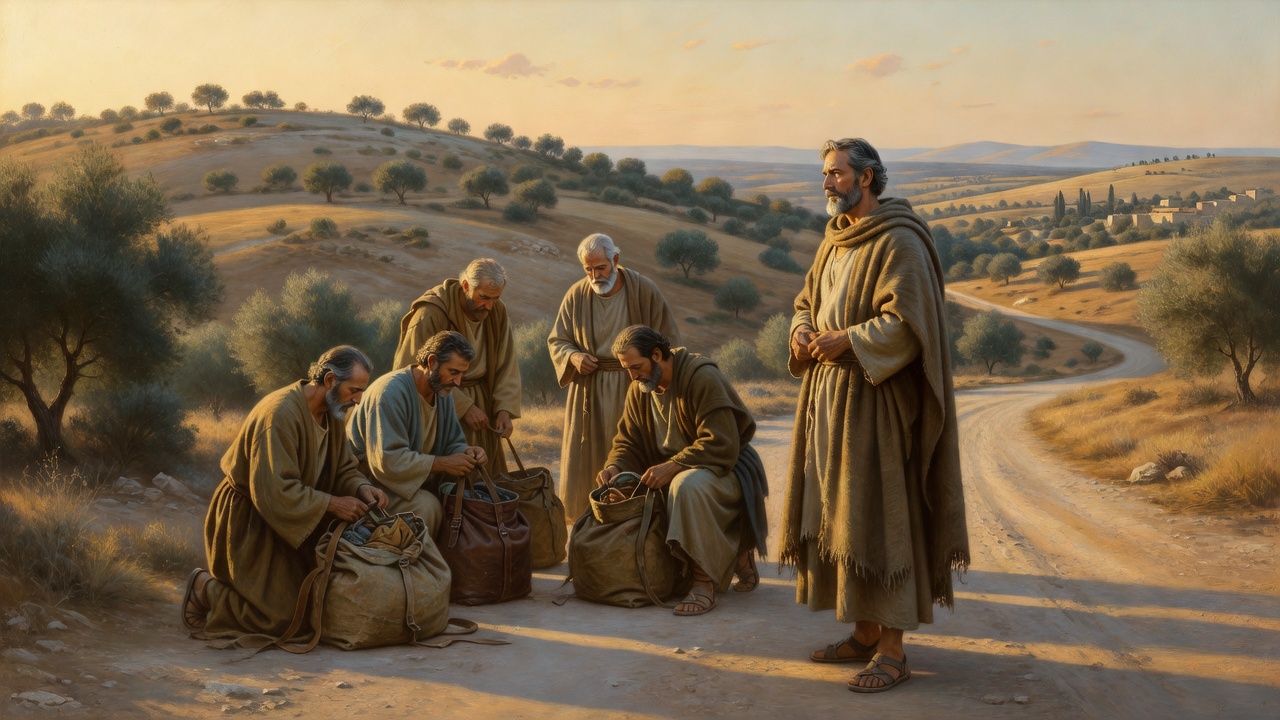
¿Sabías que…?
La esperanza de los gentiles y el camino hacia el oeste
- Pablo escribe que ha proclamado plenamente el evangelio de Cristo desde Jerusalén, dando toda la vuelta hasta Ilírico. El diccionario bíblico de Easton (1897) sitúa esa región al noroeste de Macedonia, en las costas orientales del Adriático, y la describe como entonces comprendida casi por completo en Dalmacia; dice que la recorrió en su tercer viaje misionero, que fue el distrito más lejano al que había llegado predicando, y que un viaje por Macedonia lo habría llevado hasta sus fronteras.Fuentes: el propio texto bíblico · Illyricum
- Espera ver a los creyentes de Roma de camino a España y, después de entregar en Jerusalén la contribución de Macedonia y Acaya, partir hacia España pasando por ellos. El diccionario bíblico de Easton (1897) registra esa intención, pero señala que no hay evidencia de que la haya llevado a cabo, aunque algunos piensan que probablemente lo hizo entre su primer y su segundo encarcelamiento.Fuentes: el propio texto bíblico · Spain
- Citando a Isaías, dice que la Raíz de Isaí aparecería y se levantaría para gobernar a los gentiles, y que los gentiles pondrían en él su esperanza. Isaí fue el padre de David, y el diccionario bíblico de Easton (1897) dice que la expresión raíz de Isaí se usa para el Mesías, mientras que tallo de Isaí se usa para la familia de David.Fuentes: el propio texto bíblico · Jesse
Notas escritas con ayuda de IA a partir de fuentes abiertas (Theographic Bible Metadata, CC BY-SA 4.0; Easton’s Bible Dictionary, dominio público) y revisadas antes de publicarse.
Lugares de este capítulo
- Illyricum · 43.539, 16.483 · versículo 19
- Jerusalem · 31.777, 35.234 · versículos 19, 25, 26, 27, 31
- Rome · 41.892, 12.485 · versículo 24
- Spain · Hoy: Hispania · 40.210, -4.350 · versículos 24, 28
- Achaia · 38.720, 22.540 · versículo 26
- Macedonia · 41.600, 22.540 · versículo 26
- Judea · Hoy: Judea 1 · 31.777, 35.234 · versículo 31
Solo aparecen lugares identificados con alta confianza (90 % o más según las fuentes académicas reunidas por OpenBible). Mapa de la época: DARE (Digital Atlas of the Roman Empire), CC BY 4.0; mapa actual: © colaboradores de OpenStreetMap; lugares: OpenBible.info (CC BY 4.0).
Créditos y licencia de esta traducción
Bigu a tipan: I mahusay a baheta para ta panahun tam
New Testament in Agta, Casiguran Dumagat
copyright © 1979 Wycliffe Bible Translators, Inc.
Language: Casiguran Dumagat Agta (Agta, Casiguran Dumagat)
Translation by: Wycliffe Bible Translators
Contributor: Wycliffe Bible Translators, Inc.
Copyright Information
© 1979, Wycliffe Bible Translators, Inc. All rights reserved.
This translation text is made available to you under the
terms of the Creative Commons License: Attribution-Noncommercial-No Derivative Works.
( http://creativecommons.org/licenses/by-nc-nd/3.0/ )
In addition, you have permission to port the text to different file formats, as long as you
do not change any of the text or punctuation of the Bible.
You may share, copy, distribute, transmit, and extract portions
or quotations from this work, provided that you include the above copyright
information:
You must give Attribution to the work.
You do not sell this work for a profit.
You do not make any derivative works that change any of the actual words or punctuation of the Scriptures.
Permissions beyond the scope of this license may be
available if you contact
us with your request.
The New Testament
in Agta, Casiguran Dumagat
© 1979, Wycliffe Bible Translators, Inc. All rights reserved.
This translation is made available to you under the terms of the
Creative Commons Attribution-Noncommercial-No Derivatives license 4.0.
You may share and redistribute this Bible translation or extracts from it in any format, provided that:
You include the above copyright and source information.
You do not sell this work for a profit.
You do not change any of the words or punctuation of the Scriptures.
Pictures included with Scriptures and other documents on this site are licensed just for use with those Scriptures and documents.
For other uses, please contact the respective copyright owners.
2015-03-17
Fuente: http://ebible.org/dgc/ · eBible.org