Mateo 3
Dai Cangcim Kthai · Toca un versículo para ver sus referencias cruzadas.
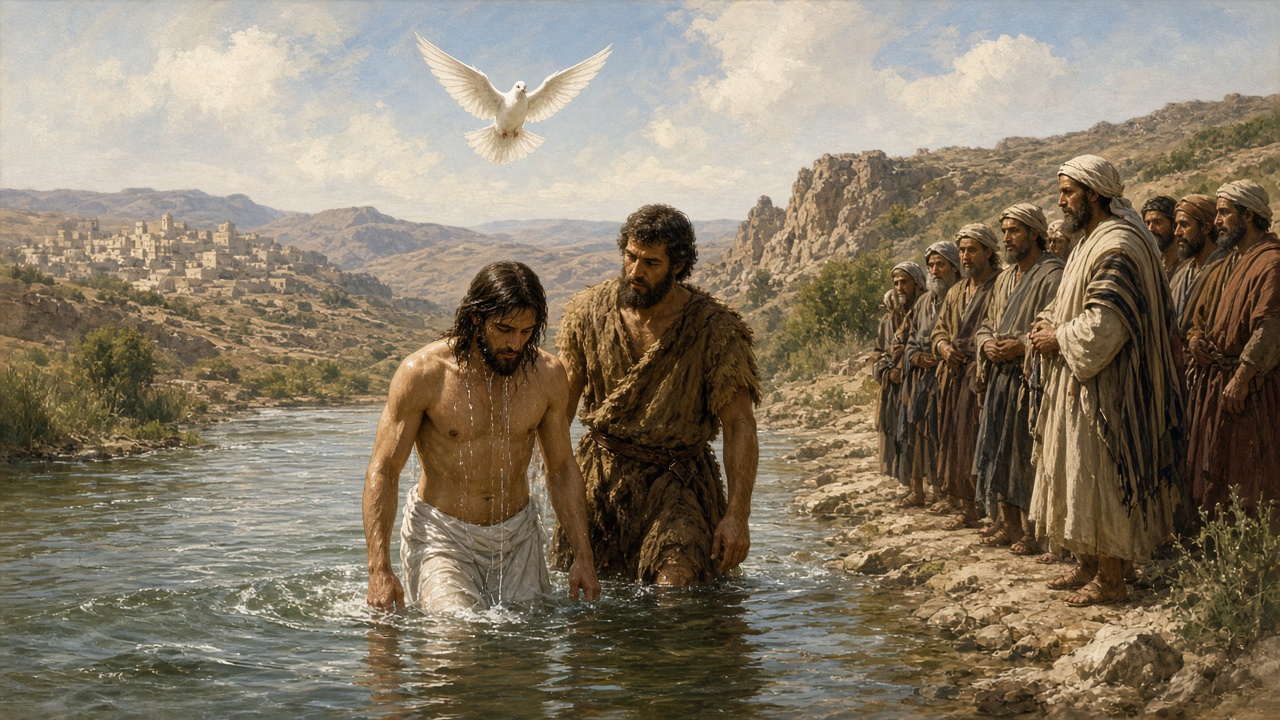
Baptican Johana ngthu pyen
1Acun k'um üng Baptican Johan naw Judah khaw khawmkyang khawa law lü ngthu a pyen ta, 2“Nami mkhyekatnak üngka naw nghlat be hnüh ua. Isetiakyaküng Pamhnama khaw ng'et law ve” ti lü a pyen. 3Ahin va sahma Hesajah naw a pyen, khawmkyang khawa khyang mat, “Bawipa lam cun pyan u lü, a lam he cen jah ngsungsak ua” ti lü ngpyangki.
4Johan cun naw sanghngüksaüa mu am ami pyang kcu suisa lü, savun ksawmyüi vawp lü, mkhaü ja mawkpyawnga ka khawitui jah ei lü awmki. 5Jerusalem, Judah hne alum ja Jordan mliktui peia ka khyang he cun a veia cit u lü, 6Ami mkhyekatnak he jah phyah u se Jordan tui am Baptican a jah pet.
7Pharise he ja Saduke he a veia Baptican kham khaia lawki he a jah hmuh üng, “Nangmi kphyu he, Pamhnama mlungso lawnak vai üngkhyüh nami lät khaia u naw a ning jah mtheh ni?” 8Acunakyase, akcanga nami ngjut a ngsing vaia nami ngtheipai am mdan ua. 9Abraham cun kami pu ania phäh mkhyekatnak üngka naw nami lät khaia käh ngai kawm uki, “Ngai ua, ning jah mtheh veng, Pamhnam cun hina lunge pi Abrahama ca he vaia jah pyang khawhki ni.” 10Acunakyase, akdawa am ngtheiki thing naküt cun jah khyu lü mei üng jah mkhih vaia, xäi cun thing phunga msäm päng ni. 11Nangmi nami ngjut vaia kei naw tui am baptican ka ning jah peki. Cunsepi ka hnua lawki mat awmki, ani cun keia kthaka hlüngtai bawki, kei cun ania khawdawkyüi sut khaia pi am ka nglawiki ni. Ani naw Ngmüimkhya Ngcim la mei am baptican ning jah pe khai. 12A hlawnga cang hjapnak vai kphya awmki ni, angtak he cun kheia jah ta lü, anghi he cun am thih theikia mei üng jah mkhih khai, a ti.
Jesuha Baptican khamnak
13Acunüng, Jesuh cun Kalile üngkhyüh Johana veia baptican khan khaia Jordan mliktui da lawki. 14Cunsepi, Johan naw a na mah lü, “Kei va nanga veia Baptican ka khan khai sü, ivaia ka veia ksaia na lawki ni?” a ti.
15Acunüng pi, Jesuh naw msang lü, “Pamhnama ngjak hlü mi pawhkia kya lü ahikba kya se,” ti se, Johan naw kcangnaki.
16Baptican a khan päng ja, Jesuh tui üngka naw tho law beki. Acunüng khankhaw a vei da nghmawng law lü, Pamhnama Ngmüimkhya cun müma mäiha a khana ngaw law se Jesuh naw a hmuh. 17Acunüng, khankhaw üngka naw kthai pha lawki ta, “Hin cun ka mhläkphyanak kcanga ka capa ni, ani cun angläta ka jenak ni,” tia kyaki.
¿Sabías que…?
Arrepentimiento y bautismo en el Jordán
- Mateo identifica a Juan el Bautista como aquel de quien habló el profeta Isaías: una voz que clama en el desierto: “Preparen el camino del Señor”. El Diccionario Bíblico de Easton (1897) registra que la misión de Juan fue objeto de profecía, al citar este pasaje, Isaías 40:3 y Malaquías 3:1, y que era de linaje sacerdotal: su padre Zacarías, sacerdote del turno de Abías, y su madre Elisabet, de las hijas de Aarón. Una cronología fecha tanto el inicio del ministerio de Juan como su bautismo de Jesús en el año 26 d. C.Fuentes: el propio texto bíblico · John the Baptist · John the Baptist Begins Ministry · John Baptizes Jesus
- Juan vino predicando en el desierto de Judea, y personas de Jerusalén, de toda Judea y de toda la región alrededor del Jordán salieron a su encuentro, confesando sus pecados y siendo bautizadas en el río Jordán. El Diccionario Bíblico de Easton (1897) señala que, bajo los romanos, en el tiempo de Cristo, Judea designaba la más meridional de las tres divisiones de Palestina, distinta de Galilea y Samaria, e incluía los territorios de Judá, Benjamín, Dan, Simeón y parte de Efraín. Jesús vino de Galilea —llamada Galil por los judíos— al Jordán para ser bautizado por Juan.Fuentes: el propio texto bíblico · Judea · Galilee
- Juan advirtió a los fariseos y saduceos que no se apoyaran en la afirmación “Tenemos a Abraham por padre”, diciendo que Dios podía levantar hijos para Abraham de entre las piedras. El Diccionario Bíblico de Easton (1897) explica el nombre Abraham como “padre de una multitud” y lo describe como hijo de Taré, nombrado antes que sus hermanos mayores porque era el heredero de las promesas.Fuentes: el propio texto bíblico · Abraham
Notas escritas con ayuda de IA a partir de fuentes abiertas (Theographic Bible Metadata, CC BY-SA 4.0; Easton’s Bible Dictionary, dominio público) y revisadas antes de publicarse.
Lugares de este capítulo
- Judea · Hoy: Judea 1 · 31.777, 35.234 · versículos 1, 5
- Jerusalem · 31.777, 35.234 · versículo 5
- Jordan · Hoy: Jordan River · 31.761, 35.558 · versículos 5, 6, 13
- Galilee · 32.760, 35.527 · versículo 13
Solo aparecen lugares identificados con alta confianza (90 % o más según las fuentes académicas reunidas por OpenBible). Mapa de la época: DARE (Digital Atlas of the Roman Empire), CC BY 4.0; mapa actual: © colaboradores de OpenStreetMap; lugares: OpenBible.info (CC BY 4.0).
Créditos y licencia de esta traducción
Dai Cangcim Kthai
The New Testament in the Dai Chin language of Myanmar
copyright © 2018 The Word for the World International
Language: Daai (Chin, Daai)
Contributor: The Word for the World Southeast Asia
The New Testament in Dai
published as
DAI CANGCIM KTHAI
The Word for the World International
This translation is made available to you under the terms of the
Creative Commons Attribution license 4.0.
You may share and redistribute this Bible translation or extracts from it in any format, provided that:
You include the above copyright and source information.
If you make any changes to the text, you must indicate that you did so in a way that makes it clear that the original licensor is not necessarily endorsing your changes.
Pictures included with Scriptures and other documents on this site are licensed just for use with those Scriptures and documents.
For other uses, please contact the respective copyright owners.
Note that in addition to the rules above, revising and adapting God's Word involves a great responsibility to be true to God's Word. See Revelation 22:18-19.
2023-04-09
Fuente: http://ebible.org/dao/ · eBible.org