1 Pedro 2
Jamaw ta Marbinto: Kabarre ta Gala ɗo bi ka Iisa Masi iŋ daŋla · Toca un versículo para ver sus referencias cruzadas.
1Ŋaar-ak, gamin okin̰co kuuk naako kaawe-aŋ, rasoŋgu : motol, raade, kaaw taat iŋ biŋka di, hasuudinaw ho ose ka geemir. 2Kar gay, ar koogin kuuk daaɓinco wee ho ŋu raka a illa ŋu see buw ku aginiyco, kuŋko oki, bariyoŋ Kaaw ta Buŋdi. Kaaw-at, taar ar buw kuuk cawar kuuk gaayaako kuu maaɗe ɗo imaanko, paa kat, kuu gase jile. 3Ka seener, Kitamne kaaw aman : « Ku aawit ko selliŋkaw ta *Rabbin Buŋ. »
Gee ku Buŋdi ar dambay ku gerdi
4Sin̰joŋ moota ɗo Rabbin Iisa. Rabbin Iisa-ak, ŋaar ar dambi kaak samaane ka pinindi, kar gay, ŋa goy mento. Awalle, gee poocig ar dambi kaak maala. Kar Buŋ gay doɓga ho ŋa kaalin aale ɗo uŋji. 5Kuŋko oki ar dambay kuuk goy mento. Ŋaar-ak, ginoŋ a kuu kuuniye ar dambay kuuk ŋu soktu ho ŋu piniig ger ka Ruwwin ta Buŋdi. Ampaa ko, kuu gine ar gay satkiner ɗo uŋji ka Buŋdi, kuu ginin riyoy, ho ɗo saan ta Iisa Masi, Buŋ yaa ooyin riy-ata. 6Asaan Buŋ kaaw ɗo Kitamner aman :
« Taloŋ, aŋ ko dambi kaak nu doɓtu.
Nu diyaag ɗo geeger ka Siyon.
Ɗo dambi-aŋ ko, dambay ku pey yaa oske kuwa.
Waan kaak aamin loci, sokan̰ diyaagɗo tak-tak. »
7Ɗo kuŋ kuuk aamine, dambi ŋaar-aŋ ar maan kaak kaalin aale. Kar ɗo ŋuur kuuk bal aamineŋ gay,
« Dambi-ak, gay pinindi acciga.
Kar gay, ŋaar ko gin dambi ka pinindi
kaak pakgig een̰ji serek. »
8Kitamne kaaw pey aman :
« Ŋa dambi ka batkindi.
Ŋaar di oki kaak solla gee. »
Gee kuuk bal aamine-ak batkiyo, asaan ŋu pooc karmiyin kaaw ta Buŋdi. Taar-an ko taat eraagu.
9Kar kuŋko gay, kuŋ tamba taat Buŋ doɓtu, kuŋ gay satkiner ku sultan, kuŋ darre taat geenti *cawar ho kuŋ ko gee ku Buŋdi. Ŋa imiliŋko min ɗo gondikor ho ŋa iyiŋko ɗo portikaw a kuu gaare gamin okin̰co kuuk ajbay ŋa gintu. 10Awalle, ku gee ku Buŋdiɗo. Kar diŋ gay, ku gin geen̰ji. Awalle, Buŋ bal tale aminduwko. Kar diŋ gay, ŋa tala aminduwko.
Goye ka gay riyor ku Buŋdi
11Gem kol roynay ku bitu, kuŋ kuuk ar awraatinna ho marti ɗo kiɗar, nu kaawaako : goyoŋ goɗom min galal ta ziŋkiko taat nigaako ɗo uŋji ka Buŋdi. 12Goyoŋ goye kaak samaane ɗo ɗatikco ta gee kuuk ibanno Buŋ. Ampaa ko, ya ŋu osaako ho ŋu talaako ar gee kuuk jookum sa, ya ŋu talaat riy taat samaane ku giniy-at, ŋuu ibinin riy-ata ho ŋuu ozile Buŋ ɗo ƴiriy taat ŋaa ase.
13Ɗo saan ta ele ka Rabbiner, karmiyoŋ gee okin̰co kuuk hokumiyaako. Sultan ka tatiko, karmiyoŋga asaan ŋa pakgig kuuk hokumiya okin̰co. 14Guberneerna, karmiyoŋgu asaan ŋa n̰aamgu a ŋuuco ɗukume seriin ɗo ŋuur kuuk gina taat samaanno ho ŋuu ozilin̰ kuuk gina taat samaane. 15Asaan ka seener, maan kaak Buŋ rakiy-ak, illa kuu ginguwe sellen̰ a paa kat kuu sokumin̰ biŋkico ku gee kuuk oliyay ho kuuk ibanno maanna-aŋku. 16Dakoŋ goyenno ar ɓerrin ku zunuubinnar. Goyoŋ ar gee kuuk gas ko kaƴco. Kar gay, dakoŋ talin̰jiɗo gase ka kaƴko-ak ar maan kaak kuu cigilin oorinko. Illa gay, kuu gine ar gay riyor ku Buŋdi. 17Ampa-ak, beroŋ horoomin ɗo gee okin̰co, elguwoŋ siŋtiko, ginoŋ kolaw ɗo Buŋdi ho karmiyoŋ sultan ka tatiko.
Botol taat Iisa Masi gaariite
18Kuŋ kuuk gay riyor, karmiyoŋ geeŋko iŋ gelbin rakki. Dakoŋ karmiyenno ŋuur kuuk ginaako samaane ho elgiikon di. Karmiyoŋ oki ŋuur kuuk ginaako raɗa. 19Ka seener gay, ɗo bi ka karaamin ta Buŋdi, ya gem ic subirraw wiktin taat ŋu taaɓiyaag bal botol, ŋa gin maan kaak samaane. 20Ya ŋu taaɓiyaako asaan ku nig maanna-ak, waa yaako oziliŋko ? Kar gay, ya ku bal nige maanna ho ŋu taaɓiyaako, ya ku subir ɗo wiktin-anta, taar-at ko samaane ɗo uŋji ka Buŋdi. 21Ɗo taar-an ko, Buŋ koliŋko. Asaan meen̰ji Iisa Masi taaɓiy ɗo saan taŋko. Ansi-ak, ŋa gaarko botol a kuu aaɗin̰ji.
22Ŋa bal gine zunuubinna
ho ƴiriy rakki, raadin bal amile min ɗo biy.
23Ŋu warga, kar gay, ŋa bal telke iŋ wariya.
Ŋu taaɓiyaaga, kar gay, ŋa balco kaawe
a ŋuur oki asa aawe taaɓine.
Illa ŋa rasig iŋ Buŋ kaak ɗukuma seriin iŋ botilti.
24Kuwa ka et kaak ŋu ɗooɗiiga,
ŋa icig zunuubinnite ɗo kaay.
Ŋa gintu ampa-ak a zunuubinna diyaatenno pey pise.
Ho gii goye goye kaak iŋ botiliy ɗo uŋji ka Buŋdi.
Ka seener, iŋ mutiyji-ak ko, ku gastu aapiy tak-tak.
25Awalle, ku goy ar tamgi kuuk rawte. Kar diŋ gay, ku gin ko gay gooƴindi kaak tala kaako.
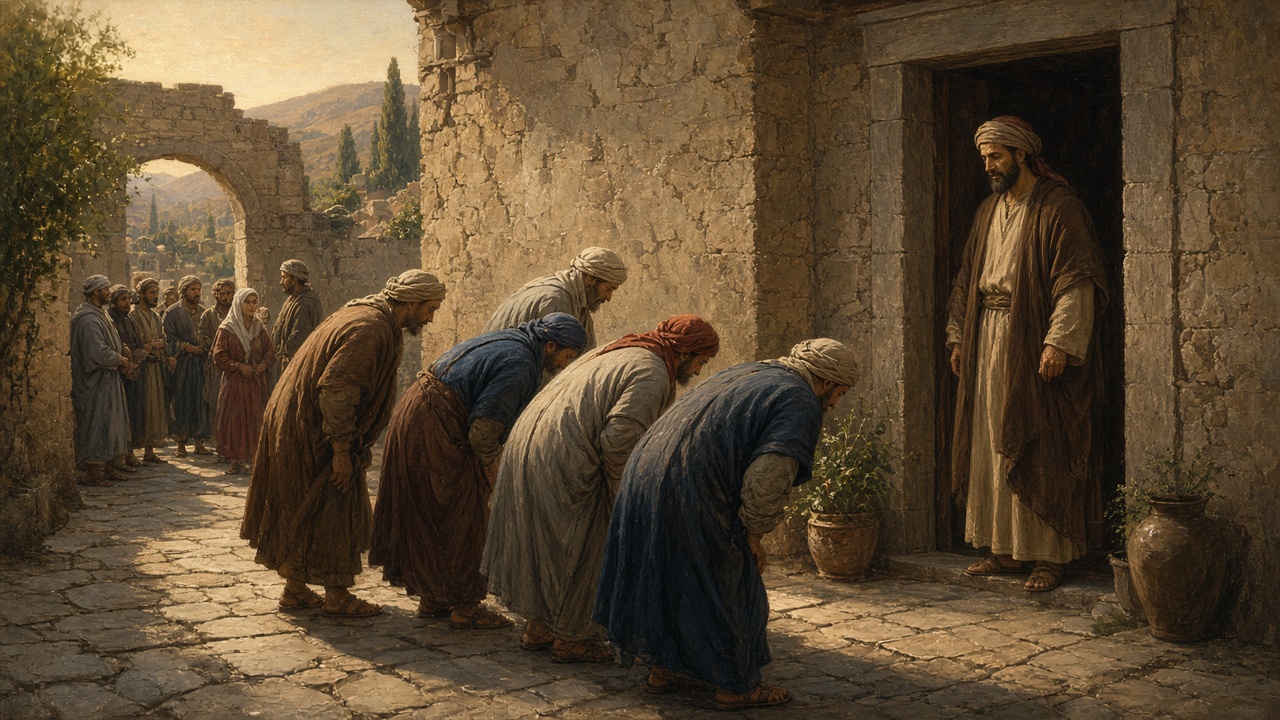
¿Sabías que…?
Piedras vivas y un pueblo escogido
- Este capítulo cita la Escritura acerca de una piedra angular escogida y preciosa puesta en Sion: quien cree en ella jamás será avergonzado. Sion era la colina del sureste de Jerusalén, una de las alturas sobre las que se construyó la ciudad, rodeada de valles profundos por todos lados excepto el norte.Fuentes: el propio texto bíblico · Zion
- David tomó Sion de los jebuseos, construyó allí una ciudadela y un palacio, y la colina llegó a conocerse como la ciudad de David. La carta usa ese nombre de lugar al citar la Escritura acerca de una piedra angular puesta en Sion, y describe a los lectores como piedras vivas edificadas como casa espiritual y sacerdocio santo.Fuentes: Zion · el propio texto bíblico
- El capítulo exhorta a someterse, por causa del Señor, a toda institución humana: al rey, como autoridad suprema, y a los gobernadores enviados para castigar a los que hacen el mal y elogiar a los que hacen el bien. Dice a los siervos que respeten incluso a los amos que actúan sin razón, y presenta el sufrimiento de Cristo —sin pecado, sin engaño, sin amenazas y sin represalias— como modelo para soportar el dolor injusto.Fuentes: el propio texto bíblico
Notas escritas con ayuda de IA a partir de fuentes abiertas (Theographic Bible Metadata, CC BY-SA 4.0; Easton’s Bible Dictionary, dominio público) y revisadas antes de publicarse.
Lugares de este capítulo
- Zion · Hoy: Jerusalem · 31.777, 35.234 · versículo 6
Solo aparecen lugares identificados con alta confianza (90 % o más según las fuentes académicas reunidas por OpenBible). Mapa de la época: DARE (Digital Atlas of the Roman Empire), CC BY 4.0; mapa actual: © colaboradores de OpenStreetMap; lugares: OpenBible.info (CC BY 4.0).
Créditos y licencia de esta traducción
Jamaw ta Marbinto: Kabarre ta Gala ɗo bi ka Iisa Masi iŋ daŋla
New Testament in Dangaléat (CD:daa:Dangaléat)
copyright © 2012 Wycliffe Bible Translators, Inc.
Language: Dangaléat
Translation by: Wycliffe Bible Translators, Inc.
Copyright Information
© 2012, Wycliffe Bible Translators, Inc. All rights reserved.
This translation text is made available to you under the
terms of the Creative Commons License: Attribution-Noncommercial-No Derivative Works.
( http://creativecommons.org/licenses/by-nc-nd/3.0/ )
In addition, you have permission to port the text to different file formats, as long as you
do not change any of the text or punctuation of the Bible.
You may share, copy, distribute, transmit, and extract portions
or quotations from this work, provided that you include the above copyright
information:
You must give Attribution to the work.
You do not sell this work for a profit.
You do not make any derivative works that change any of the actual words or punctuation of the Scriptures.
Permissions beyond the scope of this license may be
available if you contact
us with your request.
The New Testament
in Dangaléat
© 2012, Wycliffe Bible Translators, Inc. All rights reserved.
This translation is made available to you under the terms of the
Creative Commons Attribution-Noncommercial-No Derivatives license 4.0.
You may share and redistribute this Bible translation or extracts from it in any format, provided that:
You include the above copyright and source information.
You do not sell this work for a profit.
You do not change any of the words or punctuation of the Scriptures.
Pictures included with Scriptures and other documents on this site are licensed just for use with those Scriptures and documents.
For other uses, please contact the respective copyright owners.
2021-11-01
Fuente: http://ebible.org/daaNT/ · eBible.org