Apocalipsis 6
Majepacʉ jʉ̃menijicʉi yávaiye mamaene coyʉitucubo · Toca un versículo para ver sus referencias cruzadas.
Juan ʉ̃i coyʉino iye siete paiyabea jãjariyabearã
1No yóbore, jã́cacʉ Cristore, ovejajĩcʉ ne aimʉre, burayʉre cũináyabede iye siete paiyabea jãjariyabeaquede. Aru jápiacacʉ cũinácʉ ina apʉrivʉcacʉ ayʉre ʉ̃i yávaino bʉjinoque yópe õpo tʉinope. Yópe arĩ, “Dajacʉ”, áme ʉ̃. 2Jã́cacʉ cũinácʉ caballo bocʉre. Ñai tubacʉ ʉ̃́ra cʉvacʉ ʉ̃i tẽ́mutarabʉre ʉ̃i pʉrʉi. Jímʉ mateáme cũinátarabʉ jipobʉ ad̶aitarabʉre yópe ne jíyepe ñai vainí tʉyʉre. Etame vainí tʉyʉ apevʉre jocarĩ, aru vainí tʉcʉyʉ máre.
3Ñai ovejajĩcʉ ʉ̃i buraiyede apeyabe jãjariyabede, jápiacacʉ apecʉ ina apʉrivʉcacʉre, “Dajacʉ” ayʉre. 4Que aiyeda, etame apecʉ caballo, jũacʉ. Ñai tubacʉ ʉ̃́ra ãd̶amatede d̶aicõjeimʉ mateáme ijãravʉcavʉre, ne boarĩ́ jarʉvarãjiyepe ayʉ ne baju. Que teni cãrijimenore cũiné d̶aicõjeimʉ mateáme. Cʉvateame cũináve boaicarove ʉ̃mʉjʉrivede.
5No yóboi, ñai ovejajĩcʉ ʉ̃i buraiyede apeyabe jãjariyabede, jápiacacʉ apecʉ ina apʉrivʉcacʉre, “Dajacʉ” ayʉre. Jã́cacʉ cũinácʉ caballo ñemicʉre. Ñai tubacʉ ʉ̃́ra cʉvateame cũináro dʉcʉéde corevainore ʉ̃i pʉrʉi. 6Jápiacacʉ apeno yávainore yópe. Jápurateavʉ̃ ina yóvaicʉvaivʉ apʉrivʉ jẽnebore. Yópe arĩ, coyʉávʉ̃:
—Cũinákilo quénora trigo ãmicʉe pã́u d̶aiye bojed̶arĩ eaino mávʉ põecʉ cũinájãravʉre ʉ̃i memeiye báque bojeque. Aru yóbecʉrikilos quénora cebada ãmicʉe pã́u d̶aiye bojed̶arĩ eaino mávʉ põecʉ cũinájãravʉre ʉ̃i memeiye báque bojeque. Ʉbenita ãmed̶abejacʉ olivo ãmicʉricʉ jẽidʉa córore aru vino ʉ́yaicorore máre, arĩ coyʉávʉ̃.
7No yóboi, ñai ovejajĩcʉ ʉ̃i buraiyede apeyabe jãjariyabede, jápiacacʉ apecʉ ina apʉrivʉcacʉre, “Dajacʉ” ayʉre. 8Jã́cacʉ cũinácʉ caballo cʉ̃rajʉmecʉre. Ñai tubacʉ ʉ̃́ra Yaino ãmicʉcʉ. Aru ʉ̃i yóbore dáme cũinácʉ, Toabo cũimébo ãmicʉcʉ. Boarĩ́ jarʉvaicõjeimara mateima ina obedivʉ põeva ijãravʉcavʉ. Caivʉ ijãravʉcavʉ yópe yóvaicʉvaivʉ yajuboa teni, yópe cũináyajubocavʉ boarĩ́ jarʉvaicõjeimara mateima na boainoque, aru ãvʉéque, duica ijiéque, aru ãimara jijecʉrivʉque máre.
9No yóboi, ñai ovejajĩcʉ ʉ̃i buraiyede apeyabe jãjariyabede, jã́cacʉ apevʉ yaivʉ bácavʉ ne ũmene. Caivʉ ina boarĩ́ jarʉvaimara mácavʉre ne coyʉiye báque boje Jʉ̃menijicʉi yávaiyede, ne ũmene jã́cacʉ yʉ Jʉ̃menijicʉre jícaiyede juaiva cãchinoi. Dajocabevʉva “Jãvemu” arĩ coyʉrejaquemavʉ Jesucristoi yávaiye méne. 10Bʉjié cod̶oboborĩ, yópe aima:
—Mʉ, ñʉje jabocʉ, caivʉre cõjeñʉ, meacʉ baju, aru jãveque coyʉyʉbu. ¿Joe baju corede d̶acʉyʉrʉ̃ mʉ ñʉjare “Boropateivʉbu mʉja”, mi aiyeta ijãravʉcavʉre Jesucristore jʉ abevʉre? ¿Aru joe baju corede d̶acʉyʉrʉ̃ mʉ ñʉjare mi ñájine d̶aiyeta náre ne boarĩ́ jarʉvaiye báque boje ñʉjare? cod̶oboborĩ aima na.
11Ina yaivʉ bácavʉ jímara mateima ne cuitótecajea boricajeare. Aru coyʉimara mateima iye yávaiyede:
—Jabʉóvajarã cãreja pʉ ne boarĩ́ jarʉvaiyeta caivʉ ina mʉjevʉ memecaivʉre Jʉ̃menijicʉre. Boarĩ́ jarʉvaimara marajárama mʉjape, Jʉ̃menijicʉi yávaiyede coyʉiye boje, jápiaima na.
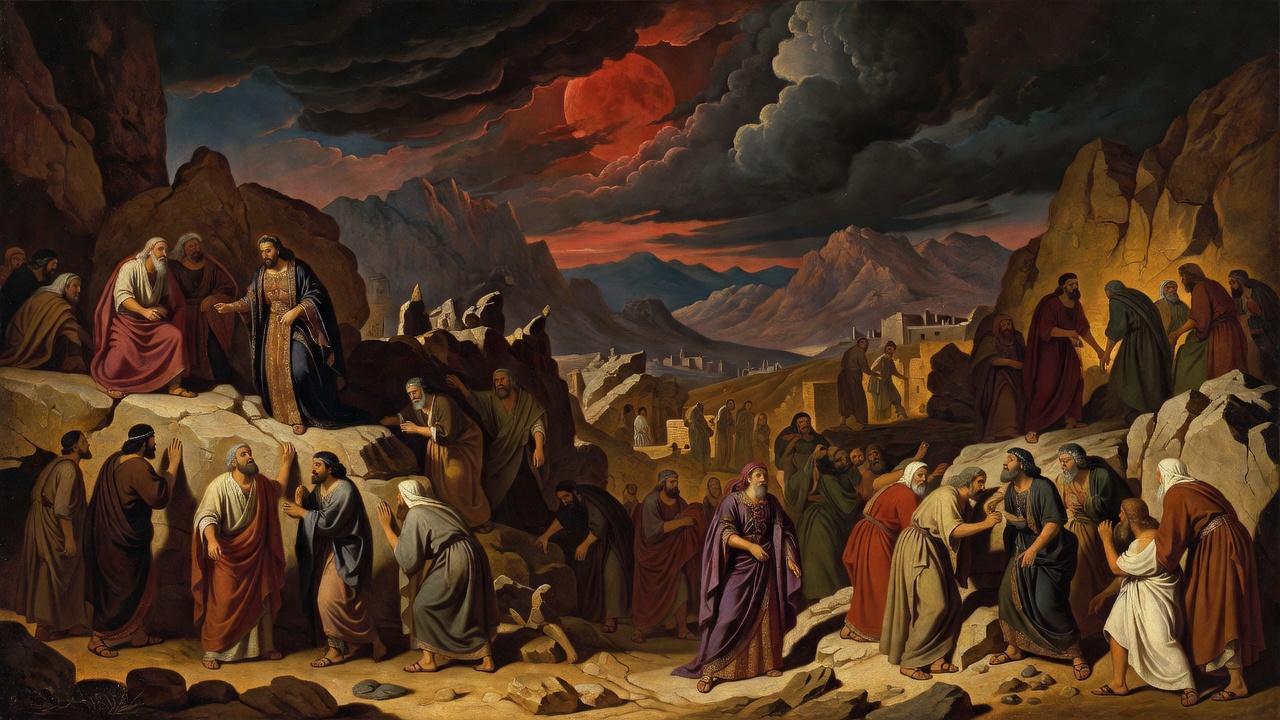
12No yóboi, jã́cacʉ ñai ovejajĩcʉ ʉ̃i buraiyede apeyabe jãjariyabede. Pare cújiavʉ̃ caino joborõ. Aviá ñemiteame yópe põeva ne doiyepe ñeminicajede, orãjivʉ yaivʉ bácavʉre. Aru aviá ñamicacʉ jũacʉ bajura bateáme yópe jivepe. 13Ina abiácova tʉima cavarõre jocarĩ, yópe jocʉcʉ jẽidʉa tʉiyepe jocʉcʉre jocarĩ ũmevʉ pare japuiyede. 14No cavarõ bíjavʉ̃, yópe toivaiye báque bíjaiyepe paperayocare cãriáriburu yóboi. Aru caicũa cʉ̃racũa, caiye jiavʉa máre jarʉvavʉ̃ die cʉrõre jocarĩ. 15Dinʉmʉre caivʉ jabova, aru cõjeivʉ, churaravai jabova, cʉve cʉvarivʉ, parʉrivʉ, yebacavʉ, aru yebacavʉ ãmevʉ máre dupinanʉima cʉ̃racobea jívʉi aru cʉ̃racũa ʉracũa cʉ̃raboa jẽneboi máre. 16Cod̶oboborĩ órejaima cʉ̃racũa ʉracũare aru cʉ̃raboare máre, yópe arĩ:
—Tʉjacũari ñʉjare. Yavejacũari ñʉjare ʉ̃́re jocarĩ, ñai dobacʉre jabocʉi dobarõ mearo coricacarõra, ʉ̃i jã́mequiyepe aino ñʉjare. Yavejacũari ñʉjare ʉ̃́re jocarĩ, ñai ovejajĩcʉ jorojĩni jã́ñʉre. 17Jave eaivʉ ijãravʉ parʉrijãravʉ, caivʉ Jʉ̃menijicʉre jʉ abevʉ ne ñájijãravʉ. Ñame bʉojarĩ númenama náre copʉ, ñai jabocʉi dobarõ mearo coricacarõi dobacʉre aru ñai ovejajĩcʉre máre, arĩ cod̶oboboima na, jidʉrivʉ.
¿Sabías que…?
La apertura de los seis sellos
- Los primeros cuatro sellos revelan cuatro jinetes sobre caballos blanco, bermejo, negro y pálido, llamados uno a uno por los cuatro seres vivientes. Cada jinete trae una aflicción distinta sobre la tierra, desde la conquista y la pérdida de la paz hasta la escasez generalizada, la peste y la muerte.Fuentes: el propio texto bíblico
- El tercer jinete lleva una balanza, acompañado por una proclamación que fija el precio de una medida de trigo o tres de cebada en un denario, lo que refleja una grave escasez de alimentos básicos mientras el aceite y el vino no sufren daño.Fuentes: el propio texto bíblico
- Al abrirse el quinto y el sexto sello, la visión pasa a las almas de los mártires bajo el altar y luego a enormes conmociones cósmicas y terrestres que impulsan a personas de toda condición social a refugiarse en cuevas y peñascos.Fuentes: el propio texto bíblico
Notas escritas con ayuda de IA a partir de fuentes abiertas (Theographic Bible Metadata, CC BY-SA 4.0; Easton’s Bible Dictionary, dominio público) y revisadas antes de publicarse.
Créditos y licencia de esta traducción
Majepacʉ jʉ̃menijicʉi yávaiye mamaene coyʉitucubo
New Testament in Cubeo (CO:cub:Cubeo)
copyright © 2009 Wycliffe Bible Translators, Inc.
Language: Cubeo
Translation by: Wycliffe Bible Translators, Inc.
Cubeo [cub], Colombia
Copyright Information
© 2009, Wycliffe Bible Translators, Inc. All rights reserved.
This translation text is made available to you under the
terms of the Creative Commons License: Attribution-Noncommercial-No Derivative Works.
( http://creativecommons.org/licenses/by-nc-nd/3.0/ )
In addition, you have permission to port the text to different file formats, as long as you
do not change any of the text or punctuation of the Bible.
You may share, copy, distribute, transmit, and extract portions
or quotations from this work, provided that you include the above copyright
information:
You must give Attribution to the work.
You do not sell this work for a profit.
You do not make any derivative works that change any of the actual words or punctuation of the Scriptures.
Permissions beyond the scope of this license may be
available if you contact
us with your request.
The New Testament
in Cubeo
© 2009, Wycliffe Bible Translators, Inc. All rights reserved.
This translation is made available to you under the terms of the
Creative Commons Attribution-Noncommercial-No Derivatives license 4.0.
You may share and redistribute this Bible translation or extracts from it in any format, provided that:
You include the above copyright and source information.
You do not sell this work for a profit.
You do not change any of the words or punctuation of the Scriptures.
Pictures included with Scriptures and other documents on this site are licensed just for use with those Scriptures and documents.
For other uses, please contact the respective copyright owners.
2014-04-22
Fuente: http://ebible.org/cubNT/ · eBible.org