1 Timoteo 6
Majepacʉ jʉ̃menijicʉi yávaiye mamaene coyʉitucubo · Toca un versículo para ver sus referencias cruzadas.
1Caivʉ Jesúre jʉ aipõeva memecaivʉre pued̶aiye jaʉvʉ ne jabocʉre cainʉmʉa, apevʉ ne ãmeina yávabenajiyepe aivʉ Jʉ̃menijicʉre aru maje bueiyede máre. 2Aru apevʉ memecaivʉ baru Jesúre jʉ aipõevare, dajocabejarãri ne pued̶aiyede náre, ne jʉ aiye boje nápe. Quénora pʉeno mearo baju memecajarãri náre, ne jʉ aiye boje Jesúre aru Jʉ̃menijicʉi ʉe boje náre.
Maje bojecʉe jãve
3Maje jabocʉ Jesucristo bueibi majare jãve, maje majinajiyepe ayʉ aipe d̶aiye jaʉrõre majare, maje cʉrãjiyepe ayʉ yópe Jʉ̃menijicʉi ʉrõpe. Ʉbenita apevʉ cʉrivʉbu, jʉ abevʉ Jesús ʉ̃i bueiyede. Quénora bueivʉbu na ape bueiyede jãve ãmene. 4Ina põeva dápiaivʉbu ne baju mearape apevʉ pʉeno. Ʉbenita ye majibema na. Jẽniari jã́iyʉrivʉbu ʉbenina ne bajumia. Aru jaraivʉbu ne bajumia aipe aiyʉrõre ne yávaicamuaque. Ne que d̶aiye boje, põeva jorojĩvʉbu, aru jaraivʉbu, yávaivʉbu borocʉede apevʉi borore, aru “Ãmeina d̶aiyʉbi yʉre”, arĩ dápiaivʉbu apevʉi borore. 5Que teni ina ne dápiaino ãmenoque cãrijovaivʉbu ne bajumia aru dajocabevʉ ne jaraiyede ne bajumia, ne jarʉvaiye boje iye bueiyede jãvene. Ina põeva bueiyʉrivʉbu Jʉ̃menijicʉi yávaiyede, ĩnajivʉ ʉrarõ ne bojeva. Coatejacʉ náre jarʉvarĩ. 6Jãve Jʉ̃menijicʉi yávaiyede bueiye pare bojecʉebu põevare, ʉbenita ina torojʉrivʉre ne cʉvaequeda. 7Davabedejaquemavʉ maja maje cʉveva ijãravʉre. Aru bʉojabenamu nʉvaivʉ maje cʉveva ijãravʉre jocarĩ. 8Que baru maje cʉvaru maje ãiyeva aru maje cuitótecajeva máre, meaquiyebu majare. 9Ʉbenita apevʉ ʉrivʉbu ne cʉveva. Que baru ñai abujuvai jabocʉ jʉjovayʉbe náre, ne ãmeina tenajiyepe ayʉ, cʉvarãjivʉ cʉvede. Que teni ʉ̃ jẽñʉme náre yópe ñʉoibo jẽiyepe ãimacʉre. Ãrʉmevʉpe vore cuivʉbu cʉvede. Que teni ãmeno d̶aivʉbu ne baju aru apevʉre máre. Bíjare d̶aivʉbu ne baju Jʉ̃menijicʉre jocarĩ. Aru ñájinajivʉbu na. 10Põeva ne ʉe boje tãutʉrare, d̶ad̶ama caiye ãmenoquede, cʉvarãjivʉ diede. Apevʉ põeva cʉma, ne jʉ aiye báquede Jesúre jarʉvaivʉ bácavʉ, cʉvarãjivʉ tãutʉrare. Aru caride chĩori ñájiñama na.
Jʉ̃menijicʉ jiede d̶ajarã ãmene d̶abevʉva
11Mʉ Jʉ̃menijicʉi põecʉbu. Ʉ̃́re memecayʉbu mʉ. Que baru d̶abejacʉ caiye iye ãmeina teiyede yópe ji coyʉiyepe. Pʉeno baju d̶ajacʉ cainʉmʉa, mearo d̶acʉyʉ Jʉ̃menijicʉi jã́inoi, pued̶acʉyʉ ʉ̃́re, jʉ acʉyʉ Jesús ʉ̃i yávaiye méne, ʉcʉyʉ põevare, napicʉyʉ mi ñájiyede, aru meacʉ põecʉpe cʉcʉyʉ apevʉque. 12Jʉ̃menijicʉ cutuquemavʉ mʉre, mi cʉquiyepe ayʉ me ʉ̃i ʉrõpe aru mi cʉvaquiyepe ayʉ jãravʉ cũiméjãravʉ baquinóre. Dijãravʉ bácarõ, Jʉ̃menijicʉi mʉre cutuijãravʉ bácarõi, mʉ́vacari ʉ̃́re jʉ ávʉ̃ obedivʉ ne jã́iyede. Que baru pʉeno baju d̶ajacʉ, cʉcʉyʉ yópe mi jʉ aiyepe Jesúre, aru cʉvacʉyʉ jãravʉ cũiméjãravʉ baquinóre máre. 13Caride yʉ d̶aicõjeivʉ mʉre Jʉ̃menijicʉ, cʉre d̶ayʉ caivʉre, aru Jesucristo máre, coyʉyʉ bácʉ Jʉ̃menijicʉi yávaiye méne Poncio Pilato bácʉre, ne jápiaiyede. 14Jʉ aicõjeivʉ mʉre iye ji d̶aicõjeiyede. D̶aiye jaʉvʉ mʉre caiyede yópe ji coyʉiyepe. Apejĩene ãrʉmetebejacʉ mʉ. Aru oatʉvabejacʉ mʉ iye ji d̶aicõjeiyede mʉre. Que teni ñame bʉojabecʉbe ãmeina yávayʉ mʉre mi d̶aiyede. Nópe d̶ajacʉ mʉ cainʉmʉa pʉ maje jabocʉ Jesucristoi copaidaiyeta. 15Jʉ̃menijicʉ járore d̶acʉyʉme Cristore meajãravʉ ʉ̃i beoijãravʉ baquinóre. Ʉ̃ parʉcʉ pʉeno baju cũinácʉra jaboteyʉbe caivʉre aru caiyede máre. Que baru meacʉ bajube Jʉ̃menijicʉ. Ʉ̃́recabe jaboteyʉ caivʉ apevʉ jabovare. Aru ʉ̃́recabe cõjeñʉ caivʉ apevʉ cõjeivʉre máre. 16Ʉ̃́recabe cũinácʉra yaibécʉ ʉ̃i baju. Ʉ̃ cʉcʉ miad̶áro mearoi, noi põeva joabenoi nʉri bʉojabema. Ʉ̃́recabe põevai jã́memʉ javede aru caride máre. Ñame bʉojabecʉbe jã́ñʉ ʉ̃́re cainʉmʉa. Caivʉ pued̶ajarãri Jʉ̃menijicʉre aru jabotejacʉrĩ ʉ̃ cainʉmʉa. Quédecabu.
17Aru ina cʉve cʉvarivʉ ijãravʉquede yópe arĩ, coyʉjacʉ náre: “Dápiabejarã mʉja mearape apevʉ pʉeno”, ajacʉ náre. Aru, “Ñʉje cʉve cʉvae boje, napini coreivʉbu ñʉja”, arĩ dápiabejarãri na. Que baru ijãravʉque cʉve cũiquíyebu. Aru ñame bʉojabebi majicʉ aipino joe cʉquiyede diede. Quénora náre napini coreicõjejacʉ Jʉ̃menijicʉre. Ʉ̃́recabe jíyʉ majare ʉrarõ baju caiyede, maje torojʉrãjiyepe ayʉ. 18Ina cʉve cʉvarivʉre d̶aicõjejacʉ me apevʉre. Jecʉbevʉva jícõjejacʉ náre ne cʉvaequede, ne coapavarãjiyepe ayʉ cõmaje ãrojarivʉre, cad̶atenajivʉ náre. 19Nópe ne cad̶ateiye boje apevʉre, cʉvarãjarama na coapa ne bojed̶arãjiyede daquijãravʉ baquinóre cavarõ mearo Jʉ̃menijicʉi cʉrõi. Jãve torojʉrivʉ ne ũmei cʉvarãjarama na jãravʉ cũiméjãravʉ baquinóre.
Pablo ʉ̃i cõjeino Timoteore yóbocarõ baju
20Mʉ, Timoteo, Jʉ̃menijicʉ epeibi mʉre, mi coyʉquiyepe ayʉ iye Jesús ʉ̃i yávaiye méne. Jápiabejacʉ iye coyʉiyede pued̶abenore Jʉ̃menijicʉre aru ãrʉmenore máre. Jápiabejacʉ iye bueiyede jãve ãmene. Ina põeva borocʉrivʉ bueniduyama majidivʉpe. “Me majivʉ ñʉja. Ñʉje bueiye jãvemu”, arĩduyama. Ʉbenita majibema na. 21Aru apevʉ yópe bueivʉ, javede dajocad̶ama ne jʉ aiye báquede Jesúre. Jʉ̃menijicʉ mearo d̶acajacʉrĩ caivʉ mʉjare bojecʉbeda ʉ̃i me boje. Quénoramu.
¿Sabías que…?
Piedad, contentamiento y el encargo a Timoteo
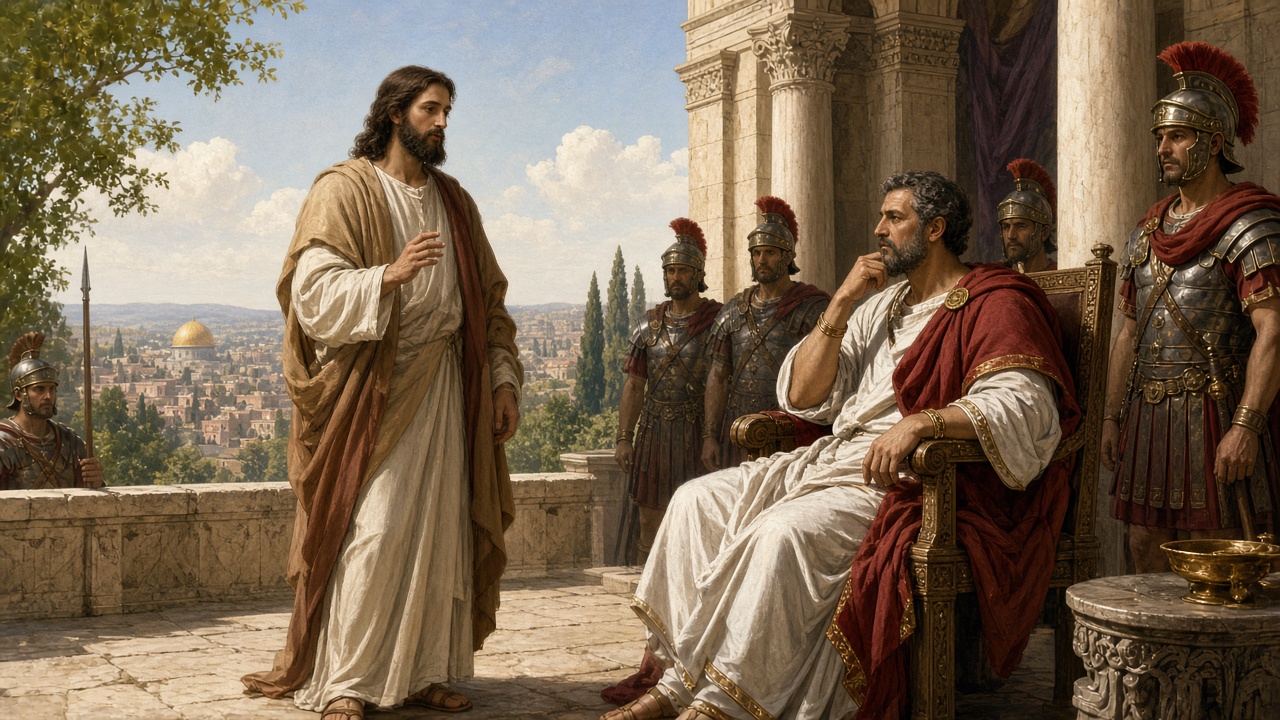
- La solemne exhortación de este capítulo recuerda que Cristo Jesús hizo la buena confesión en su testimonio ante Poncio Pilato. Pilato fue el sexto procurador romano de Judea, del 26 al 36 d.C., con sede en Cesarea, aunque subía con frecuencia a Jerusalén; su tiempo en el cargo abarcó los ministerios de Juan el Bautista y de Jesús, y su nombre se recuerda sobre todo en relación con el juicio de Jesús.Fuentes: el propio texto bíblico · Pontius Pilate
- El capítulo se dirige a Timoteo como hombre de Dios y le dice que guarde lo que le ha sido confiado. El nombre Timotheus significa honrar a Dios. Era un joven discípulo y compañero de Pablo en muchos viajes; su madre, Eunice, y su abuela, Loida, se mencionan como eminentes en piedad, y su padre era griego.Fuentes: el propio texto bíblico · Timotheus
Notas escritas con ayuda de IA a partir de fuentes abiertas (Theographic Bible Metadata, CC BY-SA 4.0; Easton’s Bible Dictionary, dominio público) y revisadas antes de publicarse.
Créditos y licencia de esta traducción
Majepacʉ jʉ̃menijicʉi yávaiye mamaene coyʉitucubo
New Testament in Cubeo (CO:cub:Cubeo)
copyright © 2009 Wycliffe Bible Translators, Inc.
Language: Cubeo
Translation by: Wycliffe Bible Translators, Inc.
Cubeo [cub], Colombia
Copyright Information
© 2009, Wycliffe Bible Translators, Inc. All rights reserved.
This translation text is made available to you under the
terms of the Creative Commons License: Attribution-Noncommercial-No Derivative Works.
( http://creativecommons.org/licenses/by-nc-nd/3.0/ )
In addition, you have permission to port the text to different file formats, as long as you
do not change any of the text or punctuation of the Bible.
You may share, copy, distribute, transmit, and extract portions
or quotations from this work, provided that you include the above copyright
information:
You must give Attribution to the work.
You do not sell this work for a profit.
You do not make any derivative works that change any of the actual words or punctuation of the Scriptures.
Permissions beyond the scope of this license may be
available if you contact
us with your request.
The New Testament
in Cubeo
© 2009, Wycliffe Bible Translators, Inc. All rights reserved.
This translation is made available to you under the terms of the
Creative Commons Attribution-Noncommercial-No Derivatives license 4.0.
You may share and redistribute this Bible translation or extracts from it in any format, provided that:
You include the above copyright and source information.
You do not sell this work for a profit.
You do not change any of the words or punctuation of the Scriptures.
Pictures included with Scriptures and other documents on this site are licensed just for use with those Scriptures and documents.
For other uses, please contact the respective copyright owners.
2014-04-22
Fuente: http://ebible.org/cubNT/ · eBible.org