1 Tesalonicenses 4
Majepacʉ jʉ̃menijicʉi yávaiye mamaene coyʉitucubo · Toca un versículo para ver sus referencias cruzadas.
Pablo “Jʉ̃menijicʉre torojʉre d̶aiyʉrivʉ, yópe d̶ajarã” arĩ, ʉ̃i coyʉino
1Mʉja, ñʉjevʉ, maje jabocʉ Jesús ñʉjare bueicõjeimi mʉjare cojedeca yópe ñʉje bueiyepe mʉjare javede. Coyʉivʉbu mʉjare, mʉje me majinajiyepe aivʉ aipe jaʉrõre mʉje d̶aiyede, Jʉ̃menijicʉi me jã́quiyepe aivʉ mʉjare. Caride d̶ad̶avʉ̃ mʉja yópe Jʉ̃menijicʉi ʉrõpe. Que baru parʉrõreca jẽniaivʉbu ñʉja mʉjare, mʉje d̶arãjiyepe aivʉ yópe Jʉ̃menijicʉi ʉrõpe pʉeno baju cainʉmʉa. 2Mʉjavacari coreóvaivʉbu bueivʉre ñʉja mʉjare yópe maje jabocʉ Jesús ʉ̃i bueicõjeiyepe. 3Yópe ʉbi ñai Jʉ̃menijicʉ: Mʉja coapa d̶ajarã mearore cainʉmʉa. Meara májara mʉja, ʉ̃ jina mʉje teiye boje. Que baru cʉbejarã mʉja apevʉque mʉjemarebʉcʉva ãmevʉque. 4Me cʉjarã mʉja coapa mʉjemarepacoque Jʉ̃menijicʉi jã́inore aru põeva ne jã́iyede máre. Pued̶ajarã mʉja coapa mʉjemarepacore. 5D̶abejarã nápe ina Jʉ̃menijicʉre coreóvabevʉpe. D̶ad̶ama na ãmenore, Jʉ̃menijicʉi ʉbenore, ne pued̶aiye majibe boje nomivare. D̶ad̶ama ãmenore náque. 6Que baru jʉjovabejarã mʉja apecʉ mʉjecʉre, ãmeno d̶aivʉ jímarepacoque. Javeita ñʉja coyʉcarã mʉjare parʉrõreca aipe maje jabocʉ Jʉ̃menijicʉ ñájine d̶acʉyʉre caivʉ ina nópe ãmeno d̶aivʉre. 7Jʉ̃menijicʉ cutuibi majare ʉ̃ jina márajivʉva. Que baru bʉojabevʉ maja cʉrivʉ ãmeũmeque. Quénora maje meara mae jaʉvʉ majare, maje cʉrãjiyepe aivʉ me Jʉ̃menijicʉi jã́inore, ʉ̃ jina mae boje. 8Aru ácʉ põecʉ jʉ abecʉ baru iye ñʉje bueiyede, jʉ abeniduibi ʉ̃ apecʉ põecʉi bueiyede. Quénora jʉ abebi ʉ̃ Jʉ̃menijicʉi yávaiyede, ñai daroyʉ mʉjare ñai Espíritu Santore.
9Iye mʉje ʉede mʉje bajumia toivabenajivʉbu ñʉja. Mʉja me ʉrivʉbu mʉje bajumia. Que baru diede toivaiye jaʉbevʉ ñʉjare. Javede Jʉ̃menijicʉvacari majicaibi mʉjare, Jesúre jʉ aipõevare, jaʉrõre mʉje bajumia ʉede. 10Nopedeca mʉjacapũravʉ cainʉmʉa ʉrivʉbu ina Jesúre jʉ aipõevare, caino Macedonia ãmicʉrijoborõcavʉre. Parʉrõreca jẽniaivʉbu ñʉja mʉjare, mʉje ʉrãjiyepe aivʉ yópe Jʉ̃menijicʉi ʉrõpe pʉeno baju cainʉmʉa. 11Caiye mʉje d̶aiyeque pʉeno d̶ajarã, cãrijimevʉva cʉrãjivʉ apevʉque. D̶aicõjemejara apevʉre aipe d̶aiye jaʉrõre náre ne d̶aiyede. Memejara mʉja coapa, cʉvarãjivʉ mʉje ãiyede, mʉje cʉriñamiare, aru caiye apede mʉjare jaʉéde máre. Yópe iye ñʉje d̶aicõjeiyepe mʉjare caride, nopedeca d̶aicõjecarã mʉjare jipocamia, ina Jesúre jʉ abevʉ ne pued̶arãjiyepe aivʉ mʉjare me, mʉje corebe boje apevʉ ne jíyede mʉjare jaʉéde, aru ye jaʉbequiyepe aivʉ mʉjare.
Maje jabocʉ Jesús ʉ̃i copaidaquino
13Mʉja, ñʉjevʉ, ʉvʉ ñʉja mʉje majinajiyede jãve aipe vaivʉre ina Jesúre jʉ aipõeva yaivʉ bácavʉre. Chĩomejara mʉja mʉjevʉ jʉ aipõeva yaivʉ bácavʉ boje yópe ina jʉ abevʉ ne chĩoiyepe, ne napini corebe boje jãravʉ cũiméjãravʉ baquinóre. 14Coreóvaivʉbu maja yaiyʉ́ bácʉre Jesús, aru nacajañʉ mácʉre yainore jarʉvarĩ. Que baru coreóvaiye jaʉvʉ majare nacovacʉyʉre Jʉ̃menijicʉre ina Jesúre jʉ aipõeva yaivʉ bácavʉre Jesús ʉ̃i copaidaquiyede ijãravʉi.
15Que baru caride ñʉja coyʉiyʉrivʉbu mʉjare me iye Jesús ʉ̃i bueiye báquepe ñʉjare. Jesúre jʉ aipõeva apʉrivʉ ijãravʉi maje jabocʉ Jesúi copaidaquijãravʉ baquinóre copʉ nʉmenajaramu ʉ̃́re ne jipocamia ina Jesúre jʉ aipõeva yaivʉ bácavʉre jocarĩ. 16Põeva jápiarãjarama cod̶oboborĩ cõjeiyede; aru ángelevai jabocʉi yávainore; aru Jʉ̃menijicʉi japuiyore, trompeta ãmicʉriyore, japuiye pare bʉjiéde máre. Dinʉmʉmiareca maje jabocʉ Jesúvacari ẽmecʉyʉme cavarõ mearo Jʉ̃menijicʉi cʉrõre jocarĩ. Aru ina Jesúre jʉ aipõeva yaivʉ bácavʉ nacajarajarama yainore jarʉvarĩ. 17No yóboi, maumena Jʉ̃menijicʉ cójijovacʉyʉme ina Jesúre jʉ aipõeva apʉrivʉre cãreja ina ʉ̃i nacovaimara mácavʉque. Aru cũinátʉrʉ caivʉ maja copʉ nʉri jacoyʉrãjaramu maje jabocʉ Jesúre ʉ̃mʉi ocopeniboa yebai. Que teni cʉrãjaramu maja maje jabocʉ Jesúque cainʉmʉa. 18Que baru chĩomejara mʉja. Coyʉjarã iye borore, torojʉre d̶arãjivʉ mʉje bajumia.
¿Sabías que…?
Santidad, amor y esperanza por los que murieron
- Este capítulo señala que sus lectores ya mostraban amor a todos los hermanos por toda Macedonia. En tiempos del Nuevo Testamento, Macedonia era una provincia romana situada al norte de Grecia, gobernada por un propretor con el título de procónsul. Pablo fue llamado por una visión del "hombre de Macedonia" para predicar el evangelio allí.Fuentes: el propio texto bíblico · Macedonia
- El capítulo habla de los muertos como personas que duermen o se durmieron, y pide a los lectores que no se entristezcan como los demás, que no tienen esperanza. Porque Jesús murió y resucitó, dice el texto, Dios traerá con Jesús a los que durmieron en él; los muertos en Cristo resucitarán primero, y luego los que aún vivan serán arrebatados con ellos en las nubes para encontrarse con el Señor en el aire.Fuentes: el propio texto bíblico
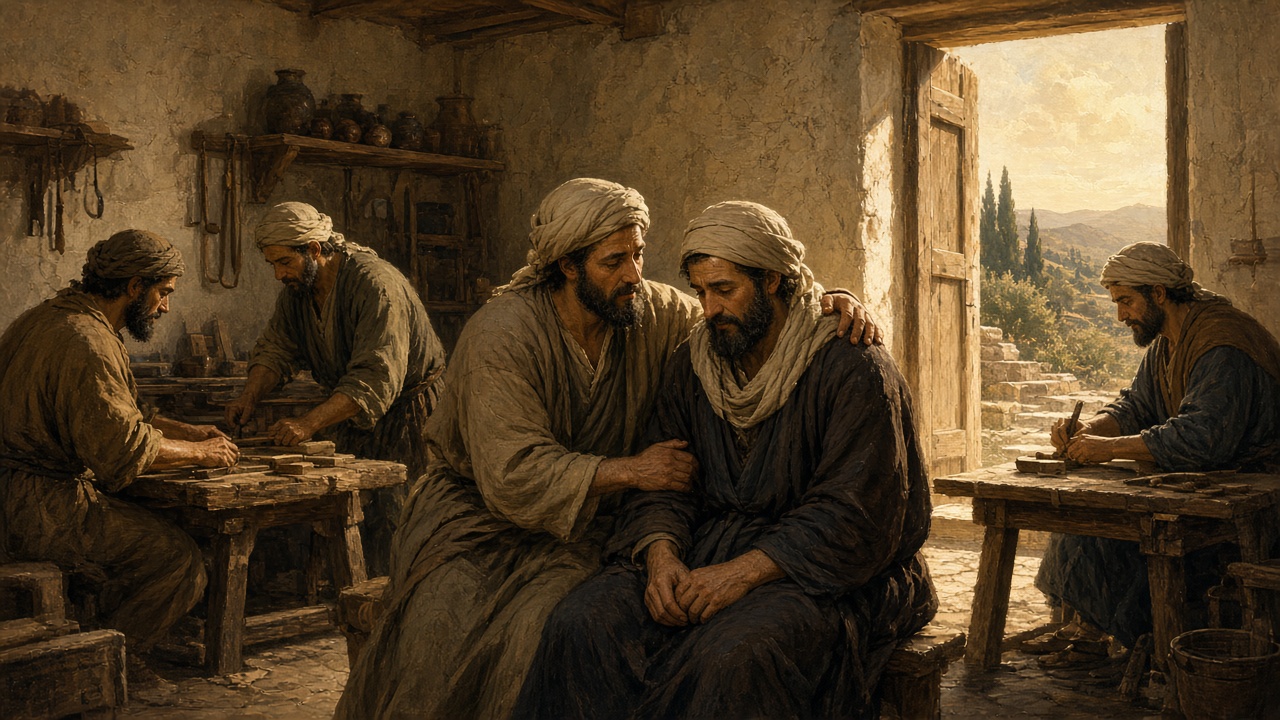
- Se exhorta a los lectores a aspirar a una vida tranquila, a ocuparse de sus propios asuntos y a trabajar con sus propias manos, como ya se les había instruido. El capítulo presenta esto como la manera de comportarse debidamente ante los de afuera y de no depender de nadie.Fuentes: el propio texto bíblico
Notas escritas con ayuda de IA a partir de fuentes abiertas (Theographic Bible Metadata, CC BY-SA 4.0; Easton’s Bible Dictionary, dominio público) y revisadas antes de publicarse.
Lugares de este capítulo
- Macedonia · 41.600, 22.540 · versículo 10
Solo aparecen lugares identificados con alta confianza (90 % o más según las fuentes académicas reunidas por OpenBible). Mapa de la época: DARE (Digital Atlas of the Roman Empire), CC BY 4.0; mapa actual: © colaboradores de OpenStreetMap; lugares: OpenBible.info (CC BY 4.0).
Créditos y licencia de esta traducción
Majepacʉ jʉ̃menijicʉi yávaiye mamaene coyʉitucubo
New Testament in Cubeo (CO:cub:Cubeo)
copyright © 2009 Wycliffe Bible Translators, Inc.
Language: Cubeo
Translation by: Wycliffe Bible Translators, Inc.
Cubeo [cub], Colombia
Copyright Information
© 2009, Wycliffe Bible Translators, Inc. All rights reserved.
This translation text is made available to you under the
terms of the Creative Commons License: Attribution-Noncommercial-No Derivative Works.
( http://creativecommons.org/licenses/by-nc-nd/3.0/ )
In addition, you have permission to port the text to different file formats, as long as you
do not change any of the text or punctuation of the Bible.
You may share, copy, distribute, transmit, and extract portions
or quotations from this work, provided that you include the above copyright
information:
You must give Attribution to the work.
You do not sell this work for a profit.
You do not make any derivative works that change any of the actual words or punctuation of the Scriptures.
Permissions beyond the scope of this license may be
available if you contact
us with your request.
The New Testament
in Cubeo
© 2009, Wycliffe Bible Translators, Inc. All rights reserved.
This translation is made available to you under the terms of the
Creative Commons Attribution-Noncommercial-No Derivatives license 4.0.
You may share and redistribute this Bible translation or extracts from it in any format, provided that:
You include the above copyright and source information.
You do not sell this work for a profit.
You do not change any of the words or punctuation of the Scriptures.
Pictures included with Scriptures and other documents on this site are licensed just for use with those Scriptures and documents.
For other uses, please contact the respective copyright owners.
2014-04-22
Fuente: http://ebible.org/cubNT/ · eBible.org