Hechos 7
I T’an Dios · Toca un versículo para ver sus referencias cruzadas.
I subt'an Esteban
1Jini ñuc bʌ motomaj tsi' c'ajtibe: ¿Isujm ba jini? che'en. 2Esteban tsi' yʌlʌ: Winicob c pi'ʌlob, ñich'tanla. Jini Dios am bʌ i ñuclel tsa' tsictiyi ti' wut lac tat Abraham che' ya'to an ti Mesopotamia che' maxto anic tsa' majli ti Harán. 3Dios tsi' sube: “Loq'uen ti a lumal ba'an a pi'ʌlob. Cucu ti ochel ti lum mu' bʌ caj c pʌsbeñet”, che'en.
4Tsa' loq'ui ti' lumal caldeojob. Tsa' caji ti chumtʌl ti Harán. Che' bʌ tsa' chʌmi i tat Abraham, Dios tsi' c'axtesa ti yambʌ lum wʌ' ba' chumulonla wʌle. 5Dios ma'anic chuqui tsi' yʌq'ue Abraham ilayi, mi ts'ita'ic lum, pero tsi' yʌq'ue i t'an. Tsi' sube mi caj i yotsan ti' yum jini lum yic'ot i p'olbal ja'el anquese maxto anic i yalobil. 6Dios tsi' sube Abraham ja'el: “Mi caj i majlel ti chumtʌl a p'olbal ti yambʌ lum mach bʌ i cha'añobic, ba' mi caj i yʌjq'uelob ti to'ol e'tel. Jumbajc' jab mi caj i cha'leñob majtan e'tel yic'ot wocol. 7Mi caj cʌq'ueñob i toj i mul jini winicob x'ixicob mu' bʌ i yotsañob ti to'o e'tel. Ti wi'il mi caj i loq'uelob tilel a p'olbal. Mi caj i ch'ujutesañoñob ilayi”, che'en. 8Dios tsi' yʌq'ue Abraham jini xuc'ul bʌ t'an cha'an tsep pʌchʌlel. I yalobil Abraham jiñʌch Isaac. Abraham tsi' tsepbe i pʌchʌlel che' waxʌcp'ejl jax to i q'uiñilel Isaac. I yalobil Isaac jiñʌch Jacob. I yalobilob Jacob jiñobʌch lajchʌntiquil lac ñojte'el.
9Tsʌytsʌyñayob jax i pusic'al jini lac ñojte'el cha'an José. Jini cha'an tsi' choñoyob cha'an mi' pʌjyel majlel ti Egipto pero ya'an Dios yic'ot. 10Dios tsi' loc'sa ti pejtelel i wocol. Tsi' ñijcʌbe i pusic'al Faraón cha'an mi' q'uel José ti uts'at. Dios tsi' yʌq'ue José i ña'tʌbal ti' tojlel jini rey Faraón ya' ti Egipto. Dios tsi' yʌq'ue i ye'tel ti yumʌl ti' tojlel egiptojob yic'ot ti' yotot Faraón ja'el.
11Tsa' caji wi'ñal ti' lumal egiptojob yic'ot ti Canaán ja'el. An cabʌl wocol. Lac ñojte'el ma'anic tsi' tajayob i bʌl i ñʌc'. 12Che' bʌ tsi' yubi Jacob an trigo ya' ti Egipto, tsi' choco majlel lac ñojte'elob che' ti' cajibal wi'ñal. 13Che' bʌ tsa' majliyob ti' cha'yajlel, José tsi' yʌc'ʌ i bʌ ti cʌjñel ti' tojlel i yʌscuñob. Tsi' yʌc'ʌ i pi'ʌlob ti cʌjñel ti' tojlel Faraón. 14José tsi' chocoyob majlel cha'an mi' pʌyob tilel Jacob, i tat, yic'ot pejtelel i pi'ʌlob, jo'lujuntiquil i chʌnc'al (75). 15Tsa' jubi majlel Jacob ya' ti Egipto. Ya' tsa' chʌmi yic'ot lac ñojte'elob. 16Tsa' q'uejchiyob majlel c'ʌlʌl ti Siquem ba' tsa' mujquiyob ti' yotlel ch'ujlelʌl mʌmbil bʌ i cha'an Abraham. Abraham tsi' tojbeyob ti taq'uin i yalobilob Hamor ya' ti Siquem.
17Che' bʌ yomix c'otel i yorajlel cha'an mi' ts'ʌctiyel i t'an Dios che' bajche' tsi' sube Abraham, tsa' wen p'ojli i p'olbal Abraham ya' ti Egipto 18jinto tsa' wa'choconti yambʌ rey ti Egipto mach bʌ anic tsi' cʌñʌ José. 19Mach tojic chuqui tsi' tumbe lac pi'ʌlob jini rey. Tsi' tic'la lac ñojte'elob cha'an mi' wersa ac'ob i yalobilob ti chʌmel cha'an mi' jilel i p'olbal Israel. 20Ti jim bʌ ora che' woli to i tic'lañob, tsi' yila pañimil Moisés. Wen uts'atax tsi' q'uele Dios. Tsa' tsu'sʌnti uxp'ejl uw ti' yotot i tat. 21Che' bʌ tsa' ajq'ui Moisés ba' bʌbʌq'uen mi' chʌmel, tsa' tili i yalobil Faraón. Tsi' loto. Tsi' cosa che' bajche' i yalobil. 22Tsa' cʌntesʌnti Moisés ti pejtelel i ña'tʌbal egiptojob. Wen ch'ejl ti t'an yic'ot ti e'tel.
23Che' cha'c'alix i jabilel, Moisés tsi' ña'ta ti' pusic'al yom majlel i jula'tan i pi'ʌlob, jiñobʌch i yalobilob Israel. 24Che' bʌ tsi' q'uele woli' tic'lʌntel juntiquil i pi'ʌl, Moisés tsi' colta jini woli bʌ i tic'lʌntel. Tsi' q'uextʌbe i jontolil jini egipto. Tsi' jats'ʌ. 25Come Moisés tsi' lon ña'ta woli' ch'ʌmbeñob isujm i pi'ʌlob, cha'an jiñʌch yajcʌbil bʌ ti Dios cha'an mi' coltañob. Pero ma'anic tsi' ch'ʌmbeyob isujm. 26Ti yijc'ʌlal Moisés tsi' pʌsʌ i bʌ ba'an i pi'ʌlob che' woliyob ti leto. Yom i lajmesan leto. Tsi' yʌlʌ: “Winicob, la' pi'ʌl la' bʌ. ¿Chucoch mi la' tic'lan la' bʌ?” che'en. 27Jini tsa' bʌ i tic'la i pi'ʌl tsi' tʌjcʌx choco majlel Moisés. Tsi' sube: “¿Majqui tsi' yʌq'ueyet a we'tel ti yumʌl cha'an ma' melon lojon? 28¿A wom ba a tsʌnsañon che' bajche' tsa' tsʌnsa jini egipto ac'bi?” che'en. 29Che' bʌ tsi' yubi jini t'an, tsa' puts'i majlel Moisés. Tsa' majli ti chumtʌl ti yambʌ lum i c'aba' Madián. Ya'i tsi' yilayob pañimil cha'tiquil ch'iton bʌ i yalobil.
30Che' ñumenix cha'c'al jab, tsa' tsictiyi juntiquil ángel ti colem bʌ i tiquiñal pañimil lʌc'ʌl ti Sinaí wits. Tsa' tsictiyi ti c'ajc woli bʌ ti lejmel ti alʌte'. 31Che' bʌ tsi' q'uele Moisés, tsa' toj sajti i pusic'al cha'an jini tsa' bʌ i q'uele. Che' bʌ tsa' majli i q'uel jini alʌte', tsa' tili i t'an lac Yum: 32“Joñon i Dioson a ñojte'el, i Dioson Abraham, i Dioson Isaac, i Dioson Jacob”, che'en Dios. Mach yomic i chʌn q'uel Moisés, come tsiltsilña jax ti bʌq'uen. 33Lac Yum tsi' sube: “Loc'san a xʌñʌb ti a woc come ch'ujul jini lum ba' wa'alet. 34Isujm, tsa'ix j q'uele i tic'lʌntel c cha'año' bʌ ya' ti Egipto. Tsa'ix cubibeyob i yuq'uel. Tsa'ix jubiyon tilel cha'an mic loc'sañob. La'ix cu, che' jini. Mi caj c choquet majlel ti Egipto”, che'en.
35Jini Moisés tsa' ts'a'lenti cha'an i pi'ʌlob. Tsi' yʌlʌyob i pi'ʌlob: “¿Majqui tsi' yʌq'ueyet a we'tel ti yumʌl yic'ot ti meloñel?” che'ob. Jini Moisés ts'a'lebil bʌ i cha'añob, Dios tsi' choco tilel. Jini ángel tsa' bʌ tsictiyi ti alʌte' tsi' yʌq'ue i ye'tel ti yumʌl yic'ot ti xcoltaya. 36Moisés tsi' pʌyʌ loq'uel i yalobilob Israel che' bʌ tsa' ujti i pʌs bʌbʌq'uen tac bʌ yic'ot i yejtal i p'ʌtʌlel cha'c'al jab ya' ti Egipto yic'ot ti Chʌchʌc bʌ Ñajb yic'ot ti jochol bʌ lum. 37Jiñʌch Moisés tsa' bʌ i sube i yalobilob Israel: “Lac Yum Dios mi caj i techbeñetla juntiquil x'alt'an che' bajche' joñon loq'uem bʌ ti la' pi'ʌlob. Jini mi caj la' wubin”, che'en. 38Jiñʌch Moisés am bʌ yic'ot jini tempʌbilo' bʌ ti jochol bʌ lum. Jini ángel tsi' pejca ya' ti Sinaí wits yic'ot lac ñojte'el. Tsi' yubi jini t'an cha'an laj cuxtʌlel cha'an mi' cha' aq'ueñonla.
39Lac ñojte'el ma'anic tsi' jac'beyob Moisés. Tsi' ts'a'leyob. Tsi' chʌn ña'tayob i cha' sujtel ti Egipto. 40Tsi' subeyob Aarón: “Mele lac dios tac cha'an ñaxan mi' majlel ti lac tojlel. Come ma'anic mi lac ña'tan chuqui tsa' tumbenti jini Moisés tsa' bʌ i pʌyʌyonla loq'uel ti Egipto”, che'ob. 41Che' jini tsi' meleyob alʌ wacax. Tsi' tsʌnsʌbeyob i majtan jini dios taq'uin. Tsa' ñuc'ayob i pusic'al cha'an jini dios tsa' bʌ i meleyob ti' c'ʌb. 42Jini cha'an Dios tsi' cʌyʌyob cha'an mi' ch'ujutesañob jini q'uin yic'ot uw yic'ot ec'. Ts'ijbubil ti' jun x'alt'añob ja'el: “Jatetla israelob, ¿tsa' ba la' tsʌnsʌbeyon la' wʌlac' cha'c'al jab ti jochol bʌ lum? ¿Tsa' ba la' pulbeyon c majtan? 43Tsa'ix la' q'uechbe pisil bʌ i yotlel Moloc, yic'ot jini ec', i yejtal bʌ a dios Renfán. Tsa' la' mele cha'an mi la' ch'ujultesan. Joñon mi caj j c'axtesañetla ti junwejl Babilonia”, che'en.
44An i cha'an lac ñojte'elob jini pisil bʌ otot ti jochol bʌ lum ba' tsa' pʌsle i sujmlel Dios. Come che' bʌ tsi' yʌc'ʌ mandar Dios, tsi' sube Moisés cha'an mi' mel otot che' bajche' tsa' pʌsbenti. 45Che' bʌ tsa' ujti i ch'ʌmbeñob i lum gentilob lac ñojte'el yic'ot Josué, tsi' q'uecheyob ochel jini pisil bʌ otot ti' lumal. Come Dios tsi' choco loq'uel jini gentilob ti' tojel i wutob lac ñojte'el c'ʌlʌl ti' yorajlel David. 46Dios tsi' pʌsbe David i yutslel. Jini David yom i melben i chumlib Dios tsa' bʌ i ñopo Jacob. 47Pero tsi' mele Salomón.
48Jini C'ax Ñuc Bʌ ma'anic mi' chumtʌl ti templo tac melbil bʌ ti c'ʌbʌl. Che' ja'el tsi' yʌlʌ jini x'alt'an: 49“Jini panchan c buchlib, jini pañimil i yajñib coc. ¿Chuqui ti otot la' wom la' melbeñon? che'en lac Yum. ¿Chuqui jini cajñib ba' mij c'aj co? 50¿Mach ba c melbalic pejtelel ili tac?” che'en. 51Tsʌtsatax la' pusic'al. Mach sʌq'uesʌbilic la' pusic'al. Mʌcʌl la' chiquin. Ti pejtelel ora jatetla mi la' mʌctan jini Ch'ujul bʌ Espíritu. Che' bajche' tsi' mele la' ñojte'el, che' ja'el mi la' mel jatetla. 52Ma'anic mi juntiquilic x'alt'an mach bʌ anic tsa' tic'lʌnti cha'an la' ñojte'el. Tsi' tsʌnsayob jini tsa' bʌ i wʌn subuyob tal jini Toj bʌ. Wʌle jatetla tsa'ix la' wʌc'ʌ jini Toj bʌ ti' c'ʌb i contra. Tsa'ix la' tsʌnsa. 53Jini ángelob tsi' yʌq'ueyetla i mandar Dios. Jatetla ma'anic tsa' la' jac'ʌ. Che' tsi' yʌlʌ Esteban.
Tsi' juluyob Esteban ti xajlel
54Che' bʌ tsi' yubiyob ili t'an tsa' wen mich'ayob. Quech'ecñayob i bʌquel i yej tsi' meleyob cha'an mich' tsi' q'ueleyob. 55But'ul Esteban ti Ch'ujul bʌ Espíritu. Tsi' letsa i wut ti panchan. Tsi' q'uele i ñuclel Dios. Tsi' q'uele Jesús ya' wa'al ti' ñoj Dios. 56Tsi' yʌlʌ: Awilan, wolij q'uel calal jini panchan. Ya' wa'al i Yalobil Winic ti' ñoj Dios, che'en.
57Tsi' cha'leyob c'am bʌ t'an. Tsi' mʌcʌyob i chiquin. Temel tsa' majliyob ti ajñel cha'an mi' chucob Esteban. 58Tsi' chocoyob loq'uel ti colem tejclum. Tsi' juluyob ti xajlel. Jini tsa' bʌ i yubibeyob i t'an Esteban tsi' chocoyob jubel i bujc tac ti' yoc juntiquil winic i c'aba' Saulo. 59Che' bʌ tsi' juluyob ti xajlel, Esteban tsi' pejca Dios. Tsi' yʌlʌ: C Yum Jesús, ch'ʌmbeñon c ch'ujlel, che'en. 60Tsa' ñocle. C'am tsi' cha'le t'an: C Yum, mach a wʌq'ueñob ti' wenta ili i mul, che'en. Che' bʌ tsa' ujti i sub jini t'an tsa' chʌmi.
¿Sabías que…?
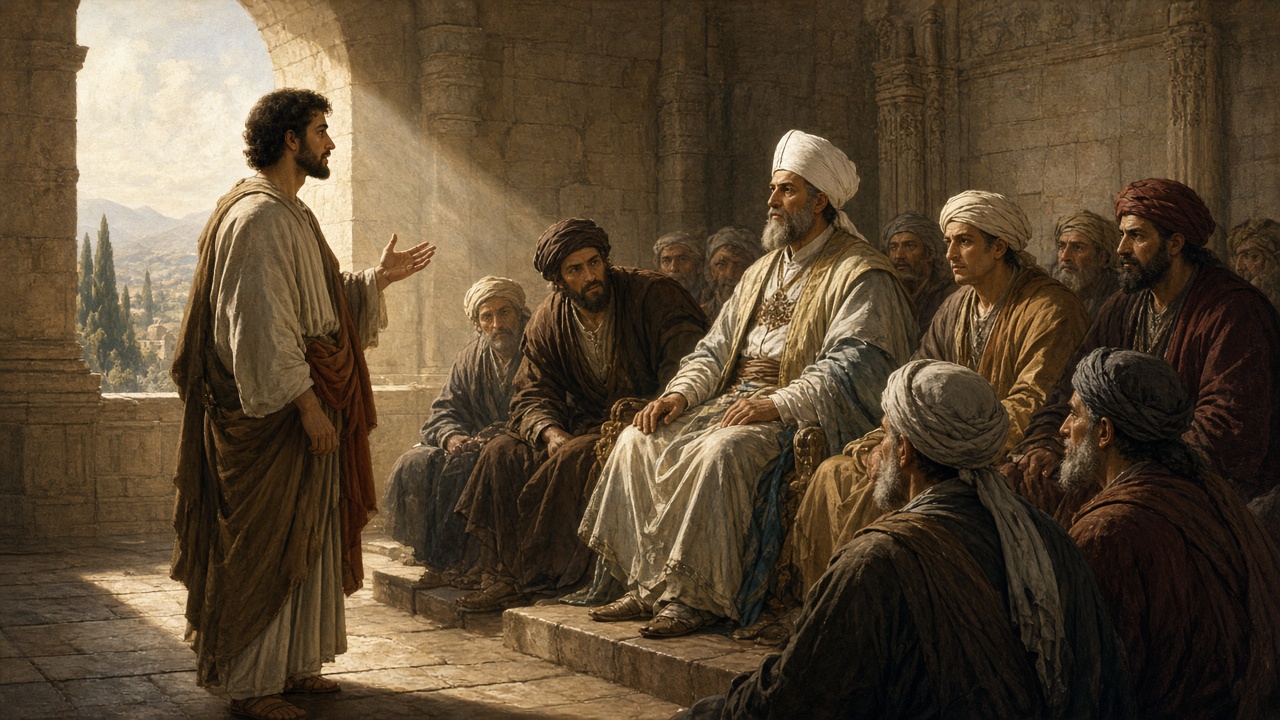
Esteban relata la historia de Israel
- Esteban abre su discurso con Abraham todavía en Mesopotamia, antes de establecerse en Harán, cuando se le ordenó dejar su tierra y sus parientes. Mesopotamia —en hebreo Aram-naharaim, “Siria de los dos ríos”— era el nombre que griegos y romanos daban a la región entre el Éufrates y el Tigris; en el Antiguo Testamento también se llama Padan-aram, “la llanura de Aram”, y el norte de esa meseta fue el hogar antiguo de los antepasados de los hebreos. El Easton's Bible Dictionary (1897) observa que ese primer llamado no se menciona en el Antiguo Testamento, aunque Génesis 12 lo da a entender, y que Abraham salió de Ur, en Caldea, y recorrió unas 300 millas al norte, hasta Harán.Fuentes: el propio texto bíblico · Mesopotamia · Abraham
- Esteban afirma que los huesos de Jacob y de los padres fueron llevados de vuelta a Siquem y depositados en la tumba que Abraham había comprado a los hijos de Hamor. El Easton's Bible Dictionary (1897) identifica a Hamor como un heveo cuyo nombre significa “asno”, señala que en Hechos 7:16 se le llama Emmor y dice que Jacob le compró el terreno de Siquem en el que después fue sepultado José. El artículo añade que Siquem, hijo de Hamor, fundó la ciudad que llevó su nombre.Fuentes: el propio texto bíblico · Hamor
- Esteban sitúa la zarza ardiente en el desierto, cerca del monte Sinaí, y dice que Moisés recibió allí palabras vivas del ángel que le habló en el monte. El Easton's Bible Dictionary (1897) trata Sinaí —nombre ligado a Sin, un dios lunar— como el mismo distrito montañoso llamado también Horeb. Según el artículo, los hebreos llegaron a esa región al tercer mes después del Éxodo, tras un viaje de unas 150 millas desde el mar Rojo, con todos los recodos del camino, y permanecieron acampados cerca de un año.Fuentes: el propio texto bíblico · Mount Sinai
Notas escritas con ayuda de IA a partir de fuentes abiertas (Theographic Bible Metadata, CC BY-SA 4.0; Easton’s Bible Dictionary, dominio público) y revisadas antes de publicarse.
Lugares de este capítulo
- Haran · Hoy: Harran · 36.864, 39.033 · versículos 2, 4
- Mesopotamia · Hoy: Aram-naharaim · 36.864, 39.033 · versículo 2
- Chaldea · 30.962, 46.104 · versículo 4
- Egypt · 30.129, 31.308 · versículos 9, 10, 11, 12, 14, 15, 17, 18, 34, 36, 39, 40
- Canaan · 32.767, 35.333 · versículo 11
- Shechem · Hoy: Tell Balatah · 32.214, 35.282 · versículo 16
- Nile · Hoy: Nile River · 31.465, 30.367 · versículo 19
- Midian · 28.495, 35.012 · versículo 29
- Babylon · 32.543, 44.422 · versículo 43
Solo aparecen lugares identificados con alta confianza (90 % o más según las fuentes académicas reunidas por OpenBible). Mapa de la época: DARE (Digital Atlas of the Roman Empire), CC BY 4.0; mapa actual: © colaboradores de OpenStreetMap; lugares: OpenBible.info (CC BY 4.0).
Créditos y licencia de esta traducción
I T’an Dios
Bible without Deuterocanon in Chol Tumbala; ctu (MX:ctu:Chol)
copyright © 1977 Wycliffe Bible Translators, Inc.
Language: Chol
Translation by: Wycliffe Bible Translators, Inc.
Chol, Tumbalá [ctu], Mexico
Copyright Information
© 1977, Bible League International
This translation text is made available to you under the
terms of the Creative Commons License: Attribution-Noncommercial-No Derivative Works.
( http://creativecommons.org/licenses/by-nc-nd/3.0/ )
In addition, you have permission to port the text to different file formats, as long as you
do not change any of the text or punctuation of the Bible.
You may share, copy, distribute, transmit, and extract portions
or quotations from this work, provided that you include the above copyright
information:
You must give Attribution to the work.
You do not sell this work for a profit.
You do not make any derivative works that change any of the actual words or punctuation of the Scriptures.
Permissions beyond the scope of this license may be
available if you contact
us with your request.
The Bible without Deuterocanon
in Chol
© 1977, Bible League International
This translation is made available to you under the terms of the
Creative Commons Attribution-Noncommercial-No Derivatives license 4.0.
You may share and redistribute this Bible translation or extracts from it in any format, provided that:
You include the above copyright and source information.
You do not sell this work for a profit.
You do not change any of the words or punctuation of the Scriptures.
Pictures included with Scriptures and other documents on this site are licensed just for use with those Scriptures and documents.
For other uses, please contact the respective copyright owners.
2014-04-22
Fuente: http://ebible.org/ctuBl/ · eBible.org