Apocalipsis 3
Thai Phum Holy Bible · Toca un versículo para ver sus referencias cruzadas.
Sardis kho e kawhmoun hanelah kamthang
1Sardis kho e kawhmoun e kalvantami koe hettelah thut haw. Cathut Muitha sari touh hoi Âsi sari touh ka tawn e tami ni hettelah a dei. Nange na tawksaknae ka panue. Nang teh kahring e patetlah na kâsak ei na kadout e lah na o e hah ka panue. 2Kâhruetcuet hoi ring haw. Due han lah coungkacoe kaawmnaw hah khenyawn haw. Bangkongtetpawiteh, nange na tawknae teh kaie Cathut hmalah a kuep telah ka hmawt hoeh. 3Hatdawkvah, nang teh bangtelamaw na thai tie hah pouk nateh tarawi haw. Pankângai haw, kâhruetcuet laihoi na ring hoehpawiteh, tamru patetlah ka tho vaiteh, nâtuek maw ka tho han tie khoeroe na panuek mahoeh.
4Hateiteh, Sardis kho dawk patenghai amamae khohna kakhin sak hoeh e youn touh ao. Ahnimouh teh kamcu e lah ao awh dawkvah hni pangaw kâkhu awh vaiteh kai hoi cungtalah ka ceio awh han. 5Katâ e tami teh hot patetvanlah hni pangaw a khohna han. Kai nihai ahnie min teh hringnae cauk dawk hoi khoeroe ka raphoe mahoeh. Kai teh ahnimae min hah a Pa hmalah hoi Bawipa e kalvantami hmalah ka kampangkhai han. 6Muitha ni kawhmounnaw koe a dei pouh e lawknaw hah hnâ ka tawn e tami pueng niteh thai naseh.
Philadelphia kho e kawhmoun hanelah kamthang
7Philadelphia kho e kawhmoun e kalvantami koe hettelah thun haw. Kathoung e, kalan e, Devit e cabi ka kuen e, apinihai khan thai hoeh hanlah ka paawng e, apinihai paawng thai hoeh hanlah ka khan e niyah hettelah a dei. 8Nange na tawk na sak e pueng teh kai ni ka panue. Khenhaw! apinihai khan thai hoeh e takhang hah kai ni na hmalah ka paawng toe. Bangkongtetpawiteh, nang teh na tha a youn nakunghai kaie ka lawk na tarawi awh, ka min haiyah na pahnawt awh hoeh. 9Khenhaw! mahoima niteh Judah tami lah ka o a kâti ei, Judah tami lah kaawm hoeh e, Setan e sinakok lah kaawm e laithoe ka dei e taminaw hah nange khok rahim ka tabo sak vaiteh, kai ni nangmouh lungpatawnae hah ahnimouh ka panue sak han. 10Nang ni lungsawnae hoi kaie kâpoelawk na tarawi dawkvah, talaivan kaawm e taminaw hah tanouk nahanelah, talai van pueng dawk ka tho hane tanouktacaknae tueng nah kai ni nangmanaw teh na hlout sak awh han.
11Kai teh karanglah ka tho han. Nange bawilukhung apinihai na lawp hoeh nahanlah nama koe kaawm e hno hah kacaklah kuen haw. 12Ka tâ e tami teh Cathut bawkim e khom lah ka o sak han. Ahni teh nâtuek hai a alawilah bout tahruet mahoeh toe. Ahnie van vah Cathut e min hai thoseh, Cathut koehoi ka tho e Jerusalem khopui katha e min hoi kaie min katha hai thoseh ka thut pouh awh han. 13Muitha ni kawhmounnaw bangtelamaw a dei tie hah hnâ ka tawn e tami pueng ni thai naseh.
Laodicea kho e kawhmoun hanelah kamthang
14Laodicea kho e kawhmoun e kalvantami koe hettelah thun haw. Amen lah kaawm e, yuemkamcu hoi katang e kapanuekkhaikung, Cathut e sak e naw thung dawk ahmaloe poung lah kaawm e ni hettelah a dei. 15Nange na tawk sak e naw ka panue. Nang teh na bet hoeh, na pâding hoeh. Ka pâding ngala hoehpawiteh kabet ngala e buetbuet touh ka ngai. 16Hottelah pâding hai na pâding hoeh, na bet hai na bet hoeh. Upap lah na o dawkvah ka kâko hoi kai ni meimei na patha toe. 17Nang ni kai teh ka tawnta dawkvah banghai ka panki e awm hoeh toe na ti. Hatei nang teh lungpout hanelah kaawm e, pahren han kawi lah kaawm e, ka mathoe e, mit ka dawn e hoi caici lah kaawm e lah na o e hah nama ni na ka panuek hoeh toe. 18Nang ni hnopai na tawnta nahanlah hmai hoi sôlêi tangcoung e sui, caici lah na o e kaya ramuk nahanelah khohna ka pangaw e hni, na mit bout a ang thai nahanelah na mit dawk awi hane mittasinaw hah kai koe ran hanelah kai ni pouknae na poe.
19Ka lungpataw e taminaw pueng e yon teh ouk ka pâphue teh, ahnimanaw hah ouk ka yue. Hatdawkvah pankângai haw. 20Khenhaw! kai teh takhang hmalah kangdue teh ka takhawng. Apihai thoseh kaie lawk ka thai niteh takhang ka paawng e tami koe ka kâen vaiteh ahni hoi cungtalah bu kavenkhai han. Ahni haiyah kai hoi cungtalah a ven van han. 21Kai teh ka tâ hnukkhu a Pa hoi cungtalah, a Pa e bawitungkhung dawk ka tahung e patetlah ka tâ e tami teh kaie bawitungkhung dawk kai hoi rei tahungnae kâ ka poe han. 22Muitha ni kawhmounnaw koe a dei e naw hah, hnâ ka tawn e tami ni thai na seh telah ati.
¿Sabías que…?
Cartas a Sardis, Filadelfia y Laodicea
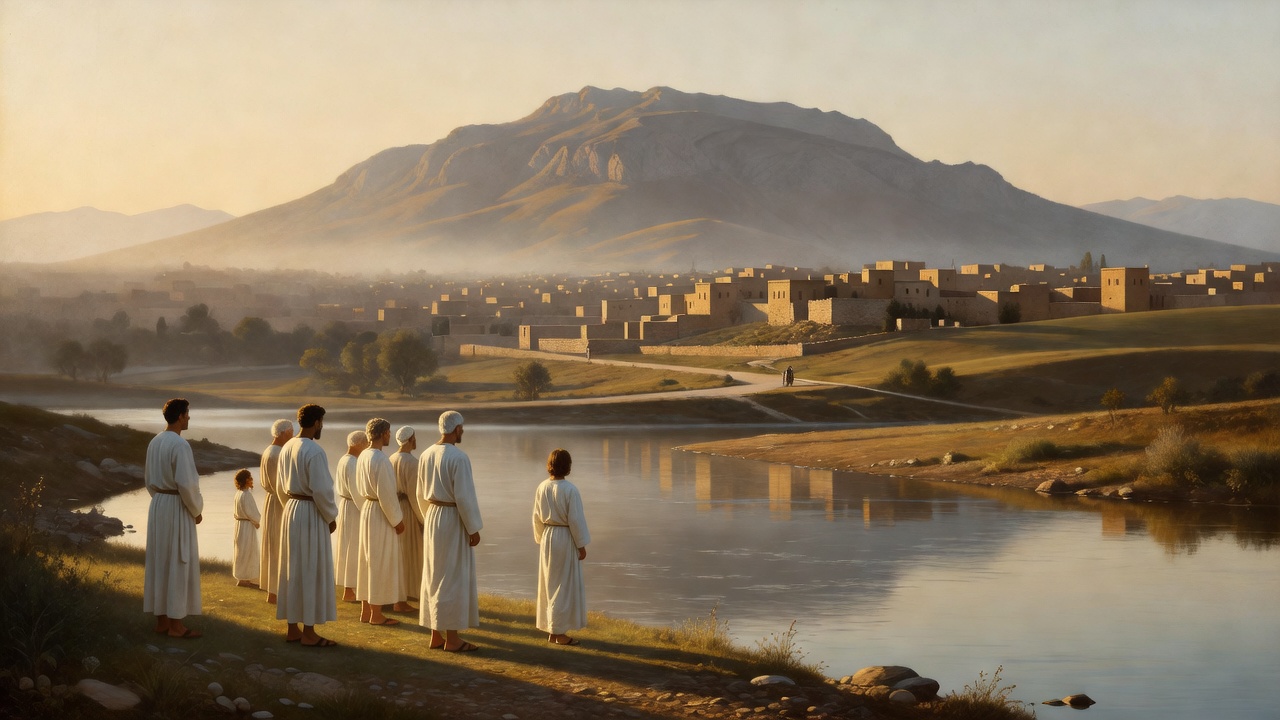
- El capítulo 3 de Apocalipsis reúne cartas a iglesias de tres ciudades de Asia Menor. Sardis, la metrópoli de Lidia, estaba a orillas del río Pactolo, al pie del monte Tmolo. Filadelfia, nombre que significa “amor fraternal”, quedaba a unas veinticinco millas al sureste de Sardis; Laodicea estaba junto al Lico, donde se encuentran Frigia y Lidia, a unas cuarenta millas al este de Éfeso.Fuentes: Sardis · Philadelphia · Laodicea · el propio texto bíblico
- Laodicea se llamó primero Dióspolis y luego Roas. Después recibió el nombre de Laodicea por Laodice, esposa de Antíoco II, rey de Siria, quien la reconstruyó. El Easton's Bible Dictionary (1897) la presenta como una de las ciudades más importantes y prósperas de Asia Menor y como un antiguo centro destacado del cristianismo; en la carta se dice que esa iglesia afirma ser rica, haberse enriquecido y no necesitar nada.Fuentes: Laodicea · el propio texto bíblico
- La carta a Filadelfia habla de una “sinagoga de Satanás” y de personas que dicen ser judías, pero a quienes llama mentirosas. Satanás significa “adversario” o “acusador”, y en el Nuevo Testamento el nombre se usa de manera intercambiable con el diablo.Fuentes: Satan · el propio texto bíblico
Notas escritas con ayuda de IA a partir de fuentes abiertas (Theographic Bible Metadata, CC BY-SA 4.0; Easton’s Bible Dictionary, dominio público) y revisadas antes de publicarse.
Lugares de este capítulo
- Sardis · 38.488, 28.040 · versículos 1, 4
- Philadelphia · Hoy: Alaşehir · 38.350, 28.517 · versículo 7
- Jerusalem · 31.777, 35.234 · versículo 12
- Laodicea · Hoy: Laodicea on the Lycus · 37.836, 29.108 · versículo 14
Solo aparecen lugares identificados con alta confianza (90 % o más según las fuentes académicas reunidas por OpenBible). Mapa de la época: DARE (Digital Atlas of the Roman Empire), CC BY 4.0; mapa actual: © colaboradores de OpenStreetMap; lugares: OpenBible.info (CC BY 4.0).
Créditos y licencia de esta traducción
Thai Phum Holy Bible
The Holy Bible in the Thaiphum Chin language of Myanmar
Copyright © 2020 Batupuei Christian Fellowship
Language: Thai Phum (Chin, Thaiphum)
Translation by: Batupuei Christian Fellowship
copyright only valid in Myanmar; Public Domain elsewhere
This translation is made available to you under the terms of the
Creative Commons Attribution Share-Alike license 4.0.
You have permission to share and redistribute this Bible translation in any format and to make reasonable revisions and adaptations of this translation, provided that:
You include the above copyright and source information.
If you make any changes to the text, you must indicate that you did so in a way that makes it clear that the original licensor is not necessarily endorsing your changes.
If you redistribute this text, you must distribute your contributions under the same license as the original.
Pictures included with Scriptures and other documents on this site are licensed just for use with those Scriptures and documents.
For other uses, please contact the respective copyright owners.
Note that in addition to the rules above, revising and adapting God's Word involves a great responsibility to be true to God's Word. See Revelation 22:18-19.
2024-05-01
Fuente: http://ebible.org/cth/ · eBible.org