Isaías 29
Thai Phum Holy Bible · Toca un versículo para ver sus referencias cruzadas.
Jerusalem ni kâhmo e hno
1Ariel kho, Ariel kho, Devit ni a tungpupnae kho a rawk toe. Kum touh hnukkhu kum touh pakawi awh. Pawinaw hah patuen patuen to awh. 2Hatei, kai ni Ariel kho hah runae ka kâhmo sak han. Hote kho dawk khuikanae hoi cingounae ao han. Hote kho teh ka hmalah Ariel kho patetlah ao han. 3Kai teh nangmouh petkâkalup lah ransanaw ka tungpup sak han. Ramvengimnaw hoi pet na kalup vaiteh, lampawpkhunaw hai ka tai han. 4Nang teh rahnoum sak lah na o vaiteh, talai thung na deipan han. Rep na tabonae vaiphu thung hoi na lawk a tâco han. Na lawk teh kahrai lawk patetlah talai thung hoi a tâco han. Na lawk teh talai thung hoi paiyaicalah thai lah ao han. 5Hatei, na tarannaw teh vaiphu patetlah ao awh vaiteh, kamathengnaw hai palek e cahik patetlah ao awh han. 6Vaitalahoi pouk laipalah, ransahu BAWIPA ni khoparit lawk, tâlî, puenghoi kacai e lawk, ka kang e hmaipalai naw sin vaiteh, nang koe pai hanelah a tho han. 7Ariel kho ka tuk e ram pueng dawk e ransanaw, hote kho hoi hote kho hah ka tuk ni teh hote kho ka rektap e tami pueng teh, mang patetlah tangmin e vision patetlah ao han. 8A von ka hlam e ni bu ka ca toe telah a mang a sak eiteh, a kâhlaw toteh, a von toungloung a hlam e patetlah thoseh, tui kahran e ni hai, tui ka nei toe telah a mang a sak eiteh, a kâhlaw toteh tui toung loung a kahran e patetlah thoseh Zion mon ka tuk e ram pueng dawk e ransanaw teh ao awh han.
Kâhruetcuetnae lawk apinihai banglahai ngâi awh hoeh
9Hmoung tet awh nateh, hmoung ngam awh. Mit dawn awh nateh, hmawt laipalah awm awh. Misur net laipalah parui awh. Yamu net laipalah rawrawcu laihoi cet awh. 10Bangkongtetpawiteh, BAWIPA ni inae hoi kâkuen e muitha hah nangmae lathueng a awi vaiteh, nangmae profet mitnaw hah tabuem vaiteh, na hmunae lûnaw hah a ramuk han.
11Nangmouh hanelah vision pueng teh, tacikkin e ca thung e lawklungnaw patetlah ao. Hot hah cakathoumnaw koe poe vaiteh, hete ca hah atu touk haw, telah na tetpawiteh, ahni ni, hete ca teh tacikkin lah ao dawkvah, kai ka touk thai hoeh, telah bout ati han. 12Hahoi hote ca hah, ca kathoum hoeh e koe bout poe nateh, hete ca hah atu touk haw, telah na tetpawiteh, ahni ni, kai teh ca ka thoum hoeh bout ati han.
13Bawipa ni, hete miphunnaw ni pahni hoi kai koe rek na hnai awh teh, amamae pahni hoi kai hah na pholen awh. Ahnimae lungthin teh kai hoi a kâhla poung. Ahnimouh ni tami ni sak e kâlawk hoi kai hah na taki awh. 14Hatdawkvah, khenhaw! Hete miphun koe kângairu hno buet touh hnukkhu buet touh hah puenghoi kângairu sak nahanelah, bout ka patue han rah. Ahnimouh thung e a lungkaangnaw e lungangnae teh a rawk han. Kathoumnaw e thoumnae hai a kahma han telah ati.
Kadumyenkungnaw
15BAWIPA ni panue hoeh nahanelah pouknae teh kadung poung lah a hro awh teh, amamae sakyoenae teh hmonae koe a sak awh teh, kaimouh hah apinimouh na hmu va, kaimouh hah apinimouh na panue va, telah ouk ka tet e taminaw teh a yawthoe awh. 16Nangmouh ni palet lah na o sak awh toe. Hlaam ka bo e hah amhru patetlah pouk kawi na maw. Sak lah kaawm e ni kasakkung hanelah, ahni ni kai na sak e nahoeh, telah ati kawi na maw. Sakyoe lah kaawm e hno ni, ka sakyoe hanelah, ahni teh banghai panuek hoeh, ati kawi na maw.
17Lebanon mon teh talai ahawi lawhmuen lah ao teh, talai kahawi e lawhmuen teh ratu lah ao nahan sica doeh a ngai toe. 18Hatnae hnin dawkvah, hnâ ka thai hoeh e naw ni Cakathoung e lawk a thai awh han. Mitdawnnaw ni vuivainae hoi hmonae dawk hoi hlout awh vaiteh, mit a hmu awh han. 19Lung kârahnoum e naw teh, BAWIPA dawk lunghawinae hah a katha lah bout a hmu awh han. Ayâ rahak kamathoe e taminaw teh, Isarelnaw e kathounge Bawipa dawk a lunghawi awh han. 20Bangkongtetpawiteh, ka mathengpaan e tami teh kahmat vaiteh, ka dudam e tami teh a kahma han. 21Yonnae sak hanelah a pawp teh, lawk lahoi tami buetbuet touh a yon sak teh, kho longkha koe ahni hanelah karap ka patung pouh e tami hoi ayawmyin lah tami kalannaw e ham hah ka lawm e tami pueng teh, raphoe lah ao awh han. 22Hatdawkvah, Abraham ka rungngang e BAWIPA ni, Jakop miphun hoi kâkuen lah, Jakop miphun teh a hnukkhu kayanae hoi minhmai mathoenae hai awm mahoeh toe. 23Ahnimouh ni kai ni ka sak e hno a hmu awh navah, kaie ka min hah amamae lungui vah a thoungsak awh han. Jakop miphun e kathounge BAWIPA teh a thoung tet awh vaiteh, Isarel Cathut teh a taki awh han. 24Lam ka phen e naw ni thaipanueknae hoi kâkuen e muitha hah coe awh vaiteh, lunghminhoehnae hoi ka cingou e naw ni hai cangkhainae lawk hah a dâw awh han telah ati.
¿Sabías que…?
El asedio y la restauración de Ariel
- El nombre Ariel se utiliza simbólicamente en este pasaje para Jerusalén, la ciudad donde acampó el rey David. El término también se asocia con el hogar de un altar de holocaustos, describiendo a la ciudad soportando un intenso asedio y aflicción antes de su repentina liberación.Fuentes: Ariel · David · el propio texto bíblico
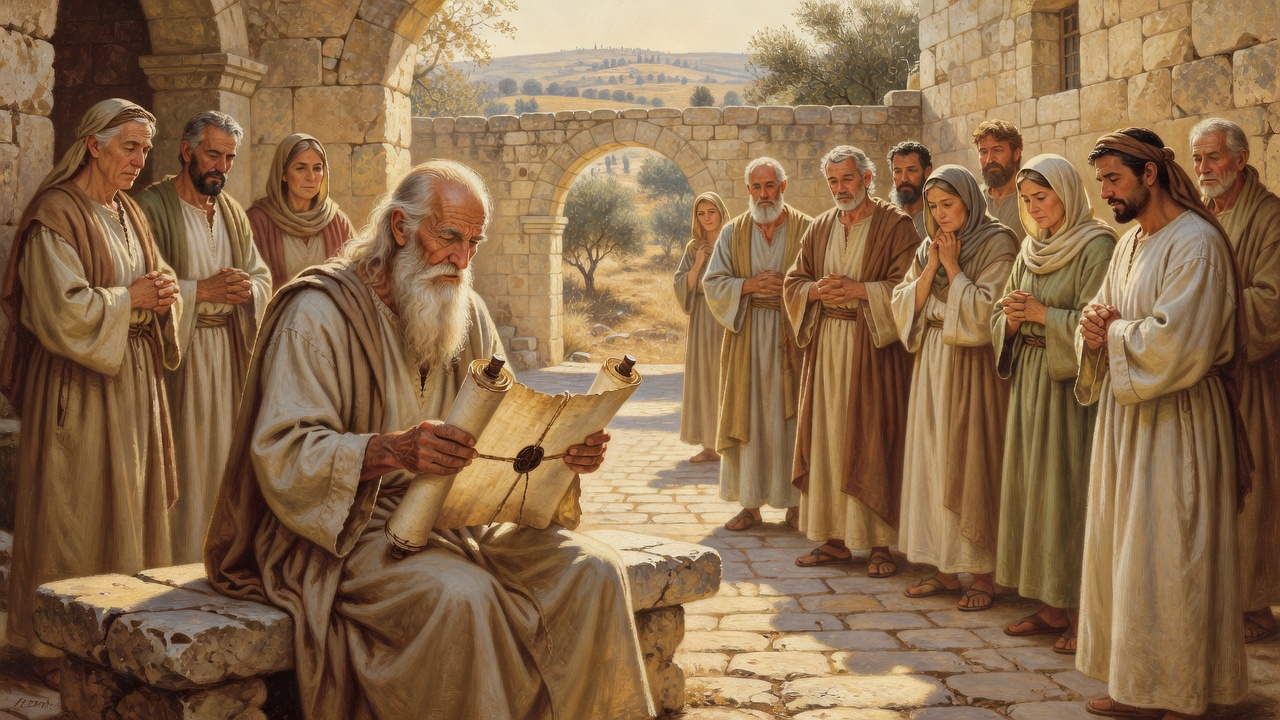
- Isaías compara la insensibilidad espiritual del pueblo con un rollo sellado que los letrados no pueden abrir y los analfabetos no pueden leer. Condena a quienes invierten el orden natural al actuar como si el barro pudiera cuestionar al alfarero que lo formó.Fuentes: el propio texto bíblico
- El capítulo promete una transformación drástica en la que la gran región montañosa del Líbano se convertirá en un huerto fértil. En aquel día, a los descendientes de Jacob y Abraham se les promete entendimiento, gozo y justicia mientras los ciegos ven y los sordos oyen.Fuentes: Lebanon · Abraham · Jacob (Israel) · el propio texto bíblico
Notas escritas con ayuda de IA a partir de fuentes abiertas (Theographic Bible Metadata, CC BY-SA 4.0; Easton’s Bible Dictionary, dominio público) y revisadas antes de publicarse.
Lugares de este capítulo
- Ariel · Hoy: Jerusalem · 31.777, 35.234 · versículos 1, 2, 7
- City of David · 31.774, 35.236 · versículo 1
- Jerusalem · 31.777, 35.234 · versículos 2, 3
- Mount Zion · 31.772, 35.229 · versículo 8
- Lebanon · 33.540, 35.584 · versículo 17
Solo aparecen lugares identificados con alta confianza (90 % o más según las fuentes académicas reunidas por OpenBible). Mapa de la época: DARE (Digital Atlas of the Roman Empire), CC BY 4.0; mapa actual: © colaboradores de OpenStreetMap; lugares: OpenBible.info (CC BY 4.0).
Créditos y licencia de esta traducción
Thai Phum Holy Bible
The Holy Bible in the Thaiphum Chin language of Myanmar
Copyright © 2020 Batupuei Christian Fellowship
Language: Thai Phum (Chin, Thaiphum)
Translation by: Batupuei Christian Fellowship
copyright only valid in Myanmar; Public Domain elsewhere
This translation is made available to you under the terms of the
Creative Commons Attribution Share-Alike license 4.0.
You have permission to share and redistribute this Bible translation in any format and to make reasonable revisions and adaptations of this translation, provided that:
You include the above copyright and source information.
If you make any changes to the text, you must indicate that you did so in a way that makes it clear that the original licensor is not necessarily endorsing your changes.
If you redistribute this text, you must distribute your contributions under the same license as the original.
Pictures included with Scriptures and other documents on this site are licensed just for use with those Scriptures and documents.
For other uses, please contact the respective copyright owners.
Note that in addition to the rules above, revising and adapting God's Word involves a great responsibility to be true to God's Word. See Revelation 22:18-19.
2024-05-01
Fuente: http://ebible.org/cth/ · eBible.org