Eclesiastés 5
Thai Phum Holy Bible · Toca un versículo para ver sus referencias cruzadas.
Cathut hah taket
1Cathut e im koe na cei navah na khok kâhruetcuet. Tami pathu ni a sak e thuengnae a sak e hlak teh, lawk thai hanelah hoe kâyawm. Tamipathunaw teh mae yonnae naw pouk awh hoeh. 2Na pahni hah kâhruetcuet. Cathut hmalah lawk na dei han navah na lungthin rang sak hanh. Cathut teh kalvan vah ao. Nang teh talai dawk na o. Hatdawkvah lawk moikapap dei hanh. 3Tawksaknae apap e lahoi mang ouk mang e patetlah lawk papnae lahoi pathunae lawk thai lah o.
4Cathut koe lawkkamnae na sak pawiteh lawkkam sak laipalah awm hanh. Cathut ni tamipathunaw koe lungkuep hoeh. Lawk na kam e patetlah sak. Lawk na kam e patetlah sak loe. 5Lawkkam tarawi hoeh e hlak teh khoeroe kam laipalah awm pawiteh bet ahawihnawn. 6Na pahni ni na tak dawk yon phat sak hanh naseh. Ka payon toe telah a laiceinaw e hmalah dei hanelah awm sak hanh. Bangkongmaw na lawkdei e dawk Cathut a lungphuen vaiteh na sakyoe e a raphoe han vaw. 7Mang apapnae dawk thoseh, lawk apapnae dawk hai thoseh, kacungkeihoehe hno doeh. Nang teh Cathut hah taket haw.
Tawntanae hoi Barinae ahrawnghrang doeh
8Kho dawkvah ka roedeng naw ka pacekpahlek e, lam ka phen sak e, kamsoumhoehe laidei ka tâtueng naw na hmu navah, ahnimouh kecu dawk na kângairu sak hanh. Bawi buet touh ni buet touh a panue e patetlah kacuehloe e bawi ni patuen a panue doeh. 9Talai dawk e tawnta e naw hateh a cawngca hanelah doeh. Siangpahrang nakunghai laikawk hoi kâkawk e doeh.
10Tangka ka raduek e teh tangka ni a ngainae kuep sak mahoeh. Hnopai ka tawn poung e hai hoehoe a tawn ei, a lungkuep thai hoeh. Hot naw pueng teh ahrawnghrang doeh. 11Hnopai hoe apap navah ka catnet e hai hoe a pap. Hno katawnkung ni a mit hoi a khet e doeh yawhawinae lah kaawm. 12Thaw ka tawk e tami teh moi a ca nakunghai thoseh, yitca a ca nakunghai thoseh a ihmu atui. Ka tawnta e tami teh a tawn e hno ni ip sak thai hoeh.
13Ka tawnta kung teh a tawn e a hnopai ni runae a poe. Hote hno teh kanî rahim vah kathout poung e hno lah ao. 14Hote hnopai teh kahawihoehe hno ni a kamko sak. Hnopai katawnkung a capa haiyah kuthrawng lah doeh ao. 15Hoehpawiteh, hno katawnkung teh a manu von thung hoi caici lah a khe e patetlah bout a ban han. Kâyawm laihoi a hmu e hnopai buet touh boehai bout sin thai mahoeh. 16Ahni teh a tâco e patetlah banghai lanae awm laipalah bout ban e hateh, hno kathout doeh. Kahlî man hanelah kâyawm e tami teh bangmaw hawinae kaawm. 17Ahnie hnin a tha teh kahmawt thung doeh a loum sak. Tarawknae, Lungmathoe, lungkhueknae doeh a pang awh.
18Kai ni ka hmu e naw hateh, canei e, kanî rahim vah Cathut ni na poe e hringnae hoi hring yunglam kâyawm teh hawinae coe dawkvah lunghawikhai hanelah ao. Ahawi ngounh. Hot hateh tami hane doeh. 19Cathut ni na poe e hno ka tawnta pueng, ma hanelah coe teh pang hanelah thoseh, kâyawmnae dawk nawmnae thoseh, Cathut pahrennae dawk hoi doeh coe awh. 20Kaloum tangcoung e ahninnaw hah ngailawi pouk hanh. Lungthin nawmnae teh Cathut ni doeh na poe awh.
¿Sabías que…?
Reverencia, justicia y los límites de la riqueza
- El autor advierte contra las palabras apresuradas en el culto, recordando a los adoradores que Dios está en el cielo mientras los mortales están en la tierra. Los votos hechos a Dios se consideraban compromisos serios; el texto advierte que demorar o incumplir un voto es una necedad, por lo que es preferible no hacer votos que prometer y no cumplir.Fuentes: el propio texto bíblico
- Al abordar la injusticia y la opresión de los pobres en una provincia, el autor señala la burocracia gubernamental estratificada, donde cada funcionario es supervisado por una autoridad superior. A pesar de esta jerarquía administrativa, todos los niveles, incluido el rey, dependen en última instancia de los frutos del campo.Fuentes: el propio texto bíblico
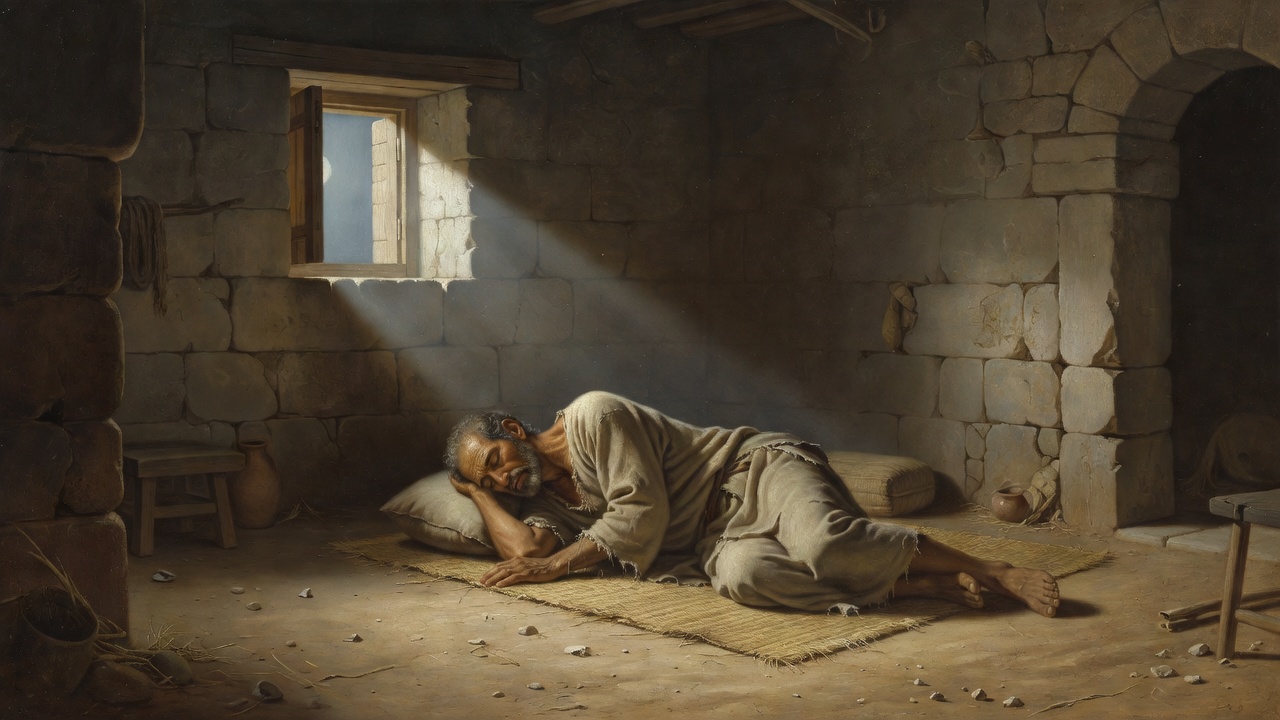
- El capítulo contrasta el insomnio inquieto de los ricos con el sueño dulce del trabajador común, señalando que el afán por las riquezas no produce una satisfacción duradera. El verdadero contento surge cuando la persona acepta su porción y disfruta de la comida, la bebida y el trabajo honesto como dones de Dios.Fuentes: el propio texto bíblico
Notas escritas con ayuda de IA a partir de fuentes abiertas (Theographic Bible Metadata, CC BY-SA 4.0; Easton’s Bible Dictionary, dominio público) y revisadas antes de publicarse.
Créditos y licencia de esta traducción
Thai Phum Holy Bible
The Holy Bible in the Thaiphum Chin language of Myanmar
Copyright © 2020 Batupuei Christian Fellowship
Language: Thai Phum (Chin, Thaiphum)
Translation by: Batupuei Christian Fellowship
copyright only valid in Myanmar; Public Domain elsewhere
This translation is made available to you under the terms of the
Creative Commons Attribution Share-Alike license 4.0.
You have permission to share and redistribute this Bible translation in any format and to make reasonable revisions and adaptations of this translation, provided that:
You include the above copyright and source information.
If you make any changes to the text, you must indicate that you did so in a way that makes it clear that the original licensor is not necessarily endorsing your changes.
If you redistribute this text, you must distribute your contributions under the same license as the original.
Pictures included with Scriptures and other documents on this site are licensed just for use with those Scriptures and documents.
For other uses, please contact the respective copyright owners.
Note that in addition to the rules above, revising and adapting God's Word involves a great responsibility to be true to God's Word. See Revelation 22:18-19.
2024-05-01
Fuente: http://ebible.org/cth/ · eBible.org