Hechos 24
Ɨ niuucari tɨ jejcua, tɨ ajta jɨme'en ra'axa a'ɨjna ɨ tavastara'a, ɨ Cɨriistu'u tɨ ji'i Jesús tɨ̀ tu'irájtuaa · Toca un versículo para ver sus referencias cruzadas.
Tɨ́ꞌɨj nuꞌu Pablo ruseɨ́j rujapua huaniú aꞌɨ́jna jemi ɨ́ Félix
1Anxɨ́j xɨcaj pu teuuméꞌeca, tɨ́ꞌɨj aꞌɨ́ɨn ɨ́ Ananias ɨ́ tɨ tíꞌaijta u teyujtaꞌa, aꞌɨ́ɨ pu aꞌucanée aꞌujna Cesarea aꞌɨ́mej jamuan ɨ́ huaꞌavaujsi, ajta seɨ́j tɨ abogado pɨ́rɨcɨ. Ayee pu ántehuaa aꞌɨ́jna tɨjɨ́n Tértulo. Aꞌɨ́ɨ mú tiꞌitɨ́j jɨ́n jetzen teꞌujpuáꞌajte aꞌɨ́jna ɨ́ Pablo ɨ́ tajtuhuan jemi. 2Matɨ́ꞌɨj u yaꞌutajé ɨ́ Pablo, aj pu i aꞌɨ́ɨn Tértulo aꞌutéjche tɨ tiraaxájtziꞌi. Ayee pu tiraataꞌixaa aꞌɨ́jna ɨ́ Félix tɨjɨ́n:
―Tuꞌuri hui jeíhua rɨ́ꞌɨ tiꞌitechée naa taxɨéehua pajta pauj múꞌee tíꞌitaꞌaijteꞌe. Jéihua pej rɨ́ꞌɨ tirájteuve éꞌe tzajtaꞌa tetáꞌaj jaítzeꞌe rɨ́ꞌɨ yee tíꞌitechéjmeꞌeni. 3Nain tu teri ancuréꞌa. Aꞌɨ́j tu jɨ́n naa titaatátemuaꞌave nainjapua. Rɨ́ꞌɨ tu timuaatáꞌaca múꞌee Félix pej iꞌi tajtuhuan, pej jeíhua naa rɨ́ꞌɨ tíꞌiruure. 4Aru tetáꞌaj caí máàj muáꞌɨtzee, ayée nu tíꞌimuahuavii pej aꞌatzu huatáꞌan ɨ́ caꞌaníjraꞌa pej aꞌatzu táanamua tej timuaatáꞌixaateꞌesin.
5’Jaꞌiné amɨjna mɨ tevi, jeíhua tuꞌuri hui tirájteuriꞌiriꞌi tɨ tíꞌitziita íiyen chaanaca japua. Nain japua pu caꞌanéjri huaꞌutáꞌa ɨ́ teɨte ɨ́ mej Israél jetze ajtémeꞌecan mej mi huaujnéꞌusiꞌiteꞌen. Aꞌɨ́ɨ pu ajta antiújmuaꞌaree aꞌɨ́mej jɨmeꞌe ɨ́ mej ráꞌatzaahuateꞌe meꞌɨ́jna tɨ Nazarét éꞌemeꞌecan. 6Ajta aꞌɨ́ɨ pu huataújtese tɨ raatéxɨeehuata ɨ́ teyuu. Aꞌɨ́j tu hui jɨ́n rajvíꞌi. Ayee tu tíꞌijxeꞌeveꞌecaꞌa tej puaíjtzi raatáꞌan aꞌij tɨ téꞌeyuꞌusiꞌi ɨ́ yuꞌuxari jetze.
7’Ajta aꞌuun tɨ taꞌamuájca, aꞌɨ́jna ɨ́ Lisias, aꞌɨ́ɨ pu aꞌuun aꞌuteájrupi. Tɨ́ꞌɨj i táꞌajajniꞌiriꞌi caꞌanéeri jɨmeꞌe. 8Ajta ayén titaatáꞌixaa tɨjɨ́n mej múꞌeetzi jemi aꞌuvéꞌejuꞌun ɨ́ mej tíꞌijxajtziꞌi. Tɨ puaꞌa nuꞌu múꞌee aseɨ́j petiraaꞌíhuaꞌu, aj pej xaa ramuaꞌaréeren tɨ ayén tiꞌayajna nain ɨ́ tej jɨ́n tiꞌitɨj jɨ́n jetzen tíꞌijpuaꞌajteꞌe. ―Ayee pu tiraataꞌixaa aꞌɨ́jna ɨ́ Tértulo.
9Majta meꞌɨ́n ɨ́ mej aꞌutéꞌuucaꞌa ɨ́ mej Israél jetze ajtémeꞌecan, aꞌɨ́ɨ mú majta naímiꞌi miyen tiuꞌutaxájtacaꞌa tɨjɨ́n:
―Ayee pu tiꞌayajna.
10Aj pu i aꞌɨ́ɨn tajtuhuan rumuájcaꞌa jɨ́n tiraataꞌixaa aꞌɨ́jna ɨ́ Pablo ayén tɨjɨ́n:
―Patáꞌaj hui tiuꞌutaxáj.
Tɨ́ꞌɨj i Pablo ayén tiuꞌutaxájtacaꞌa tɨjɨ́n:
―Rɨ́ꞌɨ pu hui tinaatáꞌa nej huatánneꞌa inee, aꞌiné néjmuaꞌaree tɨjɨ́n juees pej pɨ́rɨcɨ aꞌíjna chuéjraꞌa japua. Pepuꞌuri áꞌatee pej juees pɨ́rɨcɨ. 11¿Aꞌiné tíꞌirɨꞌɨri pej ráamuaꞌaree tɨ ayén tiꞌayajna? Auchén pu tamuáamuataꞌa japuan huaꞌapua xɨcaj áꞌatee nej aꞌán aꞌujnéj án Jerusalén nej ni rɨ́ꞌɨ tiraatáꞌan ɨ́ Dios.
12’Majta aꞌɨ́ɨme ɨ́ mej tíꞌinexajtziꞌi, matɨ́ꞌɨj naateeviꞌi, canu huaꞌajteáꞌaxɨꞌɨcaꞌa ɨ́ teɨte aꞌujna teyujtaꞌa tɨ veꞌée tzajtaꞌa, ni canu neajta caꞌaníjraꞌa huaꞌatáꞌaca mej huataníniuꞌucacun aꞌujna teyujtaꞌa, ni canu neajta caꞌaníjraꞌa huaꞌatáꞌaca neꞌújna u chajtaꞌa. 13Amɨ́ɨme mɨ teɨte, camu majta aꞌij tirájteusin ɨ́ mej jɨ́n ne jetze teꞌujpuáꞌajteꞌen.
14’Ayee nuꞌu xaa tíꞌimuaꞌixaateꞌe. Nee nu hui ravaɨreꞌe ɨ́ Dios ɨ́ mej ranáꞌamicheꞌe ɨ́ nevaújsimuaꞌacɨꞌɨ. Nee nu ravaɨreꞌe neꞌɨ́jna jɨmeꞌe ɨ́ yeꞌirá ɨ́ mej jetzen huajúꞌucaa. Aꞌɨjna jɨmeꞌe ɨ́ neyeꞌirá, ayée mú tiꞌixa amɨ́ɨme tɨjɨ́n neseɨ́j nu aꞌij tirájteu. Mɨ neajta, canu. Nain nu hui ántzaahua aꞌij tɨ yeꞌí téꞌeyuꞌusiꞌi ɨ́ yuꞌuxari jetze ɨ́ tɨ teꞌanxɨ́vi, neajta nain aꞌachú mej caj raꞌuyúꞌuxacaꞌa aꞌɨ́ɨme ɨ́ mej tíꞌixaxaꞌataꞌa ɨ́ Dios jetze meꞌecan.
15’Ayee nu hui neajta inee tirájxeꞌeviꞌiraꞌa ɨ́ Dios jemi, matɨ́j amɨ́ɨme neꞌɨ́jna jɨmeꞌe mej huatarújsin ɨ́ mɨꞌɨchite tzajtaꞌa ɨ́ mej meri huácuii, aꞌɨ́ɨme ɨ́ mej rɨ́ꞌɨ tíꞌiteteɨtestacaꞌa, majta aꞌɨ́ɨme ɨ́ mej aꞌij puaꞌa titeetiújchaꞌɨɨca. 16Aj nu hui jɨ́n tíꞌiteseꞌe nej niyen rɨꞌéeneꞌe mé néꞌucheꞌecaneꞌen ɨ́ Dios jemi, neajta huáꞌa jemi ɨ́ teɨte.
17’Tɨ́ꞌɨj teuuméꞌeca aꞌachú puaꞌan nineꞌiraꞌa nej áꞌucheꞌecan nej ni tumin huaꞌutáꞌan ɨ́ neteɨ́testemuaꞌa, neajta tiuꞌutámuaɨꞌɨvejtan ɨ́ Dios jemi. 18Netɨ́ꞌɨj ni u eꞌehuánjejcuare aꞌij tɨ téꞌaxa ɨ́ tayeꞌirá jɨmeꞌe ɨ́ yuꞌuxari jetze. Ayee nu rɨjcaa matɨ́ꞌɨj seica taaseíj meꞌújna teyujtaꞌa tɨ veꞌée.
19’Aꞌɨ́ɨ mú meꞌɨ́n púꞌeeneꞌe ɨ́ mej meꞌuun éꞌemeꞌecan aꞌuun tɨ huatacáꞌa aꞌujna Asia. Camu jeíhua á éꞌeteɨtestacaꞌa ineetzi jemi, camu majta rúꞌitziiteꞌecaꞌa. Tɨ puaꞌa tiꞌitɨ́j aꞌij metéꞌumuaꞌareere ineetzi jemi, michéꞌe meꞌɨ́n yé veꞌeréꞌenen múꞌeetzi jemi mej mi meꞌɨ́jna jɨ́n ne jetze teꞌujpuáꞌajteꞌen. 20Naꞌari caí, michéꞌe memɨ́n mɨ mej yé huatéꞌuu raataxáj tiꞌitɨ́j ɨ́ nej jɨ́n auteájturaa netɨ́ꞌɨj neꞌuun aꞌutéveecaꞌa huáꞌa jemi ɨ́ huáꞌa jueesi.
21’Tij caí hui aꞌɨ́ɨ púꞌeen ɨ́ tiꞌitɨ́j ɨ́ nej jɨ́n auteájturaa netɨ́ꞌɨj u aꞌutéveecaꞌa huáꞌa jemi, netɨ́ꞌɨj ni huajíjhuacaꞌa niyen tɨjɨ́n: “Múꞌeen xu tíꞌinexajtziꞌi íjii seꞌɨ́jna jɨmeꞌe ɨ́ nej téꞌatzaahuateꞌe aꞌɨ́jna jɨmeꞌe mej nuꞌu majtáhuaꞌa huatarújsin ɨ́ mɨꞌɨchite.” ―Ayee pu tiuꞌutaxájtacaꞌa aꞌɨ́jna ɨ́ Pablo.
22Tɨ́ꞌɨj Félix ráanamuajriꞌi, capu raꞌaránajchecaꞌa tɨ raaxɨ́ꞌepɨꞌɨntareꞌen. Aꞌiné aꞌɨ́ɨ pu rúꞌumuaꞌareerecaꞌa aꞌij tɨ éeneꞌe ɨ́ huaꞌayeꞌira ɨ́ mej téꞌatzaahuateꞌe. Ayee pu tihuaꞌutáꞌixaa tɨjɨ́n:
―Cheꞌe miꞌi uvéꞌenen ɨ́ xantaaruꞌu ɨ́ taꞌamuájca aꞌɨ́jna ɨ́ Lisias. Aj nu temuaꞌa naa tíꞌijmuaꞌareeren aꞌíjna ɨ́ sej jɨ́n tíꞌijxajtziꞌi múꞌeen.
23Aj pu ꞌi Félix aꞌɨ́jna huataꞌáij ɨ́ xantaaruꞌu tɨ anxɨ́te tíꞌaijta tɨ auj rachaꞌɨɨca aꞌɨ́jna ɨ́ Pablo. Ajta nuꞌu aꞌatzu raatáꞌan tɨ áꞌucheꞌecaneꞌen ruseɨ́j. Ajta mej ráamuaare ɨ́ amiigustemuaꞌameꞌen, majta tiꞌitɨ́j tiraatáꞌan tɨ tiráꞌaturaateꞌe. Ajta aꞌɨ́jna ɨ́ Félix, aj pu i áꞌuraa.
24Tɨ́ꞌɨj teuuméꞌeca aꞌachú puaꞌan xɨca, ajtahuaꞌa pu uvéꞌene aꞌɨ́jna ɨ́ Félix, ajta jamuan ɨ́raꞌaraꞌan tɨ ayén ántehuaa tɨjɨ́n Drusila. Aꞌɨ́ɨ pu Israél jetze ajtémeꞌecan. Tɨ́ꞌɨj i raataꞌaíjtacaꞌa ɨ́ Pablo tɨ i aꞌɨ́ɨn tiraataꞌíhuaꞌu aꞌɨ́jna jɨmeꞌe tɨ puaꞌa jaꞌatɨ ráꞌatzaahuateꞌe aꞌɨ́jna ɨ́ Jesús, tɨ iꞌi Cɨríistuꞌu.
25Pablo pu ayén tiraataꞌixaa tɨ ayén tiúꞌujxeꞌeveꞌe tɨ jaꞌatɨ ayén huárɨni ɨ́ tɨ iꞌi xɨ́ꞌepɨꞌɨn jɨmeꞌe naíjmiꞌica jemi, ajta nuꞌu tɨ rɨ́ꞌɨ huaꞌutéchaꞌɨɨn. Pablo pu ajta ayén aꞌɨ́jna tiuꞌutáꞌixaa aꞌɨ́jna ɨ́ Félix tɨ Dios ayén puaíjtzi tihuaꞌutáꞌasin aꞌɨ́ɨme ɨ́ mej yen seijreꞌe íiyen ɨ́ chaanaca japua. Aꞌɨ́j pu jɨ́n tiuꞌutátziɨn aꞌɨ́jna ɨ́ Félix. Aj pu i ayén tiraataꞌixaa tɨjɨ́n:
―Patáꞌaj áꞌuraꞌani íjii. Nemuaatájeevi hui neajtahuaꞌa netɨ́ꞌɨj huatácɨꞌɨpe. Aj nu ni muánamuajran neajtahuaꞌa.
26Mɨ ajta aꞌɨ́ɨn Félix ayée pu tíꞌijxeꞌeveꞌecaꞌa tɨ Pablo tumin raatáꞌan aꞌɨ́jna jɨmeꞌe tɨ raatátuaani. Aꞌɨ́j pu jɨ́n jeíhua pu raataꞌaíjtacaꞌa tɨ tiuꞌuxáj jamuan. 27Tɨ́ꞌɨj teuuméꞌeca huaꞌapua nineꞌiraꞌa, tɨꞌɨqui Félix airájraa tɨ tiꞌitéveecaꞌa tajtuhuan jɨmeꞌe. Tɨꞌɨquitáꞌi seɨj teꞌenteájrupi tajtuhuan jɨmeꞌe. Ayee pu ántehuaacaꞌa tɨjɨ́n Porcio Festo. Ajta aꞌɨ́ɨn ɨ́ Félix, ayée pu tíꞌijxeꞌeveꞌecaꞌa tɨ rɨꞌéeneꞌe huateáturan aꞌɨ́mej jemi ɨ́ mej Israél jetze ajtémeꞌecan. Aꞌɨ́j pu jɨ́n caí raatátuaa ɨ́ Pablo.
¿Sabías que…?
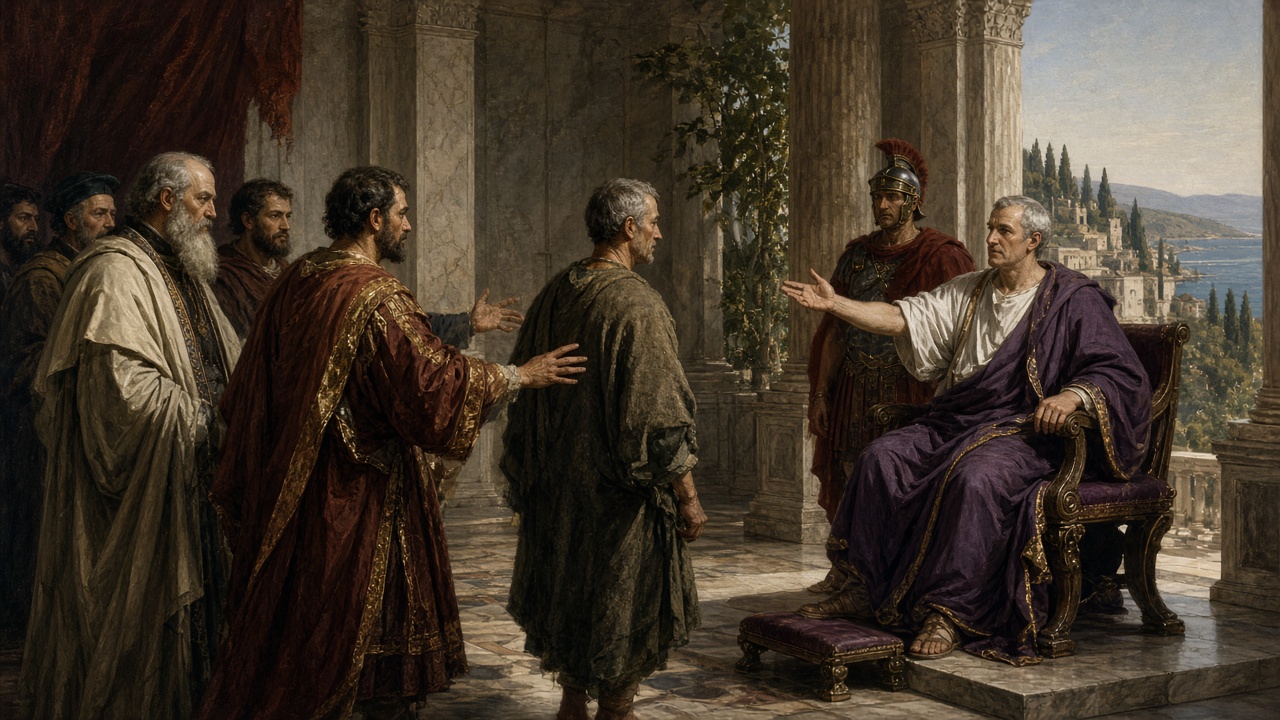
Pablo ante Félix
- El sumo sacerdote Ananías bajó con algunos ancianos y un abogado llamado Tértulo, a quien el Diccionario Bíblico de Easton describe como un abogado romano empleado por los judíos para exponer su causa contra Pablo ante Félix. Tértulo elogió al gobernador y luego dijo que Pablo era una peste que provocaba disensión entre los judíos por todo el mundo, cabecilla de la secta de los nazarenos y un hombre que había intentado profanar el templo. El diccionario relaciona ese elogio inicial con la limpieza que Félix hizo del país, al expulsar a bandidos e impostores.Fuentes: el propio texto bíblico · Tertullus · Felix
- Félix, que estaba bien informado acerca del Camino, aplazó la audiencia y mantuvo a Pablo bajo guarda, aunque le permitió cierta libertad y dejó que sus amigos atendieran sus necesidades. El relato dice que esperaba que Pablo le ofreciera un soborno y por eso lo mandaba llamar con frecuencia; el Diccionario Bíblico de Easton también afirma que al parecer esperaba un soborno y, por ello, tuvo varias entrevistas con él. Después de dos años lo sucedió Porcio Festo —el Diccionario Bíblico de Easton (1897) fecha ese nombramiento en el año 60 d. C.— y, queriendo hacer un favor a los judíos, Félix dejó a Pablo en prisión.Fuentes: el propio texto bíblico · Felix · Portius Festus
- Unos días después, Félix regresó con su esposa Drusila, que era judía, y escuchó a Pablo hablar de la fe en Cristo Jesús y de la justicia, el dominio propio y el juicio venidero; Félix se asustó y lo despidió. El Diccionario Bíblico de Easton (1897) identifica a Drusila como la tercera y la más joven hija de Herodes Agripa I y dice que Félix la indujo a dejar a su esposo, Azizus, rey de Emesa. La misma entrada dice que ella y su hijo perecieron en la erupción del monte Vesubio en el año 79 d. C.Fuentes: el propio texto bíblico · Drusilla
Notas escritas con ayuda de IA a partir de fuentes abiertas (Theographic Bible Metadata, CC BY-SA 4.0; Easton’s Bible Dictionary, dominio público) y revisadas antes de publicarse.
Lugares de este capítulo
- Caesarea · Hoy: Caesarea Maritima · 32.500, 34.892 · versículo 1
- Jerusalem · 31.777, 35.234 · versículos 11, 17
- Asia · 38.400, 28.300 · versículo 18
Solo aparecen lugares identificados con alta confianza (90 % o más según las fuentes académicas reunidas por OpenBible). Mapa de la época: DARE (Digital Atlas of the Roman Empire), CC BY 4.0; mapa actual: © colaboradores de OpenStreetMap; lugares: OpenBible.info (CC BY 4.0).
Créditos y licencia de esta traducción
Ɨ niuucari tɨ jejcua, tɨ ajta jɨme'en ra'axa a'ɨjna ɨ tavastara'a, ɨ Cɨriistu'u tɨ ji'i Jesús tɨ̀ tu'irájtuaa
New Testament in Cora, El Nayar Presidio De Los Reyes; crn (MX:crn:Cora, El Nayar)
copyright © 2008 Wycliffe Bible Translators, Inc.
Language: Cora, El Nayar
Translation by: Wycliffe Bible Translators, Inc.
Cora, Presidio de los Reyes [crn], Mexico
Copyright Information
© 2008, Wycliffe Bible Translators, Inc. All rights reserved.
This translation text is made available to you under the
terms of the Creative Commons License: Attribution-Noncommercial-No Derivative Works.
( http://creativecommons.org/licenses/by-nc-nd/3.0/ )
In addition, you have permission to port the text to different file formats, as long as you
do not change any of the text or punctuation of the Bible.
You may share, copy, distribute, transmit, and extract portions
or quotations from this work, provided that you include the above copyright
information:
You must give Attribution to the work.
You do not sell this work for a profit.
You do not make any derivative works that change any of the actual words or punctuation of the Scriptures.
Permissions beyond the scope of this license may be
available if you contact
us with your request.
The New Testament
in Cora, El Nayar
© 2008, Wycliffe Bible Translators, Inc. All rights reserved.
This translation is made available to you under the terms of the
Creative Commons Attribution-Noncommercial-No Derivatives license 4.0.
You may share and redistribute this Bible translation or extracts from it in any format, provided that:
You include the above copyright and source information.
You do not sell this work for a profit.
You do not change any of the words or punctuation of the Scriptures.
Pictures included with Scriptures and other documents on this site are licensed just for use with those Scriptures and documents.
For other uses, please contact the respective copyright owners.
2014-04-22
Fuente: http://ebible.org/crnNT/ · eBible.org