Hebreos 5
KAMEETHARI ÑAANTSI: Iñaaventaitzirira Avinkatharite Jesucristo · Toca un versículo para ver sus referencias cruzadas.
1Tema Pava ovakeri pairani atziri impairyeeteri omperatasorentsijanori. Iriitake kantakoventayetairine atziriite kaariperoshireyetatsiri. Iri pomeyetairone jashitakaitariri Pava. 2Tema atziri jinake irika omperatasorentsitaari, otzimimotziri opaita pomerentsitzimoyetariri. Irootake jiyotantarori jamatsinkaventari tzipinashirevaiyetachari atziriite ikaratzi pokashitziriri, masontzishireyetatsiri eejatzi. 3Jimatzitaro irirori ipomeventa okaratzi jashitakaariri Pava inkene impeyakoteneri ikaariperoshirevaitzi, jantziro ikempitapiintziniri atziriite. 4Tekatsimaita omperatasorentsitaari pairyaashitachane apaniro, aña Pava ovayetziriri, ikempitaakeri jovakeri pairani Aarón-ni.
5Ari ikantakari eejatzi Cristo, te iri pairyaashitachane apaniro ikempitakotaari omperatasorentsitaari onantari intharomentaventaityaari. Aña Ashitariri matakerori, ikantziri:
Notomi novimi eeroka,
Naakatake pirintanaa iroñaaka.
6Ipoña ikantake eejatzi:
Eeroka kantaitaachane pomperatasorentsitaarite,
Ari pinkempityaari ikantaranki Melquisedec.
7Tema pairani jatziritapaintzi Cristo, jiraaneentaka jiñaañaatakeri Pava, ikaikaimatake shintsiini jamaniri. Aña Pava, otzimimotziri ishintsinka, ari onkantakemi irovavisaakoteri eero jovamaantayeetari. Tema Cristo ñaapinkathatasorentsitaneri jinake, ikempisantakeri Pava ikovakotakeriri. 8Okantavetaka Cristo iriivetaka Itomi Pava, ikemaantsitapainta, tema ari jiñaakero tsika okanta ikempisantaitzi. 9Ikanta jimonkaratakaayeetakeri iranteri, arira omatakari jovavisaakoshiretairi inkarate kempisantairine, ari inkantaitatyeero iravisakotai. 10Ari okantakari, Pava omperatasorentsitakaariri, ari okempitakaro tsika okanta jomperatasorentsitakaakari pairani Melquisedec.
Ikamantantaitziro aririka ovashaantero aventaashiretari
11Tzimatsi osheki nokovavetari niyotaimiri tsika ikantakota irika. Iro kantacha ovana opomerentsita nomatemiro, tema kisoshire pikantayetaka, osamani onkantya pinkemathatantyaarori. 12Tema ari osamanitakera, noñaajaantakemi eerokatake iyotaantayetanaatsinemi. Iro kantacha eeniro okova intzime impaitya iyotaayetemine eerokaite, irojatzi irapiitayetaimi etayetarori jiyotaantaitziro iñaane Pava. Okempivaitakaro tsika ikantaitziri aparoni ithotaayetziri, tekera onkante impayeeteri tatsinaari ovanarontsi. 13Ari pikantari eerokaite, iriivaiyetake eenchaaniki ithotaayetziri, tema tekera piñaantapiintayetyaaroota otzimi kameethashiretakaantatsiri. 14Iriima itzimi ovayetakarori tatsinaari ovaritentsi, iriivaiyetake ikaratzi ñaantapiintayetakarori, te opomerentsitzimotari iriyotero otzimi kameethatatsiri, otzimi kaariperotatsiri.
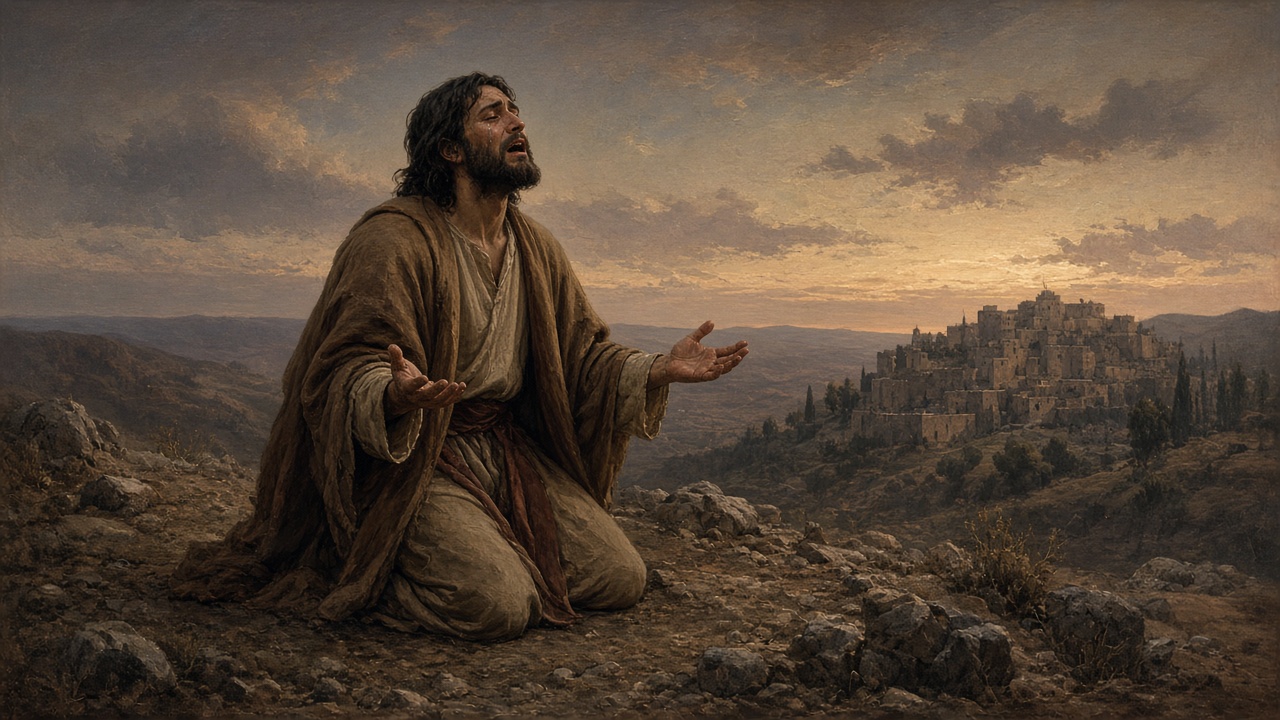
¿Sabías que…?
Un sumo sacerdote llamado por Dios
- Hebreos 5 presenta a Aarón como modelo de sumo sacerdote que no toma para sí el honor, sino que es llamado por Dios. Aarón, hijo mayor de Amram y Jocabed, nació en Egipto tres años antes que su hermano Moisés. Cuando se acercaba la liberación de Israel de Egipto, Dios lo envió al encuentro de su hermano, ausente desde hacía mucho tiempo, para que cooperaran en la realización del éxodo.Fuentes: el propio texto bíblico · Aaron
- Melquisedec, cuyo nombre el Easton's Bible Dictionary (1897) explica como “rey de justicia”, era rey de Salem. Todo lo que el Antiguo Testamento registra acerca de él está en Génesis 14:18–20, y solo se menciona una vez más, en el Salmo 110:4. Hebreos 5 aplica a Cristo las palabras “Tú eres sacerdote para siempre, según el orden de Melquisedec”, y el mismo diccionario dice que Hebreos 7 expone en detalle la importancia de su historia y presenta su sacerdocio como superior al de Aarón, recordando que Abraham le pagó el diezmo y que Melquisedec bendijo a Abraham.Fuentes: el propio texto bíblico · Melchisedec
Notas escritas con ayuda de IA a partir de fuentes abiertas (Theographic Bible Metadata, CC BY-SA 4.0; Easton’s Bible Dictionary, dominio público) y revisadas antes de publicarse.
Créditos y licencia de esta traducción
KAMEETHARI ÑAANTSI: Iñaaventaitzirira Avinkatharite Jesucristo
The New Testament in the Pichis Ashéninka language of Peru
El Nuevo Testamento in la Pichis Ashéninka lingua de Peru
copyright © 2008 Wycliffe Bible Translators, Inc.
Language: Ashéninka, Pichis
Translation by: Wycliffe Bible Translators
Copyright Information
© 2008, Wycliffe Bible Translators, Inc.
This translation text is made available to you under the
terms of the Creative Commons License: Attribution-Noncommercial-No Derivative Works.
( http://creativecommons.org/licenses/by-nc-nd/3.0/ )
In addition, you have permission to port the text to different file formats, as long as you
do not change any of the text or punctuation of the Bible.
You may share, copy, distribute, transmit, and extract portions
or quotations from this work, provided that you include the above copyright
information:
You must give Attribution to the work.
You do not sell this work for a profit.
You do not make any derivative works that change any of the actual words or punctuation of the Scriptures.
Permissions beyond the scope of this license may be
available if you contact
us with your request.
© 2008, Wycliffe Bible Translators, Inc. All rights rese
This translation is made available to you under the terms of the
Creative Commons Attribution-Noncommercial-No Derivatives license 4.0.
You may share and redistribute this Bible translation or extracts from it in any format, provided that:
You include the above copyright and source information.
You do not sell this work for a profit.
You do not change any of the words or punctuation of the Scriptures.
Pictures included with Scriptures and other documents on this site are licensed just for use with those Scriptures and documents.
For other uses, please contact the respective copyright owners.
2014-12-03
Fuente: http://ebible.org/cpuNT/ · eBible.org