Juan 17
Kameethari Ñaantsi: ikenkitha-takoitziri awinkatharite Jesucristo; Owakerari aapatziya-wakagaantsi · Toca un versículo para ver sus referencias cruzadas.
Jesús ramanakotari riyotaanewopaini
1Ikanta rithonkakero riñaawaitakero jirokapaini, aminanake Jesús inkiteki, ikantanake: “Ashitanarí, monkaatapaaka. Pooñaawontero iroñaaka rowaneenkawo pitomi, roñaagantantyaawori pitomi eejatzi powaneenkawo eeroka. 2Eeroka owakeri ipinkathariwentantakariri maawoini atziri, inkañaanetakaantyaariri ikaatzi pashitakaakariri. 3Arika riyoitaimi apaniroini Pipawaperotzi eeroka, riyoitairi eejatzi Jesucristo potyaantakeri, ari inkañaanetakaayetairi. 4Nooñaawontakero powaneenkawo jaka kipatsiki, nithotyaakero pikantakenari nantero. 5¡Ashitanarí! Pishinetena nontsipataimi iroñaaka, ari ankaate añaayetairo owaneenkawo akantaga pairani tekera awetsikeroota kipatsi.
6Jirikapaini piyoshiitairi pashitakaakenari, niyotaayetairi tsika piita eeroka. Eeroka ashitakariri ketziroini, ipoña pashitakagaanari naaka. Nokemisantakaayetairi piñaane. 7Ikenkithashireyeta iroñaaka, okaatzi niyotanetari naaka, eerokatake yotakaayetanawori. 8Niyotaayetairi okaatzi piyotakaayetanari, ikemisantanakero jirikapaini. Ikenkithashiretanaa imapero nopoñaakawo pisaikira eeroka, ikemisantayetanai eerokatake otyaantakenari. 9Naakatake kowakowentziriri jirikapaini. Te iri nonkowakowente nampitashiwaitawori kipatsiki, apa nokowakowentatziiri pashitakaanari. 10Maawoini nashitari naaka irijatzi pashitari eeroka. Ikaatzi pashitari eeroka irijatzi nashitari naaka. Tema iri ooñaawontakerori nowaneenkawo. 11Eero nisaikanai jaka isaawiki, niyaatai nonkaatapaimi eeroka, iriima jirikapaini eekero risaikanaatye. Ashitanarí Tasorentsi, pinkempoyaawenteri raakotapiintantemiri piwairo, riwithaawakaantyaari eejatzi, akemetaawakaga aaka. 12Eenirowa notsipayetari jaka isaawiki, nokempoyaayetziri raakotapiintantakemiri piwairo. Te ipeyagaantawaita, apatziro ikantakaawo iitaitziri ‘Otomi peyashiwaitaantsi’, irojatzi imonkaatantyaari okenkithatakotakeri Osankenarentsipero. 13Iroñaaka niyaatai pisaikinta eeroka. Iro nokantantawori jirokapaini eenirowa nisaikira isaawiki, roshiyantenari naaka inkimoshiretai kameetha jirikapaini. 14Osheki ikisaneentaitanakeri niyotagairi piñaane, te roshiyanaari isaawikisatzipaini, roshiyaana naaka te isaawikisatzi ninatye. 15Te nokowakotzimi paayetairi risaiki jaka isaawiki, apatziro pinkempoyaawentairi ikaariperotakaitzirikari. 16Nokanta naaka te isaawikisatzi nini, eejatzi jirikapaini te roshiyanaari isaawikisatzipaini. 17Pintasorentsishiretakagairi inkyaaryoowentantyaawori irooperori. Tema irooperori ini piñaanetari eeroka. 18Pikantakena naaka potyaantakena nisaikimoteri isaawikisatzipaini, ari nonkantzityaari naaka notyaanteri risaikimoteri. 19Okowaperotatya iroñaaka nontasorentsishiretai nishinewentaiyaari jirikapaini, intasorentsishireperotantaiyaari eejatzi irirori.
20Te apatziro nonkowakowenteri jirikapaini, tema nokowakowentzitari inkaate kemisantainane arika inkenkithatakaayetairi jirikapaini. 21Namanakotari maawoini jirikapaini riwithaawakaantyaari, apaani inkantanaiya riwithagaimi eeroka. Ashitanarí, oshiyawaityaawo awithaawakaiyani aaka, ari inkantaiyaari eejatzi riwithaawakaaperotaiya inkemisantantaiyaari isaawikisatzipaini, eeroka otyaantakenari. 22Jiroka nowaneenkawo okaatzi poñaagakenari, irojatzi nimatairi naaka noñaagairi iriroripaini. Ompoñaantyaari riwithaawakaaperotantyaari, roshiyakotairo aaka. 23Tema piwithaashiretana eeroka, ari nonkantzityaari eejatzi naaka niwithaashiretaiyaari iriroripaini, riwithaawakaantaperotyaari. Iro inkenkithashiretantyaari isaawikisatzipaini eerokatake otyaantakena, antawoite petakoyetzitakari poshiyakaakenaga naaka, antawoite petakotakena. 24Ashitanarí, eerokatake ashitakaakenariri jirikapaini, nokowi intsipataina tsika nisaikai naaka, iñaantaiyaawori nowaneenkawo. Eeroka owaneenkatakaakenari, tema petakotakena ketziroini tekera iwetsikaata kipatsi. 25Ashitanarí tampatzikashireri, te riyotzimi isaawikisatzipaini. Iro kantacha naaka niyotzimi, eejatzi ikanta jirikapaini riyotzi eeroka otyaantakenari. 26Niyotagairi tsika piita eeroka, eekero niyaatakaatyeero niyotagairi, notsipashiretaari, netakoyetaari pikemetaakena naaka petakotakena.”
¿Sabías que…?
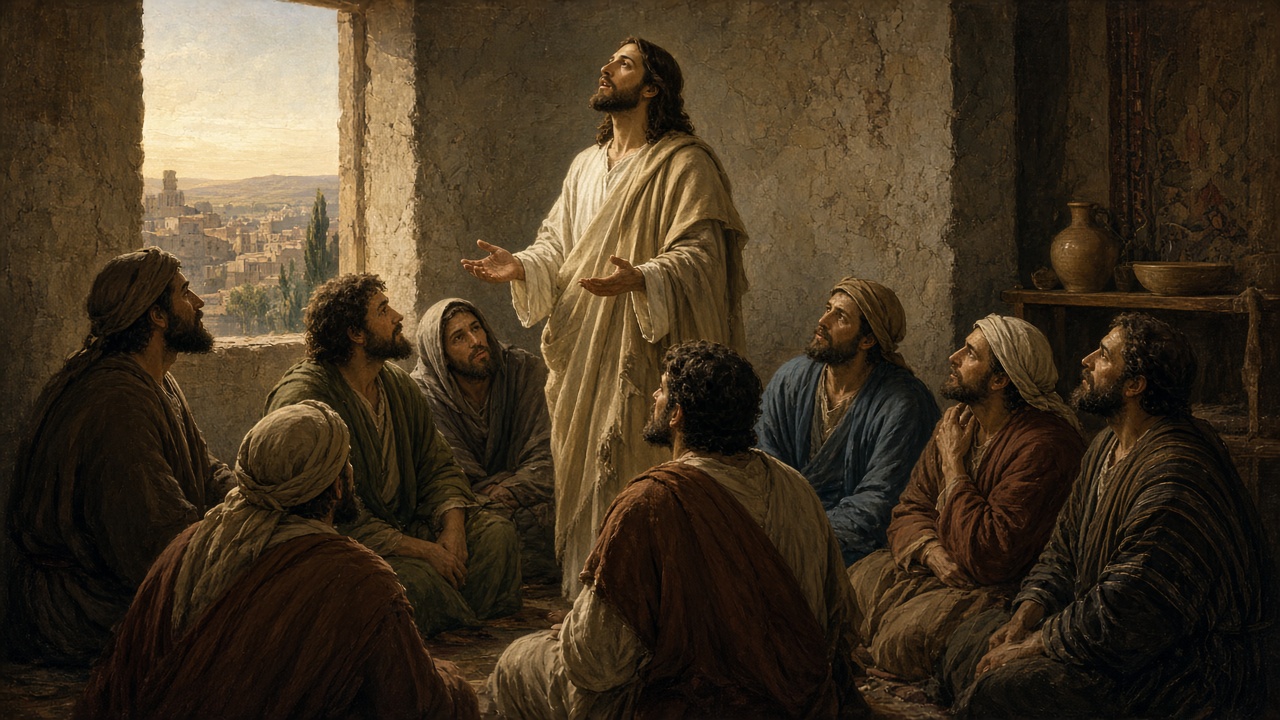
Juan 17: ha llegado la hora
- La oración comienza cuando Jesús, después de haber dicho estas cosas, alza los ojos al cielo y dice que ha llegado la hora. Se asocia con el Discurso del Aposento Alto, indicado como un día, y con la Semana Santa, indicada como ocho días.Fuentes: el propio texto bíblico · Upper Room Discourse · Holy Week
- Aquí la vida eterna es conocer al único Dios verdadero y a Jesucristo, a quien el Padre envió. Jesús también habla de la gloria que tenía con el Padre antes de que existiera el mundo y del amor del Padre por él antes de la fundación del mundo.Fuentes: el propio texto bíblico
- Ora por quienes el Padre le dio del mundo, los que han guardado la palabra, y también por quienes creerán por medio del mensaje de ellos, pidiendo que sean uno. No pide que sean sacados del mundo, sino que sean guardados del maligno y santificados por la verdad, que identifica como la palabra del Padre.Fuentes: el propio texto bíblico
Notas escritas con ayuda de IA a partir de fuentes abiertas (Theographic Bible Metadata, CC BY-SA 4.0; Easton’s Bible Dictionary, dominio público) y revisadas antes de publicarse.
Créditos y licencia de esta traducción
Kameethari Ñaantsi: ikenkitha-takoitziri awinkatharite Jesucristo; Owakerari aapatziya-wakagaantsi
New Testament in Ashéninka, Ucayali-yurúa (PE:cpb:Ashéninka, Ucayali-yurúa)
copyright © 2000 Wycliffe Bible Translators, Inc.
Language: Ashéninka, Ucayali-yurúa
Translation by: Wycliffe Bible Translators, Inc.
Ashéninka, Ucayali-yurúa [cpb], Peru
Copyright Information
© 2000, Wycliffe Bible Translators, Inc. All rights reserved.
This translation text is made available to you under the
terms of the Creative Commons License: Attribution-Noncommercial-No Derivative Works.
( http://creativecommons.org/licenses/by-nc-nd/3.0/ )
In addition, you have permission to port the text to different file formats, as long as you
do not change any of the text or punctuation of the Bible.
You may share, copy, distribute, transmit, and extract portions
or quotations from this work, provided that you include the above copyright
information:
You must give Attribution to the work.
You do not sell this work for a profit.
You do not make any derivative works that change any of the actual words or punctuation of the Scriptures.
Permissions beyond the scope of this license may be
available if you contact
us with your request.
The New Testament
in Ashéninka, Ucayali-yurúa
© 2000, Wycliffe Bible Translators, Inc. All rights reserved.
This translation is made available to you under the terms of the
Creative Commons Attribution-Noncommercial-No Derivatives license 4.0.
You may share and redistribute this Bible translation or extracts from it in any format, provided that:
You include the above copyright and source information.
You do not sell this work for a profit.
You do not change any of the words or punctuation of the Scriptures.
Pictures included with Scriptures and other documents on this site are licensed just for use with those Scriptures and documents.
For other uses, please contact the respective copyright owners.
2014-04-21
Fuente: http://ebible.org/cpbNT/ · eBible.org