Apocalipsis 21
Sahidica - طبعة جديدة من العهد الجديد باللغة القبطية الصعيدية · Toca un versículo para ver sus referencias cruzadas.
1ⲀⲨⲰ ⲀⲚⲀⲨ ⲈⲨⲠⲈ ⲚⲂⲢⲢⲈ ⲘⲚ ⲞⲨⲔⲀϨ ⲚⲂⲢⲢⲈ ⲦϢⲞⲢⲠ ⲄⲀⲢ ⲘⲠⲈ ⲘⲚ ⲠϢⲞⲢⲠ ⲚⲔⲀϨ ⲀⲨⲞⲨⲈⲒ ⲚⲈ ⲀⲨⲰ ⲐⲀⲖⲖⲀⲤⲤⲀ ⲚⲈⲤϢⲞⲞⲠ ⲀⲚ ϬⲈ. 2ⲀⲨⲰ ⲀⲚⲀⲨ ⲈⲦⲠⲞⲖⲒⲤ ⲈⲦⲞⲨⲀⲀⲂ ⲐⲒⲈⲢⲞⲤⲞⲖⲨⲘⲀ ⲚⲂⲢⲢⲈ ⲈⲤⲚⲎⲨ ⲈⲠⲈⲤⲎⲦ ⲈⲂⲞⲖ ϨⲚ ⲦⲠⲈ ⲈⲂⲞⲖ ϨⲒⲦⲘ ⲠⲚⲞⲨⲦⲈ ⲈⲤⲤⲂⲦⲰⲦ ⲚⲐⲈ ⲚⲞⲨϢⲈⲖⲈⲈⲦ ⲈⲤⲦⲀⲘⲒⲎⲨ ⲘⲠⲈⲤϨⲀⲒ. 3ⲀⲒⲤⲰⲦⲘ ⲈⲨⲚⲞϬ ⲚⲤⲘⲎ ⲈⲂⲞⲖ ϨⲚ ⲦⲠⲈ ⲈⲤϪⲰ ⲘⲘⲞⲤ ϪⲈ ⲈⲒⲤ ⲦⲈⲤⲔⲨⲚⲎ ⲘⲠⲚⲞⲨⲦⲈ ⲘⲚ ⲚⲢⲰⲘⲈ ⲀⲨⲰ ϤⲚⲀⲞⲨⲰϨ ⲚⲘⲘⲀⲨ ⲚⲤⲈϢⲰⲠⲈ ⲚⲀϤ ⲚⲖⲀⲞⲤ ⲀⲨⲰ ⲚⲦⲞϤ ⲠϪⲞⲈⲒⲤ ⲚⲈϤϢⲰⲠⲈ ⲚⲀⲨ ⲚⲚⲞⲨⲦⲈ 4ⲚⲈϤϤⲰⲦⲈ ⲚⲢⲘⲈⲒⲎ ⲚⲒⲘ ⲈⲂⲞⲖ ϨⲚ ⲚⲈⲨⲂⲀⲖ ⲀⲨⲰ ⲘⲚ ⲘⲞⲨ ϬⲈ ⲚⲀϢⲰⲠⲈ ⲞⲨⲆⲈ ϨⲎⲂⲈ ⲞⲨⲆⲈ ⲘⲚ ⲀϢⲔⲀⲔ ⲞⲨⲆⲈ ⲘⲚ ϨⲒⲤⲈ ⲚⲀϢⲰⲠⲈ ϪⲒⲚ ⲚⲦⲈⲚⲞⲨ ϪⲈ ⲀⲚϢⲞⲢⲠ ⲞⲨⲈⲒⲚⲈ. 5ⲀⲨⲰ ⲠⲈϪⲀϤ ⲚϬⲒ ⲠⲈⲦϨⲘⲞⲞⲤ ϨⲒ ⲠⲈⲐⲢⲞⲚⲞⲤ ϪⲈ ⲈⲒⲤ ϨⲎⲎⲦⲈ ϮⲚⲀⲦⲀⲘⲒⲈ ⲚⲔⲀ ⲚⲒⲘ ⲚⲂⲢⲢⲈ ⲀⲨⲰ ⲠⲈϪⲀϤ ⲚⲀⲒ ϪⲈ ⲤϨⲀⲒ ϪⲈ ⲚⲈⲒϢⲀϪⲈ ⲚⲦⲀⲒϪⲞⲞⲨⲤⲈ ⲚϨⲞⲦ ⲀⲨⲰ ϨⲈⲚⲘⲈ ⲚⲈ. 6ⲠⲈϪⲀϤ ⲚⲀⲒ ϪⲈ ⲀⲒϢⲰⲠⲈ. ⲚⲀⲖⲪⲀ ⲀⲨⲰ Ⲱ ⲠⲈϨⲞⲨⲈⲒⲦⲈ ⲀⲨⲰ ⲠϪⲰⲔ. ⲀⲚⲞⲔ ϮⲚⲀϮ ⲘⲠⲈⲦⲞⲂⲈ ⲈⲂⲞⲖ ϨⲚ ⲦⲠⲨⲄⲎ ⲘⲠⲘⲞⲞⲨ ⲘⲠⲰⲚϨ ⲚϪⲒⲚϪⲎ. 7ⲠⲈⲦⲚⲀϪⲢⲞϤ ⲚⲀⲔⲖⲎⲢⲞⲚⲞⲘⲒ ⲚⲚⲀⲒ ⲀⲨⲰ ϮⲚⲀϢⲰⲠⲈ ⲚⲀϤ ⲚⲚⲞⲨⲦⲈ ⲚⲈϤϢⲰⲠⲈ ⲚⲀⲒ ⲚϢⲎⲢⲈ. 8ⲚϬⲀⲂ ϨⲎⲦ ⲆⲈ ⲚⲦⲞⲞⲨ ⲘⲚ ⲚⲀⲠⲒⲤⲦⲞⲤ ⲘⲚ ⲚⲈⲦⲂⲎⲦ ⲀⲨⲰ ⲚⲢⲈϤϨⲰⲦⲂ ⲘⲚ ⲚⲠⲞⲢⲚⲞⲤ ⲘⲚ ⲚⲈⲪⲀⲢⲘⲀⲔⲞⲤ ⲀⲨⲰ ⲚⲢϤϢⲘϢⲈ ⲈⲒⲆⲰⲖⲞⲚ ⲘⲚ ⲢⲈϤϪⲒϬⲞⲖ ⲚⲒⲘ ⲈⲢⲈ ⲦⲈⲨⲦⲞⲈ ⲚⲀϢⲰⲠⲈ ϨⲚ ⲦⲖⲨⲘⲚⲎ ⲈⲦϪⲈⲢⲞ ϨⲚ ⲞⲨⲔⲰϨⲦ ⲘⲚ ⲞⲨⲐⲎⲚ ⲈⲦⲈ ⲠⲀⲒ ⲠⲈ ⲠⲘⲞⲨ ⲘⲘⲈϨⲤⲚⲀⲨ. 9ⲀⲨⲰ ⲀϤⲈⲒ ⲚϬⲒ ⲔⲈⲞⲨⲀ ⲈⲂⲞⲖ ϨⲘ ⲠⲤⲀϢϤ ⲚⲀⲄⲄⲈⲖⲞⲤ ⲈⲦⲈ ⲞⲨⲚⲦⲞⲨ ⲦⲤⲀϢϤⲈ ⲘⲪⲒⲀⲖⲎ ⲈⲦⲘⲈϨ ⲚⲚⲈⲠⲖⲨⲄⲎ ⲚϨⲀⲎ ⲀϤϢⲀϪⲈ ⲚⲘⲘⲀⲒ ⲈϤϪⲰ ⲘⲘⲞⲤ ϪⲈ ⲀⲘⲞⲨ ⲦⲀⲦⲤⲀⲂⲞⲔ ⲈⲦϢⲈⲖⲈⲈⲦ ⲐⲒⲘ ⲘⲠⲈϨⲒⲈⲒⲂ. 10ⲀⲨⲰ ⲀϤϪⲒⲦ ϨⲘ ⲠⲈⲠⲚⲈⲨⲘⲀ ⲈϪⲚ ⲞⲨⲦⲞⲞⲨ ⲚⲞϬ ⲈϤϪⲞⲤⲈ ⲀϤⲦⲤⲀⲂⲞⲒ ⲈⲦⲠⲞⲖⲒⲤ ⲈⲦⲞⲨⲀⲀⲂ ⲐⲒⲈⲢⲞⲤⲞⲖⲨⲘⲀ ⲈⲤⲚⲎⲨ ⲈⲠⲈⲤⲎⲦ ⲈⲂⲞⲖ ϨⲚ ⲦⲠⲈ ⲈⲂⲞⲖ ϨⲒⲦⲘ ⲠⲚⲞⲨⲦⲈ 11ⲈⲞⲨⲚⲦⲀⲤ ⲘⲘⲀⲨ ⲘⲠⲈⲞⲞⲨ ⲘⲠⲚⲞⲨⲦⲈ ⲈⲢⲈ ⲠⲈⲤⲞⲨⲞⲈⲒⲚ ⲈϤⲈⲒⲚⲈ ⲚⲞⲨⲰⲚⲈ ⲘⲘⲈ ⲈϤⲦⲀⲒⲎⲨ ⲚⲐⲈ ⲚⲞⲨⲰⲚⲈ ⲚⲒⲀⲤⲠⲒⲤ ⲈϤⲈⲒⲚⲈ ⲚⲞⲨⲔⲢⲨⲤⲦⲀⲖⲞⲤ. 12ⲈⲨⲚ ⲞⲨⲤⲞⲂⲦ ⲘⲘⲞⲤ ⲈϤϪⲞⲤⲈ ⲈⲨⲚ ⲘⲚⲦⲤⲚⲞⲞⲨⲤ ⲘⲠⲨⲖⲰⲚ ⲘⲘⲞⲤ ⲈⲢⲈ ⲘⲚⲦⲤⲚⲞⲞⲨⲤ ⲚⲀⲄⲄⲈⲖⲞⲤ ϨⲒϪⲚ ⲘⲠⲨⲖⲰⲚ ⲈⲢⲈ ϨⲈⲚⲢⲀⲚ ⲤⲎϨ ⲈⲢⲞⲤ ⲔⲀⲦⲀ ⲚⲢⲀⲚ ⲚⲦⲘⲚⲦⲤⲚⲞⲞⲨⲤ ⲘⲪⲨⲖⲎ ⲚⲈⲚϢⲎⲢⲈ ⲘⲠⲈⲒⲤⲢⲀⲎⲖ 13ⲈⲢⲈ ϢⲞⲘⲚⲦ ⲘⲠⲨⲖⲰⲚ ϬⲰϢⲦ ⲈⲠⲈⲒⲈⲂⲦ ⲀⲨⲰ ϢⲞⲘⲚⲦ ⲘⲠⲨⲖⲰⲚ ⲈⲠⲈⲘϨⲒⲦ ⲀⲨⲰ ϢⲞⲘⲚⲦ ⲈⲠⲈⲘⲚⲦ ⲀⲨⲰ ϢⲞⲘⲚⲦ ⲈⲠⲢⲎⲤ. 14ⲈⲨⲚ ⲘⲚⲦⲤⲚⲞⲞⲨⲤ ⲚⲤⲚⲦⲈ ⲘⲠⲤⲞⲂⲦ ⲚⲦⲠⲞⲖⲒⲤ ⲈⲨⲤⲎϨ ⲈⲢⲞⲞⲨ ⲚϬⲒ ⲚⲢⲀⲚ ⲘⲠⲘⲚⲦⲤⲚⲞⲞⲨⲤ ⲚⲀⲠⲞⲤⲦⲞⲖⲞⲤ ⲘⲠⲈϨⲒⲈⲒⲂ. 15ⲀⲨⲰ ⲠⲈⲦϢⲀϪⲈ ⲚⲘⲘⲀⲒ ⲚⲈⲨⲚⲞⲨⲔⲀϢ ⲚⲚⲞⲨⲂ ⲚⲦⲞⲞⲦϤ ⲚϢⲒ ϪⲈⲔⲀⲀⲤ ⲈϤⲈϢⲒ ⲚⲦⲠⲞⲖⲒⲤ ⲘⲚ ⲚⲈⲤⲠⲨⲖⲰⲚ ⲘⲚ ⲠⲈⲤⲤⲞⲂⲦ. 16ⲀⲨⲰ ⲦⲠⲞⲖⲒⲤ ⲚⲈⲤⲞ ⲚⲦⲈⲦⲢⲀⲄⲞⲚⲞⲚ ⲈⲢⲈ ⲦⲈⲤϢⲒⲎ ϢⲎϢ ⲘⲚ ⲠⲈⲤⲞⲨⲰϢⲤ ⲀⲨⲰ ⲀϤϢⲒ ⲦⲠⲞⲖⲒⲤ ⲘⲠⲔⲀϢ ϢⲀ ⲘⲚⲦⲤⲚⲞⲞⲨⲤ ⲚϢⲈ ⲚⲤⲦⲀⲆⲒⲞⲚ ⲚϢⲒⲎ ⲀⲨⲰ ⲠⲈⲤⲞⲨⲰϢⲤ ⲘⲚ ⲠⲈⲤϪⲒⲤⲈ ⲈⲨϢⲎϢ ⲘⲚ ⲚⲈⲨⲈⲢⲎⲨ. 17ⲀⲨⲰ ⲀϤϢⲒ ⲠⲈⲤⲤⲞⲂⲦ ⲚϢⲈ ϨⲘ ⲈⲦⲀϤⲦⲈ ⲘⲘⲀϨⲈ ⲘⲠϢⲒ ⲚⲞⲨⲢⲰⲘⲈ ⲈⲦⲈ ⲠⲀⲒ ⲠⲈ ⲞⲨⲀⲄⲄⲈⲖⲞⲤ. 18ⲀⲨⲰ ⲠⲈⲤⲤⲞⲂⲦ ⲈϤⲔⲎⲦ ⲚⲒⲀⲤⲠⲒⲤ ⲀⲨⲰ ⲦⲠⲞⲖⲒⲤ ⲈⲤⲔⲎⲦ ⲚⲚⲞⲨⲂ ⲈⲚⲀⲚⲞⲨϤ ⲈϤⲈⲒⲚⲈ ⲚⲞⲨⲀⲂⲀϬⲎⲈⲒⲚ ⲈϤⲞⲨⲀⲀⲂ. 19ⲚⲤⲚⲦⲈ ⲘⲠⲤⲞⲂⲦ ⲚⲦⲠⲞⲖⲒⲤ ⲈⲨⲦⲀⲘⲒⲎⲨ ϨⲒⲈⲚⲈⲘⲘⲈ ⲚⲒⲘ ⲦϢⲞⲢⲠ ⲚⲤⲚⲦⲈ ⲈⲤⲈⲒⲚⲈ ⲚⲒⲀⲤⲠⲒⲤ ⲦⲘⲈϨⲤⲚⲦⲈ ⲚⲤⲀⲠⲠⲒⲢⲞⲤ ⲦⲘⲈϨϢⲞⲘⲦⲈ ⲚⲬⲀ ⲢⲬⲎⲆⲰⲚ ⲦⲘⲈϨϤⲦⲞⲈ ⲚⲤⲘⲀⲢⲀⲄⲆⲞⲤ 20ⲦⲘⲈϨϮⲈ ⲚⲤⲀⲢⲆⲞⲚⲒⲜ ⲦⲘⲈϨⲤⲞ ⲚⲤⲀⲢⲆⲒⲞⲚ ⲦⲘⲈϨⲤⲀϢϤⲈ ⲚⲬⲢⲨⲤⲞⲖⲒⲐⲞⲤ ⲦⲘⲈϨϢⲘⲞⲨⲚⲈ ⲚⲂⲨⲢⲨⲖⲖⲞⲤ ⲦⲘⲈϨⲮⲒⲦⲈ ⲚⲦⲞⲠⲀⲆⲒⲞⲚ ⲦⲘⲈϨⲘⲎⲦⲈ ⲚⲬⲢⲨⲤⲞⲠⲢⲀⲤⲞⲤ ⲦⲘⲈϨⲘⲚⲦⲞⲨⲈ ⲚϨⲨⲀⲄⲒⲚⲐⲒⲚⲞⲚ ⲦⲘⲈϨⲘⲚⲦⲤⲚⲞⲞⲨⲤ ⲚⲀⲘⲈⲐⲨⲤⲦⲞⲤ 21ⲀⲨⲰ ⲠⲘⲚⲦⲤⲚⲞⲞⲨⲤ ⲘⲠⲨⲖⲰⲚ ⲚⲈⲨⲞ ⲘⲘⲚⲦⲤⲚⲞⲞⲨⲤ ⲘⲘⲀⲢⲄⲀⲢⲒⲦⲎⲤ ⲈⲢⲈ ⲠⲞⲨⲀ ⲠⲞⲨⲀ ⲚⲘⲠⲨⲖⲰⲚ ϢⲞⲞⲠ ⲈⲂⲞⲖ ϨⲚ ⲞⲨⲘⲀⲢⲄⲀⲢⲒⲦⲎⲤ ⲚⲞⲨⲰⲦ ⲀⲨⲰ ⲦⲈⲠⲖⲀⲦⲒⲀ ⲚⲦⲠⲞⲖⲒⲤ ⲈⲤⲞ ⲚⲚⲞⲨⲂ ⲈϤⲞⲨⲀⲀⲂ ⲚⲐⲈ ⲚⲞⲨⲀⲂⲀϬⲎⲈⲒⲚ ⲈϤⲦⲂⲂⲎⲨ. 22ⲘⲠⲒⲚⲀⲨ ⲆⲈ ⲈⲢⲠⲈ ⲚϨⲎⲦⲤ ⲠϪⲞⲈⲒⲤ ⲄⲀⲢ ⲠⲚⲞⲨⲦⲈ ⲠⲈ ⲠⲈⲤⲢⲠⲈ ⲘⲚ ⲠⲈϨⲒⲈⲒⲂ. 23ⲀⲨⲰ ⲦⲠⲞⲖⲒⲤ ⲚⲈⲤⲢⲬⲢⲒⲀ ⲀⲚ ⲘⲠⲢⲎ ⲘⲚ ⲠⲞⲞϨ ⲈⲦⲢⲈⲨⲢⲞⲨⲞⲈⲒⲚ ⲈⲢⲞⲤ ⲠⲈⲞⲞⲨ ⲄⲀⲢ ⲘⲠⲚⲞⲨⲦⲈ ⲢⲞⲨⲞⲈⲒⲚ ⲈⲢⲞⲤ ⲀⲨⲰ ⲠⲈⲤϨⲎⲂⲤ ⲠⲈ ⲠⲈϨⲒⲈⲒⲂ. 24ⲀⲨⲰ ⲚϨⲈⲐⲚⲞⲤ ⲚⲀⲘⲞⲞϢⲈ ⲈⲂⲞⲖ ϨⲒⲦⲘ ⲠⲈⲤⲞⲨⲞⲈⲒⲚ ⲘⲚ ⲚⲢⲢⲰⲞⲨ ⲘⲠⲔⲀϨ ⲈⲨⲈⲒⲚⲈ ⲘⲠⲈⲨⲈⲞⲞⲨ ⲈϨⲞⲨⲚ ⲈⲢⲞⲤ 25ⲀⲨⲰ ⲤⲈⲚⲀϢⲰⲦⲘ ⲀⲚ ⲚⲚⲈⲤⲠⲨⲖⲰⲚ ⲘⲠⲈϨⲞⲞⲨ ⲘⲚ ⲦⲈⲨϢⲎ ⲘⲚ ⲞⲨϢⲎ ⲄⲀⲢ ⲚⲀϢⲰⲠⲈ ⲘⲘⲀⲨ 26ⲤⲈⲚⲀϪⲒ ⲈϨⲞⲨⲚ ⲘⲠⲈⲞⲞⲨ ⲘⲚ ⲠⲦⲀⲒⲞ ⲚⲈⲚϨⲈⲐⲚⲞⲤ. 27ⲀⲨⲰ ⲚⲚⲈⲨⲂⲰⲔ ⲈϨⲞⲨⲚ ⲈⲢⲞⲤ ⲚϬⲒ ⲞⲨⲞⲚ ⲚⲒⲘ ⲈⲦϪⲀϨⲘ ⲘⲚ ⲚⲈⲦⲈⲒⲢⲈ ⲚⲈⲚⲂⲞⲦⲈ ⲘⲚ ⲚⲢⲈϤϪⲒϬⲞⲖ ⲈⲒ ⲘⲎⲦⲒ ⲚⲈⲦⲤⲎϨ ϨⲘ ⲠϪⲰⲰⲘⲈ ⲘⲠⲈϨⲒⲈⲒⲂ.
¿Sabías que…?
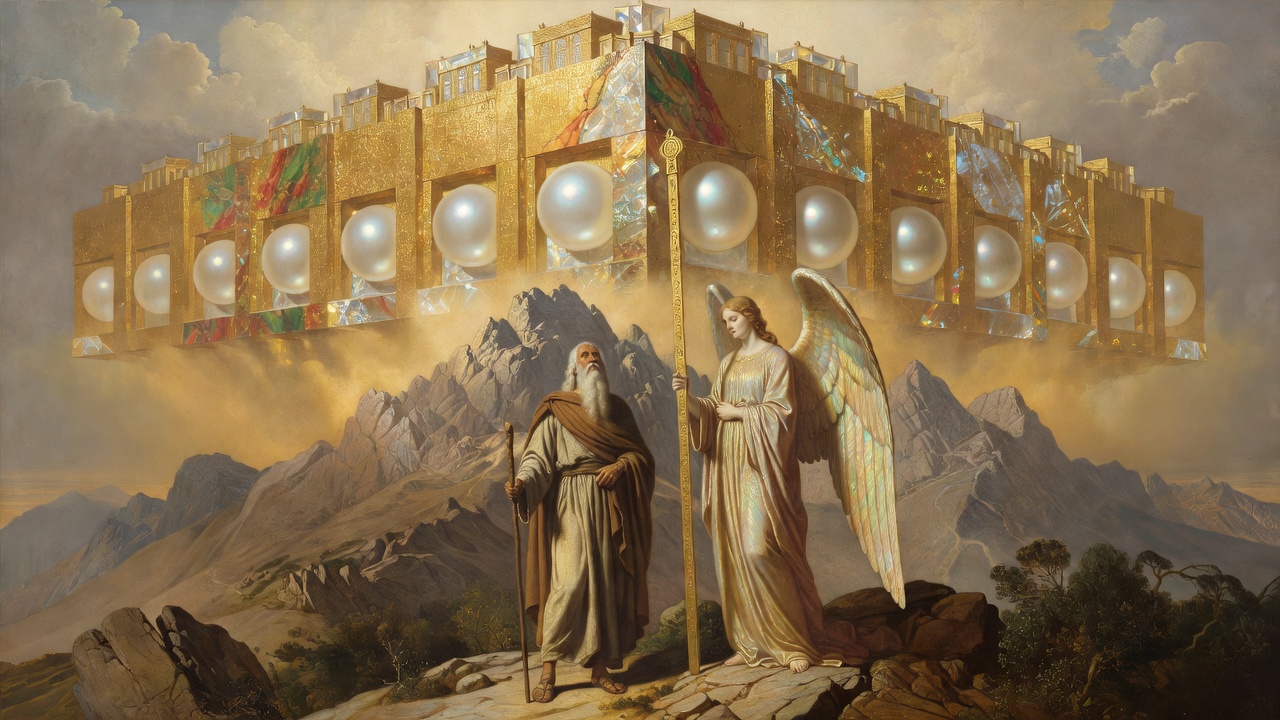
La nueva Jerusalén
- En esta visión, la ciudad que desciende del cielo es llamada la ciudad santa, la nueva Jerusalén. Jerusalén también era conocida como la ciudad santa y la ciudad de Dios, y en árabe es el-Khuds, que significa la santa. El nombre está en forma dual y significa posesión de paz o fundamento de paz.Fuentes: el propio texto bíblico · Jerusalem
- Al vidente lo llevan en el Espíritu a un monte grande y alto y le muestran esa ciudad santa que desciende. Jerusalén se describe como una ciudad de montaña entronizada en una fortaleza de montaña, y la forma dual del nombre probablemente se refiere a los dos montes sobre los que fue edificada, Sion y Moriah, o, como suponen algunos, a la ciudad alta y la ciudad baja.Fuentes: el propio texto bíblico · Jerusalem
- La muralla de la ciudad tiene doce puertas, tres a cada lado, inscritas con los nombres de las doce tribus de Israel. Israel es otro nombre de Jacob, explicado como el que sigue los talones de otro, o como un suplantador.Fuentes: el propio texto bíblico · Jacob (Israel)
Notas escritas con ayuda de IA a partir de fuentes abiertas (Theographic Bible Metadata, CC BY-SA 4.0; Easton’s Bible Dictionary, dominio público) y revisadas antes de publicarse.
Lugares de este capítulo
Solo aparecen lugares identificados con alta confianza (90 % o más según las fuentes académicas reunidas por OpenBible). Mapa de la época: DARE (Digital Atlas of the Roman Empire), CC BY 4.0; mapa actual: © colaboradores de OpenStreetMap; lugares: OpenBible.info (CC BY 4.0).
Créditos y licencia de esta traducción
Sahidica - طبعة جديدة من العهد الجديد باللغة القبطية الصعيدية
Sahidica - A New Edition of the New Testament in Sahidic Coptic
copyright © 2000-2006 J Warren Wells
Language: ⲘⲉⲧⲢⲉⲙ̀ⲛⲭⲏⲙⲓ (Coptic)
Dialect: Sahidic
Translation by: J Warren Wells
Coptic: Sahidic NT "Sahidica - A New Edition of the New Testament in Sahidic Coptic"
Copyright (c)2000-2006 by J Warren Wells. All rights reserved.
For more information visit www.sahidica.org .
This edition is available free of charge for use in free electronic
editions of the New Testament as long as the full title and copyright
information are included and credited. For written permission to use
all or any part of this document in print editions, contact the editor
at www.sahidica.org .
This edition is primarily meant for use by teachers and students of
Sahidic Coptic, and to a lesser degree by Coptologists involved in
scholarly research, textual criticism, or New Testament translation.
PURPOSE
Please note: This text is a work in progress. As such, there
is an ongoing effort to standardize the spelling of words in
the text. Be aware that version updates periodically appear.
The primary purpose is to produce a standardized edition of
the Sahidic NT similar to standard Greek editions.
An additional purpose of this text is to allow side-by-side
comparison with the Greek New Testament. To facilitate this
effort, a new version of the Greek text has been developed,
which is meant to better represent the Greek text upon which
the Sahidic was based. This text is entitled "The New Testament
According to the Egyptian Greek Text" [NTAEG]
This text does not include representation of either accents or
supralinear strokes, since these are used inconsistently in the
original texts. There is also a higher degree of standardization
in spelling and punctuation; like today's standard Greek master
texts, but unlike both the original Sahidic texts, and the PHI
and Coptic Society texts. Moreover, as in standard Greek texts,
instances of the Nomina Sacra have been expanded to their full
forms. This is again a departure from earlier versions of the
Sahidic, including the PHI and Coptic Society texts, which are
Both inconsistent in their usage.
Special thanks to David Brakke of Indiana University Bloomington,
Brigitte Comparini of the Packard Humanities Institute, and
Michael Heiser, Academic Editor, at Logos Research Systems; for
their assistance in making this edition possible.
BASIS
Sahidica was initially based (by permission) on the Coptic New Testament,
which is an electronic publication, which was edited by David Brakke.
(PHI-CD 5.3 dated 7/2/91. Los Altos. Packard Humanities Institute. 1991).
During later development, Sahidica was electronically collated against
the Coptic CD I by the St. Shenouda The Archmandrite Coptic Society.
Los Angeles, CA dated April, 1998.
These two editions were reduced to a raw electronic form, which allowed both
to be compared electronically letter by letter with Sahidica in order to
accurately detect and report every single variation and input error in any
of the texts. Though errors are inevitable, the collators of three seperate
editions are highly unlikely to make the same errors. Therefore, this method
helps to insure the integrity of the Sahidica edition.
Throughout the project, Sahidica was also collated against printed editions
of the following coptic manuscripts, which manuscripts date from the third
century and later.
Matt: Pierpont Morgan Library M-569 collated against Bodmer XIX papyrus
Mark:* PPalau Rib. Inv.Nr.182 collated against Pierpont Morgan Library M-569
Luke: PPalau Rib. Inv.Nr.181 collated against Pierpont Morgan Library M-569
John: PPalau Rib. Inv.Nr.183 collated against Pierpont Morgan Library M-569
Acts: Chester Beatty B (Copt.Ms.814) collated against Berlin P.15926 and British Museum MS Or.7594
Paul: Chester Beatty A (Copt.Ms.813) collated against Pierpont Morgan Library M-570 and M-571
James-Jude:** Pierpont Morgan Library M-572 collated against the Pierpont Morgan Library M-573 and M-601***
Revelation: Berlin MS Or.408 ( British Museum Ms Or.3518) collated against British Museum MS Or.6803
* Note: The longer and shorter endings of Mark are based on Horner; cf Kahle (JTS.1951.p49-57)
** Note: 1st Peter was also collated against the Crosby-Schøyen Ms.193.
*** Note: Portions of James and Jude were reconstructed from M-573, M-601, and four other mss.
Note on Interpolations
The short and long endings of Mark are ommited from the PPalau ms 182, but they do appear in most mss.
To better represent the overall Sahidic tradition, both endings are included, but in double brackets.
The pericope of the adultress (John 7:53-8:11) does not appear in any Sahidic ms. Herein it is omitted.
2014-09-16
Fuente: http://ebible.org/copshc/ · eBible.org