Mateo 10
Sahidica - طبعة جديدة من العهد الجديد باللغة القبطية الصعيدية · Toca un versículo para ver sus referencias cruzadas.
1ⲀϤⲘⲞⲨⲦⲈ ⲆⲈ ⲈⲠⲈϤⲘⲚⲦⲤⲚⲞⲞⲨⲤ ⲘⲘⲀⲐⲎⲦⲎⲤ. ⲀϤϮ ⲚⲀⲨ ⲚⲦⲈⲜⲞⲨⲤⲒⲀ ⲚⲚⲈⲠⲚⲈⲨⲘⲀ ⲚⲀⲔⲀⲐⲀⲢⲦⲞⲚ ⲈⲚⲞⲨϪ ⲈⲂⲞⲖ ⲀⲨⲰ ⲈⲢⲠⲀϨⲢⲈ ⲈϢⲰⲚⲈ ⲚⲒⲘ ϨⲒⲖⲞϪⲖⲈϪ ⲚⲒⲘ. 2ⲚⲀⲒ ⲆⲈ ⲚⲈ ⲚⲢⲀⲚ ⲘⲠⲘⲚⲦⲤⲚⲞⲞⲨⲤ ⲚⲀⲠⲞⲤⲦⲞⲖⲞⲤ. ⲠϢⲞⲢⲠ ⲠⲈ ⲤⲒⲘⲰⲚ ⲠⲈⲦⲈϢⲀⲨⲘⲞⲨⲦⲈ ⲈⲢⲞϤ ϪⲈ ⲠⲈⲦⲢⲞⲤ ⲘⲚ ⲀⲚⲆⲢⲈⲀⲤ ⲠⲈϤⲤⲞⲚ. ⲒⲀⲔⲰⲂⲞⲤ ⲠϢⲎⲢⲈ ⲚⲌⲈⲂⲈⲆⲀⲒⲞⲤ ⲘⲚ ⲒⲰϨⲀⲚⲚⲎⲤ ⲠⲈϤⲤⲞⲚ. 3ⲪⲒⲖⲒⲠⲠⲞⲤ ⲘⲚ ⲂⲀⲢⲐⲞⲖⲞⲘⲀⲒⲞⲤ ⲐⲰⲘⲀⲤ ⲘⲚ ⲘⲀⲐⲐⲀⲒⲞⲤ ⲠⲦⲈⲖⲰⲚⲎⲤ ⲒⲀⲔⲰⲂⲞⲤ ⲠϢⲎⲢⲈ ⲚⲀⲖⲪⲀⲒⲞⲤ ⲘⲚ ⲐⲀⲆⲆⲀⲒⲞⲤ. 4ⲤⲒⲘⲰⲚ ⲠⲔⲀⲚⲀⲚⲒⲦⲎⲤ ⲘⲚ ⲒⲞⲨⲆⲀⲤ ⲠⲒⲤⲔⲀⲢⲒⲰⲦⲎⲤ ⲠⲈⲚⲦⲀϤⲠⲀⲢⲀⲆⲒⲆⲞⲨ ⲘⲘⲞϤ. 5ⲠⲈⲒⲘⲚⲦⲤⲚⲞⲞⲨⲤ ⲀϤϪⲞⲞⲨⲤⲈ ⲚϬⲒ ⲒⲎⲤⲞⲨⲤ ⲀϤⲠⲀⲢⲀⲄⲄⲈⲒⲖⲈ ⲚⲀⲨ ⲈϤϪⲰ ⲘⲘⲞⲤ ϪⲈ ⲘⲠⲢⲂⲰⲔ ⲈϨⲒⲎ ⲚϨⲈⲐⲚⲞⲤ. ⲀⲨⲰ ⲘⲠⲢⲂⲰⲔ ⲈϨⲞⲨⲚ ⲈⲠⲞⲖⲒⲤ ⲚⲤⲀⲘⲀⲢⲒⲦⲎⲤ. 6ⲂⲰⲔ ⲆⲈ ⲚϨⲞⲨⲞ ϢⲀⲚⲈⲤⲞⲞⲨ ⲚⲦⲀⲨⲤⲰⲢⲘ ⲚⲦⲈⲠⲎⲒ ⲘⲠⲒⲤⲢⲀⲎⲖ. 7ⲈⲦⲈⲦⲚⲀⲂⲰⲔ ⲆⲈ ⲦⲀϢⲈⲞⲈⲒϢ ⲈⲦⲈⲦⲚϪⲰ ⲘⲘⲞⲤ ϪⲈ ⲘⲈⲦⲀⲚⲞⲒ. ⲀⲤϨⲰⲚ ⲄⲀⲢ ⲈϨⲞⲨⲚ ⲚϬⲒ ⲦⲘⲚⲦⲢⲢⲞ ⲚⲘⲠⲎⲨⲈ. 8ⲚⲈⲦϢⲰⲚⲈ ⲀⲢⲒⲠⲀϨⲢⲈ ⲈⲢⲞⲞⲨ ⲚⲈⲦⲤⲞⲂϨ ⲦⲂⲂⲞⲞⲨ ⲚⲆⲀⲒⲘⲰⲚⲒⲞⲚ ⲚⲞϪⲞⲨ ⲈⲂⲞⲖ ⲀⲦⲈⲦⲚϪⲒ ⲚϪⲒⲚϪⲎ ϮⲚϪⲒⲚϪⲎ. 9ⲘⲠⲢϪⲠⲞ ⲚⲎⲦⲚ ⲚⲞⲨⲚⲞⲨⲂ. ⲞⲨⲦⲈ ⲞⲨϨⲀⲦ. ⲞⲨⲆⲈ ϨⲞⲘⲚⲦ ϨⲚ ⲚⲈⲦⲚⲘⲞϪϨ. 10ⲞⲨⲦⲈ ⲠⲎⲢⲀ ⲈⲦⲈϨⲒⲎ ⲞⲨⲦⲈ ϢⲦⲎⲚ ⲤⲚⲦⲈ ⲞⲨⲦⲈ ⲞⲨⲦⲞⲞⲨⲈ ⲞⲨⲦⲈ ⲞⲨϬⲈⲢⲰⲂ ϤⲈⲘⲠϢⲀ ⲄⲀⲢ ⲚϬⲒ ⲠⲈⲢⲄⲀⲦⲎⲤ ⲚⲦⲈϤϨⲢⲈ. 11ⲦⲠⲞⲖⲒⲤ ⲆⲈ ⲈⲦⲈⲦⲚⲀⲂⲰⲔ ⲈϨⲞⲨⲚ ⲈⲢⲞⲤ ⲎⲠϮⲘⲈ. ϢⲒⲚⲈ ϨⲢⲀⲒ ⲚϨⲎⲦⲤ ϪⲈ ⲚⲒⲘ ⲠⲈⲦⲘⲠϢⲀ ⲚⲦⲈⲦⲚϬⲰ ϨⲘ ⲠⲘⲀ ⲈⲦⲘⲘⲀⲨ ϢⲀⲚⲦⲈⲦⲚⲈⲒ ⲈⲂⲞⲖ. 12ⲈⲦⲈⲦⲚⲂⲎⲔ ⲆⲈ ⲈϨⲞⲨⲚ ⲈⲠⲎⲒ ⲀⲤⲠⲀⲌⲈ ⲘⲘⲞϤ. 13ⲀⲨⲰ ⲈϢⲰⲠⲈ ⲠⲎⲒ ⲘⲠϢⲀ ⲘⲀⲢⲈⲦⲈⲦⲚⲈⲒⲢⲎⲚⲎ ⲈⲒ ⲈϨⲢⲀⲒ ⲈϪⲰϤ. ⲈϢⲰⲠⲈ ⲆⲈ ⲚϤⲘⲠϢⲀ ⲀⲚ ⲘⲀⲢⲈⲦⲈⲦⲚⲈⲒⲢⲎⲚⲎ ⲔⲞⲦⲤ ⲈⲢⲰⲦⲚ. 14ⲠⲈⲦⲈⲚϤⲚⲀϪⲒⲦⲎⲨⲦⲚ ⲆⲈ ⲀⲚ ⲀⲨⲰ ⲚϤⲦⲘⲤⲰⲦⲘ ⲈⲚⲈⲦⲚϢⲀϪⲈ ⲈⲦⲈⲦⲚⲚⲎⲨ ⲆⲈ ⲈⲂⲞⲖ ϨⲘ ⲠⲎⲒ ⲎⲦⲠⲞⲖⲒⲤ ⲈⲦⲘⲘⲀⲨ ⲎⲠϮⲘⲈ ⲚⲞⲨϨⲈ ⲈⲂⲞⲖ ⲘⲠϢⲞⲈⲒϢ ⲚⲚⲈⲦⲚⲞⲨⲈⲢⲎⲦⲈ. 15ϨⲀⲘⲎⲚ ϮϪⲰ ⲘⲘⲞⲤ ⲚⲎⲦⲚ. ϪⲈ ⲞⲨⲚⲞⲨⲘⲦⲞⲚ ⲚⲀϢⲰⲠⲈ ϨⲘ ⲠⲔⲀϨ ⲚⲤⲞⲆⲞⲘⲀ ⲘⲚ ⲄⲞⲘⲞⲢⲢⲀ ϨⲘ ⲠⲈϨⲞⲞⲨ ⲚⲦⲈⲔⲢⲒⲤⲒⲤ ⲈϨⲞⲨⲈⲦⲠⲞⲖⲒⲤ ⲈⲦⲘⲘⲀⲨ. 16ⲈⲒⲤ ϨⲎⲎⲦⲈ ⲀⲚⲞⲔ ϮϪⲞⲞⲨ ⲘⲘⲰⲦⲚ ⲚⲐⲈ ⲚϨⲈⲚⲈⲤⲞⲞⲨ ϨⲚ ⲦⲘⲎⲦⲈ ⲚϨⲈⲚⲞⲨⲰⲚϢ. ϢⲰⲠⲈ ϬⲈ ⲚⲤⲀⲂⲈ ⲚⲐⲈ ⲚⲚϨⲞϤ ⲀⲨⲰ ⲚⲀⲔⲈⲢⲀⲒⲞⲤ ⲚⲐⲈ ⲚⲚⲒϬⲢⲞⲞⲘⲠⲈ . 17ϮϨⲦⲎⲦⲚ ⲆⲈ ⲈⲢⲰⲦⲚ ⲈⲂⲞⲖ ϨⲚ ⲚⲈⲢⲰⲘⲈ. ⲤⲈⲚⲀⲠⲀⲢⲀⲆⲒⲆⲞⲨ ⲄⲀⲢ ⲘⲘⲰⲦⲚ ⲈⲚⲤⲨⲚϨⲈⲆⲢⲒⲞⲚ ⲀⲨⲰ ϨⲢⲀⲒ ϨⲚ ⲚⲈⲨⲤⲨⲚⲀⲄⲰⲄⲎ ⲤⲈⲚⲀⲘⲀⲤⲦⲒⲄⲞⲨ ⲘⲘⲰⲦⲚ. 18ⲚⲤⲈϪⲒⲦⲎⲨⲦⲚ ⲚⲚϨⲎⲄⲈⲘⲰⲚ ⲘⲚ ⲚⲢⲢⲰⲞⲨ ⲈⲦⲂⲎⲎⲦ ⲈⲨⲘⲚⲦⲘⲚⲦⲢⲈ ⲚⲀⲨ ⲘⲚ ⲚϨⲈⲐⲚⲞⲤ. 19ϨⲞⲦⲀⲚ ⲆⲈ ⲈⲨϢⲀⲚⲠⲀⲢⲀⲆⲒⲆⲞⲨ ⲘⲘⲰⲦⲚ ⲘⲠⲢϤⲒⲢⲞⲞⲨϢ ϪⲈ ⲚⲀϢ ⲚϨⲈ. ⲎⲈⲦⲈⲦⲚⲀϪⲞⲞⲤ ϪⲈ ⲞⲨ. ⲤⲈⲚⲀϮ ⲄⲀⲢ ⲚⲎⲦⲚ ϨⲚ ⲦⲈⲨⲚⲞⲨ ⲈⲦⲘⲘⲀⲨ ϪⲈ ⲞⲨ ⲠⲈⲦⲈⲦⲚⲚⲀϪⲞⲞϤ. 20ⲚⲦⲰⲦⲚ ⲄⲀⲢ ⲀⲚ ⲠⲈⲦϢⲀϪⲈ ⲀⲖⲖⲀ ⲠⲈⲠⲚⲈⲨⲘⲀ ⲘⲠⲈⲦⲚⲈⲒⲰⲦ ⲠⲈⲦϢⲀϪⲈ ⲚϨⲎⲦⲦⲎⲨⲦⲚ. 21ⲞⲨⲚⲞⲨⲤⲞⲚ ⲆⲈ ⲚⲀⲠⲀⲢⲀⲆⲒⲆⲞⲨ ⲘⲠⲈϤⲤⲞⲚ ⲈⲠⲘⲞⲨ. ⲀⲨⲰ ⲞⲨⲈⲒⲰⲦ ⲘⲠⲈϤϢⲎⲢⲈ. ⲚⲦⲈⲚϢⲎⲢⲈ ⲦⲰⲞⲨⲚ ⲈϪⲚ ⲚⲈⲨⲈⲒⲞⲦⲈ ⲚⲤⲈⲘⲞⲨⲞⲨⲦ ⲘⲘⲞⲞⲨ. 22ⲚⲦⲈⲦⲚϢⲰⲠⲈ ⲈⲨⲘⲞⲤⲦⲈ ⲘⲘⲰⲦⲚ ⲈⲂⲞⲖ ϨⲒⲦⲚ ⲢⲰⲘⲈ ⲚⲒⲘ ⲈⲦⲂⲈ ⲠⲀⲢⲀⲚ. ⲠⲈⲦⲚⲀϨⲨⲠⲞⲘⲈⲒⲚⲈ ⲆⲈ ϢⲀⲂⲞⲖ ⲠⲀⲒ ⲠⲈⲦⲚⲀⲞⲨϪⲀⲒ. 23ϨⲞⲦⲀⲚ ⲆⲈ ⲈⲨϢⲀⲚⲠⲰⲦ ⲚⲤⲰⲦⲚ ϨⲚ ⲦⲈⲒⲠⲞⲖⲒⲤ ⲠⲰⲦ ⲈϨⲢⲀⲒ ⲈⲔⲈⲞⲨⲈⲒ. ϨⲀⲘⲎⲚ ⲄⲀⲢ ϮϪⲰ ⲘⲘⲞⲤ ⲚⲎⲦⲚ ϪⲈ ⲚⲚⲈⲦⲚϪⲰⲔ ⲈⲂⲞⲖ ⲚⲘⲠⲞⲖⲒⲤ ⲘⲠⲒⲤⲢⲀⲎⲖ ⲘⲠⲈⲠϢⲎⲢⲈ ⲘⲠⲢⲰⲘⲈ ⲈⲒ. 24ⲘⲚⲤⲂⲞⲨⲒ ⲄⲀⲢ ⲈϤⲞ ⲚⲚⲞϬ ⲈⲠⲈϤⲤⲀϨ. ⲞⲨⲦⲈ ⲘⲚ ϨⲘϨⲀⲖ ⲈϤϪⲞⲤⲈ ⲈϨⲞⲨⲈⲠⲈϤϪⲞⲈⲒⲤ. 25ϨⲰ ⲈⲠⲈⲤⲂⲞⲨⲒ ϪⲈ ⲈϤⲈϢⲰⲠⲈ ⲚⲐⲈ ⲘⲠⲈϤⲤⲀϨ. ⲀⲨⲰ ⲠϨⲘϨⲀⲖ ϪⲈ ⲈϤⲈϢⲰⲠⲈ ⲚⲐⲈ ⲘⲠⲈϤϪⲞⲈⲒⲤ. ⲈϢϪⲈ ⲀⲨⲘⲞⲨⲦⲈ ⲈⲠϪⲞⲈⲒⲤ ϪⲈ ⲂⲈⲈⲖⲌⲈⲂⲞⲨⲖ ⲠⲞⲤⲞ ⲘⲀⲖⲖⲞⲚ ⲚⲈϤⲢⲘⲚⲎⲒ. 26ⲘⲠⲢⲢϨⲞⲦⲈ ϬⲈ ϨⲎⲦⲞⲨ. ⲘⲚ ⲖⲀⲀⲨ ⲄⲀⲢ ⲈϤϨⲞⲂⲤ ⲚⲤⲈⲚⲀϬⲞⲖⲠϤ ⲀⲚ ⲈⲂⲞⲖ. ⲀⲨⲰ ⲈϤϨⲎⲠ ⲈⲚϤⲚⲀⲞⲨⲰⲚϨ ⲀⲚ ⲈⲂⲞⲖ. 27ⲠⲈϮϪⲰ ⲘⲘⲞϤ ⲚⲎⲦⲚ ϨⲘ ⲠⲔⲀⲔⲈ ⲀϪⲒϤ ϨⲘ ⲠⲞⲨⲞⲈⲒⲚ. ⲀⲨⲰ ⲠⲈⲦⲈⲦⲚⲤⲰⲦⲘ ⲈⲢⲞϤ ϨⲘ ⲠⲈⲦⲚⲘⲀⲀϪⲈ ⲦⲀϢⲈⲞⲈⲒϢ ⲘⲘⲞϤ ϨⲒϪⲚ ⲚϪⲈⲚⲈⲠⲰⲢ. 28ⲘⲠⲢⲢϨⲞⲦⲈ ϨⲎⲦⲞⲨ ⲚⲚⲈⲦⲚⲀⲘⲞⲨⲞⲨⲦ ⲘⲠⲈⲦⲚⲤⲰⲘⲀ. ⲈⲘⲚϬⲞⲘ ⲆⲈ ⲘⲘⲞⲞⲨ ⲈⲘⲞⲨⲞⲨⲦ ⲚⲦⲈⲦⲚⲮⲨⲬⲎ. ⲀⲢⲒϨⲞⲦⲈ ⲆⲈ ⲚϨⲞⲨⲞ ϨⲎⲦϤ ⲘⲠⲈⲦⲈⲞⲨⲚϬⲞⲘ ⲘⲘⲞϤ ⲈⲦⲀⲔⲞ ⲚⲦⲈⲦⲚⲮⲨⲬⲎ ⲘⲚ ⲠⲈⲦⲚⲤⲰⲘⲀ ϨⲢⲀⲒ ϨⲚ ⲦⲄⲈϨⲈⲚⲚⲀ. 29ⲘⲎ ϪⲀϪ ⲤⲚⲀⲨ ⲚⲤⲈϮ ⲘⲘⲞⲞⲨ ⲀⲚ ⲈⲂⲞⲖ ϨⲀ ⲞⲨϨⲞⲂⲞⲖⲞⲤ. ⲀⲨⲰ ⲞⲨⲀ ⲈⲂⲞⲖ ⲚϨⲎⲦⲞⲨ ⲚⲚⲈϤϨⲈ ⲈϨⲢⲀⲒ ⲈϪⲘ ⲠⲔⲀϨ ⲀϪⲘⲠⲈⲦⲚⲈⲒⲰⲦ ⲈⲦϨⲚ ⲘⲠⲎⲨⲈ. 30ⲚⲔⲈⲂⲰ ⲆⲈ ⲚⲦⲈⲦⲚⲀⲠⲈ ⲎⲠ ⲦⲎⲢⲞⲨ. 31ⲘⲠⲢⲢϨⲞⲦⲈ ϬⲈ ϨⲎⲦⲞⲨ ⲚⲦⲰⲦⲚ ⲦⲈⲦⲚϢⲞⲂⲈ ⲈϨⲀϨ ⲚϪⲀϪ. 32ⲞⲨⲞⲚ ϬⲈ ⲚⲒⲘ ⲈⲦⲚⲀϨⲞⲘⲞⲖⲞⲄⲈⲒ ⲚϨⲎⲦ ⲘⲠⲈⲘⲦⲞ ⲈⲂⲞⲖ ⲚⲚⲈⲢⲰⲘⲈ ϮⲚⲀϨⲞⲘⲞⲖⲞⲄⲈⲒ ϨⲰ ⲚϨⲎⲦϤ ⲘⲠⲈⲘⲦⲞ ⲈⲂⲞⲖ ⲘⲠⲀⲈⲒⲰⲦ ⲈⲦϨⲚ ⲘⲠⲎⲨⲈ. 33ⲠⲈⲦⲚⲀⲀⲠⲀⲢⲚⲀ ⲆⲈ ⲘⲘⲞⲒ ⲘⲠⲈⲘⲦⲞ ⲈⲂⲞⲖ ⲚⲚⲈⲢⲰⲘⲈ. ϮⲚⲀⲀⲠⲀⲢⲚⲀ ϨⲰ ⲘⲘⲞϤ ⲘⲠⲈⲘⲦⲞ ⲈⲂⲞⲖ ⲘⲠⲀⲈⲒⲰⲦ ⲈⲦϨⲚ ⲘⲠⲎⲨⲈ. 34ⲘⲠⲢⲰϢ ϪⲈ ⲚⲦⲀⲒⲈⲒ ⲈⲚⲞⲨϪⲈ ⲚⲞⲨⲈⲒⲢⲎⲚⲎ ⲈϨⲢⲀⲒ ⲈϪⲘ ⲠⲔⲀϨ. ⲚⲦⲀⲒⲈⲒ ⲀⲚ ⲈⲚⲞⲨϪⲈ ⲚⲞⲨⲈⲒⲢⲎⲚⲎ. ⲀⲖⲖⲀ ⲈⲚⲞⲨϪⲈ ⲚⲞⲨⲤⲎϤⲈ. 35ⲚⲦⲀⲒⲈⲒ ⲄⲀⲢ ⲈⲠⲰⲢϪ ⲚⲞⲨⲢⲰⲘⲈ ⲈⲠⲈϤⲈⲒⲰⲦ. ⲀⲨⲰ ⲞⲨϢⲈⲈⲢⲈ ⲈⲦⲈⲤⲘⲀⲀⲨ ⲀⲨⲰ ⲞⲨϢⲈⲖⲈⲈⲦ ⲈⲦⲈⲤϢⲰⲘⲈ. 36ⲚϪⲀϪⲈ ⲘⲠⲢⲰⲘⲈ ⲚⲈ ⲚⲈϤⲢⲘⲚⲎⲒ. 37ⲠⲈⲦⲘⲈ ⲚⲈⲒⲰⲦ ⲎⲘⲀⲀⲨ ⲈϨⲞⲨⲈⲈⲢⲞⲒ ⲚϤⲘⲠϢⲀ ⲘⲘⲞⲒ ⲀⲚ. ⲀⲨⲰ ⲠⲈⲦⲘⲈ ⲚϢⲎⲢⲈ ϨⲒϢⲈⲈⲢⲈ ⲈϨⲞⲨⲈⲈⲢⲞⲒ ⲚϤⲘⲠϢⲀ ⲘⲘⲞⲒ ⲀⲚ. 38ⲀⲨⲰ ⲠⲈⲦⲈⲚϤⲚⲀϤⲒ ⲀⲚ ⲘⲠⲈϤⲤⲦⲀⲨⲢⲞⲤ ⲚϤⲞⲨⲀϨϤ ⲚⲤⲰⲒ ⲚϤⲘⲠϢⲀ ⲘⲘⲞⲒ ⲀⲚ. 39ⲠⲈⲚⲦⲀϤϨⲈ ⲈⲦⲈϤⲮⲨⲬⲎ ϤⲚⲀⲤⲞⲢⲘⲈⲤ. ⲀⲨⲰ ⲠⲈⲚⲦⲀϤⲤⲰⲢⲘ ⲚⲦⲈϤⲮⲨⲬⲎ ⲈⲦⲂⲎⲎⲦ ϤⲚⲀϨⲈ ⲈⲢⲞⲤ. 40ⲠⲈⲦϢⲰⲠ ⲘⲘⲰⲦⲚ ⲈⲢⲞϤ ⲈϤϢⲰⲠ ⲘⲘⲞⲒ ⲈⲢⲞϤ. ⲀⲨⲰ ⲠⲈⲦϢⲰⲠ ⲘⲘⲞⲒ ⲈⲢⲞϤ ⲈϤϢⲰⲠ ⲈⲢⲞϤ ⲘⲠⲈⲚⲦⲀϤⲦⲚⲚⲞⲞⲨⲦ. 41ⲠⲈⲦϢⲰⲠ ⲈⲢⲞϤ ⲚⲞⲨⲠⲢⲞⲪⲎⲦⲎⲤ ⲈⲠⲢⲀⲚ ⲚⲞⲨⲠⲢⲞⲪⲎⲦⲎⲤ ϤⲚⲀϪⲒ ⲘⲠⲂⲈⲔⲈ ⲚⲞⲨⲠⲢⲞⲪⲎⲦⲎⲤ. ⲀⲨⲰ ⲠⲈⲦϢⲰⲠ ⲈⲢⲞϤ ⲚⲞⲨⲆⲒⲔⲀⲒⲞⲤ ⲈⲠⲢⲀⲚ ⲚⲞⲨⲆⲒⲔⲀⲒⲞⲤ ϤⲚⲀϪⲒ ⲘⲠⲂⲈⲔⲈ ⲘⲠⲆⲒⲔⲀⲒⲞⲤ. 42ⲀⲨⲰ ⲠⲈⲦⲚⲀⲦⲤⲈⲞⲨⲀ ⲚⲚⲈⲒⲔⲞⲨⲒ ⲚⲞⲨϪⲰ ⲘⲘⲞⲨ ⲚⲰⲢϢ ⲘⲘⲀⲦⲈ ⲈⲠⲢⲀⲚ ⲚⲞⲨⲘⲀⲐⲎⲦⲎⲤ. ϨⲀⲘⲎⲚ ϮϪⲰ ⲘⲘⲞⲤ ⲚⲎⲦⲚ ϪⲈ ⲚⲚⲈϤⲤⲰⲢⲘ ⲘⲠⲈϤⲂⲈⲔⲈ.
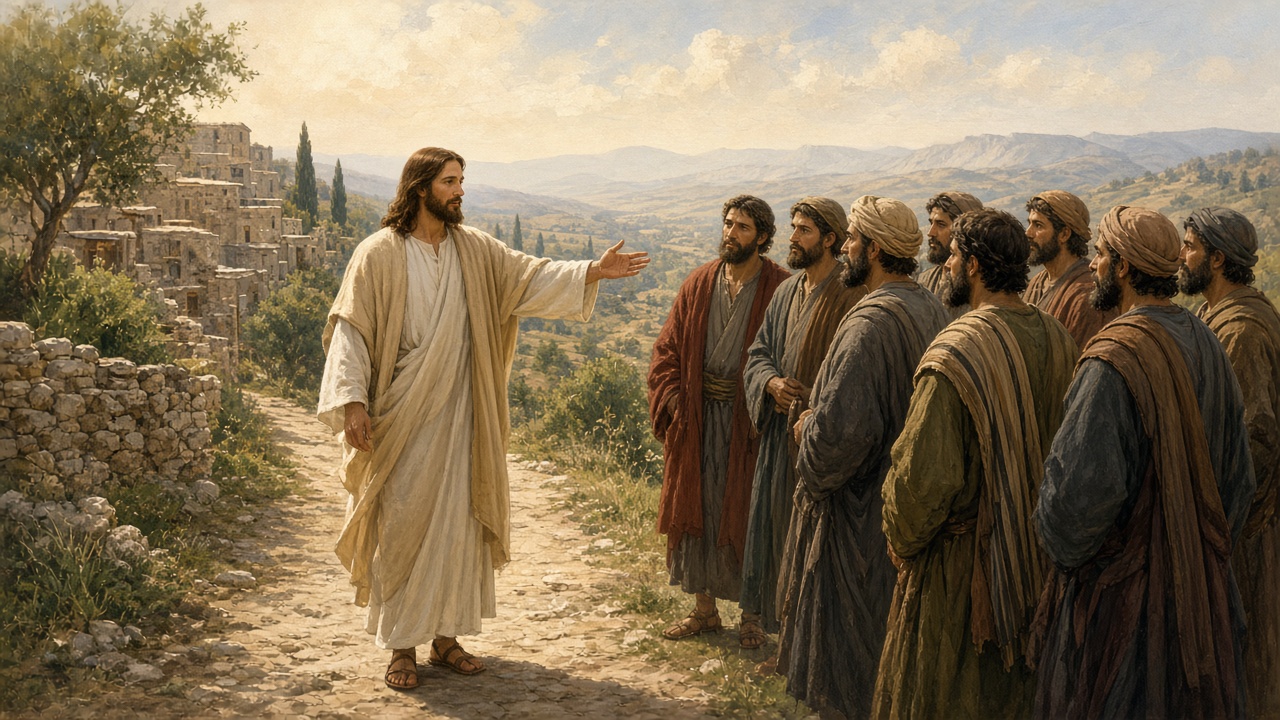
¿Sabías que…?
Los doce enviados en misión
- Simón, llamado Pedro, y su hermano Andrés —la primera pareja nombrada entre los doce— eran pescadores de Betsaida, en la costa occidental del mar de Galilea. Santiago y Juan, mencionados a continuación, eran hijos de Zebedeo, un pescador de Galilea que tenía sus propias barcas y jornaleros.Fuentes: el propio texto bíblico · Simon Peter · Andrew · Zebedee
- Mateo, identificado en la lista como el recaudador de impuestos, era hijo de Alfeo y antes se conocía como Leví; cobraba impuestos en Capernaúm, y el nombre Mateo significa “don de Dios”. Tomás, nombrado junto a él, también era llamado Dídimo, el equivalente griego del nombre hebreo, que significa “gemelo”. Bartolomé significa “hijo de Tolmai” y, por lo general, se supone que es la misma persona que Natanael.Fuentes: el propio texto bíblico · Matthew · Thomas · Bartholomew
- Jesús advierte que el día del juicio será más tolerable para Sodoma y Gomorra que para un pueblo que rechace a los doce apóstoles. El Diccionario Bíblico de Easton (1897) describe esas ciudades de la llanura de Sidim como destruidas por fuego y proverbiales por su maldad, y las ubica, probablemente juntas, cerca del extremo norte de lo que hoy es el mar Muerto.Fuentes: el propio texto bíblico · Sodom · Gomorrah
Notas escritas con ayuda de IA a partir de fuentes abiertas (Theographic Bible Metadata, CC BY-SA 4.0; Easton’s Bible Dictionary, dominio público) y revisadas antes de publicarse.
Créditos y licencia de esta traducción
Sahidica - طبعة جديدة من العهد الجديد باللغة القبطية الصعيدية
Sahidica - A New Edition of the New Testament in Sahidic Coptic
copyright © 2000-2006 J Warren Wells
Language: ⲘⲉⲧⲢⲉⲙ̀ⲛⲭⲏⲙⲓ (Coptic)
Dialect: Sahidic
Translation by: J Warren Wells
Coptic: Sahidic NT "Sahidica - A New Edition of the New Testament in Sahidic Coptic"
Copyright (c)2000-2006 by J Warren Wells. All rights reserved.
For more information visit www.sahidica.org .
This edition is available free of charge for use in free electronic
editions of the New Testament as long as the full title and copyright
information are included and credited. For written permission to use
all or any part of this document in print editions, contact the editor
at www.sahidica.org .
This edition is primarily meant for use by teachers and students of
Sahidic Coptic, and to a lesser degree by Coptologists involved in
scholarly research, textual criticism, or New Testament translation.
PURPOSE
Please note: This text is a work in progress. As such, there
is an ongoing effort to standardize the spelling of words in
the text. Be aware that version updates periodically appear.
The primary purpose is to produce a standardized edition of
the Sahidic NT similar to standard Greek editions.
An additional purpose of this text is to allow side-by-side
comparison with the Greek New Testament. To facilitate this
effort, a new version of the Greek text has been developed,
which is meant to better represent the Greek text upon which
the Sahidic was based. This text is entitled "The New Testament
According to the Egyptian Greek Text" [NTAEG]
This text does not include representation of either accents or
supralinear strokes, since these are used inconsistently in the
original texts. There is also a higher degree of standardization
in spelling and punctuation; like today's standard Greek master
texts, but unlike both the original Sahidic texts, and the PHI
and Coptic Society texts. Moreover, as in standard Greek texts,
instances of the Nomina Sacra have been expanded to their full
forms. This is again a departure from earlier versions of the
Sahidic, including the PHI and Coptic Society texts, which are
Both inconsistent in their usage.
Special thanks to David Brakke of Indiana University Bloomington,
Brigitte Comparini of the Packard Humanities Institute, and
Michael Heiser, Academic Editor, at Logos Research Systems; for
their assistance in making this edition possible.
BASIS
Sahidica was initially based (by permission) on the Coptic New Testament,
which is an electronic publication, which was edited by David Brakke.
(PHI-CD 5.3 dated 7/2/91. Los Altos. Packard Humanities Institute. 1991).
During later development, Sahidica was electronically collated against
the Coptic CD I by the St. Shenouda The Archmandrite Coptic Society.
Los Angeles, CA dated April, 1998.
These two editions were reduced to a raw electronic form, which allowed both
to be compared electronically letter by letter with Sahidica in order to
accurately detect and report every single variation and input error in any
of the texts. Though errors are inevitable, the collators of three seperate
editions are highly unlikely to make the same errors. Therefore, this method
helps to insure the integrity of the Sahidica edition.
Throughout the project, Sahidica was also collated against printed editions
of the following coptic manuscripts, which manuscripts date from the third
century and later.
Matt: Pierpont Morgan Library M-569 collated against Bodmer XIX papyrus
Mark:* PPalau Rib. Inv.Nr.182 collated against Pierpont Morgan Library M-569
Luke: PPalau Rib. Inv.Nr.181 collated against Pierpont Morgan Library M-569
John: PPalau Rib. Inv.Nr.183 collated against Pierpont Morgan Library M-569
Acts: Chester Beatty B (Copt.Ms.814) collated against Berlin P.15926 and British Museum MS Or.7594
Paul: Chester Beatty A (Copt.Ms.813) collated against Pierpont Morgan Library M-570 and M-571
James-Jude:** Pierpont Morgan Library M-572 collated against the Pierpont Morgan Library M-573 and M-601***
Revelation: Berlin MS Or.408 ( British Museum Ms Or.3518) collated against British Museum MS Or.6803
* Note: The longer and shorter endings of Mark are based on Horner; cf Kahle (JTS.1951.p49-57)
** Note: 1st Peter was also collated against the Crosby-Schøyen Ms.193.
*** Note: Portions of James and Jude were reconstructed from M-573, M-601, and four other mss.
Note on Interpolations
The short and long endings of Mark are ommited from the PPalau ms 182, but they do appear in most mss.
To better represent the overall Sahidic tradition, both endings are included, but in double brackets.
The pericope of the adultress (John 7:53-8:11) does not appear in any Sahidic ms. Herein it is omitted.
2014-09-16
Fuente: http://ebible.org/copshc/ · eBible.org