Lucas 23
Sahidica - طبعة جديدة من العهد الجديد باللغة القبطية الصعيدية · Toca un versículo para ver sus referencias cruzadas.
1ⲀⲨⲰ ⲀⲨⲦⲰⲞⲨⲚ ⲚϬⲒ ⲠⲘⲎⲎⲎϢⲈ ⲦⲎⲢϤ ⲀⲨⲚⲦϤ ⲈⲢⲀⲦϤ ⲘⲠⲒⲖⲀⲦⲞⲤ. 2ⲀⲨⲀⲢⲬⲒ ⲆⲈ ⲚⲔⲀⲦⲎⲄⲞⲢⲒ ⲘⲘⲞϤ ⲈⲨϪⲰ ⲘⲘⲞⲤ ϪⲈ ⲀⲚϨⲈ ⲈⲠⲀⲒ ⲈϤϢⲦⲞⲢⲦⲢ ⲘⲠⲈⲚϨⲈⲐⲚⲞⲤ ⲀⲨⲰ ⲈϤⲔⲰⲖⲨ ⲈϮϢⲰⲘ ⲘⲠⲢⲢⲞ ⲈϤϪⲰ ⲘⲘⲞⲤ ϪⲈ ⲀⲚⲄ ⲠⲢⲢⲞ ⲠⲈⲬⲢⲒⲤⲦⲞⲤ. 3ⲀⲠⲒⲖⲀⲦⲞⲤ ⲆⲈ ϪⲚⲞⲨϤ ⲈϤϪⲰ ⲘⲘⲞⲤ ϪⲈ. ⲚⲦⲞⲔ ⲠⲈ ⲠⲢⲢⲞ ⲚⲒⲞⲨⲆⲀⲒ ⲚⲦⲞϤ ⲆⲈ ⲀϤⲞⲨⲰϢⲂ ⲈϤϪⲰ ⲘⲘⲞⲤ ϪⲈ ⲚⲦⲞⲔ ⲠⲈⲦϪⲰ ⲘⲘⲞⲤ. 4ⲠⲈϪⲈ ⲠⲒⲖⲀⲦⲞⲤ ⲘⲠⲘⲎⲎϢⲈ ϪⲈ ⲚϮϬⲚ ⲖⲀⲀⲨ ⲀⲚ ⲚⲚⲞⲂⲈ ϨⲘ ⲠⲈⲒⲢⲰⲘⲈ. 5ⲚⲦⲞⲞⲨ ⲆⲈ ⲀⲨⲦⲰⲔ ⲈϨⲞⲨⲚ ⲈⲨϪⲰ ⲘⲘⲞⲤ ϪⲈ ϤϢⲦⲞⲢⲦⲢ ⲘⲠⲖⲀⲞⲤ ⲈϤϮⲤⲂⲰ ϨⲚ ϮⲞⲨⲆⲀⲒⲀ ⲦⲎⲢⲤ. ⲈⲀϤⲀⲢⲬⲒ ϪⲒⲚⲦⲄⲀⲖⲒⲖⲀⲒⲀ ϢⲀ ϨⲢⲀⲒ ⲈⲠⲈⲒⲘⲀ. 6ⲠⲒⲖⲀⲦⲞⲤ ⲆⲈ ⲚⲦⲈⲢⲈϤⲤⲰⲦⲘ ϪⲈ ⲦⲄⲀⲖⲒⲖⲀⲒⲀ ⲀϤϢⲒⲚⲈ ϪⲈ ⲞⲨⲄⲀⲖⲒⲖⲀⲒⲞⲤ ⲠⲈ ⲠⲢⲰⲘⲈ. 7ⲀⲨⲰ ⲚⲦⲈⲢⲈϤⲒⲘⲈ ϪⲈ ⲞⲨⲈⲂⲞⲖ ϨⲚ ⲦⲈⲜⲞⲨⲤⲒⲀ ⲚϨⲎⲢⲰⲆⲎⲤ ⲠⲈ ⲀϤϪⲞⲞⲨϤ ϢⲀ ϨⲎⲢⲰⲆⲎⲤ ⲈϤϨⲚ ⲐⲒⲈⲢⲞⲤⲞⲖⲨⲘⲀ ϨⲰⲰϤ ϨⲚ ⲚⲈⲒϨⲞⲞⲨ. 8ⲚⲦⲈⲢⲈ ϨⲎⲢⲰⲆⲎⲤ ⲆⲈ ⲚⲀⲨ ⲈⲒⲎⲤⲞⲨⲤ ⲀϤⲢⲀϢⲈ ⲈⲘⲀⲦⲈ ⲚⲈϤⲞⲨⲈϢ ⲚⲀⲨ ⲄⲀⲢ ⲈⲢⲞϤ ⲠⲈ ϨⲒⲦⲚ ϨⲈⲚⲚⲞϬ ⲚⲞⲨⲞⲒϢ ϪⲈ ⲚⲈϤⲤⲰⲦⲘ ⲈⲦⲂⲎⲎ ⲦϤ ⲀⲨⲰ ⲚⲈϤϨⲈⲖⲠⲒⲌⲈ ⲈⲚⲀⲨ ⲈⲨⲘⲀⲈⲒⲚ ⲈϤⲒⲢⲈ ⲘⲘⲞϤ. 9ⲀϤϪⲚⲞⲨϤ ⲆⲈ ϨⲚ ϨⲈⲚⲘⲎⲎϢⲈ ⲚϢⲀϪⲈ ⲚⲦⲞϤ ⲆⲈ ⲘⲠϤⲞⲨⲰϢⲂⲈϤ ⲖⲀⲀⲨ. 10ⲚⲈⲨⲀϨⲈ ⲆⲈ ⲈⲢⲀⲦⲞⲨ ⲠⲈ ⲚϬⲒ ⲚⲀⲢⲬⲒⲈⲢⲈⲨⲤ ⲘⲚ ⲚⲈⲄⲢⲀⲘⲘⲀⲦⲈⲨⲤ ⲈⲨⲔⲀⲦⲎⲄⲞⲢⲒ ⲘⲘⲞϤ ⲈⲘⲀⲦⲈ. 11ⲀϨⲎⲢⲰⲆⲎⲤ ⲆⲈ ⲤⲞϢϤ ⲘⲚ ⲚⲈϤⲤⲦⲢⲀⲦⲈⲨⲘⲀ ⲀⲨⲰ ⲀⲨⲤⲰⲂⲈ ⲘⲘⲞϤ ⲀⲨϬⲞⲞⲖⲈϤ ⲚⲞⲨϨⲂⲤⲰ ⲈⲤⲞⲨⲞⲂⲈϢ ⲀⲨϪⲞⲞⲨϤ ⲘⲠⲒⲖⲀⲦⲞⲤ. 12ⲀⲨⲢϢⲂⲎⲢ ⲈⲚⲈⲨⲈⲢⲎⲞⲨ ϨⲘ ⲠⲈϨⲞⲞⲨ ⲈⲦⲘⲘⲀⲨ ⲚϬⲒ ϨⲎⲢⲰⲆⲎⲤ ⲚⲘ ⲠⲒⲖⲀⲦⲞⲤ. ⲚⲈⲨϢⲞⲞⲠ ⲄⲀⲢ ⲠⲈ ϨⲚ ⲞⲨⲘⲚⲦϪⲀϪⲈ ⲘⲚ ⲚⲈⲨⲈⲢⲎⲨ. 13ⲀⲠⲒⲖⲀⲦⲞⲤ ⲆⲈ ⲘⲞⲨⲦⲈ ⲈⲚⲀⲢⲬⲒⲈⲢⲈⲨⲤ ⲚⲘⲚⲚⲀⲢⲬⲰⲚ ⲚⲘ ⲠⲖⲀⲞⲤ 14ⲈϤϪⲰ ⲘⲘⲞⲤ ⲚⲀⲨ ϪⲈ. ⲀⲦⲈⲦⲚⲒⲚⲈ ⲚⲀⲒ ⲘⲠⲈⲒⲢⲰⲘⲈ ϨⲰⲤ ⲈϤϢⲦⲞⲢⲦⲢ ⲘⲠⲖⲀⲞⲤ. ⲈⲒⲤ ϨⲎⲎⲦⲈ ⲆⲈ ⲀⲒⲔⲢⲒⲚⲈ ⲘⲘⲞϤ ⲘⲠⲈⲦⲚⲘⲦⲞ ⲈⲂⲞⲖ ⲘⲠⲒϨⲈ ⲈⲖⲀⲀⲨ ⲚⲚⲞⲂⲈ ⲚϨⲎⲦϤ ⲚⲀⲒ ⲈⲦⲈⲦⲚⲔⲀⲦⲎⲄⲞⲢⲒ ⲘⲘⲞϤ ⲚϨⲎⲦⲞⲨ. 15ⲀⲖⲖⲀ ⲘⲠⲈ ⲠⲔⲈϨⲎⲢⲰⲆⲎⲤ ϨⲈ ⲈⲞⲨⲞⲚ ⲈϨⲞⲨⲚ ⲈⲢⲞϤ. ⲀϤⲦⲚⲚⲞⲞⲨϤ ⲄⲀⲢ ⲚⲀⲚ. ⲀⲨⲰ ⲈⲒⲤ ϨⲎⲎⲦⲈ ⲘⲠϤⲢ ⲖⲀⲀⲨ ⲈϤⲘⲠϢⲀ ⲘⲠⲘⲞⲨ. 16ϮⲚⲀⲠⲀⲒⲆⲈⲨⲈ ϬⲈ ⲘⲘⲞϤ ⲦⲀⲔⲀⲀϤ ⲈⲂⲞⲖ. 17[—] 18ⲀⲨϪⲒϢⲔⲀⲔ ⲆⲈ ⲈⲂⲞⲖ ⲦⲎⲢⲞⲨ ⲈⲨϪⲰ ⲘⲘⲞⲤ ϪⲈ ϤⲒ ⲠⲀⲒ. ⲔⲰ ⲚⲀⲚ ⲈⲂⲞⲖ ⲂⲂⲀⲢⲀⲂⲂⲀⲤ 19ⲠⲀⲒ ⲈⲚⲦⲀⲨⲚⲞϪϤ ⲈⲠⲈϢⲦⲈⲔⲞ ⲈⲦⲂⲈ ⲞⲨⲤⲦⲀⲤⲒⲤ ⲈⲀⲤϢⲰⲠⲈ ϨⲚ ⲦⲠⲞⲖⲈⲒⲤ ⲚⲘⲞⲨϨⲰⲦⲂ. 20ⲀⲠⲒⲖⲀⲦⲞⲤ ⲆⲈ ⲞⲚ ϢⲀϪⲈ ⲚⲘⲘⲀⲨ ⲈϤⲞⲨⲰϢ ⲈⲔⲀ ⲒⲎⲤⲞⲨⲤ ⲈⲂⲞⲖ 21ⲚⲦⲞⲞⲨ ⲆⲈ ⲀⲨⲀϢⲔⲀⲔ ⲈⲂⲞⲖ ⲈⲢⲞϤ ⲈⲨϪⲰ ⲘⲘⲞⲤ ϪⲈ. ⲤⲦⲀⲨⲢⲞⲨ ⲘⲘⲞϤ ⲤⲦⲀⲨⲢⲞⲨ ⲘⲘⲞϤ. 22ⲠⲈϪⲀϤ ⲚⲀⲨ ⲘⲠⲘⲈϨ ϢⲞⲘⲚⲦ ⲚⲤⲞⲠ. ϪⲈ ⲞⲨ ⲄⲀⲢ ⲠⲈ ⲠⲠⲈⲐⲞⲞⲨ ⲈⲚⲦⲀ ⲠⲀⲒ ⲀⲀϤ ⲘⲠⲒϨⲈ ⲈⲖⲀⲀⲨ ⲘⲘⲞⲨ ⲈⲢⲞϤ. ϮⲚⲀⲠⲀⲒⲆⲈⲨⲈ ϬⲈ ⲘⲘⲞϤ ⲦⲀⲔⲀⲀϤ ⲈⲂⲞⲖ. 23ⲚⲦⲞⲞⲨ ⲆⲈ ⲀⲨⲘⲞⲨⲚ ⲈⲂⲞⲖ ϨⲚ ϨⲈⲚⲚⲞϬ ⲚⲤⲘⲎ ⲈⲨⲀⲒⲦⲒ ϪⲈ ⲤⲦⲀⲨⲢⲞⲨ ⲘⲘⲞϤ. ⲀⲨⲰ ⲚⲈⲢⲈ ⲚⲈⲨⲤⲘⲎ ϬⲘϬⲞⲘ. 24ⲀⲠⲒⲖⲀⲦⲞⲤ ⲆⲈ ⲔⲢⲒⲚⲈ ⲈⲈⲒⲢⲈ ⲘⲠⲈⲨⲀⲒⲦⲎⲘⲀ. 25ⲀϤⲔⲰ ⲈⲂⲞⲖ ⲘⲠⲈⲚⲦⲀⲨⲚⲞϪϤ ⲈⲠⲈϢⲦⲈⲔⲞ ⲈⲦⲂⲈ ⲦⲈⲤⲦⲀⲤⲒⲤ ⲚⲘ ⲪⲰⲦⲂ ⲠⲈⲦⲈ ⲚⲈⲨⲀⲒⲦⲒ ⲘⲘⲞϤ. ⲀϤϮ ⲆⲈ ⲚⲒⲎⲤⲞⲨⲤ ⲘⲠⲈⲨⲞⲨⲰϢ 26ⲀⲨⲰ ⲈⲨϪⲒ ⲘⲘⲞϤ ⲈⲂⲞⲖ ⲀⲨⲀⲘⲀϨⲦⲈ ⲚⲞⲨⲔⲨⲢⲎⲚⲀⲒⲞⲤ ϪⲈ ⲤⲒⲘⲰⲚ. ⲈϤⲚⲎⲞⲨ ⲈϨⲢⲀⲒ ϨⲚ ⲦⲤⲰϢⲈ ⲀⲨⲦⲀⲖⲈ ⲠⲈϤⲤⲦⲀⲨⲢⲞⲤ ⲈϪⲰϤ ⲈϤⲒⲦϤ ϨⲒ ⲠⲀϨⲞⲨ ⲚⲒⲎⲤⲞⲨⲤ. 27ⲚⲈⲢⲈ ⲞⲨⲘⲎⲎϢⲈ ⲆⲈ ⲘⲠⲖⲀⲞⲤ ⲞⲨⲎϨ ⲚⲤⲰϤ ⲘⲚ ⲚⲈϨⲒⲞⲘⲈ ⲚⲀⲒ ⲈⲚⲈⲨⲚⲈϨⲠⲈ ⲠⲈ ⲀⲨⲰ ⲚⲈⲨⲦⲞⲒⲦ ⲈⲢⲞϤ. 28ⲀⲒⲎⲤⲞⲨⲤ ⲆⲈ ⲔⲞⲦϤ ⲈⲠⲀϨⲞⲨ ⲠⲈϪⲀϤ ⲚⲀⲨ ϪⲈ ⲚϢⲈⲈⲢⲈ ⲚⲐⲒⲈⲢⲞⲤⲞⲖⲨⲘⲀ ⲘⲠⲢⲢⲒⲘⲈ ⲚⲀⲒ. ⲠⲖⲎⲚ ⲢⲒⲘⲈ ⲚⲦⲞϤ ⲚⲎⲦⲚ ⲘⲚ ⲚⲈⲦⲚϢⲎⲢⲈ 29ϪⲈ ⲈⲒⲤ ϨⲎⲎⲦⲈ ⲞⲨⲚ ϨⲈⲚϨⲞⲞⲨ ⲚⲎⲞⲨ ⲚⲤⲈϪⲞⲞⲤ ⲚϨⲎⲦⲞⲨ ϪⲈ ⲚⲀⲒⲀⲦⲞⲨ ⲚⲚⲀϬ ⲢⲎⲚ. ⲚⲘ ⲚϨⲎ ⲈⲦⲈ ⲘⲠⲞⲨⲘⲒⲤⲈ ⲘⲚ ⲚⲈⲔⲒⲂⲈ ⲈⲦⲈ ⲘⲠⲞⲨⲦⲤⲚⲔⲞ. 30ⲦⲞⲦⲈ ⲤⲈⲚⲀⲀⲢⲬⲒ ⲚϪⲞⲞⲤ ⲚⲚⲦⲞⲞⲨ ϪⲈ ϨⲈ ⲈϨⲢⲀⲒ ⲈϪⲰⲚ ⲀⲨⲰ ⲚⲤⲒⲂⲈⲦ ϪⲈ ϨⲞⲂⲤⲚ. 31ϪⲈ ⲈϢϪⲈ ⲤⲈⲈⲒⲢⲈ ⲚⲚⲀⲒ ϨⲘ ⲠϢⲈ ⲈⲦⲞⲨⲰⲦ ⲈⲈⲒⲈ ⲞⲨ ⲠⲈⲦⲚⲀϢⲰⲠⲈ ϨⲘ ⲠⲈⲦϢⲞⲨⲰⲞⲨ. 32ⲀⲨⲚ ⲔⲈⲤⲞⲞⲚⲈ ⲆⲈ ⲤⲚⲀⲨ ⲈⲂⲞⲖ ⲈⲘⲞⲞⲨⲦⲞⲨ ⲚⲘⲘⲀϤ 33ⲀⲨⲰ ⲚⲦⲈⲢⲞⲨⲈⲒ ⲈϪⲘ ⲠⲘⲀ ⲈϢⲀⲨⲘⲞⲨⲦⲈ ⲈⲢⲞϤ ϪⲈ ⲠⲈⲔⲢⲀⲚⲒⲞⲚ ⲀⲨⲤⲦⲀⲨⲢⲞⲨ ⲘⲘⲞϤ ⲚⲘ ⲘⲀⲨ ⲚⲘ ⲠⲔⲈⲤⲞⲞⲚⲈ ⲤⲚⲀⲨ. ⲞⲨⲀ ⲘⲈⲚ ϨⲒ ⲞⲨⲚⲀⲘ ⲘⲘⲞϤ. ⲞⲨⲀ ⲆⲈ ϨⲒϨⲂⲞⲨⲢ ⲘⲘⲞϤ. 34ⲀⲨⲠⲰϢ ⲚⲚⲈϤϨⲞⲒⲦⲈ ⲀⲨⲰ ⲀⲨⲚⲈϪ ⲔⲖⲎⲢⲞⲤ ⲈϪⲰⲞⲨ. 35ⲀⲨⲰ ⲚⲈⲢⲈ ⲠⲖⲀⲞⲤ ⲠⲈ ⲀϨⲈⲢⲀⲦϤ ⲈⲨⲚⲀⲨ ⲠⲈ ⲀⲚⲔⲈⲀⲢⲬⲰⲚ ⲆⲈ ⲔⲰⲘϢ ⲚⲤⲰϤ ⲈⲨϪⲰ ⲘⲘⲞⲤ ϪⲈ ⲀϤⲦⲞⲨϪⲈ ϨⲈⲚⲔⲞⲞⲨⲈ ⲘⲀⲢⲈϤⲦⲞⲨϪⲞϤ ⲈϢϪⲈ ⲠⲀⲒ ⲠⲈ ⲠⲈⲬⲢⲒⲤⲦⲞⲤ ⲠⲤⲰⲦⲠ ⲠϢⲎⲢⲈ ⲘⲠⲚⲞⲨⲦⲈ. 36ⲀⲚⲔⲈⲘⲀⲦⲞⲒ ⲆⲈ ⲤⲰⲂⲈ ⲚⲤⲰϤ ⲈⲨϮ ⲘⲠⲈⲨⲞⲨⲞⲒ ⲈⲢⲞϤ ⲚⲘ ⲞⲨϨⲘϪ 37ⲈⲨϪⲰ ⲘⲘⲞⲤ ϪⲈ ⲈϢϪⲈ ⲚⲦⲞⲔ ⲠⲈ ⲠⲢⲢⲞ ⲚⲒⲞⲨⲆⲀⲒ ⲘⲀⲦⲞⲨϪⲞⲔ. 38ⲚⲈⲨⲚⲞⲨⲈⲠⲒⲄⲢⲀⲪⲎ ⲆⲈ ϨⲒϪⲰϤ ϪⲈ ⲠⲀⲒ ⲠⲈ ⲠⲢⲢⲞ ⲚⲒⲞⲨⲆⲀⲒ 39ⲚⲈⲨⲚ ⲞⲨⲀ ⲆⲈ ⲚⲚⲤⲞⲞⲚⲈ ⲈⲦⲀϢⲈ ϪⲒⲞⲨⲀ ⲈⲢⲞϤ ⲈϤϪⲰ ⲘⲘⲰⲤ ϪⲈ. ⲘⲎ ⲚⲦⲞⲔ ⲀⲚ ⲠⲈ ⲠⲈⲬⲢⲒⲤⲦⲞⲤ. ⲘⲀⲦⲞⲨϪⲞⲔ ⲚⲘⲘⲀⲚ. 40ⲀⲠⲔⲈⲞⲨⲀ ⲆⲈ ⲞⲨⲰϢⲂ ⲈϤⲀⲒⲠⲒⲦⲒⲘⲀ ⲚⲀϤ ⲈϤϪⲰ ⲘⲘⲞⲤ ϪⲈ. ⲚⲔⲢϨⲞⲦⲈ ⲚⲦⲞⲔ ⲀⲚ ϨⲎⲦϤ ⲘⲠⲚⲞⲨⲦⲈ ϪⲈ ⲈⲚϢⲞⲞⲠ ⲘⲠⲈⲒⲔⲢⲒⲘⲀ ⲞⲨⲰⲦ 41ⲀⲚⲞⲚ ⲄⲀⲢ ⲆⲒⲔⲀⲒⲰⲤ ⲠⲈⲘⲠϢⲀ ⲄⲀⲢ ⲚⲚⲈⲚⲦⲀⲚⲀⲀⲨ ⲠⲈⲦⲚⲚⲀϪⲒ ⲘⲘⲞϤ ⲠⲀⲒ ⲆⲈ ⲘⲠϤⲢ ⲖⲀⲀⲨ ⲚϨⲰⲂ ⲈⲘⲈϢϢⲈ. 42ⲀⲨⲰ ⲠⲈϪⲀϤ ϪⲈ ⲒⲎⲤⲞⲨⲤ ⲀⲢⲒⲠⲀⲘⲈⲨⲈ ⲠϪⲞⲈⲒⲤ ⲈⲔϢⲀⲚⲈⲒ ϨⲚ ⲦⲈⲔⲘⲚⲦⲢⲢⲞ. 43ⲠⲈϪⲀϤ ⲆⲈ ⲚⲀϤ ϪⲈ. ϨⲀⲘⲎⲚ ϮϪⲰ ⲘⲘⲞⲤ ⲚⲀⲔ ⲘⲠⲞⲞⲨ ϪⲈ ⲔⲚⲀϢⲰⲠⲈ ⲚⲘⲘⲀⲒ ϨⲘ ⲠⲠⲀⲢⲀⲆⲈⲒⲤⲞⲤ. 44ⲚⲈ ⲠⲚⲀⲨ ⲆⲈ ⲚϪⲠ ⲠⲤⲞ ⲠⲈ. ⲀⲨⲔⲀⲔⲈ ϢⲰⲠⲈ ⲈϪⲘ ⲠⲔⲀϨ ⲦⲎⲢϤ ϢⲀ ϪⲠ ⲮⲒⲦⲈ. 45ⲈⲢⲈ ⲠⲢⲎ ⲆⲈ ⲚⲀϨⲰⲦⲠ. ⲀⲠⲔⲀⲦⲀⲠⲈⲦⲀⲤⲘⲀ ⲘⲠⲈⲢⲠⲈ ⲠⲰϨ ϨⲒ ⲦⲈϤⲘⲎⲦⲈ. 46ⲀⲒⲎⲤⲞⲨⲤ ϪⲒϢⲔⲀⲔ ⲈⲂⲞⲖ ϨⲚ ⲞⲨⲚⲞϬ ⲚⲤⲘⲎ ⲠⲈϪⲀϤ ϪⲈ ⲠⲀⲒⲰⲦ ϮϮ ⲘⲠⲀⲠⲚⲈⲨⲘⲀ ⲈⲚⲈⲔϬⲒϪ. ⲚⲦⲈⲢⲈϤϪⲈ ⲠⲀⲒ ⲆⲈ ⲀϤⲔⲀ ⲠⲦⲎⲞⲨ. 47ⲀⲪⲈⲔⲀⲦⲞⲚⲦⲀⲢⲬⲞⲤ ⲆⲈ ⲚⲀⲨ ⲈⲠⲈⲚⲦⲀϤϢⲰⲠⲈ ⲀϤϮ ⲈⲞⲞⲨ ⲘⲠⲚⲞⲨⲦⲈ ⲈϤϪⲰ ⲘⲘⲞⲤ ϪⲈ ⲞⲚⲦⲰⲤ ⲚⲈ ⲞⲨⲆⲒⲔⲀⲒⲞⲤ ⲠⲈ ⲠⲈⲒⲢⲰⲘⲈ. 48ⲀⲨⲰ ⲘⲘⲎⲎϢⲈ ⲚⲦⲈⲢⲞⲨⲈⲒ ⲈⲚⲀⲨ ⲚⲦⲈⲢⲞⲨⲚⲀⲨ ⲈⲚⲈⲚⲦⲀⲨϢⲰⲠⲈ ⲀⲨϨⲒⲞⲨⲈ ⲈϨⲞⲨⲚ ⲈⲚⲈⲨⲘⲈⲤⲐⲎⲦ ⲀⲨⲰ ⲀⲨⲔⲞⲦⲞⲨ. 49ⲚⲈⲢⲈ ⲚⲈⲦⲤⲞⲞⲨⲚ ⲆⲈ ⲘⲘⲞϤ ⲦⲎⲢⲞⲨ ⲠⲈ ⲀϨⲈⲢⲀⲦⲞⲨ ⲘⲠⲞⲨⲈ ⲘⲚ ⲚⲈϨⲒⲞⲘⲈ ⲈⲚⲈⲨⲞⲨⲎϨ ⲚⲤⲰϤ ϪⲒⲚ ⲦⲄⲀⲖⲒⲖⲀⲒⲀ ⲈⲨⲚⲀⲨ ⲈⲚⲀⲒ. 50ⲈⲒⲤ ⲞⲨⲢⲰⲘⲈ ⲆⲈ ⲈⲠⲈϤⲢⲀⲚ ⲠⲈ ⲒⲰⲤⲎⲪ ⲈⲨⲂⲞⲨⲖⲈⲨⲦⲎⲤ ⲠⲈ ⲢⲢⲰⲘⲈ ⲚⲀⲄⲀⲐⲞⲤ ⲚⲆⲒⲔⲀⲒⲞⲤ 51ⲠⲀⲒ ⲈⲚϤϤⲒ ⲀⲚ ⲚⲘ ⲠⲈⲨϢⲞϪⲚⲈ ⲀⲨⲰ ⲠⲈⲨϨⲰⲂ ⲈⲨⲈⲂⲞⲖ ⲠⲈ ϨⲚ ⲀⲢⲒⲘⲀⲐⲀⲒⲀ ⲦⲠⲞⲖⲒⲤ ⲚⲒⲞⲨⲆⲀⲒ. ⲠⲀⲒ ⲈⲚⲈϤϬⲰϢⲦ ⲈⲂⲞⲖ ϨⲎⲦⲤ ⲚⲦⲘⲚⲦⲢⲢⲞ ⲘⲠⲚⲞⲨⲦⲈ. 52ⲠⲀⲒ ϬⲈ ⲀϤϮ ⲠⲈϤⲞⲨⲞⲒ ⲈⲠⲒⲖⲀⲦⲞⲤ ⲀϤⲀⲒⲦⲒ ⲘⲠⲤⲰⲘⲀ ⲚⲒⲎⲤⲞⲨⲤ 53ⲀϤⲚⲦϤ ⲈⲠⲈⲤⲎⲦ ⲀϤⲔⲞⲞⲤϤ ϨⲚ ⲞⲨⲤⲒⲚⲆⲰⲚ ⲀϤⲔⲀⲀϤ ϨⲚ ⲞⲨⲘϨⲀⲞⲨ ⲈⲀⲨⲔⲈϨⲔⲰϨϤ ⲈⲘⲠⲞⲨⲔⲀ ⲖⲀⲀⲨ ⲚϨⲎⲦϤ ⲈⲚⲈϨ. ⲀⲨⲰ ⲚⲦⲈⲢⲈϤⲔⲀⲀϤ ⲆⲈ ⲀⲨⲞⲨⲈϨ ⲞⲨⲰⲚⲈ ⲈⲢⲚ ⲦⲦⲀⲠⲢⲞ ⲘⲠⲈⲘϨⲀⲞⲨ. ⲠⲀⲒ ⲈⲚⲈ ⲘⲞⲄⲒⲤ ⲈⲚⲈⲢⲈ ϢϪⲞⲨⲰⲦ ⲢⲢⲰⲘⲈ ⲚⲀϢ ⲤⲔⲢⲔⲰⲢϤ. 54ⲚⲈ ⲠⲈϨⲞⲞⲨ ⲆⲈ ⲠⲈ ⲚⲦⲠⲀⲢⲀⲤⲔⲈⲨⲎ ⲈϨⲦⲞⲞⲨⲈ ⲘⲠⲤⲀⲂⲂⲀⲦⲞⲚ. 55ⲀⲚⲈϨⲒⲞⲘⲈ ⲆⲈ ⲞⲨⲀϨⲞⲨ ⲚⲤⲰϤ ⲚⲀⲈⲒ ⲈⲚⲦⲀⲨⲈⲒ ⲚⲘⲘⲀϤ ⲈⲂⲞⲖ ϨⲚ ⲦⲄⲀⲖⲒⲖⲀⲒⲀ ⲈⲨⲚⲀⲨ ⲈⲠⲈⲘϨⲀⲞⲨ ⲚⲘ ⲐⲈ ⲈⲚⲦⲀϤⲔⲀ ⲠⲈϤⲤⲰⲘⲀ ⲘⲘⲞⲤ. 56ⲀⲨⲔⲞⲦⲞⲨ ⲆⲈ ⲀⲨⲤⲞⲂⲦⲈ ⲚϨⲈⲚϨⲎⲚⲈ ⲚⲘ ϨⲈⲚⲤⲦⲞ. ⲀⲨⲰ ⲀⲨϬⲰ ⲘⲠⲤⲀⲂⲂⲀⲦⲞⲚ ⲔⲀⲦⲀ ⲦⲈⲚⲦⲞⲖⲎ.
¿Sabías que…?
Juicio, cruz y sepultura
- Poncio Pilato, identificado por el Diccionario Bíblico de Easton (1897) como el sexto procurador romano de Judea (26–36 d.C.), tenía su sede en Cesarea, pero subía con frecuencia a Jerusalén. Las acusaciones del consejo en este capítulo son políticas: que Jesús subvertía a la nación, prohibía el pago de impuestos al César y se proclamaba el Cristo, un rey.Fuentes: Pontius Pilate · el propio texto bíblico
- Cuando Pilato supo que Jesús era galileo y estaba bajo la jurisdicción de Herodes, lo envió a Herodes Antipas, hijo de Herodes con Maltace, que entonces estaba en Jerusalén. Herodes hacía tiempo que quería ver a Jesús y esperaba un milagro, pero Jesús no respondió a sus preguntas. Después de que Herodes y sus soldados se burlaron de Jesús y lo vistieron con un manto fino, lo enviaron de vuelta, y aquel día Herodes y Pilato, que habían sido enemigos, se hicieron amigos.Fuentes: Herod Antipas · el propio texto bíblico
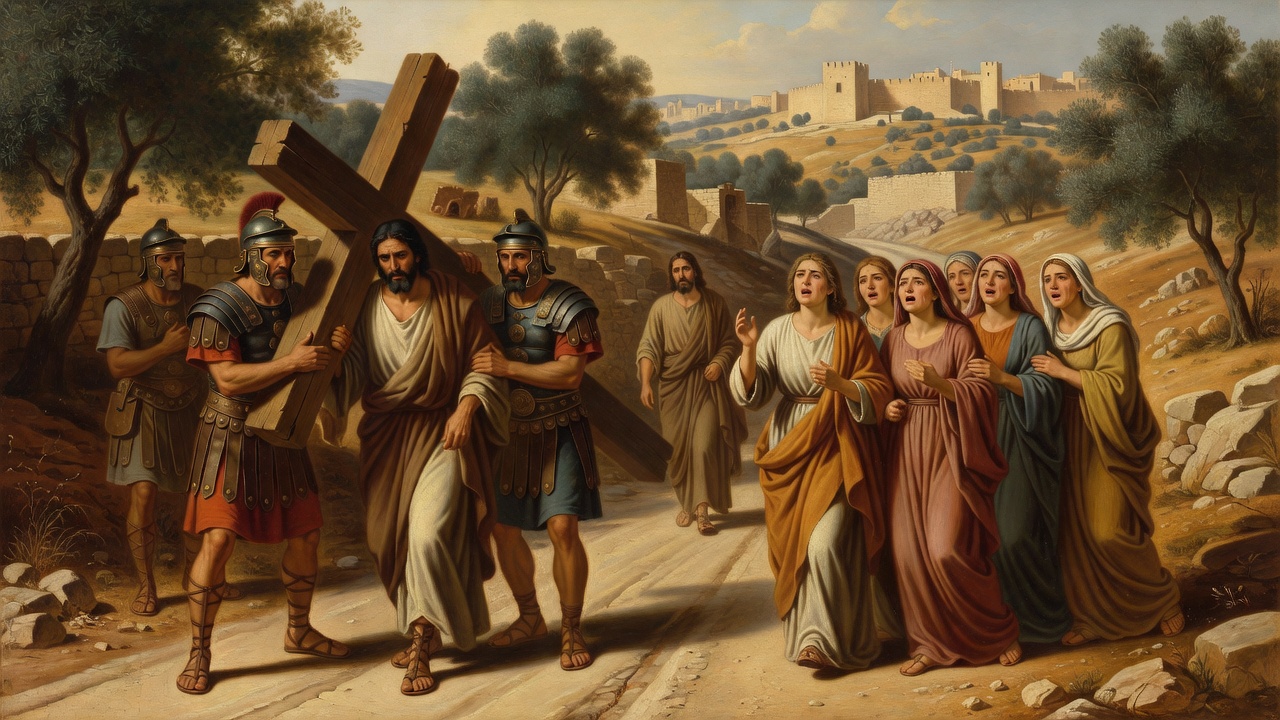
- El lugar de la crucifixión se llama la Calavera; la forma latina Calvaria traducía el griego Kranion, que vertía el hebreo Gulgoleth. Probablemente recibió ese nombre por su forma, una elevación baja, redondeada y desnuda, algo parecida a un cráneo humano, y la Escritura en ningún lugar lo llama colina. La crucifixión tuvo lugar fuera de los muros de la ciudad y cerca de un camino público.Fuentes: Skull · el propio texto bíblico
Notas escritas con ayuda de IA a partir de fuentes abiertas (Theographic Bible Metadata, CC BY-SA 4.0; Easton’s Bible Dictionary, dominio público) y revisadas antes de publicarse.
Lugares de este capítulo
- Galilee · 32.760, 35.527 · versículos 5, 6, 7, 49, 55
- Jerusalem · 31.777, 35.234 · versículos 5, 7, 19, 28
- Judea · Hoy: Judea 1 · 31.777, 35.234 · versículos 5, 51
- Cyrene · 32.821, 21.851 · versículo 26
Solo aparecen lugares identificados con alta confianza (90 % o más según las fuentes académicas reunidas por OpenBible). Mapa de la época: DARE (Digital Atlas of the Roman Empire), CC BY 4.0; mapa actual: © colaboradores de OpenStreetMap; lugares: OpenBible.info (CC BY 4.0).
Créditos y licencia de esta traducción
Sahidica - طبعة جديدة من العهد الجديد باللغة القبطية الصعيدية
Sahidica - A New Edition of the New Testament in Sahidic Coptic
copyright © 2000-2006 J Warren Wells
Language: ⲘⲉⲧⲢⲉⲙ̀ⲛⲭⲏⲙⲓ (Coptic)
Dialect: Sahidic
Translation by: J Warren Wells
Coptic: Sahidic NT "Sahidica - A New Edition of the New Testament in Sahidic Coptic"
Copyright (c)2000-2006 by J Warren Wells. All rights reserved.
For more information visit www.sahidica.org .
This edition is available free of charge for use in free electronic
editions of the New Testament as long as the full title and copyright
information are included and credited. For written permission to use
all or any part of this document in print editions, contact the editor
at www.sahidica.org .
This edition is primarily meant for use by teachers and students of
Sahidic Coptic, and to a lesser degree by Coptologists involved in
scholarly research, textual criticism, or New Testament translation.
PURPOSE
Please note: This text is a work in progress. As such, there
is an ongoing effort to standardize the spelling of words in
the text. Be aware that version updates periodically appear.
The primary purpose is to produce a standardized edition of
the Sahidic NT similar to standard Greek editions.
An additional purpose of this text is to allow side-by-side
comparison with the Greek New Testament. To facilitate this
effort, a new version of the Greek text has been developed,
which is meant to better represent the Greek text upon which
the Sahidic was based. This text is entitled "The New Testament
According to the Egyptian Greek Text" [NTAEG]
This text does not include representation of either accents or
supralinear strokes, since these are used inconsistently in the
original texts. There is also a higher degree of standardization
in spelling and punctuation; like today's standard Greek master
texts, but unlike both the original Sahidic texts, and the PHI
and Coptic Society texts. Moreover, as in standard Greek texts,
instances of the Nomina Sacra have been expanded to their full
forms. This is again a departure from earlier versions of the
Sahidic, including the PHI and Coptic Society texts, which are
Both inconsistent in their usage.
Special thanks to David Brakke of Indiana University Bloomington,
Brigitte Comparini of the Packard Humanities Institute, and
Michael Heiser, Academic Editor, at Logos Research Systems; for
their assistance in making this edition possible.
BASIS
Sahidica was initially based (by permission) on the Coptic New Testament,
which is an electronic publication, which was edited by David Brakke.
(PHI-CD 5.3 dated 7/2/91. Los Altos. Packard Humanities Institute. 1991).
During later development, Sahidica was electronically collated against
the Coptic CD I by the St. Shenouda The Archmandrite Coptic Society.
Los Angeles, CA dated April, 1998.
These two editions were reduced to a raw electronic form, which allowed both
to be compared electronically letter by letter with Sahidica in order to
accurately detect and report every single variation and input error in any
of the texts. Though errors are inevitable, the collators of three seperate
editions are highly unlikely to make the same errors. Therefore, this method
helps to insure the integrity of the Sahidica edition.
Throughout the project, Sahidica was also collated against printed editions
of the following coptic manuscripts, which manuscripts date from the third
century and later.
Matt: Pierpont Morgan Library M-569 collated against Bodmer XIX papyrus
Mark:* PPalau Rib. Inv.Nr.182 collated against Pierpont Morgan Library M-569
Luke: PPalau Rib. Inv.Nr.181 collated against Pierpont Morgan Library M-569
John: PPalau Rib. Inv.Nr.183 collated against Pierpont Morgan Library M-569
Acts: Chester Beatty B (Copt.Ms.814) collated against Berlin P.15926 and British Museum MS Or.7594
Paul: Chester Beatty A (Copt.Ms.813) collated against Pierpont Morgan Library M-570 and M-571
James-Jude:** Pierpont Morgan Library M-572 collated against the Pierpont Morgan Library M-573 and M-601***
Revelation: Berlin MS Or.408 ( British Museum Ms Or.3518) collated against British Museum MS Or.6803
* Note: The longer and shorter endings of Mark are based on Horner; cf Kahle (JTS.1951.p49-57)
** Note: 1st Peter was also collated against the Crosby-Schøyen Ms.193.
*** Note: Portions of James and Jude were reconstructed from M-573, M-601, and four other mss.
Note on Interpolations
The short and long endings of Mark are ommited from the PPalau ms 182, but they do appear in most mss.
To better represent the overall Sahidic tradition, both endings are included, but in double brackets.
The pericope of the adultress (John 7:53-8:11) does not appear in any Sahidic ms. Herein it is omitted.
2014-09-16
Fuente: http://ebible.org/copshc/ · eBible.org