Lucas 12
Sahidica - طبعة جديدة من العهد الجديد باللغة القبطية الصعيدية · Toca un versículo para ver sus referencias cruzadas.
1ϨⲘ ⲠⲦⲢⲈⲚⲈⲦⲂⲀ ⲆⲈ ⲘⲘⲎⲎϢⲈ ⲤⲰⲞⲨϨ ⲈϨⲞⲨⲚ ϨⲰⲤⲦⲈ ⲈⲦⲢⲈⲨϨⲰⲘ ⲚⲚⲈⲨⲈⲢⲎⲞⲨ ⲀϤⲀⲢⲬⲒ ⲚϢⲀϪⲈ ⲘⲚ ⲚⲈϤⲘⲀⲐⲎⲦⲎⲤ ⲚϢⲞⲢⲠ ϪⲈ ϨⲀⲢⲈϨ ⲈⲢⲰⲦⲚ ⲈⲦⲂⲈ ⲠⲈⲐⲀⲂ ⲈⲦⲈⲦⲀⲒ ⲦⲈ ⲐⲨⲠⲞⲔⲢⲒⲤⲒⲤ ⲚⲚⲈⲪⲀⲢⲒⲤⲤⲀⲒⲞⲤ. 2ⲘⲘⲚⲖⲀⲀⲨ ⲆⲈ ⲈϤϨⲞⲂⲤ ⲈⲚϤⲚⲀϬⲰⲖⲠ ⲈⲂⲞⲖ ⲀⲚ ⲀⲨⲰ ⲈϤϨⲎⲠ ⲈⲚⲤⲈⲚⲀⲒⲘⲈ ⲈⲢⲞϤ ⲀⲚ. 3ⲈⲦⲂⲈ ⲠⲀⲒ ⲚⲈⲚⲦⲀⲦⲈⲦⲚϪⲞⲞⲨ ϨⲘ ⲠⲔⲀⲔⲈ ⲤⲈⲚⲀⲤⲞⲦⲘⲞⲨ ϨⲘ ⲠⲞⲨⲞⲒⲚ. ⲀⲨⲰ ⲠⲈⲚⲦⲀⲦⲈⲦⲚϪⲞⲞⲤ ⲈⲠⲈⲨⲘⲀⲀϪⲈ ϨⲚ ⲚⲦⲀⲘⲒⲞⲚ. ⲤⲈⲚⲀⲦⲀϢⲈⲞⲒϢ ⲘⲘⲞϤ ϨⲒϪⲚ ⲚϪⲈⲚⲈⲠⲰⲢ. 4ϮϪⲰ ⲘⲘⲞⲤ ⲚⲎⲦⲚ ⲚⲀϢⲂⲈⲈⲢ ϪⲈ ⲘⲠⲢⲢϨⲞⲦⲈ ϨⲎⲦⲞⲨ ⲚⲚⲈⲦⲚⲀⲘⲞⲨⲞⲨⲦ ⲘⲠⲈⲦⲚⲤⲰⲘⲀ. ⲘⲚⲚⲤⲀ ⲚⲀⲒ ⲈⲘⲘⲚⲦⲞⲨ ϨⲞⲨⲈⲠⲀⲒ ⲈⲀⲀϤ ⲚⲎⲦⲚ. 5ϮⲚⲀⲦⲀⲘⲈ ⲦⲎⲞⲨⲦⲚ ⲆⲈ ϪⲈ ⲚⲒⲘ ⲠⲈⲦⲈⲦⲚⲀⲢϨⲞⲦⲈ ϨⲎⲦϤ. ⲀⲢⲒϨⲞⲦⲈ ϨⲎⲦϤ ⲘⲠⲈⲦⲈⲞⲨⲚⲦϤⲈⲜⲞⲨⲤⲒⲀ ⲘⲘⲀⲨ ⲘⲚⲚⲤⲀ ⲘⲞⲨⲞⲨⲦⲦⲎⲨⲦⲚ ⲈⲚⲈϪⲦⲎⲞⲨⲦⲚ ⲈⲦⲄⲈϨⲈⲚⲚⲀ. ϨⲀⲒⲞ ϮϪⲰ ⲘⲘⲞⲤ ⲚⲎⲦⲚ ϪⲈ ⲀⲢⲒϨⲞⲦⲈ ϨⲎⲦϤ ⲘⲠⲀⲒ. 6ⲘⲎ ⲚⲤⲈϮ ⲈⲂⲞⲖ ⲀⲚ ⲚϮⲞⲨ ⲚϪⲀϪ ϨⲀϨⲞⲂⲞⲖⲞⲤ ⲤⲚⲀⲨ ⲀⲨⲰ ⲚⲤⲈⲞⲂϢ ⲀⲚ ⲈⲨⲀ ⲘⲘⲞⲞⲨ ⲘⲠⲈⲘⲦⲞ ⲈⲂⲞⲖ ⲘⲠⲚⲞⲨⲦⲈ 7ⲀⲖⲖⲀ ⲚⲔⲈϤⲰ ⲦⲎⲢⲞⲨ ⲚⲦⲈⲦⲚⲀⲠⲈ ⲎⲠ. ⲘⲠⲢⲢϨⲞⲦⲈ ⲦⲈⲦⲚϢⲞⲂⲈ ⲈϨⲀϨ ⲚϪⲀϪ 8ϮϪⲰ ⲘⲘⲞⲤ ⲚⲎⲦⲚ ϪⲈ ⲞⲨⲞⲚ ⲚⲒⲘ ⲈⲦⲚⲀϨⲞⲘⲞⲖⲞⲄⲒ ⲘⲘⲞⲒ ⲘⲠⲈⲘⲦⲞ ⲈⲂⲞⲖ ⲚⲢⲢⲰⲘⲈ. ⲠϢⲎⲢⲈ ⲘⲠⲢⲰⲘⲈ ⲚⲀϨⲞⲘⲞⲖⲞⲄⲒ ⲚϨⲎⲦϤ ⲘⲠⲈⲘⲦⲞ ⲈⲂⲞⲖ ⲚⲚⲀⲄⲄⲈⲖⲞⲤ ⲘⲠⲚⲞⲨⲦⲈ. 9ⲠⲈⲦⲚⲀⲀⲢⲚⲀ ⲆⲈ ⲘⲘⲞⲒ ⲘⲠⲈⲘⲦⲞ ⲈⲂⲞⲖ ⲚⲢⲢⲰⲘⲈ ⲤⲈⲚⲀⲀⲢⲚⲀ ⲘⲘⲞϤ ⲘⲠⲈⲘⲦⲞ ⲚⲚⲀⲄⲄⲈⲖⲞⲤ ⲘⲠⲚⲞⲨⲦⲈ. 10ⲀⲨⲰ ⲞⲨⲞⲚ ⲚⲒⲘ ⲈⲦⲚⲀϪⲰ ⲚⲞⲨϢⲀϪⲈ ⲈⲠϢⲎⲢⲈ ⲘⲠⲢⲰⲘⲈ ⲤⲈⲚⲀⲔⲀⲀϤ ⲚⲀϤ ⲈⲂⲞⲖ ⲠⲈⲦⲚⲀϪⲒⲞⲨⲀ ⲆⲈ ⲈⲠⲈⲠⲚⲈⲨⲘⲀ ⲈⲦⲞⲨⲀⲀⲂ ⲚⲤⲈⲚⲀⲔⲰ ⲀⲚ ⲚⲀϤ ⲈⲂⲞⲖ. 11ϨⲞⲦⲀⲚ ⲆⲈ ⲈⲨϢⲀⲚϪⲒ ⲦⲎⲞⲨⲦⲚ ⲈϨⲞⲨⲚ ⲚⲚⲀϨⲢⲚ ⲚⲤⲨⲚⲀⲄⲰⲄⲎ ⲚⲘⲚⲚⲀⲢⲬⲎ ⲚⲘⲚⲚⲈⲜⲞⲨⲤⲒⲀ. ⲘⲠⲢϤⲒⲢⲞⲞⲨϢ ϪⲈ ⲈⲦⲈⲦⲚⲀϪⲞⲞⲤ ϪⲈ ⲞⲨ ⲎⲈⲦⲈⲦⲚⲀⲢⲀϢ ⲚϨⲈ. ⲎϪⲈ ⲈⲦⲈⲦⲚⲀⲞⲨⲞϢⲂⲞⲨ ⲚⲀϢ ⲚϨⲈ. 12ⲠⲈⲠⲚⲈⲨⲘⲀ ⲄⲀⲢ ⲈⲦⲞⲨⲀⲀⲂ ⲚⲀⲦⲤⲀⲂⲈⲦⲎⲨⲦⲚ ϨⲚ ⲦⲈⲨⲚⲞⲨ ⲈⲦⲘⲘⲀⲨ ⲈⲚⲈⲦⲈⲦⲚⲀϪⲞⲞⲨ. 13ⲠⲈϪⲈⲞⲨⲀ ⲆⲈ ⲚⲀϤ ⲈⲂⲞⲖ ϨⲘ ⲠⲘⲎⲎϢⲈ ϪⲈ. ⲠⲤⲀϨ. ⲀϪⲒⲤ ⲘⲠⲀⲤⲞⲚ ⲚϤⲠⲈϢⲦⲈⲔⲖⲎⲢⲞⲚⲞⲘⲒⲀ ⲈϪⲰⲚ. 14ⲚⲦⲞϤ ⲆⲈ ⲠⲈϪⲀϤ ϪⲈ. ⲠⲢⲰⲘⲈ ⲚⲒⲘ ⲠⲈⲚⲦⲀϤⲔⲀⲐⲒⲤⲦⲀ ⲘⲘⲞⲒ ⲚⲔⲢⲒⲦⲎⲤ ⲀⲨⲰ ⲢⲢⲈϤⲠⲰϢ ⲈϪⲰⲦⲚ. 15ⲠⲈϪⲀϤ ⲆⲈ ⲚⲀⲨ ϪⲈ. ϮϨⲦⲎⲦⲚ ⲀⲨⲰ ϨⲀⲢⲈϨ ⲈⲢⲰⲦⲚ ⲈϤⲰϬⲈ ⲚⲒⲘ ϪⲈ ⲈⲢϢⲀⲚⲚⲈⲚⲔⲀ ⲀϢⲀⲒ ⲚⲞⲨⲀ ⲈϤⲚⲀϨⲈ ⲈⲠⲈϤⲰⲚϨ ⲈⲂⲞⲖ ⲚϨⲎⲦⲞⲨ. 16ⲀϤϪⲰ ⲆⲈ ⲚⲀⲨ ⲚⲞⲨⲠⲀⲢⲀⲂⲞⲖⲎ ⲈϤϪⲰ ⲘⲘⲞⲤ ϪⲈ. ⲞⲨⲢⲰⲘⲈ ⲢⲢⲘⲘⲀⲞ ⲠⲈⲚⲦⲀⲦⲈϤⲬⲰⲢⲀ ⲞⲨⲰⲰⲖⲈ 17ⲈⲀϤⲘⲈⲔⲘⲞⲨⲔϤ ⲆⲈ ϨⲢⲀⲒ ⲚϨⲎⲦϤ ⲈϤϪⲰ ⲘⲘⲞⲤ ϪⲈ. ⲈⲒⲚⲀⲢⲞⲨ ϪⲈ ⲘⲚϮ ⲘⲀ ⲚⲤⲈⲨϨ ⲚⲀⲔⲀⲢⲠⲞⲤ ⲈⲢⲞϤ. 18ⲠⲈϪⲀϤ ⲆⲈ ϪⲈ ϮⲚⲀⲢⲠⲀⲒ. ϮⲚⲀϢⲞⲢϢⲢ ⲚⲀⲀⲠⲞⲐⲎⲔⲎ ⲚⲦⲀⲔⲞⲦⲞⲨ ⲚϨⲈⲚⲚⲞϬ ⲦⲀⲤⲰⲞⲨϨ ⲈⲢⲞⲞⲨ ⲘⲠⲤⲞⲨⲞ ⲦⲎⲢϤ ⲚⲘⲚⲀⲀⲄⲀⲐⲞⲚ 19ⲦⲀϪⲞⲞⲤ ⲚⲦⲀⲮⲨⲬⲎ ϪⲈ ⲦⲀⲮⲨⲬⲎ ⲞⲨⲚⲦⲈϨⲀϨ ⲘⲘⲀⲨ ⲚⲀⲄⲀⲐⲞⲚ ⲈⲨⲔⲎ ⲚⲈ ⲈϨⲢⲀⲒ ⲚϨⲀϨ ⲢⲢⲞⲘⲠ ⲘⲦⲞⲚ ⲘⲘⲞ ⲞⲨⲰⲘ ⲤⲰ ⲈⲨⲪⲢⲀⲚⲈ. 20ⲠⲈϪⲈⲠⲚⲞⲨⲦⲈ ⲆⲈ ⲚⲀϤ ϪⲈ ⲠⲀⲐⲎⲦ ⲤⲈⲚⲀϤⲒ ⲚⲦⲈⲔⲮⲨⲬⲎ ⲚⲦⲈⲒⲞⲨϢⲎ ⲚⲦⲞⲞⲦⲔ ⲚⲈⲚⲦⲀⲔⲤⲂⲦⲰⲦⲞⲨ ⲆⲈ ⲈⲨⲚⲀϢⲰⲠⲈ ⲚⲚⲒⲘ. 21ⲦⲀⲒ ⲦⲈ ⲐⲈ ⲘⲠⲈⲦⲤⲰⲞⲨϨ ⲚⲀϤ ⲈϨⲞⲨⲚ ⲈⲚϤⲞ ⲀⲚ ⲢⲢⲘⲘⲀⲞ ϨⲘ ⲠⲚⲞⲨⲦⲈ. 22ⲠⲈϪⲀϤ ⲆⲈ ⲚⲚⲈϤⲘⲀⲐⲎⲦⲎⲤ ϪⲈ ⲈⲦⲂⲈ ⲠⲀⲒ ϮϪⲰ ⲘⲘⲞⲤ ⲚⲎⲦⲚ ϪⲈ ⲘⲠⲢϤⲒⲢⲞⲞⲨϢ ⲈⲦⲈⲦⲚⲮⲨⲬⲎ ϪⲈ ⲞⲨ ⲠⲈⲦⲈⲦⲚⲀⲞⲨⲞⲘϤ. ⲞⲨⲆⲈ ⲠⲈⲦⲚⲤⲰⲘⲀ ϪⲈ ⲞⲨ ⲠⲈⲦⲈⲦⲚⲀⲦⲀⲀϤ ϨⲒⲰⲦⲦⲎⲨⲦⲚ. 23ϪⲈ ⲦⲈⲦⲚⲮⲨⲬⲎ ⲞⲨⲞⲞⲦ ⲈⲦⲈϨⲢⲈ ⲀⲨⲰ ⲠⲤⲰⲘⲀ ⲈⲦϨⲂⲤⲰ. 24ϬⲰϢⲦ ⲈⲚⲀⲂⲞⲔⲈ ϪⲈ ⲚⲤⲈϪⲞ ⲀⲚ ⲚⲤⲈⲰϨⲤ ⲀⲚ ⲈⲘⲘⲚⲦⲞⲨⲦⲀⲘⲒⲞⲚ ⲘⲘⲀⲨ ⲞⲨⲆⲈ ⲀⲠⲞⲐⲎⲔⲎ ⲀⲨⲰ ⲠⲚⲞⲨⲦⲈ ⲤⲀⲀⲚϢ ⲘⲘⲞⲞⲨ. ⲚⲦⲰⲦⲚ ϬⲈ ⲦⲈⲦⲚϢⲞⲂⲈ ⲈⲚϨⲀⲖⲀⲦⲈ ⲈⲘⲀⲦⲈ. 25ⲚⲒⲘ ⲆⲈ ⲚϨⲎⲦ ⲦⲎⲨⲦⲚ ⲈϤϤⲒⲢⲞⲞⲨϢ ⲠⲈⲦⲈⲞⲨⲚϬⲞⲘ ⲘⲘⲞϤ ⲈⲨⲈϨⲞⲨⲘⲀϨⲈ ⲈⲦⲈϤϢⲒⲎ. 26ⲈϢϪⲈ ⲘⲘⲚϬⲞⲘ ϬⲈ ⲘⲘⲰⲦⲚ ⲈⲨⲔⲞⲨⲈⲒ. ⲈⲦⲂⲈ ⲞⲨ ⲦⲈⲦⲚϤⲒⲢⲞⲞⲨϢ ⲈⲠⲔⲈⲤⲈⲈⲠⲈ. 27ϮϨⲦⲎⲦⲚ ⲈⲚⲈⲔⲢⲒⲚⲞⲚ ⲚⲐⲈ ⲈⲦⲞⲨⲀⲒⲀⲈⲒ ⲘⲘⲞⲤ ⲈⲚⲤⲈϨⲒⲤⲈ ⲀⲚ ⲈⲚⲤⲈⲰⲦϨ ⲀⲚ. ϮϪⲰ ⲆⲈ ⲘⲘⲞⲤ ⲚⲎⲦⲚ ϪⲈ ⲘⲠⲈⲤⲞⲖⲞⲘⲰⲚ ϨⲘ ⲠⲈϤⲈⲞⲞⲨ ⲦⲎⲢϤ ϮϨⲒⲰⲰϤ ⲚⲐⲈ ⲚⲞⲨⲀ ⲚⲚⲀⲒ. 28ⲈϢϪⲈ ⲠⲈⲬⲞⲢⲦⲞⲤ ⲈⲦϨⲚ ⲦⲤⲰϢⲈ ⲘⲠⲞⲞⲨ ⲢⲀⲤⲦⲈ ⲈⲨⲚⲀⲚⲞϪϤ ⲈⲦⲈⲦⲢⲒⲢ ⲠⲚⲞⲨⲦⲈ ϮϨⲒⲰⲰϤ ⲚⲦⲈⲒϨⲈ. ⲠⲞⲤⲰ ⲘⲀⲖⲖⲞⲚ ϨⲒⲰⲦⲦⲎⲨⲦⲚ ⲚⲀⲦⲔⲞⲨⲒ ⲘⲠⲒⲤⲦⲒⲤ 29ⲚⲦⲰⲦⲚ ϨⲰⲦⲦⲎⲨⲦⲚ ⲘⲠⲢϢⲒⲚⲈ ϪⲈ ⲞⲨ ⲠⲈⲦⲈⲦⲚⲀⲞⲨⲞⲘϤ. ⲎⲞⲨ ⲠⲈⲦⲈⲦⲚⲀⲤⲞⲞϤ. ⲘⲠⲢϤⲒⲢⲞⲞⲨϢ 30ϪⲈ ⲚⲀⲒ ⲄⲀⲢ ⲦⲎⲢⲞⲨ ⲚϨⲈⲐⲚⲞⲤ ⲘⲠⲔⲞⲤⲘⲞⲤ ⲚⲈⲦϢⲒⲚⲈ ⲚⲤⲰⲞⲨ. ⲠⲈⲦⲚⲒⲰⲦ ⲆⲈ ⲤⲞⲞⲨⲚ ϪⲈ ⲦⲈⲦⲚⲢⲬⲢⲒⲀ ⲚⲚⲀⲒ 31ⲠⲖⲎⲚ ϢⲒⲚⲈ ⲚⲦⲞϤ ⲚⲤⲀ ⲦⲈϤⲘⲚⲦⲢⲢⲞ ⲀⲨⲰ ⲚⲀⲒ ⲤⲈⲚⲀⲞⲨⲀϨⲞⲨ ⲈⲢⲰⲦⲚ. 32ⲘⲠⲢⲢϨⲞⲦⲈ ⲠⲔⲞⲨⲒ ⲚⲞϨⲈ ϪⲈ ⲠⲈⲦⲚⲒⲰⲦ ⲞⲨⲈϢϮ ⲚⲎⲦⲚ ⲚⲦⲘⲚⲦⲢⲢⲞ. 33ϮⲚⲈⲦⲚⲚⲔⲀ ⲈⲂⲞⲖ ⲦⲀⲀⲨ ⲘⲘⲚⲦⲚⲀ ⲘⲀⲦⲀⲘⲒⲞ ⲚⲎⲦⲚ ⲚϨⲈⲚⲦⲰⲰⲘⲈ ⲈⲚⲤⲈⲚⲀⲢⲀⲤ ⲀⲚ ⲚⲘⲞⲨⲀϨⲞ ⲚⲀⲦⲰϪⲚ ϨⲚ ⲘⲠⲎⲨⲈ ⲠⲘⲀ ⲈⲦⲈ ⲘⲈⲢⲈ ⲠⲈϤϪⲒⲞⲨⲈ ϨⲰⲚ ⲈⲢⲞϤ ⲀⲨⲰ ⲘⲈⲢⲈϪⲞⲞⲖⲈⲤ ⲦⲀⲔⲞϤ. 34ⲠⲘⲀ ⲄⲀⲢ ⲈⲦⲈⲢⲈ ⲠⲈⲦⲚⲀϨⲞ ⲚⲀϢⲰⲠⲈ ⲘⲘⲞϤ ⲈⲢⲈⲠⲈⲦⲚϨⲎⲦ ⲚⲀϢⲰⲠⲈ ϨⲒⲰⲰϤ. 35ⲘⲀⲢⲈⲚⲈⲦⲚϮⲠⲈ ϢⲰⲠⲈ ⲈⲨⲘⲎⲢ ⲈⲢⲈⲚⲈⲦⲚϨⲎⲂⲤ ⲘⲞⲨϨ. 36ⲚⲦⲈⲦⲚⲢⲐⲈ ⲚⲚⲒⲢⲰⲘⲈ ⲈⲦϬⲰϢⲦ ⲈⲂⲞⲖ ϨⲎⲦϤ ⲘⲠⲈⲨϪⲞⲈⲒⲤ ϪⲈ ⲈϤⲚⲀϬⲰⲖⲠ ⲦⲚⲀⲨ ϨⲘ ⲠⲘⲀ ⲚϢⲈⲖⲈⲈⲦ. ϪⲈⲔⲀⲀⲤ ⲈϤϢⲀⲚⲈⲒ ⲚϤⲦⲰϨⲘ ⲈⲨⲈⲞⲨⲰⲚ ⲚⲀϤ ⲚⲦⲈⲨⲚⲞⲨ. 37ⲚⲀⲒⲀⲦⲞⲨ ⲚⲚϨⲘϨⲀⲖ ⲈⲦⲘⲘⲀⲨ ⲚⲀⲒ ⲈⲦⲈⲢⲈ ⲠⲈⲨϪⲞⲈⲒⲤ ⲚⲎⲞⲨ ⲚϤϨⲈ ⲈⲢⲞⲞⲨ ⲈⲨⲢⲞⲒⲤ. ϨⲀⲘⲎⲚ ϮϪⲰ ⲘⲘⲞⲤ ⲚⲎⲦⲚ ϪⲈ ϤⲚⲀⲘⲞⲢϤ ⲚϤⲦⲢⲈⲨⲚⲞϪⲞⲨ ⲚϤⲈⲒ ⲈⲂⲞⲖ ϨⲒⲰⲞⲨ ⲈϤⲆⲒⲀⲔⲞⲚⲒ ⲚⲀⲨ 38ⲔⲀⲚ ⲈϤϢⲀⲚⲈⲒ ϨⲚ ⲦⲘⲈϨⲤⲚⲦⲈ ⲚⲞⲨⲢϢⲈ ⲎⲦⲘⲈϨϢⲞⲘⲦⲈ ⲚϤϨⲈ ⲈⲢⲞⲞⲨ ⲈⲨⲒⲢⲈ ϨⲒⲚⲀⲒ ⲚⲀⲒⲀⲦⲞⲨ ⲚⲚϨⲘϨⲀⲖ ⲈⲦⲘⲘⲀⲨ. 39ⲦⲈⲦⲚⲒⲘⲈ ⲆⲈ ⲈⲠⲀⲒ ϪⲈ ⲈⲚⲈϤⲤⲞⲞⲨⲚ ⲚϬⲒ ⲠϪⲞⲈⲒⲤ ⲘⲠⲎⲒ ϪⲈ ⲈⲢⲈⲠⲢⲈϤϪⲒⲞⲨⲈ ⲚⲎⲞⲨ ⲚⲀϢ ⲚⲞⲨⲚⲞⲨ ⲚⲈϤⲚⲀⲔⲀⲀⲨ ⲀⲚ ⲈϬⲰⲦϨ ⲈⲠⲈϤⲎⲒ. 40ⲚⲦⲰⲦⲚ ϨⲰⲦⲦⲎⲨⲦⲚ ϢⲰⲠⲈ ⲈⲦⲈⲦⲚⲤⲂⲦⲰⲦ ϪⲈ ⲈⲢⲈⲠϢⲎⲢⲈ ⲘⲠⲢⲰⲘⲈ ⲚⲎⲞⲨ ϨⲚ ⲦⲈⲨⲚⲞⲨ ⲈⲦⲈⲚⲦⲈⲦⲚⲤⲞⲞⲨⲚ ⲘⲘⲞⲤ ⲀⲚ. 41ⲠⲈϪⲈⲠⲈⲦⲢⲞⲤ ⲆⲈ ⲚⲀϤ ϪⲈ ⲠϪⲞⲈⲒⲤ ⲈⲔϪⲰ ⲚⲀⲚ ⲚⲦⲈⲒⲠⲀⲢⲀⲂⲞⲖⲎ ϪⲈⲚⲈⲔϪⲰ ⲘⲘⲞⲤ ⲞⲨⲞⲚ ⲚⲒⲘ. 42ⲠⲈϪⲀϤ ⲆⲈ ⲚϬⲒ ⲠϪⲞⲈⲒⲤ ϪⲈ ⲚⲒⲘ ⲀⲢⲀ ⲠⲈ ⲠⲠⲒⲤⲦⲞⲤ ⲚⲞⲒⲔⲞⲚⲞⲘⲞⲤ ⲚⲤⲀⲂⲈ ⲈⲦⲈⲢⲈ ⲠⲈϤϪⲞⲈⲒⲤ ⲚⲀⲔⲀⲐⲒⲤⲦⲀ ⲘⲘⲞϤ ⲈϪⲚ ⲚⲈϤϨⲘϨⲀⲖ ⲈϮ ⲚⲀⲨ ⲚⲦⲈϨⲢⲈ ⲘⲠⲈⲤⲞⲨⲞⲒϢ 43ⲚⲀⲒⲀⲦϤ ⲘⲠϨⲘϨⲀⲖ ⲈⲦⲘⲘⲀⲨ ⲠⲈⲦⲈⲢⲈ ⲠⲈϤϪⲞⲈⲒⲤ ⲚⲎⲞⲨ ⲚϤϨⲈ ⲈⲢⲞϤ ⲈϤⲒⲢⲈ ϨⲒⲚⲀⲒ. 44ⲚⲀⲘⲈ ϮϪⲰ ⲘⲘⲞⲤ ⲚⲎⲦⲚ ϪⲈ ϤⲚⲀⲔⲀⲐⲒⲤⲦⲀ ⲘⲘⲞϤ ⲈϪⲚ ⲚⲈϤϨⲨⲠⲀⲢⲬⲞⲚⲦⲀ ⲦⲎⲢⲞⲨ. 45ⲈϤϢⲀⲚϪⲞⲞⲤ ⲆⲈ ⲚϬⲒ ⲠϨⲘϨⲀⲖ ⲈⲦⲘⲘⲀⲨ ϨⲘ ⲠⲈϤϨⲎⲦ ϪⲈ ⲠⲀϪⲞⲈⲒⲤ ⲚⲀⲰⲤⲔ ⲈⲈⲒ ⲚϤⲀⲢⲬⲒ ⲚϨⲒⲞⲨⲈ ⲈⲚϨⲘϨⲘϨⲀⲖ ⲚⲘⲚϨⲘϨⲀⲖ ⲚⲤϨⲒⲘⲈ ⲚϤⲞⲨⲰⲘ ⲚϤⲤⲰ ⲚϤϮϨⲈ. 46ϤⲚⲎⲞⲨ ⲚϬⲒ ⲠϪⲞⲈⲒⲤ ⲘⲠϨⲘϨⲀⲖ ⲈⲦⲘⲘⲀⲨ ϨⲚ ⲞⲨϨⲞⲞⲨ ⲈⲚϤⲤⲞⲞⲨⲚ ⲘⲘⲞϤ ⲀⲚ ⲀⲨⲰ ϨⲚ ⲞⲨⲞⲨⲚⲞⲨ ⲈⲚϤⲒⲘⲈ ⲈⲢⲞⲤ ⲀⲚ ⲚϤⲠⲞϢϤ ⲚϤⲔⲀⲦⲈϤⲦⲞ ⲚⲘⲚⲚⲀⲠⲒⲤⲦⲞⲤ. 47ⲠϨⲘϨⲀⲖ ⲆⲈ ⲈⲚⲦⲀϤⲒⲘⲈ ⲈⲠⲞⲨⲰϢ ⲘⲠⲈϤϪⲞⲈⲒⲤ ⲈⲘⲠϤⲤⲞⲂⲦⲈ ⲎⲈⲘⲠϤⲒⲢⲈ ⲔⲀⲦⲀⲠⲈϤⲞⲨⲰϢ ϤⲚⲀϪⲒ ⲚϨⲈⲚⲚⲞϬ ⲚⲤⲎϢⲈ. 48ⲠⲈⲦⲈⲘⲠϤⲒⲘⲈ ⲆⲈ ⲈⲀϤⲢⲠⲈⲘⲠϢⲀ ⲚϨⲈⲚⲤⲎϢⲈ ⲈⲨⲚⲀϪⲚⲀϤ ϨⲈⲚⲔⲞⲨⲒ. ⲞⲨⲞⲚ ⲆⲈ ⲚⲒⲘ ⲈⲚⲦⲀⲨϮ ⲚⲀϤ ⲚϨⲞⲨⲞ ⲤⲈⲚⲀϢⲒⲚⲈ ⲚⲤⲀϨⲞⲨⲞ ⲈⲂⲞⲖ ϨⲒⲦⲞⲞⲦϤ. ⲀⲨⲰ ⲠⲈⲚⲦⲀⲨϬⲀⲖⲈϨⲀϨ ⲈⲢⲞϤ ⲤⲈⲚⲀϢⲀⲦϤ ⲚϨⲀϨ. 49ⲚⲦⲀⲒⲈⲒ ⲈⲚⲞⲨϪⲈ ⲚⲞⲨⲔⲰϨⲦ ⲈϨⲢⲀⲒ ⲈϪⲘⲠⲔⲀϨ ⲀⲨⲰ ⲞⲨ ⲠⲈϮⲞⲨⲀϢϤ ⲈⲦⲢⲈϤϪⲈⲢⲞ ⲠⲈ. 50ⲞⲨⲚⲦⲀⲒ ⲞⲨⲂⲀⲠⲦⲒⲤⲘⲀ ⲘⲘⲀⲨ ⲈⲂⲀⲠⲦⲒⲌⲈ ⲘⲘⲞϤ ϮϬⲎⲠ ϢⲀⲚⲦϤϪⲰⲔ ⲈⲂⲞⲖ 51ⲈⲦⲈⲦⲚⲘⲈⲨⲈ ϪⲈ ⲚⲦⲀⲒⲈⲒ ⲈϮ ⲚⲞⲨⲈⲒⲢⲎⲚⲎ ⲘⲠⲔⲀϨ. ϮϪⲰ ⲘⲘⲞⲤ ⲚⲎⲦⲚ ϪⲈ ⲘⲘⲞⲚ. ⲀⲖⲖⲀ ⲞⲨⲠⲰⲢϪ ⲠⲈ 52ϪⲒⲚⲦⲈⲚⲞⲨ ⲄⲀⲢ ⲞⲨⲚϮⲞⲨ ⲚⲀϢⲰⲠⲈ ϨⲚ ⲞⲨⲎⲒ ⲚⲞⲨⲰⲦ ⲈⲨⲠⲎϢ ϢⲞⲘⲚⲦ ⲈϪⲚ ⲤⲚⲀⲨ ⲤⲚⲀⲨ ⲈϪⲚ ϢⲞⲘⲚⲦ 53ⲞⲨⲚⲞⲨⲒⲰⲦ ⲚⲀⲠⲰϢ ⲘⲚ ⲠⲈϤϢⲎⲢⲈ ⲀⲨⲰ ⲞⲨϢⲎⲢⲈ ⲚⲘⲠⲈϤⲒⲰⲦ ⲞⲨⲘⲀⲀⲨ ⲘⲘⲦⲈⲤϢⲈⲈⲢⲈ ⲞⲨϢⲈⲈⲢⲈ ⲚⲘⲦⲈⲤⲘⲀⲀⲨ ⲞⲨϢⲰⲘⲈ ⲚⲘⲦⲈⲤϢⲈⲖⲈⲈⲦ ⲞⲨϢⲈⲖⲈⲈⲦ ⲚⲘⲦⲈⲤϢⲰⲘⲈ. 54ⲠⲈϪⲀϤ ⲆⲈ ⲚⲘⲘⲎⲎϢⲈ ϪⲈ ⲈⲦⲈⲦⲚϢⲀⲚⲚⲀⲨ ⲈⲨⲔⲖⲞⲞⲖⲈ ⲀⲤⲈⲒ ⲈϨⲢⲀⲒ ϨⲒⲠⲈⲘⲚⲦ. ϢⲀⲦⲈⲦⲚϪⲞⲞⲤ ⲚⲦⲈⲨⲚⲞⲨ ϪⲈ ⲠϨⲰⲞⲨ ⲚⲀϢⲰⲠⲈ ⲀⲨⲰ ϢⲀⲤϢⲰⲠⲈ ϨⲒⲚⲀⲒ. 55ⲀⲨⲰ ⲈⲢϢⲀⲚⲠⲦⲞⲨⲢⲎⲤ ⲈⲒ ⲈⲂⲞⲖ ϪⲈ ⲞⲨⲚⲞⲨⲔⲀⲨⲤⲰⲚ ⲚⲀϢⲰⲠⲈ. ⲀⲨⲰ ϢⲀϤϢⲰⲠⲈ. 56ⲚϨⲨⲠⲞⲔⲢⲒⲦⲎⲤ. ⲦⲈⲦⲚⲤⲞⲞⲨⲚ ⲚⲆⲞϬⲒⲘⲀⲌⲈ ⲘⲠϨⲞ ⲚⲦⲠⲈ ⲚⲘⲠⲔⲀϨ. ⲈⲦⲂⲈ ⲞⲨ ⲆⲈ ⲚⲦⲞϤ ⲚⲦⲈⲦⲚⲤⲞⲞⲨⲚ ⲀⲚ ⲚⲆⲞϬⲒⲘⲀⲌⲈ ⲘⲠⲈⲒⲞⲨⲞⲒϢ. 57ⲀϨⲢⲰⲦⲚ ⲆⲈ ⲚⲦⲈⲦⲚⲔⲢⲒⲚⲈ ⲀⲚ ⲘⲠⲈⲦⲈϢϢⲈ ⲘⲘⲒⲚ ⲘⲘⲰⲦⲚ. 58ⲚⲐⲈ ⲄⲀⲢ ⲈⲔⲘⲞⲞϢⲈ ⲘⲚ ⲠⲈⲦϪⲒϨⲀⲠ ⲞⲨⲂⲎⲔ ⲈϤϨⲒⲦⲈϨⲒⲎ ⲘⲀⲦϤⲐⲈ ⲘⲠⲰⲖϬ ⲚⲘⲘⲀⲔ ⲘⲎⲠⲰⲤ ⲚϤⲤⲰⲔ ⲘⲘⲞⲔ ⲈⲨⲢⲈϤϮϨⲀⲠ ⲚⲦⲈⲠⲢⲈϤϮϨⲀⲠ ⲦⲀⲀⲔ ⲈⲦⲞⲞⲦϤ ⲘⲠⲈⲠⲢⲀⲔⲦⲰⲢ ⲚⲦⲈⲠⲈⲠⲢⲀⲔⲦⲰⲢ ⲚⲞϪⲔ ⲈⲠⲈϢⲦⲈⲔⲞ. 59ϮϪⲰ ⲘⲘⲞⲤ ⲚⲀⲔ ϪⲈ ⲚⲚⲈⲔⲒ ⲈⲂⲞⲖ ⲘⲘⲀⲨ ⲈⲘⲠⲔϮ ⲘⲠⲈⲔϨⲀⲈ ⲖⲖⲈⲠⲦⲞⲚ.
¿Sabías que…?
Hipocresía, confianza y vigilancia
- Jesús dice a sus discípulos que ni siquiera Salomón, en toda su gloria, estuvo adornado como uno de los lirios. Salomón, cuyo nombre hebreo Shelomoh significa “pacífico”, era hijo de David y Betsabé, y se lo describe como el primer rey de Israel nacido en la púrpura; su historia está registrada en 1 Reyes 1-11 y 2 Crónicas 1-9.Fuentes: el propio texto bíblico · Solomon
- El hombre que pregunta si la parábola es para los discípulos o también para los demás es Simón Pedro. Al principio se llamaba Simón, o Simeón, un nombre judío muy común que significa “audición”; era hijo de Jonás y se formó como pescador en su pueblo natal, Betsaida, en la costa occidental del mar de Galilea.Fuentes: el propio texto bíblico · Simon Peter
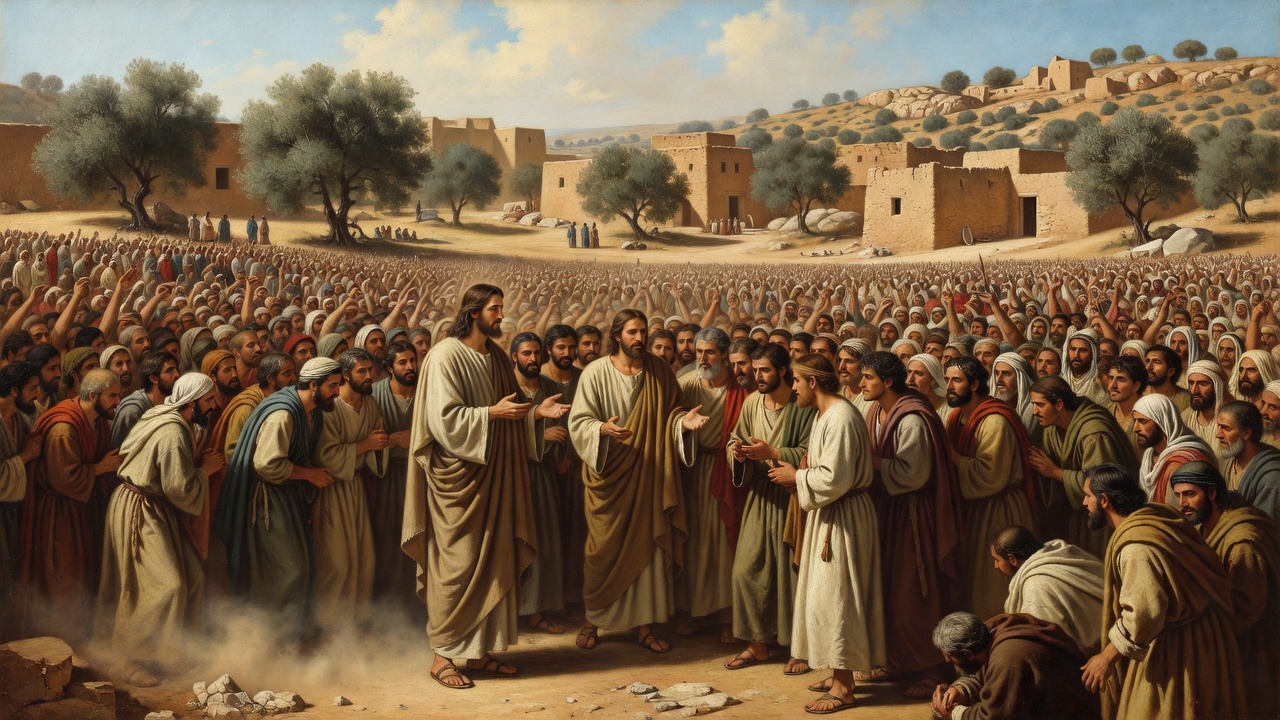
- El capítulo comienza con muchos millares pisoteándose unos a otros, mientras Jesús advierte a sus discípulos sobre la hipocresía de los fariseos y luego cuenta parábolas. Una lista de acontecimientos fecha los ayes y las parábolas con los fariseos en el año 29 d.C. y les asigna una duración de un día.Fuentes: el propio texto bíblico · Woes and Parables with Pharisees
Notas escritas con ayuda de IA a partir de fuentes abiertas (Theographic Bible Metadata, CC BY-SA 4.0; Easton’s Bible Dictionary, dominio público) y revisadas antes de publicarse.
Créditos y licencia de esta traducción
Sahidica - طبعة جديدة من العهد الجديد باللغة القبطية الصعيدية
Sahidica - A New Edition of the New Testament in Sahidic Coptic
copyright © 2000-2006 J Warren Wells
Language: ⲘⲉⲧⲢⲉⲙ̀ⲛⲭⲏⲙⲓ (Coptic)
Dialect: Sahidic
Translation by: J Warren Wells
Coptic: Sahidic NT "Sahidica - A New Edition of the New Testament in Sahidic Coptic"
Copyright (c)2000-2006 by J Warren Wells. All rights reserved.
For more information visit www.sahidica.org .
This edition is available free of charge for use in free electronic
editions of the New Testament as long as the full title and copyright
information are included and credited. For written permission to use
all or any part of this document in print editions, contact the editor
at www.sahidica.org .
This edition is primarily meant for use by teachers and students of
Sahidic Coptic, and to a lesser degree by Coptologists involved in
scholarly research, textual criticism, or New Testament translation.
PURPOSE
Please note: This text is a work in progress. As such, there
is an ongoing effort to standardize the spelling of words in
the text. Be aware that version updates periodically appear.
The primary purpose is to produce a standardized edition of
the Sahidic NT similar to standard Greek editions.
An additional purpose of this text is to allow side-by-side
comparison with the Greek New Testament. To facilitate this
effort, a new version of the Greek text has been developed,
which is meant to better represent the Greek text upon which
the Sahidic was based. This text is entitled "The New Testament
According to the Egyptian Greek Text" [NTAEG]
This text does not include representation of either accents or
supralinear strokes, since these are used inconsistently in the
original texts. There is also a higher degree of standardization
in spelling and punctuation; like today's standard Greek master
texts, but unlike both the original Sahidic texts, and the PHI
and Coptic Society texts. Moreover, as in standard Greek texts,
instances of the Nomina Sacra have been expanded to their full
forms. This is again a departure from earlier versions of the
Sahidic, including the PHI and Coptic Society texts, which are
Both inconsistent in their usage.
Special thanks to David Brakke of Indiana University Bloomington,
Brigitte Comparini of the Packard Humanities Institute, and
Michael Heiser, Academic Editor, at Logos Research Systems; for
their assistance in making this edition possible.
BASIS
Sahidica was initially based (by permission) on the Coptic New Testament,
which is an electronic publication, which was edited by David Brakke.
(PHI-CD 5.3 dated 7/2/91. Los Altos. Packard Humanities Institute. 1991).
During later development, Sahidica was electronically collated against
the Coptic CD I by the St. Shenouda The Archmandrite Coptic Society.
Los Angeles, CA dated April, 1998.
These two editions were reduced to a raw electronic form, which allowed both
to be compared electronically letter by letter with Sahidica in order to
accurately detect and report every single variation and input error in any
of the texts. Though errors are inevitable, the collators of three seperate
editions are highly unlikely to make the same errors. Therefore, this method
helps to insure the integrity of the Sahidica edition.
Throughout the project, Sahidica was also collated against printed editions
of the following coptic manuscripts, which manuscripts date from the third
century and later.
Matt: Pierpont Morgan Library M-569 collated against Bodmer XIX papyrus
Mark:* PPalau Rib. Inv.Nr.182 collated against Pierpont Morgan Library M-569
Luke: PPalau Rib. Inv.Nr.181 collated against Pierpont Morgan Library M-569
John: PPalau Rib. Inv.Nr.183 collated against Pierpont Morgan Library M-569
Acts: Chester Beatty B (Copt.Ms.814) collated against Berlin P.15926 and British Museum MS Or.7594
Paul: Chester Beatty A (Copt.Ms.813) collated against Pierpont Morgan Library M-570 and M-571
James-Jude:** Pierpont Morgan Library M-572 collated against the Pierpont Morgan Library M-573 and M-601***
Revelation: Berlin MS Or.408 ( British Museum Ms Or.3518) collated against British Museum MS Or.6803
* Note: The longer and shorter endings of Mark are based on Horner; cf Kahle (JTS.1951.p49-57)
** Note: 1st Peter was also collated against the Crosby-Schøyen Ms.193.
*** Note: Portions of James and Jude were reconstructed from M-573, M-601, and four other mss.
Note on Interpolations
The short and long endings of Mark are ommited from the PPalau ms 182, but they do appear in most mss.
To better represent the overall Sahidic tradition, both endings are included, but in double brackets.
The pericope of the adultress (John 7:53-8:11) does not appear in any Sahidic ms. Herein it is omitted.
2014-09-16
Fuente: http://ebible.org/copshc/ · eBible.org