Hebreos 2
Sahidica - طبعة جديدة من العهد الجديد باللغة القبطية الصعيدية · Toca un versículo para ver sus referencias cruzadas.
1ⲈⲦⲂⲈ ⲠⲀⲒ ϢϢⲈ ⲈⲢⲞⲚ ⲚϨⲞⲨⲞ ⲈⲦⲢⲈⲚϮϨⲦⲎⲚ ⲈⲚⲈⲦⲚⲤⲰⲦⲘ ⲈⲢⲞⲞⲨ ⲘⲎⲠⲞⲦⲈ ⲚⲦⲚϨⲀⲦⲈ. 2ⲈϢϪⲈ ⲠϢⲀϪⲈ ⲄⲀⲢ ⲈⲚⲦⲀⲨϪⲞⲞϤ ⲈⲂⲞⲖ ϨⲒ ⲦⲞⲞⲦⲞⲨ ⲚⲚⲀⲄⲄⲈⲖⲞⲤ ⲀϤϢⲰⲠⲈ ⲈϤⲦⲀϪⲢⲎⲨ ⲀⲨⲰ ⲠⲀⲢⲀⲂⲀⲤⲒⲤ ⲚⲒⲘ ⲀⲨⲰ ⲘⲚⲦⲀⲦⲤⲰⲦⲘ ⲚⲒⲘ ⲀⲨϪⲒ ⲚⲞⲨⲂⲈⲔⲈ ⲈⲨⲘⲠϢⲀ ⲘⲘⲞϤ. 3ⲚⲀϢ ⲚϨⲈ ⲀⲚⲞⲚ ⲦⲚⲚⲀⲢⲂⲞⲖ ⲈⲀⲚⲀⲘⲈⲖⲈⲒ ⲈⲞⲨϪⲀⲒ ⲚⲦⲈⲈⲒϬⲞⲦ. ⲠⲀⲒ ⲈⲚⲦⲀϤϪⲒ ⲚⲞⲨⲀⲢⲬⲎ ⲚϢⲀϪⲈ ⲈⲢⲞϤ ϨⲒⲦⲘ ⲠϪⲞⲈⲒⲤ. ⲀϤⲦⲀϪⲢⲞ ⲈϨⲞⲨⲚ ⲈⲢⲞⲚ ϨⲒⲦⲚ ⲚⲈⲚⲦⲀⲨⲤⲰⲦⲘ. 4ⲈⲢⲈ ⲠⲚⲞⲨⲦⲈ ⲢⲘⲚⲦⲢⲈ ⲚⲘⲘⲀⲨ ϨⲚ ϨⲈⲚⲘⲀⲈⲒⲚ ⲘⲚ ϨⲈⲚϢⲠⲎⲢⲈ ⲘⲚ ϨⲈⲚϬⲞⲘ ⲈⲨϢⲞⲂⲈ ⲘⲚ ϨⲈⲚⲠⲰⲢϪ ⲘⲠⲚⲈⲨⲘⲀ ⲈϤⲞⲨⲀⲀⲂ ⲔⲀⲦⲀ ⲠⲈϤⲞⲨⲰϢ. 5ⲚⲦⲀϤϨⲨⲠⲞⲦⲀⲤⲤⲈ ⲄⲀⲢ ⲀⲚ ⲚⲚⲀⲄⲄⲈⲖⲞⲤ ⲚⲦⲞⲒⲔⲞⲨⲘⲈⲚⲎ ⲈⲦⲚⲀϢⲰⲠⲈ ⲦⲀⲒ ⲈⲦⲚϢⲀϪⲈ ⲈⲢⲞⲤ. 6ⲀⲞⲨⲀ ⲆⲈ ⲢⲘⲚⲦⲢⲈ ⲚⲞⲨⲘⲀ ⲈϤϪⲰ ⲘⲘⲞⲤ ϪⲈ ⲞⲨ ⲠⲈ ⲠⲢⲰⲘⲈ ϪⲈ ⲔⲈⲒⲢⲈ ⲘⲠⲈϤⲘⲈⲈⲨⲈ. ⲎⲠϢⲎⲢⲈ ⲘⲠⲢⲰⲘⲈ ϪⲈ ⲔϬⲒⲚⲈ ⲘⲠⲈϤϢⲒⲚⲈ. 7ⲀⲔϬⲞϪⲂⲈϤ ⲚⲞⲨⲔⲞⲨⲒ ⲠⲀⲢⲀ ⲚⲀⲄⲄⲈⲖⲞⲤ. ⲀⲔⲤⲦⲈⲪⲀⲚⲞⲨ ⲆⲈ ⲘⲘⲞϤ ϨⲚ ⲞⲨⲈⲞⲞⲨ ⲘⲚ ⲞⲨⲦⲀⲈⲒⲞ ⲀⲔⲔⲀⲐⲒⲤⲦⲀ ⲘⲘⲞϤ ⲈϪⲚ ⲚⲈϨⲂⲎⲨⲈ ⲦⲎⲢⲞⲨ ⲚⲚⲈⲔϬⲒϪ. 8ⲀⲔⲐⲂⲂⲒⲈ ⲚⲔⲀ ⲚⲒⲘ ϨⲀ ⲠⲈⲤⲎⲦ ⲚⲚⲈϤⲞⲨⲈⲢⲎ ⲦⲈ. ϨⲘ ⲠⲦⲢⲈϤⲐⲂⲂⲒⲈ ⲚⲔⲀ ⲆⲈ ⲚⲒⲘ ⲚⲀϤ ⲈⲒⲈ ⲘⲠϤⲔⲀ ⲖⲀⲀⲨ ⲈⲚϤϨⲨⲠⲞⲦⲀⲤⲤⲈ ⲚⲀϤ ⲀⲚ. ⲦⲈⲚⲞⲨ ⲆⲈ ⲘⲠⲀⲦⲚⲚⲀⲨ ⲈⲚⲔⲀ ⲚⲒⲘ ⲈⲀⲨϨⲨⲠⲞⲦⲀⲤⲤⲈ ⲚⲀϤ. 9ⲠⲈⲚⲦⲀⲨϬⲞϪⲂⲈϤ ⲆⲈ ⲚⲞⲨⲔⲞⲨⲒ ⲠⲀⲢⲀ ⲚⲀⲄⲄⲈⲖⲞⲤ. ⲦⲚⲚⲀⲨ ⲈⲒⲎⲤⲞⲨⲤ ⲈⲦⲂⲈ ⲠϨⲒⲤⲈ ⲘⲠⲘⲞⲨ ⲈϤⲤⲦⲈⲪⲀⲚⲞⲨ ⲆⲈ ϨⲚ ⲞⲨⲈⲞⲞⲨ ⲘⲚ ⲞⲨⲦⲀⲈⲒⲞ. ϪⲈⲔⲀⲀⲤ ϨⲘ ⲠⲈϨⲘⲞⲦ ⲘⲠⲚⲞⲨⲦⲈ ⲈϤⲈϪⲒϮⲠⲈ ⲘⲠⲘⲞⲨ ϨⲀ ⲠⲦⲎⲢϤ. 10ⲚⲈⲤⲠⲢⲈⲠⲒ ⲄⲀⲢ ⲚⲀϤ ⲠⲈ ⲠⲈⲦⲈⲢⲈ ⲚⲔⲀ ⲚⲒⲘ ϢⲞⲞⲠ ⲈⲦⲂⲎⲎⲦϤ. ⲀⲨⲰ ⲠⲈⲚⲦⲀ ⲚⲔⲀ ⲚⲒⲘ ϢⲰⲠⲈ ⲈⲂⲞⲖ ϨⲒ ⲦⲞⲞⲦϤ. ϨⲀϨ ⲚϢⲎⲢⲈ ⲀϤⲚⲦⲞⲨ ⲈϨⲞⲨⲚ ⲈⲠⲈⲞⲞⲨ ⲈϪⲰⲔ ⲈⲂⲞⲖ ⲘⲠⲀⲢⲬⲎⲄⲞⲤ ⲘⲠⲞⲨϪⲀⲒ ϨⲒⲦⲚ ϨⲈⲚϨⲒⲤⲈ. 11ⲠⲈⲦⲦⲂⲂⲞ ⲄⲀⲢ ⲘⲚ ⲚⲈⲦⲞⲨⲦⲂⲂⲞ ⲘⲘⲞⲞⲨ ϨⲈⲚⲈⲂⲞⲖ ϨⲚ ⲞⲨⲀ ⲦⲎⲢⲞⲨ ⲚⲈ. ⲈⲦⲂⲈ ⲠⲀⲒ ⲈⲚϤϢⲒⲠⲈ ⲀⲚ ⲈⲘⲞⲨⲦⲈ ⲈⲢⲞⲞⲨ ϪⲈ ⲚⲀⲤⲚⲎⲨ 12ⲈϤϪⲰ ⲘⲘⲞⲤ ϪⲈ ϮⲚⲀϪⲰ ⲘⲠⲈⲔⲢⲀⲚ ϨⲚ ⲚⲀⲤⲚⲎⲨ. ⲚⲦⲘⲎⲦⲈ ⲚⲦⲈⲔⲔⲖⲎⲤⲒⲀ ϮⲚⲀⲤⲘⲞⲨ ⲈⲢⲞⲔ. 13ⲀⲨⲰ ⲞⲚ ϪⲈ ⲀⲚⲞⲔ ϮⲚⲀϢⲰⲠⲈ ⲈⲒⲚⲀϨⲦⲈ ⲈⲢⲞϤ. ⲀⲨⲰ ⲞⲚ ϪⲈ ⲈⲒⲤ ϨⲎⲎⲦⲈ ⲀⲚⲞⲔ ⲘⲚ ⲚϢⲎⲢⲈ ϢⲎⲘ ⲈⲚⲦⲀ ⲠⲚⲞⲨⲦⲈ ⲦⲀⲀⲨ ⲚⲀⲒ. 14ⲈⲠⲈⲒⲆⲎ ⲀⲚϢⲎⲢⲈ ϬⲈ ϢⲎⲘ ⲔⲞⲒⲚⲰⲚⲒ ⲈⲤⲚⲞϤ ϨⲒ ⲤⲀⲢⲜ. ⲚⲦⲞϤ ϨⲰⲰϤ ⲞⲚ ⲚⲦⲈⲈⲒϨⲈ ⲀϤⲘⲈⲦⲈⲬⲈ ⲈⲚⲀⲒ ϪⲈⲔⲀⲀⲤ ⲈⲂⲞⲖ ϨⲒⲦⲘ ⲠⲈϤⲘⲞⲨ ⲈϤⲈⲞⲨⲰⲤϤ ⲘⲠⲈⲦⲈⲞⲨⲚⲦϤ ⲠⲀⲘⲀϨⲦⲈ ⲘⲘⲀⲨ ⲘⲠⲘⲞⲨ ⲈⲦⲈ ⲠⲀⲒ ⲠⲈ ⲠⲆⲒⲀⲂⲞⲖⲞⲤ. 15ⲀⲨⲰ ⲚϤⲠⲖϬ ⲚⲀⲒ ⲈⲦϢⲞⲞⲠ ϨⲚ ⲐⲞⲦⲈ ⲘⲠⲘⲞⲨ. ⲘⲠⲈⲨⲞⲈⲒϢ ⲦⲎⲢϤ ⲘⲠⲈⲨⲀϨⲈ. ⲈⲨⲞ ⲚⲈⲚⲞⲬⲞⲤ ⲚⲞⲨⲘⲚⲦϨⲘϨⲀⲖ. 16ⲚⲚⲈϤⲀⲘⲀϨⲦⲈ ⲄⲀⲢ ⲀⲚ ⲚⲚⲀⲄⲄⲈⲖⲞⲤ. ⲀⲖⲖⲀ ⲈϤⲀⲘⲀϨⲦⲈ ⲘⲠⲈⲤⲠⲈⲢⲘⲀ ⲚⲀⲂⲢⲀϨⲀⲘ. 17ⲈⲦⲂⲈ ⲠⲀⲒ ⲚⲈϢϢⲈ ⲈⲢⲞϤ ⲔⲀⲦⲀ ϨⲰⲂ ⲚⲒⲘ ⲈⲈⲒⲚⲈ ⲚⲚⲈϤⲤⲚⲎⲨ. ϪⲈⲔⲀⲀⲤ ⲈϤⲈϢⲰⲠⲈ ⲚⲚⲀⲎⲦ. ⲀⲨⲰ ⲘⲠⲒⲤⲦⲞⲤ ⲚⲀⲢⲬⲒⲈⲢⲈⲨⲤ ⲚⲚⲀϨⲢⲘ ⲠⲚⲞⲨⲦⲈ ⲈⲦⲢⲈϤⲔⲰ ⲈⲂⲞⲖ ⲚⲚⲚⲞⲂⲈ ⲘⲠⲖⲀⲞⲤ. 18ϨⲘ ⲠϨⲒⲤⲈ ⲄⲀⲢ ⲈⲚⲦⲀϤϢⲞⲠϤ ⲈⲀⲨⲠⲈⲒⲢⲀⲌⲈ ⲘⲘⲞϤ. ⲞⲨⲚϬⲞⲘ ⲘⲘⲞϤ ⲈⲂⲞⲎⲐⲒ ⲈⲚⲈⲦⲞⲨⲠⲈⲒⲢⲀⲌⲈ ⲘⲘⲞⲞⲨ.
¿Sabías que…?
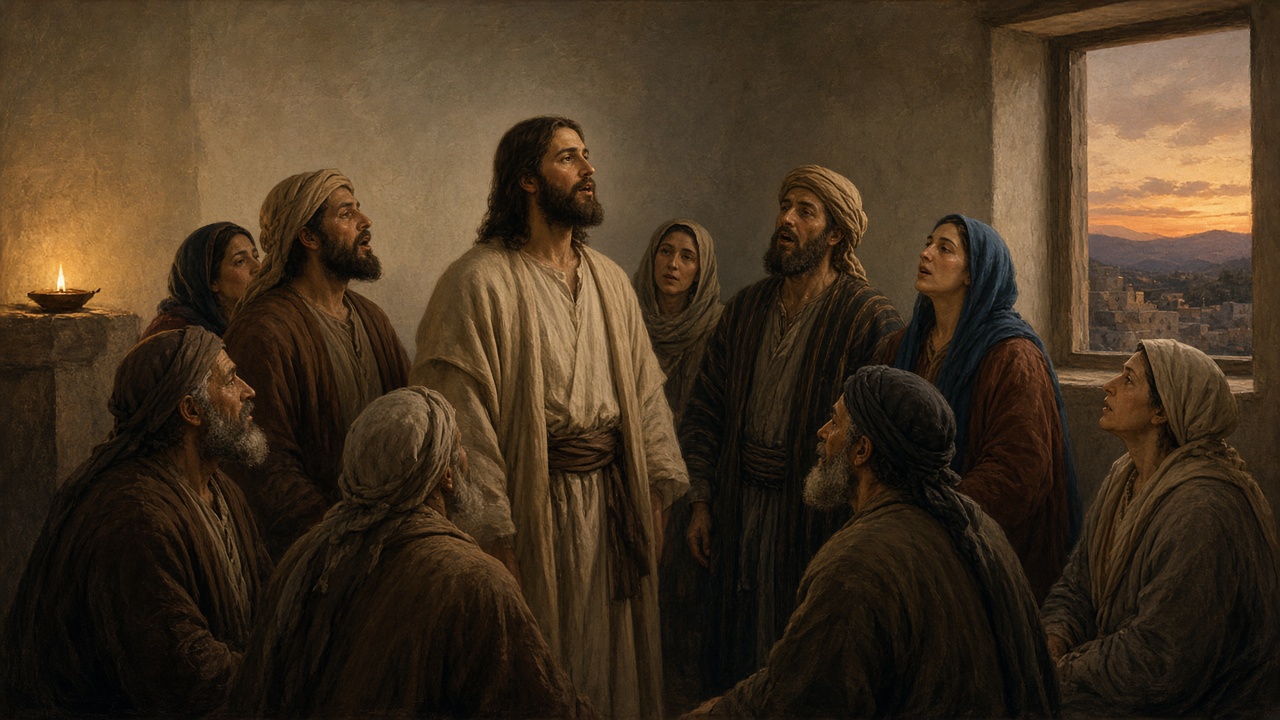
Compartiendo la humanidad, coronado por el sufrimiento
- Hebreos 2 recuerda que el mensaje hablado por ángeles era obligatorio y que toda transgresión y desobediencia recibió su justo castigo, y luego pregunta cómo podrá escapar quien descuide una salvación tan grande. Esa salvación fue anunciada primero por el Señor, confirmada a nosotros por quienes lo oyeron y afirmada por Dios mediante señales, prodigios, diversos milagros y dones del Espíritu Santo repartidos según su voluntad.Fuentes: el propio texto bíblico
- El capítulo cita un testimonio de que el hombre fue hecho un poco menor que los ángeles, coronado de gloria y honra, con todo puesto bajo sus pies. Cuando Dios le sometió todas las cosas, nada dejó fuera de su control; sin embargo, en el presente no vemos todo sujeto a él. Jesús, hecho un poco menor que los ángeles, ahora es coronado de gloria y honra porque sufrió la muerte, para que por la gracia de Dios probara la muerte por todos.Fuentes: el propio texto bíblico
- Hebreos 2 dice que Jesús no socorre a los ángeles, sino a los descendientes de Abraham, y que tuvo que ser hecho semejante a sus hermanos en todo, para llegar a ser un sumo sacerdote misericordioso y fiel al servicio de Dios, a fin de hacer expiación por los pecados del pueblo. Abraham, hijo de Taré, es llamado padre de una multitud y descrito como el heredero de las promesas.Fuentes: el propio texto bíblico · Abraham
Notas escritas con ayuda de IA a partir de fuentes abiertas (Theographic Bible Metadata, CC BY-SA 4.0; Easton’s Bible Dictionary, dominio público) y revisadas antes de publicarse.
Créditos y licencia de esta traducción
Sahidica - طبعة جديدة من العهد الجديد باللغة القبطية الصعيدية
Sahidica - A New Edition of the New Testament in Sahidic Coptic
copyright © 2000-2006 J Warren Wells
Language: ⲘⲉⲧⲢⲉⲙ̀ⲛⲭⲏⲙⲓ (Coptic)
Dialect: Sahidic
Translation by: J Warren Wells
Coptic: Sahidic NT "Sahidica - A New Edition of the New Testament in Sahidic Coptic"
Copyright (c)2000-2006 by J Warren Wells. All rights reserved.
For more information visit www.sahidica.org .
This edition is available free of charge for use in free electronic
editions of the New Testament as long as the full title and copyright
information are included and credited. For written permission to use
all or any part of this document in print editions, contact the editor
at www.sahidica.org .
This edition is primarily meant for use by teachers and students of
Sahidic Coptic, and to a lesser degree by Coptologists involved in
scholarly research, textual criticism, or New Testament translation.
PURPOSE
Please note: This text is a work in progress. As such, there
is an ongoing effort to standardize the spelling of words in
the text. Be aware that version updates periodically appear.
The primary purpose is to produce a standardized edition of
the Sahidic NT similar to standard Greek editions.
An additional purpose of this text is to allow side-by-side
comparison with the Greek New Testament. To facilitate this
effort, a new version of the Greek text has been developed,
which is meant to better represent the Greek text upon which
the Sahidic was based. This text is entitled "The New Testament
According to the Egyptian Greek Text" [NTAEG]
This text does not include representation of either accents or
supralinear strokes, since these are used inconsistently in the
original texts. There is also a higher degree of standardization
in spelling and punctuation; like today's standard Greek master
texts, but unlike both the original Sahidic texts, and the PHI
and Coptic Society texts. Moreover, as in standard Greek texts,
instances of the Nomina Sacra have been expanded to their full
forms. This is again a departure from earlier versions of the
Sahidic, including the PHI and Coptic Society texts, which are
Both inconsistent in their usage.
Special thanks to David Brakke of Indiana University Bloomington,
Brigitte Comparini of the Packard Humanities Institute, and
Michael Heiser, Academic Editor, at Logos Research Systems; for
their assistance in making this edition possible.
BASIS
Sahidica was initially based (by permission) on the Coptic New Testament,
which is an electronic publication, which was edited by David Brakke.
(PHI-CD 5.3 dated 7/2/91. Los Altos. Packard Humanities Institute. 1991).
During later development, Sahidica was electronically collated against
the Coptic CD I by the St. Shenouda The Archmandrite Coptic Society.
Los Angeles, CA dated April, 1998.
These two editions were reduced to a raw electronic form, which allowed both
to be compared electronically letter by letter with Sahidica in order to
accurately detect and report every single variation and input error in any
of the texts. Though errors are inevitable, the collators of three seperate
editions are highly unlikely to make the same errors. Therefore, this method
helps to insure the integrity of the Sahidica edition.
Throughout the project, Sahidica was also collated against printed editions
of the following coptic manuscripts, which manuscripts date from the third
century and later.
Matt: Pierpont Morgan Library M-569 collated against Bodmer XIX papyrus
Mark:* PPalau Rib. Inv.Nr.182 collated against Pierpont Morgan Library M-569
Luke: PPalau Rib. Inv.Nr.181 collated against Pierpont Morgan Library M-569
John: PPalau Rib. Inv.Nr.183 collated against Pierpont Morgan Library M-569
Acts: Chester Beatty B (Copt.Ms.814) collated against Berlin P.15926 and British Museum MS Or.7594
Paul: Chester Beatty A (Copt.Ms.813) collated against Pierpont Morgan Library M-570 and M-571
James-Jude:** Pierpont Morgan Library M-572 collated against the Pierpont Morgan Library M-573 and M-601***
Revelation: Berlin MS Or.408 ( British Museum Ms Or.3518) collated against British Museum MS Or.6803
* Note: The longer and shorter endings of Mark are based on Horner; cf Kahle (JTS.1951.p49-57)
** Note: 1st Peter was also collated against the Crosby-Schøyen Ms.193.
*** Note: Portions of James and Jude were reconstructed from M-573, M-601, and four other mss.
Note on Interpolations
The short and long endings of Mark are ommited from the PPalau ms 182, but they do appear in most mss.
To better represent the overall Sahidic tradition, both endings are included, but in double brackets.
The pericope of the adultress (John 7:53-8:11) does not appear in any Sahidic ms. Herein it is omitted.
2014-09-16
Fuente: http://ebible.org/copshc/ · eBible.org