Gálatas 2
Sahidica - طبعة جديدة من العهد الجديد باللغة القبطية الصعيدية · Toca un versículo para ver sus referencias cruzadas.
1ⲘⲚⲚⲤⲀ ⲘⲚⲦⲀϤⲦⲈ ⲞⲚ ⲚⲢⲞⲘⲠⲈ ⲀⲒⲂⲰⲔ ⲈϨⲢⲀⲒ ⲈⲐⲒⲈⲢⲞⲤⲞⲖⲨⲘⲀ ⲘⲚ ⲂⲀⲢⲚⲀⲂⲀⲤ. ⲈⲀⲒϪⲒ ⲘⲠⲔⲈ ⲦⲒⲦⲞⲤ ⲚⲘⲘⲀⲒ. 2ⲚⲦⲀⲒⲂⲰⲔ ⲆⲈ ⲈϨⲢⲀⲒ ⲔⲀⲦⲀ ⲞⲨϬⲰⲖⲠ ⲈⲂⲞⲖ ⲀⲒⲔⲰ ⲚⲀⲨ ⲈϨⲢⲀⲒ ⲘⲠⲈⲨⲀⲄⲄⲈⲖⲒⲞⲚ ⲈϮⲦⲀϢⲈⲞⲈⲒϢ ⲘⲘⲞϤ ϨⲚ ⲚϨⲈⲐⲚⲞⲤ ⲚⲤⲀⲨⲤⲀ ⲆⲈ ⲚⲚⲈⲦϪⲰ ⲘⲘⲞⲤ ϪⲈ ⲀⲚⲞⲚ ⲠⲈ ⲘⲎⲠⲰⲤ ⲈⲒⲠⲎⲦ ⲈⲠⲠⲈⲦϢⲞⲨⲈⲒⲦ ⲎⲚⲦⲀⲒⲠⲰⲦ. 3ⲀⲖⲖⲀ ⲠⲔⲈⲦⲒⲦⲞⲤ ⲈⲦⲚⲘⲘⲀⲒ ⲈⲨϨⲈⲖⲖⲎⲚ ⲠⲈ. ⲈⲘⲠⲞⲨⲀⲚⲀⲄⲔⲀⲌⲈ ⲘⲘⲞϤ ⲈⲤⲂⲂⲎⲎ ⲦϤ 4ⲈⲦⲂⲈ ⲚⲈⲤⲚⲎⲨ ⲚⲚⲞⲨϪ ⲚⲀⲒ ⲈⲚⲦⲀⲨⲞϢⲞⲨ ⲈϨⲞⲨⲚ ⲈⲚⲀⲨ ⲈⲦⲈⲚⲘⲚⲦⲢⲘϨⲈ ⲈⲦⲈⲨⲚⲦⲀⲚⲤ ϨⲘ ⲠⲈⲬⲢⲒⲤⲦⲞⲤ ⲒⲎⲤⲞⲨⲤ. ϪⲈ ⲈⲨⲈⲀⲀⲚ ⲚϨⲘϨⲀⲖ 5ⲚⲀⲒ ⲈⲦⲈⲘⲠⲈⲚϢⲰⲠⲈ ⲚⲞⲨⲞⲨⲚⲞⲨ ⲚⲞⲨⲰⲦ ϨⲀ ⲦⲈⲨϨⲨⲠⲞⲦⲀⲄⲎ ϪⲈ ⲈⲢⲈ ⲦⲘⲈ ⲘⲠⲈⲨⲀⲄⲄⲈⲖⲒⲞⲚ ⲘⲞⲨⲚ ⲈⲂⲞⲖ ϨⲀⲦⲚ ⲦⲎⲨⲦⲚ. 6ⲈⲂⲞⲖ ⲆⲈ ϨⲚ ⲚⲈⲦϪⲰ ⲘⲘⲞⲤ ϪⲈ ⲀⲚⲞⲚ ⲠⲈ ⲚⲐⲈ ⲈⲦⲞⲨⲞ ⲘⲘⲞⲤ ⲚⲤⲈϪⲒ ⲈⲢⲞⲒ ⲀⲚ ⲠⲚⲞⲨⲦⲈ ⲘⲈϤϪⲒϨⲞ ⲚⲢⲰⲘⲈ ⲚⲈⲦϪⲰ ⲄⲀⲢ ⲘⲘⲞⲤ ϪⲈ ⲀⲚⲞⲚ ⲠⲈ ⲘⲠⲞⲨⲞⲨⲈϨ ⲖⲀⲀⲨ ⲈⲢⲞⲒ. 7ⲀⲖⲖⲀ ⲚⲦⲈⲢⲞⲨⲚⲀⲨ ⲚⲦⲞϤ ϪⲈ ⲀⲨⲦⲀⲚϨⲞⲨⲦ ⲈⲠⲈⲨⲀⲄⲄⲈⲖⲒⲞⲚ ⲚⲦⲘⲚⲦⲀⲦⲤⲂⲂⲈ. ⲔⲀⲦⲀ ⲐⲈ ⲘⲠⲈⲦⲢⲞⲤ ⲈⲠⲤⲂⲂⲈ. 8ⲠⲈⲚⲦⲀϤⲈⲚⲈⲢⲄⲈⲒ ⲄⲀⲢ ⲘⲠⲈⲦⲢⲞⲤ ⲈⲦⲘⲚⲦⲀⲠⲞⲤⲦⲞⲖⲞⲤ ⲘⲠⲤⲂⲂⲈ. ⲀϤⲈⲚⲈⲢⲄⲈⲒ ϨⲰ ⲚⲀⲒ ⲈⲚϨⲈⲐⲚⲞⲤ. 9ⲀⲨⲰ ⲚⲦⲈⲢⲞⲨⲈⲒⲘⲈ ⲈⲠⲈϨⲘⲞⲦ ⲈⲚⲦⲀⲨⲦⲀⲀϤ ⲚⲀⲒ ⲚϬⲒ ⲒⲀⲔⲰⲂⲞⲤ ⲘⲚ ⲔⲎⲪⲀⲤ ⲘⲚ ⲒⲰϨⲀⲚⲚⲎⲤ ⲚⲈⲦⲞⲨϪⲰ ⲘⲘⲞⲤ ⲈⲢⲞⲞⲨ ϪⲈ ⲚⲈⲤⲦⲨⲖⲞⲤ ⲚⲈ ⲀⲨϮ ⲚⲀⲒ ⲘⲚ ⲂⲀⲢⲚⲀⲂⲀⲤ ⲚϨⲈⲚⲆⲈⲜⲒⲀ ⲚⲔⲞⲒⲚⲰⲚⲒⲀ ϪⲈⲔⲀⲀⲤ ⲀⲚⲞⲚ ⲈⲚϨⲈⲐⲚⲞⲤ ⲚⲦⲞⲞⲨ ⲆⲈ ⲈⲠⲤⲂⲂⲈ. 10ⲘⲞⲚⲞⲚ ⲚϨⲎⲔⲈ ϪⲈ ⲚⲚⲈⲢⲠⲈⲨⲘⲈⲈⲨⲈ. ⲠⲀⲒ ⲢⲰ ⲠⲈⲚⲦⲀⲒⲤⲠⲞⲨⲆⲀⲌⲈ ⲈⲢⲞϤ ⲈⲀⲀϤ. 11ⲚⲦⲈⲢⲈ ⲔⲎⲪⲀⲤ ⲆⲈ ⲈⲒ ⲈⲦⲀⲚⲦⲒⲞⲬⲒⲀ. ⲀⲒⲀϨⲈⲢⲀⲦ ⲈⲢⲞϤ ϪⲈ ⲚⲈⲀⲨϬⲚⲀⲢⲒⲔⲈ ⲈⲢⲞϤ ⲠⲈ. 12ⲈⲘⲠⲀⲦⲈ ϨⲞⲒⲚⲈ ⲄⲀⲢ ⲈⲒ ⲈⲂⲞⲖ ϨⲒⲦⲚ ⲒⲀⲔⲰⲂⲞⲤ ⲚⲈϤⲞⲨⲰⲘ ⲠⲈ ⲘⲚ ⲚϨⲈⲐⲚⲞⲤ. ⲚⲦⲈⲢⲞⲨⲈⲒ ⲆⲈ ⲀϤⲤⲈϨⲦϤ ⲀϤⲤⲀϨⲰϤ ⲈⲂⲞⲖ ⲘⲘⲞⲞⲨ. ⲈϤⲢϨⲞⲦⲈ ϨⲎⲦⲞⲨ ⲚⲚⲀ ⲠⲤⲂⲂⲈ. 13ⲀⲨⲰ ⲀⲨϨⲨⲠⲞⲔⲢⲒⲚⲈ ⲚⲘⲘⲀϤ ⲚϬⲒ ⲠⲔⲈⲤⲈⲈⲠⲈ ⲚⲚⲒⲞⲨⲆⲀⲒ. ϨⲰⲤⲦⲈ ⲠⲔⲈⲂⲀⲢⲚⲀⲂⲀⲤ ⲀϤⲂⲰⲔ ϨⲚ ⲦⲈⲨϨⲨⲠⲞⲔⲢⲒⲤⲒⲤ. 14ⲀⲖⲖⲀ ⲚⲦⲈⲢⲒⲚⲀⲨ ϪⲈ ⲚⲤⲈⲤⲞⲨⲦⲰⲚ ⲀⲚ ϨⲚ ⲦⲘⲈ ⲘⲠⲈⲨⲀⲄⲄⲈⲖⲒⲞⲚ ⲠⲈϪⲀⲒ ⲚⲔⲎⲪⲀ ⲘⲠⲈⲨⲘⲦⲞ ⲈⲂⲞⲖ ⲦⲎⲢⲞⲨ ϪⲈ ⲈϢϪⲈ ⲚⲦⲞⲔ ⲚⲦⲔ ⲞⲨⲒⲞⲨⲆⲀⲒ ⲈⲔⲘⲞⲞϢⲈ ϨⲰⲤ ϨⲈⲐⲚⲞⲤ ϨⲰⲤ ϨⲒ ⲒⲞⲨⲆⲀⲒ ⲀⲚ ⲚⲀϢ ⲚϨⲈ ⲔⲀⲚⲀⲄⲔⲀⲌⲈ ⲚⲚϨⲈⲐⲚⲞⲤ ⲈⲢⲒⲞⲨⲆⲀⲒ. 15ⲀⲚⲞⲚ ⲪⲨⲤⲒ ⲈⲀⲚⲞⲚ ϨⲈⲚⲒⲞⲨⲆⲀⲒ. ⲈⲀⲚⲞⲚ ϨⲈⲚⲢⲈϤⲢⲚⲞⲂⲈ ⲀⲚ ⲈⲂⲞⲖ ϨⲚ ⲚϨⲈⲐⲚⲞⲤ. 16ⲈⲚⲤⲞⲞⲨⲚ ϪⲈ ⲘⲠⲢⲰⲘⲈ ⲚⲀⲦⲘⲀⲈⲒⲞ ⲀⲚ ⲈⲂⲞⲖ ϨⲚ ⲚⲈϨⲂⲎⲨⲈ ⲘⲠⲚⲞⲘⲞⲤ ⲈⲒⲘⲎⲦⲒ ⲈⲂⲞⲖ ϨⲒⲦⲚ ⲦⲠⲒⲤⲦⲒⲤ ⲚⲒⲎⲤⲞⲨⲤ ⲠⲈⲬⲢⲒⲤⲦⲞⲤ ⲀⲚϪⲒⲂⲀⲠⲦⲒⲤⲘⲀ ϨⲰⲰⲚ ⲈⲒⲎⲤⲞⲨⲤ ⲠⲈⲬⲢⲒⲤⲦⲞⲤ ϪⲈⲔⲀⲀⲤ ⲈⲚⲈⲦⲘⲀⲈⲒⲞ ⲈⲂⲞⲖ ϨⲚ ⲦⲠⲒⲦⲒⲤ ⲘⲠⲈⲬⲢⲒⲤⲦⲞⲤ ⲈⲂⲞⲖ ⲀⲚ ϨⲚ ⲚⲈϨⲂⲎⲨⲈ ⲘⲠⲚⲞⲘⲞⲤ ϪⲈ ⲈⲂⲞⲖ ϨⲚ ⲚⲈϨⲂⲎⲨⲈ ⲘⲠⲚⲞⲘⲞⲤ ⲘⲚ ⲖⲀⲀⲨ ⲚⲤⲀⲢⲜ ⲚⲀⲦⲘⲀⲈⲒⲞ. 17ⲈϢϪⲈ ⲈⲚϢⲒⲚⲈ ⲆⲈ ⲚⲤⲀ ⲦⲘⲀⲈⲒⲞ ϨⲘ ⲠⲈⲬⲢⲒⲤⲦⲞⲤ ⲚⲤⲈϨⲈ ⲈⲢⲞⲚ ϨⲰⲰⲚ ⲚⲢⲈϤⲢⲚⲞⲂⲈ. ⲀⲢⲀ ⲠⲈⲬⲢⲒⲤⲦⲞⲤ ⲠⲆⲒⲀⲔⲞⲚⲞⲤ ⲘⲠⲚⲞⲂⲈ ⲠⲈ ⲚⲚⲈⲤϢⲰⲠⲈ. 18ⲈϢϪⲈ ⲚⲈⲚⲦⲀⲒϢⲢϢⲰⲢⲞⲨ ⲄⲀⲢ ⲚⲀⲒ ⲞⲚ ⲚⲈϮⲔⲰⲦ ⲘⲘⲞⲞⲨ. ϮⲤⲨⲚϨⲒⲤⲦⲀ ⲘⲘⲞⲒ ⲘⲠⲀⲢⲀⲂⲀⲦⲎⲤ. 19ⲀⲚⲞⲔ ⲄⲀⲢ ϨⲒⲦⲚ ⲞⲨⲚⲞⲘⲞⲤ ⲀⲒⲘⲞⲨ ⲘⲠⲚⲞⲘⲞⲤ ϪⲈ ⲈⲒⲈⲰⲚϨ ⲘⲠⲚⲞⲨⲦⲈ. ⲀⲨⲤⲦⲀⲨⲢⲞⲨ ⲘⲘⲞⲒ ⲘⲚ ⲠⲈⲬⲢⲒⲤⲦⲞⲤ. 20ⲀⲚⲞⲔ ϬⲈ ϮⲞⲚϨ ⲀⲚ. ⲠⲈⲬⲢⲒⲤⲦⲞⲤ ⲆⲈ ⲞⲚϨ ⲚϨⲎⲦ. ⲐⲈ ⲆⲈ ⲈϮⲞⲚϨ ⲘⲘⲞⲤ ϨⲚ ⲦⲤⲀⲢⲜ ⲈⲈⲒⲞⲚϨ ϨⲚ ⲦⲠⲒⲤⲦⲒⲤ ⲘⲠϢⲎⲢⲈ ⲘⲠⲚⲞⲨⲦⲈ ⲠⲀⲒ ⲈⲚⲦⲀϤⲘⲈⲢⲒⲦ ⲀⲨⲰ ⲀϤⲦⲀⲀϤ ϨⲀⲢⲞⲒ. 21ⲚϮⲀⲐⲈⲦⲈⲒ ⲀⲚ ⲘⲠⲈϨⲘⲞⲦ ⲘⲠⲚⲞⲨⲦⲈ. ⲈϢϪⲈ ⲈⲢⲈ ⲦⲆⲒⲔⲀⲒⲞⲤⲨⲚⲎ ⲄⲀⲢ ϢⲞⲞⲠ ⲈⲂⲞⲖ ϨⲒⲦⲘ ⲠⲚⲞⲘⲞⲤ. ⲈⲒⲈ ⲚⲦⲀ ⲠⲈⲬⲢⲒⲤⲦⲞⲤ ⲘⲞⲨ ⲈⲠϪⲒⲚϪⲎ.
¿Sabías que…?
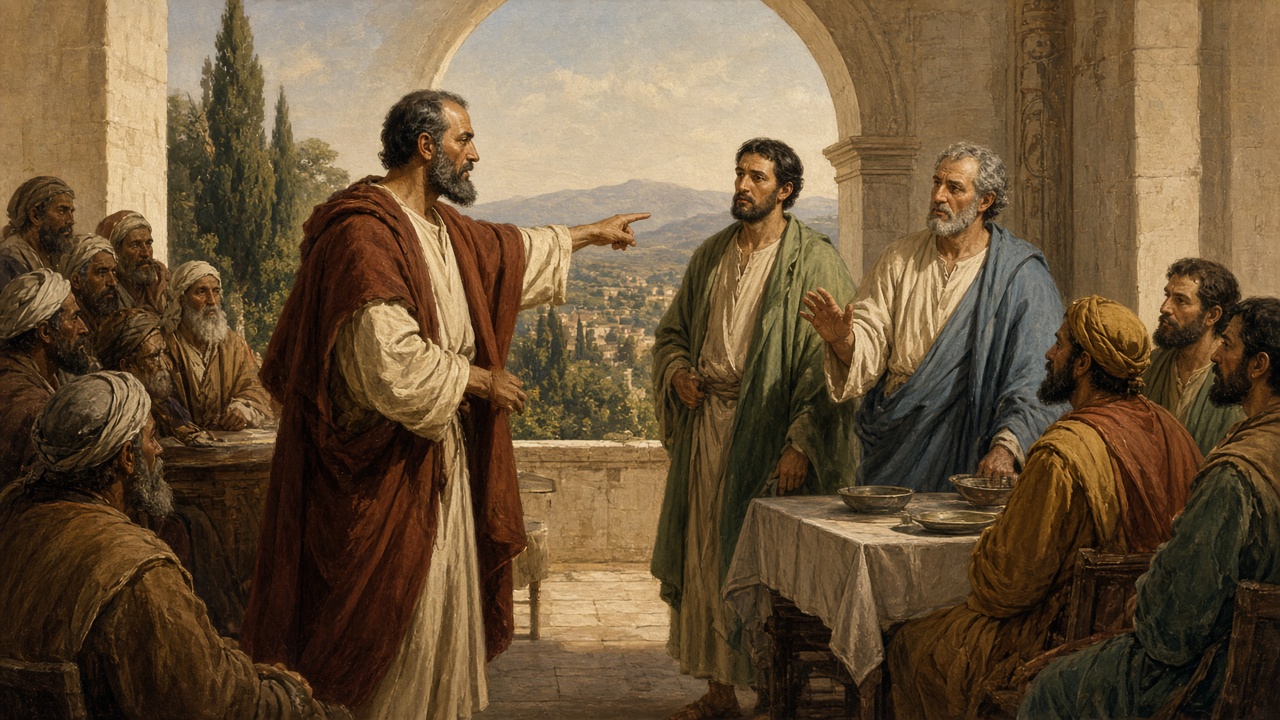
Gentiles, comunión y un enfrentamiento en Antioquía
- Tito fue con Pablo y Bernabé a Jerusalén. El Easton's Bible Dictionary (1897) dice que parece haber sido gentil y que su nombre no aparece en Hechos. Pablo escribe que Tito, aunque era griego, no fue obligado a circuncidarse.Fuentes: Titus · el propio texto bíblico
- El enfrentamiento posterior tuvo lugar en Antioquía de Siria, a orillas del Orontes, a unas trescientas millas al norte de Jerusalén. La ciudad ocupaba el tercer lugar entre las ciudades del Imperio romano, después de Roma y Alejandría, y fue allí donde a los creyentes se les llamó cristianos por primera vez.Fuentes: Antioch (Syria) · el propio texto bíblico
- El Easton's Bible Dictionary (1897) describe a Santiago, nombrado con Cefas y Juan como uno de los pilares, como cabeza de la iglesia en Jerusalén, donde presidió el concilio sobre los gentiles. Pablo dice que, antes de que llegaran ciertos hombres de parte de Santiago, Cefas solía comer con los gentiles, pero luego se apartó por temor al grupo de la circuncisión.Fuentes: James (Brother of Jesus) · el propio texto bíblico
Notas escritas con ayuda de IA a partir de fuentes abiertas (Theographic Bible Metadata, CC BY-SA 4.0; Easton’s Bible Dictionary, dominio público) y revisadas antes de publicarse.
Lugares de este capítulo
- Jerusalem · 31.777, 35.234 · versículo 1
- Antioch · Hoy: Antioch on the Orontes · 36.227, 36.172 · versículo 11
Solo aparecen lugares identificados con alta confianza (90 % o más según las fuentes académicas reunidas por OpenBible). Mapa de la época: DARE (Digital Atlas of the Roman Empire), CC BY 4.0; mapa actual: © colaboradores de OpenStreetMap; lugares: OpenBible.info (CC BY 4.0).
Créditos y licencia de esta traducción
Sahidica - طبعة جديدة من العهد الجديد باللغة القبطية الصعيدية
Sahidica - A New Edition of the New Testament in Sahidic Coptic
copyright © 2000-2006 J Warren Wells
Language: ⲘⲉⲧⲢⲉⲙ̀ⲛⲭⲏⲙⲓ (Coptic)
Dialect: Sahidic
Translation by: J Warren Wells
Coptic: Sahidic NT "Sahidica - A New Edition of the New Testament in Sahidic Coptic"
Copyright (c)2000-2006 by J Warren Wells. All rights reserved.
For more information visit www.sahidica.org .
This edition is available free of charge for use in free electronic
editions of the New Testament as long as the full title and copyright
information are included and credited. For written permission to use
all or any part of this document in print editions, contact the editor
at www.sahidica.org .
This edition is primarily meant for use by teachers and students of
Sahidic Coptic, and to a lesser degree by Coptologists involved in
scholarly research, textual criticism, or New Testament translation.
PURPOSE
Please note: This text is a work in progress. As such, there
is an ongoing effort to standardize the spelling of words in
the text. Be aware that version updates periodically appear.
The primary purpose is to produce a standardized edition of
the Sahidic NT similar to standard Greek editions.
An additional purpose of this text is to allow side-by-side
comparison with the Greek New Testament. To facilitate this
effort, a new version of the Greek text has been developed,
which is meant to better represent the Greek text upon which
the Sahidic was based. This text is entitled "The New Testament
According to the Egyptian Greek Text" [NTAEG]
This text does not include representation of either accents or
supralinear strokes, since these are used inconsistently in the
original texts. There is also a higher degree of standardization
in spelling and punctuation; like today's standard Greek master
texts, but unlike both the original Sahidic texts, and the PHI
and Coptic Society texts. Moreover, as in standard Greek texts,
instances of the Nomina Sacra have been expanded to their full
forms. This is again a departure from earlier versions of the
Sahidic, including the PHI and Coptic Society texts, which are
Both inconsistent in their usage.
Special thanks to David Brakke of Indiana University Bloomington,
Brigitte Comparini of the Packard Humanities Institute, and
Michael Heiser, Academic Editor, at Logos Research Systems; for
their assistance in making this edition possible.
BASIS
Sahidica was initially based (by permission) on the Coptic New Testament,
which is an electronic publication, which was edited by David Brakke.
(PHI-CD 5.3 dated 7/2/91. Los Altos. Packard Humanities Institute. 1991).
During later development, Sahidica was electronically collated against
the Coptic CD I by the St. Shenouda The Archmandrite Coptic Society.
Los Angeles, CA dated April, 1998.
These two editions were reduced to a raw electronic form, which allowed both
to be compared electronically letter by letter with Sahidica in order to
accurately detect and report every single variation and input error in any
of the texts. Though errors are inevitable, the collators of three seperate
editions are highly unlikely to make the same errors. Therefore, this method
helps to insure the integrity of the Sahidica edition.
Throughout the project, Sahidica was also collated against printed editions
of the following coptic manuscripts, which manuscripts date from the third
century and later.
Matt: Pierpont Morgan Library M-569 collated against Bodmer XIX papyrus
Mark:* PPalau Rib. Inv.Nr.182 collated against Pierpont Morgan Library M-569
Luke: PPalau Rib. Inv.Nr.181 collated against Pierpont Morgan Library M-569
John: PPalau Rib. Inv.Nr.183 collated against Pierpont Morgan Library M-569
Acts: Chester Beatty B (Copt.Ms.814) collated against Berlin P.15926 and British Museum MS Or.7594
Paul: Chester Beatty A (Copt.Ms.813) collated against Pierpont Morgan Library M-570 and M-571
James-Jude:** Pierpont Morgan Library M-572 collated against the Pierpont Morgan Library M-573 and M-601***
Revelation: Berlin MS Or.408 ( British Museum Ms Or.3518) collated against British Museum MS Or.6803
* Note: The longer and shorter endings of Mark are based on Horner; cf Kahle (JTS.1951.p49-57)
** Note: 1st Peter was also collated against the Crosby-Schøyen Ms.193.
*** Note: Portions of James and Jude were reconstructed from M-573, M-601, and four other mss.
Note on Interpolations
The short and long endings of Mark are ommited from the PPalau ms 182, but they do appear in most mss.
To better represent the overall Sahidic tradition, both endings are included, but in double brackets.
The pericope of the adultress (John 7:53-8:11) does not appear in any Sahidic ms. Herein it is omitted.
2014-09-16
Fuente: http://ebible.org/copshc/ · eBible.org