Hechos 5
Sahidica - طبعة جديدة من العهد الجديد باللغة القبطية الصعيدية · Toca un versículo para ver sus referencias cruzadas.
1ⲞⲨⲢⲰⲘⲈ ⲆⲈ ⲈⲠⲈϤⲢⲀⲚ ⲠⲈ ⲀⲚⲀⲚⲒⲀⲤ ⲘⲚ ⲤⲀⲠⲠⲒⲢⲀ ⲦⲈϤⲤϨⲒⲘⲈ. ⲀϤϮ ⲞⲨϬⲰⲘ ⲈⲂⲞⲖ. 2ⲀⲨⲰ ⲀϤϤⲒ ⲈⲂⲞⲖ ϨⲚ ⲦⲈϤⲀⲤⲞⲨ ⲈⲢⲈ ⲦⲈϤⲔⲈⲤϨⲒⲘⲈ ⲤⲞⲞⲨⲚ. ⲀϤⲈⲒⲚⲈ ⲚⲞⲨⲘⲈⲢⲞⲤ ⲀϤⲔⲀⲀϤ ϨⲀⲢⲀⲦⲞⲨ ⲚⲀⲠⲞⲤⲦⲞⲖⲞⲤ. 3ⲠⲈϪⲈ ⲠⲈⲦⲢⲞⲤ ⲆⲈ ⲚⲀϤ ϪⲈ ⲀⲚⲀⲚⲒⲀ. ⲈⲦⲂⲈ ⲞⲨ ⲀⲠⲤⲀⲦⲀⲚⲀⲤ ⲘⲞⲨϨ ⲘⲠⲈⲔϨⲎⲦ ⲈⲦⲢⲈⲔϪⲒϬⲞⲖ ⲈⲠⲈⲠⲚⲈⲨⲘⲀ ⲈⲦⲞⲨⲀⲀⲂ. ⲀⲨⲰ ⲚⲄϤⲒ ⲈⲂⲞⲖ ϨⲚ ⲦⲀⲤⲞⲨ ⲘⲠϬⲰⲘ. 4ⲘⲎ ⲚⲈϤϢⲞⲞⲠ ⲚⲀⲔ ⲀⲚ ⲠⲈ ⲀⲨⲰ ⲚⲦⲈⲢⲈⲔⲦⲀⲀϤ ⲈⲂⲞⲖ ⲚⲈϤϢⲞⲞⲠ ⲀⲚ ⲠⲈ ϨⲀ ⲦⲈⲔⲈⲜⲞⲨⲤⲒⲀ ⲈⲦⲂⲈ ⲞⲨ ⲀⲔⲔⲀ ⲠⲀⲒ ϨⲘ ⲠⲈⲔϨⲎⲦ ⲈⲈⲒⲢⲈ ⲘⲠⲈⲒⲠⲞⲚⲎⲢⲞⲚ ⲚⲦⲀⲔϪⲒϬⲞⲖ ⲀⲚ ⲈⲢⲰⲘⲈ ⲀⲖⲖⲀ ⲈⲠⲚⲞⲨⲦⲈ. 5ⲈϤⲤⲰⲦⲘ ⲆⲈ ⲈⲚⲈⲒϢⲀϪⲈ ⲚϬⲒ ⲀⲚⲀⲚⲒⲀⲤ ⲀϤϨⲈ ⲀϤⲘⲞⲨ. ⲀⲨⲰ ⲀⲨⲚⲞϬ ⲚϨⲞⲦⲈ ϨⲈ ⲈϨⲢⲀⲒ ⲈϪⲚ ⲞⲨⲞⲚ ⲚⲒⲘ ⲈⲦⲤⲰⲦⲘ. 6ⲀⲨⲦⲰⲞⲨⲚⲞⲨ ⲆⲈ ⲚϬⲒ ⲚϨⲢϢⲒⲢⲈ ⲀⲨⲔⲞⲞⲤϤ. ⲀⲨⲰ ⲀⲨϪⲒⲦϤ ⲈⲂⲞⲖ ⲀⲨⲦⲞⲘⲤϤ. 7ⲀⲤϢⲰⲠⲈ ⲆⲈ ⲘⲚⲚⲤⲀ ϢⲞⲘⲦⲈ ⲚⲞⲨⲚⲞⲨ. ⲦⲈϤⲤϨⲒⲘⲈ ⲚⲤⲤⲞⲞⲨⲚ ⲀⲚ ⲘⲠⲈⲚⲦⲀϤϢⲰⲠⲈ. ⲀⲤⲈⲒ ⲈϨⲞⲨⲚ. 8ⲠⲈϪⲈ ⲠⲈⲦⲢⲞⲤ ⲚⲀⲤ ϪⲈ ⲀϪⲒⲤ ⲈⲢⲞⲒ ϪⲈ ⲚⲦⲀⲦⲈⲦⲚϮ ⲠϬⲰⲘ ⲈⲂⲞⲖ ϨⲀ ⲚⲈⲒϨⲞⲘⲚⲦ. ⲚⲦⲞⲤ ⲆⲈ ⲠⲈϪⲀⲤ ϪⲈ ⲈϨⲈ ϨⲀⲚⲀⲒ. 9ⲠⲈⲦⲢⲞⲤ ⲆⲈ ⲠⲈϪⲀϤ ⲚⲀⲤ ϪⲈ ⲈⲦⲂⲈ ⲞⲨ ⲀⲦⲈⲦⲚϤⲒ ⲘⲚ ⲚⲈⲦⲚⲈⲢⲎⲨ ⲈⲠⲈⲒⲢⲀⲌⲈ ⲘⲠⲈⲠⲚⲈⲨⲘⲀ ⲘⲠϪⲞⲈⲒⲤ. ⲈⲒⲤ ⲚⲞⲨⲈⲢⲎⲦⲈ ⲚⲚⲈⲚⲦⲀⲨⲦⲰⲘⲤ ⲘⲠⲞⲨϨⲀⲒ ⲤⲈϨⲒⲢⲘ ⲠⲢⲞ ⲀⲨⲰ ⲤⲈⲚⲀϤⲒⲦⲈ ⲈⲂⲞⲖ. 10ⲚⲦⲈⲨⲚⲞⲨ ⲆⲈ ⲀⲤϨⲈ ϨⲀ ⲚⲈϤⲞⲨⲈⲢⲎⲦⲈ ⲀⲨⲰ ⲀⲤⲘⲞⲨ ⲀⲚϨⲢϢⲒⲢⲈ ⲆⲈ ⲈⲒ ⲈϨⲞⲨⲚ ⲀⲨϨⲈ ⲈⲢⲞⲤ ⲈⲤⲘⲞⲞⲨⲦ ⲀⲨϤⲒⲦⲤ ⲈⲂⲞⲖ ⲀⲨⲦⲞⲘⲤⲤ ϨⲀⲦⲘ ⲠⲈⲤϨⲀⲒ. 11ⲀⲨⲚⲞϬ ⲆⲈ ⲚϨⲞⲦⲈ ϢⲰⲠⲈ ⲈϪⲚ ⲦⲈⲔⲔⲖⲎⲤⲒⲀ ⲦⲎⲢⲤ ⲘⲚ ⲞⲨⲞⲚ ⲚⲒⲘ ⲈⲦⲤⲰⲦⲘ ⲈⲚⲀⲒ. 12ⲈⲂⲞⲖ ⲆⲈ ϨⲒⲦⲚ ⲚϬⲒϪ ⲚⲀⲠⲞⲤⲦⲞⲖⲞⲤ ⲚⲈⲨϢⲰⲠⲈ ⲚϬⲒ ϨⲈⲚⲘⲀⲈⲒⲚ ⲘⲚ ϨⲈⲚϢⲠⲎⲢⲈ ⲈⲚⲀϢⲰⲞⲨ ϨⲘ ⲠⲖⲀⲞⲤ. ⲀⲨⲰ ⲚⲈⲨϢⲞⲞⲠ ⲦⲎⲢⲞⲨ ⲘⲚ ⲚⲈⲨⲈⲢⲎⲨ ϨⲘ ⲠⲢⲠⲈ ϨⲀ ⲦⲈⲤⲦⲞⲀ ⲚⲤⲞⲖⲞⲘⲰⲚ. 13ⲈⲂⲞⲖ ⲆⲈ ϨⲘ ⲠⲔⲈⲤⲈⲈⲠⲈ ⲘⲠⲈⲖⲀⲀⲨ ⲦⲞⲖⲘⲀ ⲈⲦⲞϬϤ ⲈⲢⲞⲞⲨ. ⲀⲖⲖⲀ ⲚⲈⲢⲈⲠⲖⲀⲞⲤ ϮⲈⲞⲞⲨ ⲚⲀⲨ 14ⲚϨⲞⲨⲞ ⲆⲈ ⲚⲈⲨⲞⲨⲰϨ ⲈⲢⲞⲞⲨ ⲚϬⲒ ⲚⲈⲦⲠⲒⲤⲦⲈⲨⲈ ⲈⲠϪⲞⲈⲒⲤ. ⲞⲨⲘⲎⲎϢⲈ ⲚⲢⲰⲘⲈ ϨⲒ ⲤϨⲒⲘⲈ. 15ϨⲰⲤⲦⲈ ⲚⲤⲈⲈⲒⲚⲈ ⲈⲂⲞⲖ ⲚⲚⲈⲦϢⲰⲚⲈ ⲈⲚⲈⲠⲖⲀⲦⲒⲀ. ⲚⲤⲈⲔⲀⲀⲨ ϨⲒ ϨⲈⲚϬⲖⲞϬ ⲘⲚ ϨⲈⲚⲘⲀ ⲚⲚⲔⲞⲦⲔ. ϪⲈⲔⲀⲀⲤ ⲈⲢⲈⲠⲈⲦⲢⲞⲤ ⲈⲒ ⲈϤⲚⲎⲨ ⲈⲢⲈ ⲦⲈϤϨⲀⲒⲂⲈⲤ ⲦⲀϨⲈ ⲞⲨⲀ ⲘⲘⲞⲞⲨ. 16ⲚⲈϢⲀⲨⲤⲰⲞⲨϨ ⲆⲈ ⲞⲚ ⲚϬⲒ ⲠⲘⲎⲎϢⲈ ⲚⲘⲠⲞⲖⲒⲤ ⲈⲦⲘⲠⲔⲰⲦⲈ ⲚⲐⲒⲈⲢⲞⲤⲞⲖⲨⲘⲀ. ⲈⲨⲈⲒⲚⲈ ⲚⲚⲈⲦϢⲰⲚⲈ ⲘⲚ ⲚⲈⲦⲘⲞⲔϨ ⲈⲂⲞⲖ ϨⲒⲦⲚ ⲚⲈⲠⲚⲈⲨⲘⲀ ⲚⲀⲔⲀⲐⲀⲢⲦⲞⲚ. ⲀⲨⲰ ⲚⲈⲨⲢⲠⲀϨⲢⲈ ⲈⲢⲞⲞⲨ ⲦⲎⲢⲞⲨ. 17ⲀϤⲦⲰⲞⲨⲚ ⲆⲈ ⲚϬⲒ ⲠⲀⲢⲬⲒⲈⲢⲈⲨⲤ ⲘⲚ ⲞⲨⲞⲚ ⲚⲒⲘ ⲈⲦⲚⲘⲘⲀϤ. ⲀⲨⲰ ⲐⲀⲒⲢⲈⲤⲒⲤ ⲚⲚⲤⲀⲆⲆⲞⲨⲔⲀⲒⲞⲤ ⲀⲨⲘⲞⲨϨ ⲚⲔⲰϨ. 18ⲀⲨⲈⲒⲚⲈ ⲚⲚⲈⲨϬⲒϪ ⲈϪⲚ ⲚⲀⲠⲞⲤⲦⲞⲖⲞⲤ ⲀⲨⲚⲞϪⲞⲨ ⲈⲠⲈϢⲦⲈⲔⲞ. 19ⲠⲀⲄⲄⲈⲖⲞⲤ ⲆⲈ ⲘⲠϪⲞⲈⲒⲤ ⲀϤⲞⲨⲰⲚ ⲚⲚⲢⲞ ⲘⲠⲈϢⲦⲈⲔⲞ ⲚⲦⲈⲨϢⲎ. ⲀϤⲚⲦⲞⲨ ⲈⲂⲞⲖ. ⲠⲈϪⲀϤ ⲚⲀⲨ 20ϪⲈ ⲂⲰⲔ ⲚⲦⲈⲦⲚⲀϨⲈⲢⲀⲦ ⲦⲎⲨⲦⲚ ϨⲘ ⲠⲈⲢⲠⲈ ⲚⲦⲈⲦⲚⲦⲀϢⲈⲞⲈⲒϢ ⲘⲠⲖⲀⲞⲤ ⲚⲚϢⲀϪⲈ ⲦⲎⲢⲞⲨ ⲘⲠⲈⲒⲰⲚϨ. 21ⲚⲦⲈⲢⲞⲨⲤⲰⲦⲘ ⲆⲈ ⲀⲨⲂⲰⲔ ⲈϨⲢⲀⲒ ⲈⲠⲈⲢⲠⲈ ⲘⲠⲚⲀⲨ ⲚϢⲰⲢⲠ ⲀⲨⲰ ⲚⲈⲨϮⲤⲂⲰ ⲀϤⲈⲒ ⲆⲈ ⲚϬⲒ ⲠⲀⲢⲬⲒⲈⲢⲈⲨⲤ ⲘⲚ ⲚⲈⲦⲚⲘⲘⲀϤ ⲀⲨⲤⲰⲞⲨϨ ⲘⲠⲤⲨⲚϨⲈⲆⲢⲒⲞⲚ ⲀⲨⲰ ⲚϨⲖⲖⲞ ⲦⲎⲢⲞⲨ ⲚⲚϢⲎⲢⲈ ⲘⲠⲒⲤⲢⲀⲎⲖ ⲀⲨϪⲞⲞⲨ ⲈⲠⲈϢⲦⲈⲔⲞ ⲈⲦⲢⲈⲨⲚⲦⲞⲨ. 22ⲚϨⲨⲠⲎⲢⲈⲦⲎⲤ ⲆⲈ ⲚⲦⲈⲢⲞⲨⲂⲰⲔ ⲘⲠⲞⲨϬⲚⲦⲞⲨ ϨⲘ ⲠⲈϢⲦⲈⲔⲞ. ⲀⲨⲔⲞⲦⲞⲨ ⲆⲈ ⲀⲨⲦⲀⲘⲞⲞⲨ 23ⲈⲨϪⲰ ⲘⲘⲞⲤ ϪⲈ ⲀⲚϨⲈ ⲘⲈⲚ ⲈⲠⲈϢⲦⲈⲔⲞ ⲈϤϢⲞⲦⲘ ϨⲚ ⲰⲢϪ ⲚⲒⲘ. ⲀⲨⲰ ⲚⲀⲚⲞⲨⲢϢⲈ ⲈⲨⲀϨⲈⲢⲀⲦⲞⲨ ϨⲒⲢⲚ ⲚⲢⲞ ⲚⲦⲈⲢⲚⲞⲨⲰⲚ ⲆⲈ ⲘⲠⲚϬⲚ ⲖⲀⲀⲨ ⲚϨⲞⲨⲚ. 24ⲚⲦⲈⲢⲈϤⲤⲰⲦⲘ ⲆⲈ ⲈⲚⲈⲒϢⲀϪⲈ ⲚϬⲒ ⲠⲈⲤⲦⲢⲀⲦⲎⲄⲞⲤ ⲘⲠⲈⲢⲠⲈ ⲘⲚ ⲚⲀⲢⲬⲒⲈⲢⲈⲨⲤ ⲀⲨⲀⲠⲞⲢⲢⲒ ⲈⲦⲂⲎⲎⲦⲞⲨ. 25ⲀⲞⲨⲀ ⲆⲈ ⲈⲒ ⲀϤⲦⲀⲘⲞⲞⲨ ϪⲈ ⲈⲒⲤ ⲚⲢⲰⲘⲈ ⲚⲦⲀⲦⲈⲦⲚⲚⲞϪⲞⲨ ⲈⲠⲈϢⲦⲈⲔⲞ ⲤⲈⲀϨⲈⲢⲀⲦⲞⲨ ϨⲘ ⲠⲈⲢⲠⲈ ⲈⲨϮⲤⲂⲰ ⲘⲠⲖⲀⲞⲤ. 26ⲦⲞⲦⲈ ⲀϤⲂⲰⲔ ⲚϬⲒ ⲠⲈⲤⲦⲢⲀⲦⲎⲔⲞⲤ ⲘⲚ ⲚϨⲨⲠⲎⲢⲈⲦⲎⲤ ⲀⲨⲚⲦⲞⲨ ⲚϪⲚⲀϨ ⲀⲚ. ⲚⲈⲨⲢϨⲞⲦⲈ ⲄⲀⲢ ϨⲎⲦϤ ⲘⲠⲖⲀⲞⲤ ⲘⲎⲠⲰⲤ ⲚⲤⲈϨⲒ ⲰⲚⲈ ⲈⲢⲞⲞⲨ. 27ⲚⲦⲈⲢⲞⲨⲚⲦⲞⲨ ⲆⲈ ⲀⲨⲦⲀϨⲞⲞⲨ ⲈⲢⲀⲦⲞⲨ ϨⲘ ⲠⲤⲨⲚϨⲈⲆⲢⲒⲞⲚ. ⲀⲨⲰ ⲀϤϪⲚⲞⲨⲞⲨ ⲚϬⲒ ⲠⲀⲢⲬⲒⲈⲢⲈⲨⲤ 28ⲈϤϪⲰ ⲘⲘⲞⲤ ϪⲈ ⲘⲎ ϨⲚ ⲞⲨⲠⲀⲢⲀⲄⲄⲈⲖⲒⲀ ⲘⲠⲚⲠⲀⲢⲀⲄⲄⲒⲖⲈ ⲚⲎⲦⲚ ⲈⲦⲘϮⲤⲂⲰ ⲈϨⲢⲀⲒ ⲈϪⲘⲠ ⲈⲒⲢⲀⲚ ⲀⲨⲰ ⲈⲒⲤ ϨⲎⲎⲦⲈ ⲀⲦⲈⲦⲚⲘⲞⲨϨ ⲚⲐⲒⲈⲢⲞⲤⲞⲖⲨⲘⲀ ⲚⲦⲈⲦⲚⲤⲂⲰ ⲀⲨⲰ ⲦⲈⲦⲚⲞⲨⲰϢ ⲈⲈⲒⲚⲈ ⲈϨⲢⲀⲒ ⲈϪⲰⲚ ⲘⲠⲈⲤⲚⲞϤ ⲘⲠⲢⲰⲘⲈ ⲈⲦⲘⲘⲀⲨ. 29ⲀϤⲞⲨⲰϢⲂ ⲆⲈ ⲚϬⲒ ⲠⲈⲦⲢⲞⲤ ⲀⲨⲰ ⲚⲀⲠⲞⲤⲦⲞⲖⲞⲤ ⲈⲨϪⲰ ⲘⲘⲞⲤ ϪⲈ ϢϢⲈ ⲈⲤⲰⲦⲘ ⲚⲤⲀ ⲠⲚⲞⲨⲦⲈ ⲈϨⲞⲨⲈ ⲚⲢⲰⲘⲈ. 30ⲠⲚⲞⲨⲦⲈ ⲚⲚⲈⲚⲈⲒⲞⲦⲈ ⲀϤⲦⲞⲨⲚⲈⲤ ⲒⲎⲤⲞⲨⲤ. ⲠⲀⲒ ⲚⲦⲰⲦⲚ ⲚⲦⲀⲦⲈⲦⲚⲘⲞⲨⲞⲨⲦ ⲘⲘⲞϤ. ⲈⲀⲦⲈⲦⲚⲀϢⲦϤ ⲈⲨϢⲈ. 31ⲠⲀⲒ ⲀⲠⲚⲞⲨⲦⲈ ϪⲀⲤⲦϤ ⲚⲚⲀⲢⲬⲒⲄⲞⲤ ⲀⲨⲰ ⲚⲤⲰⲦⲎⲢ ϨⲘ ⲠⲈϤⲈⲞⲞⲨ ⲈⲦⲢⲈϤϮ ⲚⲞⲨⲘⲈⲦⲀⲚⲞⲒⲀ ⲘⲠⲒⲤⲢⲀⲎⲖ ⲀⲨⲰ ⲞⲨⲔⲀ ⲚⲞⲂⲈ ⲈⲂⲞⲖ ϨⲢⲀⲒ ⲚϨⲎⲦϤ. 32ⲀⲨⲰ ⲀⲚⲞⲚ ⲚⲈ ⲘⲘⲚⲦⲢⲈ ⲚⲚⲈⲒϢⲀϪⲈ. ⲀⲨⲰ ⲠⲈⲠⲚⲈⲨⲘⲀ ⲈⲦⲞⲨⲀⲀⲂ ⲀⲠⲚⲞⲨⲦⲈ ⲦⲀⲀϤ ⲚⲚⲈⲦⲤⲰⲦⲘ ⲚⲤⲰϤ. 33ⲚⲦⲈⲢⲞⲨⲤⲰⲦⲘ ⲆⲈ ⲀⲨϬⲰⲚⲦ ⲀⲨⲰ ⲀⲨⲞⲨⲈϢ ⲘⲞⲞⲨⲦⲞⲨ. 34ⲀϤⲦⲰⲞⲨⲚ ⲆⲈ ϨⲘ ⲠⲤⲨⲚϨⲈⲆⲢⲒⲞⲚ ⲚϬⲒ ⲞⲨⲪⲀⲢⲒⲤⲤⲀⲒⲞⲤ ⲈⲠⲈϤⲢⲀⲚ ⲠⲈ ⲄⲀⲘⲀⲖⲒⲎⲖ. ⲞⲨⲚⲞⲘⲞⲆⲒⲆⲀⲤⲔⲀⲖⲞⲤ ⲈϤⲦⲀⲒⲎⲨ ⲚⲚⲀϨⲢⲘ ⲠⲖⲀⲞⲤ ⲦⲎⲢϤ. ⲀϤⲞⲨⲈϨⲤⲀϨⲚⲈ ⲈⲦⲢⲈ ⲚⲀⲠⲞⲤⲦⲞⲖⲞⲤ ⲢⲠⲂⲞⲖ ⲘⲠⲘⲀ ⲚⲞⲨⲔⲞⲨⲒ. 35ⲀⲨⲰ ⲠⲈϪⲀϤ ⲚⲚⲀϨⲢⲚ ⲚⲀⲢⲬⲰⲚ ⲘⲚ ⲚⲈⲦⲤⲞⲞⲨϨ ϪⲈ ⲚⲢⲰⲘⲈ ⲚⲦⲈⲠⲒⲤⲢⲀⲎⲖ. ϮϨⲦⲎⲦⲚ ⲈⲢⲰⲦⲚ ϪⲈ ⲞⲨ ⲠⲈⲦⲈⲦⲚⲀⲀⲀϤ ⲈⲦⲂⲈ ⲚⲈⲒⲢⲰⲘⲈ. 36ϨⲀⲐⲎ ⲄⲀⲢ ⲚⲚⲈⲒϨⲞⲞⲨ ⲀϤⲦⲰⲞⲨⲚ ⲚϬⲒ ⲐⲈⲨⲦⲀⲤ ⲈϤϪⲰ ⲘⲘⲞⲤ ⲈⲢⲞϤ ϪⲈ ⲀⲚⲞⲔ ⲠⲈ ⲠⲀⲒ ⲚⲦⲀⲨⲞⲨⲀϨⲞⲨ ⲚⲤⲰϤ ⲚϬⲒ ⲀϤⲦⲞⲨϢⲈ ⲚⲢⲰⲘⲈ ⲠⲀⲒ ⲆⲈ ⲀⲨϨⲞⲦⲂⲈϤ ⲀⲨⲰ ⲞⲨⲞⲚ ⲚⲒⲘ ⲈⲦⲤⲰⲦⲘ ⲚⲤⲰϤ ⲀⲨⲂⲰⲖ ⲈⲂⲞⲖ ⲀⲨϢⲰⲠⲈ ⲈⲨⲖⲀⲀⲨ. 37ⲘⲚⲚⲤⲀ ⲠⲀⲒ ⲀϤⲦⲰⲞⲨⲚ ⲚϬⲒ ⲒⲞⲨⲆⲀⲤ ⲠⲄⲀⲖⲒⲖⲀⲒⲞⲤ ϨⲚ ⲚⲈϨⲞⲞⲨ ⲚⲦⲀⲠⲞⲄⲢⲀⲪⲎ ⲀⲨⲰ ⲀϤⲠⲈϢⲤ ⲞⲨⲖⲀⲞⲤ ⲈⲚⲀϢⲰϤ ϨⲒ ⲠⲀϨⲞⲨ ⲘⲘⲞϤ ⲚⲦⲞϤ ⲆⲈ ϨⲰⲰϤ ⲞⲚ ⲀⲨⲦⲀⲔⲞϤ ⲀⲨⲰ ⲞⲨⲞⲚ ⲚⲒⲘ ⲈⲦⲤⲰⲦⲘ ⲚⲤⲰϤ ⲀⲨϪⲰⲰⲢⲈ ⲈⲂⲞⲖ. 38ⲦⲈⲚⲞⲨ ϬⲈ ϮϪⲰ ⲘⲘⲞⲤ ⲚⲎⲦⲚ ϪⲈ ⲤⲀϨⲈ ⲦⲎⲨⲦⲚ ⲈⲂⲞⲖ ⲚⲚⲈⲒⲢⲰⲘⲈ ⲀⲨⲰ ⲚⲦⲈⲦⲚ ⲔⲀⲀⲨ. ϪⲈ ⲈϢⲰⲠⲈ ⲠⲈⲒϢⲞϪⲚⲈ ⲎⲠⲈⲒϨⲰⲂ ⲞⲨⲈⲂⲞⲖ ϨⲚ ⲚⲢⲰⲘⲈ ⲠⲈ ⲈⲒⲈϤⲚⲀⲂⲰⲖ ⲈⲂⲞⲖ. 39ⲈϢⲰⲠⲈ ⲆⲈ ⲞⲨⲈⲂⲞⲖ ϨⲘ ⲠⲚⲞⲨⲦⲈ ⲠⲈ ⲚⲦⲈⲦⲚ ⲀϢϬⲘϬⲞⲘ ⲀⲚ ⲈⲂⲞⲖϤ ⲈⲂⲞⲖ. ⲘⲎⲠⲰⲤ ⲚϢⲈϬ ⲚⲦⲎⲨⲦⲚ ⲈⲦⲈⲦⲚϮ ⲞⲨⲂⲈ ⲠⲚⲞⲨⲦⲈ. ⲀⲨⲠⲒⲐⲈ ⲆⲈ ⲚⲀϤ. 40ⲀⲨⲰ ⲀⲨⲘⲞⲨⲦⲈ ⲈⲚⲀⲠⲞⲤⲦⲞⲖⲞⲤ. ⲀⲨϨⲒ ⲞⲨⲈ ⲈⲢⲞⲞⲨ. ⲀⲨⲰ ⲀⲨⲠⲀⲢⲀⲄⲄⲒⲖⲈ ⲚⲀⲨ ⲈⲦⲘϢⲀϪⲈ ⲈϪⲘ ⲠⲢⲀⲚ ⲚⲒⲎⲤⲞⲨⲤ ⲀⲨⲰ ⲀⲨⲔⲀⲀⲨ ⲈⲂⲞⲖ. 41ⲚⲦⲞⲞⲨ ⲆⲈ ⲀⲨⲂⲰⲔ ⲈⲂⲞⲖ ϨⲘ ⲠⲤⲨⲚϨⲈⲆⲢⲒⲞⲚ ⲈⲨⲢⲀϢⲈ ϪⲈ ⲀⲨⲘⲠϢⲀ ⲈⲦⲢⲈⲨⲤⲞϢⲞⲨ ⲈϨⲢⲀⲒ ⲈϪⲘ ⲠⲢⲀⲚ. 42ⲘⲘⲎⲚⲈ ⲆⲈ ϨⲢⲀⲒ ϨⲘ ⲠⲈⲢⲠⲈ ⲀⲨⲰ ϨⲢⲀⲒ ϨⲘ ⲠⲈⲨⲎⲒ. ⲚⲈⲨⲔⲒⲘ ⲀⲚ ⲈⲨϮⲤⲂⲰ. ⲀⲨⲰ ⲈⲨⲦⲀϢⲈⲞⲒϢ ⲘⲠϪⲞⲈⲒⲤ ⲒⲎⲤⲞⲨⲤ ⲠⲈⲬⲢⲒⲤⲦⲞⲤ.
¿Sabías que…?
Engaño, prodigios y el Sanedrín
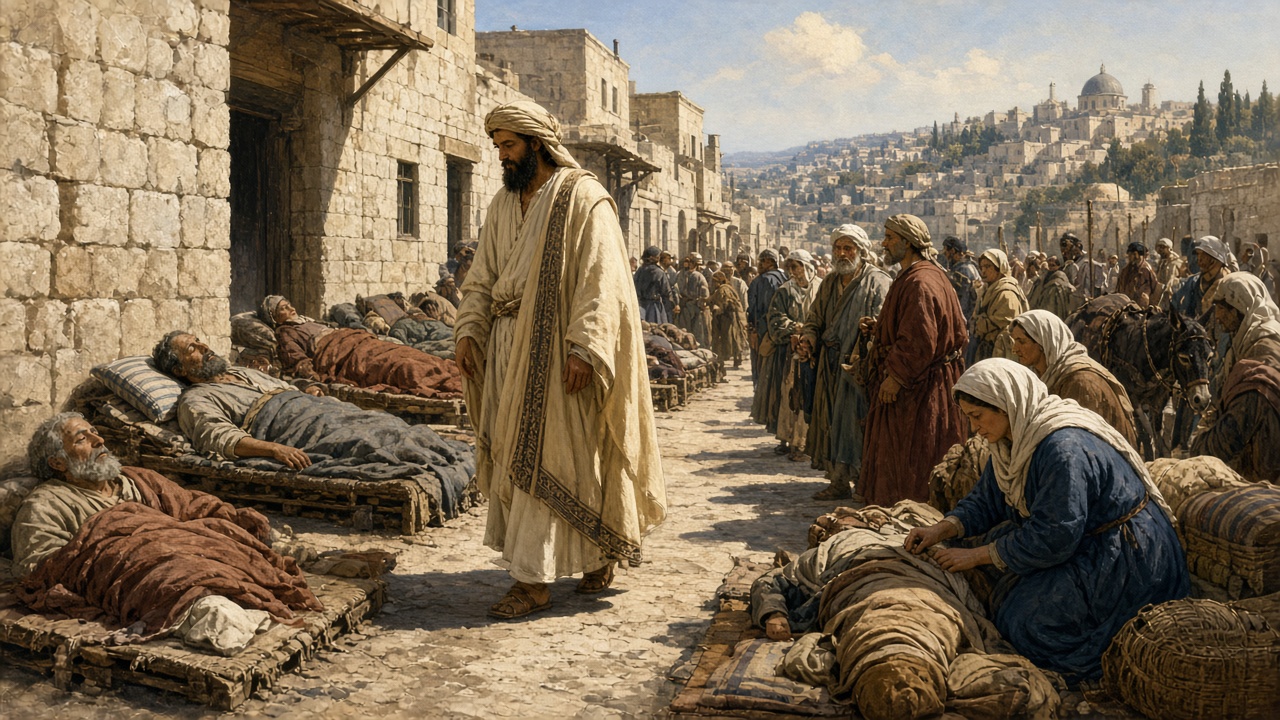
- Ananías, miembro de la iglesia de Jerusalén, y su esposa Safira, cuyo nombre significa hermosa, vendieron un terreno y, con conocimiento de ella, se quedaron con parte del precio mientras llevaban el resto a los apóstoles. Él podría haber conservado la propiedad; Pedro le recordó que seguía a su disposición tanto antes como después de la venta. La falta fue la mentira: él afirmó haberlo entregado todo, Safira confirmó el precio falso, y ambos murieron; ella compartió su culpa y su castigo.Fuentes: Ananias (Husband of Sapphira) · Sapphira · el propio texto bíblico
- Los creyentes se reunían de común acuerdo en el Pórtico de Salomón, donde los apóstoles realizaban muchas señales y prodigios. Esa columnata estaba probablemente en el lado oriental del templo. No se menciona en relación con el primer templo, aunque Josefo se refiere a un pórtico de ese nombre en el templo de Herodes.Fuentes: Solomon's Portico · el propio texto bíblico
- Cuando el sumo sacerdote y sus compañeros, que pertenecían al partido de los saduceos, hicieron arrestar a los apóstoles, un fariseo llamado Gamaliel se levantó en el Sanedrín. Es descrito como maestro de la ley, honrado por todo el pueblo, hijo del rabino Simeón y nieto del famoso rabino Hilel, y como adversario de los saduceos; instó al consejo a dejar en paz a esos hombres. Señaló a Teudas, que había encabezado una insurrección contra la autoridad romana y, según el relato de Gamaliel, reunió a unos cuatrocientos hombres antes de que el levantamiento quedara en nada —fuera de eso, no se sabe nada más de Teudas— y a Judas el galileo, que pereció en los días del censo.Fuentes: Gamaliel · Theudas · el propio texto bíblico
Notas escritas con ayuda de IA a partir de fuentes abiertas (Theographic Bible Metadata, CC BY-SA 4.0; Easton’s Bible Dictionary, dominio público) y revisadas antes de publicarse.
Lugares de este capítulo
- Solomon’s Portico · Hoy: in Jerusalem · 31.777, 35.234 · versículo 12
- Jerusalem · 31.777, 35.234 · versículos 16, 28
- Galilee · 32.760, 35.527 · versículo 37
Solo aparecen lugares identificados con alta confianza (90 % o más según las fuentes académicas reunidas por OpenBible). Mapa de la época: DARE (Digital Atlas of the Roman Empire), CC BY 4.0; mapa actual: © colaboradores de OpenStreetMap; lugares: OpenBible.info (CC BY 4.0).
Créditos y licencia de esta traducción
Sahidica - طبعة جديدة من العهد الجديد باللغة القبطية الصعيدية
Sahidica - A New Edition of the New Testament in Sahidic Coptic
copyright © 2000-2006 J Warren Wells
Language: ⲘⲉⲧⲢⲉⲙ̀ⲛⲭⲏⲙⲓ (Coptic)
Dialect: Sahidic
Translation by: J Warren Wells
Coptic: Sahidic NT "Sahidica - A New Edition of the New Testament in Sahidic Coptic"
Copyright (c)2000-2006 by J Warren Wells. All rights reserved.
For more information visit www.sahidica.org .
This edition is available free of charge for use in free electronic
editions of the New Testament as long as the full title and copyright
information are included and credited. For written permission to use
all or any part of this document in print editions, contact the editor
at www.sahidica.org .
This edition is primarily meant for use by teachers and students of
Sahidic Coptic, and to a lesser degree by Coptologists involved in
scholarly research, textual criticism, or New Testament translation.
PURPOSE
Please note: This text is a work in progress. As such, there
is an ongoing effort to standardize the spelling of words in
the text. Be aware that version updates periodically appear.
The primary purpose is to produce a standardized edition of
the Sahidic NT similar to standard Greek editions.
An additional purpose of this text is to allow side-by-side
comparison with the Greek New Testament. To facilitate this
effort, a new version of the Greek text has been developed,
which is meant to better represent the Greek text upon which
the Sahidic was based. This text is entitled "The New Testament
According to the Egyptian Greek Text" [NTAEG]
This text does not include representation of either accents or
supralinear strokes, since these are used inconsistently in the
original texts. There is also a higher degree of standardization
in spelling and punctuation; like today's standard Greek master
texts, but unlike both the original Sahidic texts, and the PHI
and Coptic Society texts. Moreover, as in standard Greek texts,
instances of the Nomina Sacra have been expanded to their full
forms. This is again a departure from earlier versions of the
Sahidic, including the PHI and Coptic Society texts, which are
Both inconsistent in their usage.
Special thanks to David Brakke of Indiana University Bloomington,
Brigitte Comparini of the Packard Humanities Institute, and
Michael Heiser, Academic Editor, at Logos Research Systems; for
their assistance in making this edition possible.
BASIS
Sahidica was initially based (by permission) on the Coptic New Testament,
which is an electronic publication, which was edited by David Brakke.
(PHI-CD 5.3 dated 7/2/91. Los Altos. Packard Humanities Institute. 1991).
During later development, Sahidica was electronically collated against
the Coptic CD I by the St. Shenouda The Archmandrite Coptic Society.
Los Angeles, CA dated April, 1998.
These two editions were reduced to a raw electronic form, which allowed both
to be compared electronically letter by letter with Sahidica in order to
accurately detect and report every single variation and input error in any
of the texts. Though errors are inevitable, the collators of three seperate
editions are highly unlikely to make the same errors. Therefore, this method
helps to insure the integrity of the Sahidica edition.
Throughout the project, Sahidica was also collated against printed editions
of the following coptic manuscripts, which manuscripts date from the third
century and later.
Matt: Pierpont Morgan Library M-569 collated against Bodmer XIX papyrus
Mark:* PPalau Rib. Inv.Nr.182 collated against Pierpont Morgan Library M-569
Luke: PPalau Rib. Inv.Nr.181 collated against Pierpont Morgan Library M-569
John: PPalau Rib. Inv.Nr.183 collated against Pierpont Morgan Library M-569
Acts: Chester Beatty B (Copt.Ms.814) collated against Berlin P.15926 and British Museum MS Or.7594
Paul: Chester Beatty A (Copt.Ms.813) collated against Pierpont Morgan Library M-570 and M-571
James-Jude:** Pierpont Morgan Library M-572 collated against the Pierpont Morgan Library M-573 and M-601***
Revelation: Berlin MS Or.408 ( British Museum Ms Or.3518) collated against British Museum MS Or.6803
* Note: The longer and shorter endings of Mark are based on Horner; cf Kahle (JTS.1951.p49-57)
** Note: 1st Peter was also collated against the Crosby-Schøyen Ms.193.
*** Note: Portions of James and Jude were reconstructed from M-573, M-601, and four other mss.
Note on Interpolations
The short and long endings of Mark are ommited from the PPalau ms 182, but they do appear in most mss.
To better represent the overall Sahidic tradition, both endings are included, but in double brackets.
The pericope of the adultress (John 7:53-8:11) does not appear in any Sahidic ms. Herein it is omitted.
2014-09-16
Fuente: http://ebible.org/copshc/ · eBible.org