Hechos 3
Sahidica - طبعة جديدة من العهد الجديد باللغة القبطية الصعيدية · Toca un versículo para ver sus referencias cruzadas.
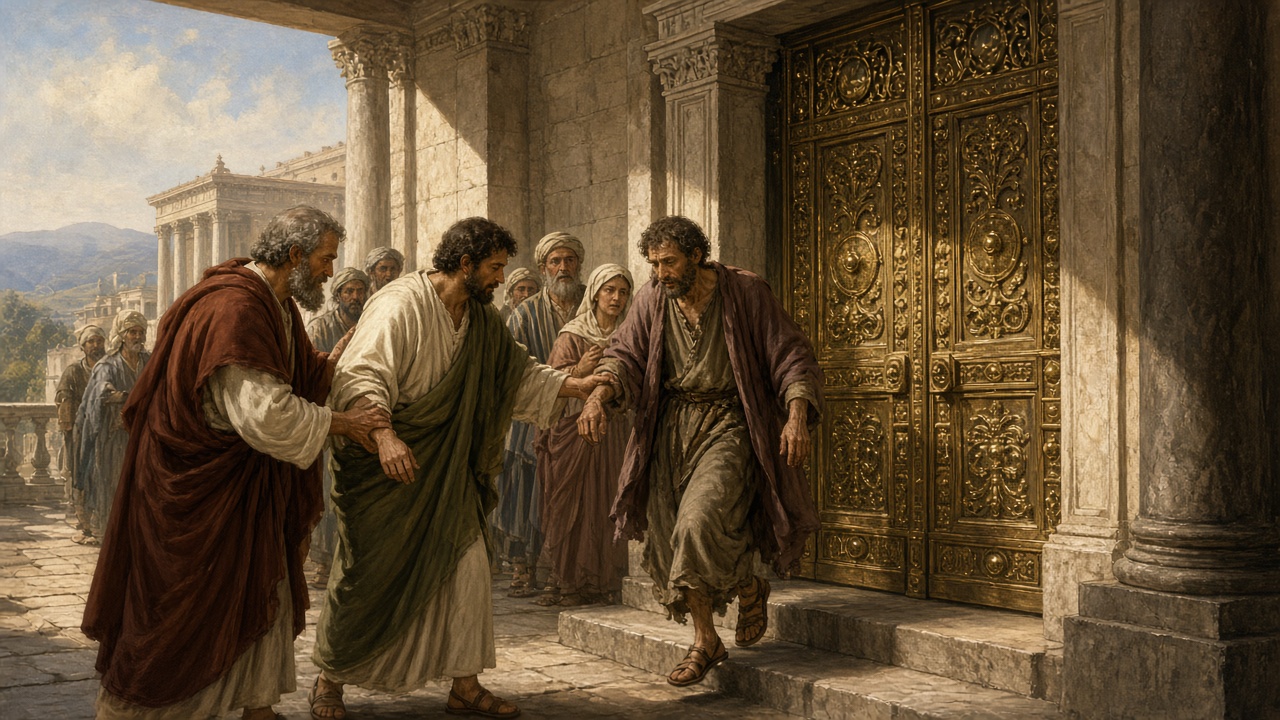
1ⲠⲈⲦⲢⲞⲤ ⲆⲈ ⲘⲚ ⲒⲰϨⲀⲚⲚⲎⲤ ⲚⲈⲨⲚⲀⲂⲰⲔ ⲈϨⲢⲀⲒ ⲈⲠⲈⲢⲠⲈ ⲚϪⲠ ⲮⲒⲦⲈ ⲘⲠⲚⲀⲨ ⲘⲠⲈϢⲖⲎⲖ. 2ⲀⲨⲰ ⲚⲈⲨⲚ ⲞⲨⲢⲰⲘⲈ ⲚϬⲀⲖⲈ ϪⲒⲚ ⲈϤⲚϨⲎⲦⲤ ⲚⲦⲈϤⲘⲀⲀⲨ ⲈϢⲀⲨϤⲒⲦϤ. ⲠⲀⲒ ⲈⲚⲈⲨⲔⲰ ⲘⲘⲞϤ ϨⲒⲢⲘ ⲠⲢⲞ ⲈⲦⲞⲨⲘⲞⲨⲦⲈ ⲈⲢⲞϤ ϪⲈ ⲠⲈⲦⲚⲈⲤⲰϤ ⲚⲦⲈ ⲠⲢⲠⲈ. ⲈⲦⲢⲈϤϢⲈⲦ ⲘⲚⲦⲚⲀ ⲈⲂⲞⲖ ϨⲒⲦⲚ ⲚⲈⲦⲂⲎⲔ ⲈϨⲞⲨⲚ ⲈⲠⲈⲢⲠⲈ. 3ⲠⲀⲒ ⲚⲦⲈⲢⲈϤⲚⲀⲨ ⲈⲠⲈⲦⲢⲞⲤ ⲘⲚ ⲒⲰϨⲀⲚⲚⲎⲤ ⲈⲨⲚⲀⲂⲰⲔ ⲈϨⲞⲨⲚ ⲈⲠⲈⲢⲠⲈ. ⲀϤⲤⲈⲠⲤⲰⲠⲞⲨ ⲈϮ ⲚⲀϤ ⲚⲞⲨⲘⲚⲦⲚⲀ. 4ⲠⲈⲦⲢⲞⲤ ⲆⲈ ⲀϤⲈⲒⲰⲢⲘ ⲈϨⲞⲨⲚ ⲈϨⲢⲀϤ ⲘⲚ ⲒⲰϨⲀⲚⲚⲎⲤ ⲠⲈϪⲀⲨ ⲚⲀϤ ϪⲈ ϬⲰϢⲦ ⲈⲢⲞⲚ. 5ⲚⲦⲞϤ ⲆⲈ ⲀϤϬⲰϢⲦ ⲈⲢⲞⲞⲨ ⲈϤⲘⲈⲈⲨⲈ ϪⲈ ⲈϤⲚⲀϪⲒ ⲞⲨⲖⲀⲀⲨ ⲚⲦⲞⲞⲦⲞⲨ. 6ⲠⲈⲦⲢⲞⲤ ⲆⲈ ⲠⲈϪⲀϤ ⲚⲀϤ ϪⲈ ⲘⲚ ϨⲀⲦ ⲞⲨⲆⲈ ⲘⲚ ⲚⲞⲨⲂ ϢⲞⲞⲠ ⲚⲀⲒ. ⲠⲈⲦⲈⲞⲨⲚⲦⲀⲒϤ ⲆⲈ ϮⲚⲀⲦⲀⲀϤ ⲚⲀⲔ ϨⲘ ⲠⲢⲀⲚ ⲚⲒⲎⲤⲞⲨⲤ ⲠⲈⲬⲢⲒⲤⲦⲞⲤ ⲠⲚⲀⲌⲰⲢⲀⲒⲞⲤ ⲘⲞⲞϢⲈ. 7ⲀⲨⲰ ⲀϤⲀⲘⲀϨⲦⲈ ⲚⲦⲈϤϬⲒϪ ⲚⲞⲨⲚⲀⲘ ⲀϤⲦⲞⲨⲚⲞⲤϤ. ⲚⲦⲈⲨⲚⲞⲨ ⲆⲈ ⲀⲨⲦⲀϪⲢⲞ ⲚϬⲒ ⲚⲈϤϬⲞⲠ ⲀⲨⲰ ⲚⲈϤϮⲂⲤ. 8ⲀⲨⲰ ⲀϤϤⲞϬϤ ⲀϤⲀϨⲈⲢⲀⲦϤ ⲀϤⲘⲞⲞϢⲈ. ⲀⲨⲰ ⲀϤⲂⲰⲔ ⲚⲘⲘⲀⲨ ⲈϨⲞⲨⲚ ⲈⲠⲈⲢⲠⲈ. ⲈϤⲘⲞⲞϢⲈ ⲀⲨⲰ ⲈϤϪⲒϤⲞϬⲤ ⲈϤⲤⲘⲞⲨ ⲈⲠⲚⲞⲨⲦⲈ. 9ⲀⲠⲖⲀⲞⲤ ⲦⲎⲢϤ ⲚⲀⲨ ⲈⲢⲞϤ ⲈϤⲘⲞⲞϢⲈ ⲀⲨⲰ ⲈϤⲤⲘⲞⲨ ⲈⲠⲚⲞⲨⲦⲈ. 10ⲀⲨⲤⲞⲨⲰⲚϤ ϪⲈ ⲠⲀⲒ ⲠⲈ ⲚⲈϤϨⲘⲞⲞⲤ ⲀⲨⲰ ⲈϤϢⲈⲦ ⲘⲚⲦⲚⲀ ϨⲒⲢⲚ ⲦⲠⲨⲖⲎ ⲈⲦⲚⲈⲤⲰⲤ ⲚⲦⲈ ⲠⲢⲠⲈ. ⲀⲨⲘⲞⲨϨ ⲚϨⲞⲦⲈ ⲀⲨⲰ ⲀⲨⲠⲰϢⲤ ⲈϨⲢⲀⲒ ⲈϪⲘ ⲪⲰⲂ ⲚⲦⲀϤϢⲰⲠⲈ ⲘⲘⲞϤ. 11ⲈϤⲀⲘⲀϨⲦⲈ ⲆⲈ ⲘⲠⲈⲦⲢⲞⲤ ⲘⲚ ⲒⲰϨⲀⲚⲚⲎⲤ. ⲀⲠⲖⲀⲞⲤ ⲦⲎⲢϤ ⲤⲰⲞⲨϨ ⲈϨⲞⲨⲚ ⲈⲢⲞⲞⲨ. ϨⲀ ⲦⲈⲤⲦⲞⲀ ⲈⲦⲞⲨⲘⲞⲨⲦⲈ ⲈⲢⲞⲤ ϪⲈ ⲦⲀ ⲤⲞⲖⲞⲘⲰⲚ ⲈⲨϢⲦⲢⲦⲰⲢ. 12ⲚⲦⲈⲢⲈϤⲚⲀⲨ ⲆⲈ ⲚϬⲒ ⲠⲈⲦⲢⲞⲤ ⲠⲈϪⲀϤ ⲚⲀⲨ ϪⲈ ⲚⲢⲰⲘⲈ ⲚⲦⲈ ⲠⲒⲤⲢⲀⲎⲖ ⲀϨⲢⲰⲦⲚ ⲦⲈⲦⲚⲢϢⲠⲎⲢⲈ ⲈϪⲘ ⲠⲀⲒ ⲎⲈⲦⲂⲈ ⲞⲨ ⲦⲈⲦⲚⲈⲒⲞⲢⲘ ⲚⲤⲰⲚ ϨⲰⲤ ⲚⲦⲀⲚⲢ ⲠⲀⲒ ϨⲚ ⲦⲈⲚϬⲞⲘ ⲎⲦⲈⲚⲘⲚⲦⲈⲨⲤⲈⲂⲎⲤ. 13ⲠⲚⲞⲨⲦⲈ ⲚⲀⲂⲢⲀϨⲀⲘ ⲘⲚ ⲒⲤⲀⲀⲔ ⲘⲚ ⲒⲀⲔⲰⲂ ⲠⲚⲞⲨⲦⲈ ⲚⲚⲈⲚⲈⲒⲞⲦⲈ ⲀϤϮ ⲈⲞⲞⲨ ⲘⲠⲈϤϢⲎⲢⲈ ⲒⲎⲤⲞⲨⲤ ⲠⲀⲒ ⲚⲦⲰⲦⲚ ⲚⲦⲀⲦⲈⲦⲚⲦⲀⲀϤ ⲀⲨⲰ ⲀⲦⲈⲦⲚⲀⲢⲚⲀ ⲘⲘⲞϤ ⲘⲠⲈⲘⲦⲞ ⲈⲂⲞⲖ ⲘⲠⲒⲖⲀⲦⲞⲤ ⲈⲀ ⲠⲈⲦⲘⲘⲀⲨ ⲔⲢⲒⲚⲈ ⲈⲔⲀⲀϤ ⲈⲂⲞⲖ. 14ⲚⲦⲰⲦⲚ ⲆⲈ ⲠⲈⲦⲞⲨⲀⲀⲂ ⲀⲨⲰ ⲠⲆⲒⲔⲀⲒⲞⲤ ⲀⲦⲈⲦⲚⲀⲢⲚⲀ ⲘⲘⲞϤ. ⲀⲦⲈⲦⲚⲀⲒⲦⲒ ⲈⲔⲰ ⲚⲎⲦⲚ ⲈⲂⲞⲖ ⲚⲞⲨⲢⲰⲘⲈ ⲚⲢⲈϤϨⲰⲦⲂ. 15ⲠⲀⲢⲬⲒⲄⲞⲤ ⲆⲈ ⲘⲠⲰⲚϨ ⲀⲦⲈⲦⲚⲘⲞⲨⲞⲨⲦ ⲘⲘⲞϤ. ⲠⲀⲒ ⲚⲦⲀ ⲠⲚⲞⲨⲦⲈ ⲦⲞⲨⲚⲞⲤϤ ⲈⲂⲞⲖ ϨⲚ ⲚⲈⲦⲘⲞⲞⲨⲦ. ⲠⲀⲒ ⲀⲚⲞⲚ ⲈⲚϢⲞⲞⲠ ⲚⲀϤ ⲘⲘⲚⲦⲢⲈ. 16ⲀⲨⲰ ϨⲢⲀⲒ ϨⲚ ⲦⲠⲒⲤⲦⲒⲤ ⲘⲠⲈϤⲢⲀⲚ ⲠⲀⲒ ⲈⲦⲈⲦⲚⲚⲀⲨ ⲈⲢⲞϤ ⲀⲨⲰ ⲈⲦⲈⲦⲚⲤⲞⲞⲨⲚ ⲘⲘⲞϤ ⲀϤⲦⲀϪⲢⲞϤ ⲚϬⲒ ⲠⲈϤⲢⲀⲚ ⲀⲨⲰ ⲦⲠⲒⲤⲦⲒⲤ ⲦⲈⲂⲞⲖ ϨⲒⲦⲞⲞⲦϤ ⲀⲤϮ ⲚⲀϤ ⲘⲠⲈⲒⲞⲨϪⲀⲒ ⲘⲠⲈⲦⲚⲘⲦⲞ ⲈⲂⲞⲖ ⲦⲎⲢⲦⲚ. 17ⲦⲈⲚⲞⲨ ϬⲈ ⲚⲀⲤⲚⲎⲨ. ϮⲈⲒⲘⲈ ϪⲈ ⲚⲦⲀⲦⲈⲦⲚⲀⲀⲤ ϨⲚ ⲞⲨⲘⲚⲦⲀⲦⲤⲞⲞⲨⲚ ⲚⲐⲈ ⲚⲚⲈⲦⲚⲔⲈⲀⲢⲬⲰⲚ. 18ⲠⲚⲞⲨⲦⲈ ⲆⲈ ⲚⲚⲈⲚⲦⲀϤϪⲞⲞⲨ ϪⲒⲚ ⲚϢⲞⲢⲠ ⲈⲂⲞⲖ ϨⲒⲦⲚ ⲦⲦⲀⲠⲢⲞ ⲚⲚⲈⲠⲢⲞⲪⲎⲦⲎⲤ ⲦⲎⲢⲞⲨ ⲈⲦⲢⲈ ⲠⲈϤⲬⲢⲎⲤⲦⲞⲤ ϢⲞⲠⲞⲨ. ⲀϤϪⲞⲔⲞⲨ ⲈⲂⲞⲖ ⲚⲦⲈⲒϨⲈ. 19ⲘⲈⲦⲀⲚⲞⲒ ϬⲈ ⲀⲨⲰ ⲚⲦⲈⲦⲚⲔⲈⲦⲦⲎⲨⲦⲚ ⲈⲦⲢⲈⲨϤⲰⲦⲈ ⲈⲂⲞⲖ ⲚⲚⲈⲦⲚⲚⲞⲂⲈ. ϪⲈⲔⲀⲀⲤ ⲈⲨϢⲀⲚⲈⲒ ⲚϬⲒ ⲚⲈⲞⲨⲞⲈⲒϢ ⲚⲘⲦⲞⲚ ⲘⲠⲈⲘⲦⲞ ⲈⲂⲞⲖ ⲘⲠϪⲞⲈⲒⲤ. 20ⲈϤⲈⲦⲚⲚⲞⲞⲨ ⲘⲠⲈⲚⲦⲀⲨⲦⲞϢϤ ⲚⲀⲚ ⲠⲈⲬⲢⲒⲤⲦⲞⲤ ⲒⲎⲤⲞⲨⲤ. 21ⲠⲀⲒ ϨⲀⲠⲤ ⲈⲦⲢⲈϤϢⲰⲠⲈ ϨⲚ ⲦⲠⲈ. ϢⲀϨⲢⲀⲒ ⲈⲚⲈⲞⲨⲞⲈⲒϢ ⲘⲠϪⲰⲔ ⲈⲂⲞⲖ ⲚϨⲰⲂ ⲚⲒⲘ ⲚⲦⲀ ⲠⲚⲞⲨⲦⲈ ϪⲞⲞⲨ ϪⲒⲚ ⲈⲚⲈϨ ⲈⲂⲞⲖ ϨⲒⲦⲚ ⲦⲦⲀⲠⲢⲞ ⲚⲚⲈϤⲠⲢⲞⲪⲎⲦⲎⲤ ⲈⲦⲞⲨⲀⲀⲂ. 22ⲘⲰⲨⲤⲎⲤ ⲘⲈⲚ ⲀϤϪⲞⲞⲤ ⲚⲚⲀϨⲢⲚ ⲚⲈⲚⲈⲒⲞⲦⲈ. ϪⲈ ⲠϪⲞⲈⲒⲤ ⲠⲈⲚⲚⲞⲨⲦⲈ ⲚⲀⲦⲞⲨⲚⲈⲤ ⲞⲨⲠⲢⲞⲪⲎⲦⲎⲤ ⲚⲎⲦⲚ ⲈⲂⲞⲖ ϨⲚ ⲚⲈⲦⲚⲤⲚⲎⲨ ⲚⲦⲀϨⲈ. ⲤⲰⲦⲘ ⲚⲤⲰϤ ⲚϢⲀϪⲈ ⲚⲒⲘ ⲈⲦϤⲚⲀϪⲞⲞⲨ ⲚⲎⲦⲚ. 23ⲈⲤⲈϢⲰⲠⲈ ⲆⲈ ⲮⲨⲬⲎ ⲚⲒⲘ ⲈⲦⲈⲚⲤⲚⲀⲤⲰⲦⲘ ⲀⲚ ⲚⲤⲀ ⲠⲈⲠⲢⲞⲪⲎⲦⲎⲤ ⲈⲦⲘⲘⲀⲨ ⲤⲈⲚⲀϤⲞⲦⲤ ⲈⲂⲞⲖ ϨⲘ ⲠⲖⲀⲞⲤ. 24ⲚⲈⲠⲢⲞⲪⲎⲦⲎⲤ ⲆⲈ ⲞⲚ ⲦⲎⲢⲞⲨ ϪⲒⲚ ⲤⲀⲘⲞⲨⲎⲖ. ⲀⲨⲰ ⲚⲈⲦⲘⲚⲚⲤⲰϤ. ⲀⲨϢⲀϪⲈ ⲀⲨⲰ ⲀⲨⲦⲀϢⲈⲞⲈⲒϢ ⲚⲚⲈⲒϨⲞⲞⲨ. 25ⲚⲦⲰⲦⲚ ⲆⲈ ⲚⲈ ⲚϢⲎⲢⲈ ⲚⲚⲈⲠⲢⲞⲪⲎⲦⲎⲤ. ⲘⲚ ⲦⲆⲒⲀⲐⲎⲔⲎ ⲦⲀⲒ ⲚⲦⲀ ⲠⲚⲞⲨⲦⲈ ⲤⲘⲚⲦⲤ ⲘⲚ ⲚⲈⲦⲚⲈⲒⲞⲦⲈ. ⲈϤϪⲰ ⲘⲘⲞⲤ ⲚⲀⲂⲢⲀϨⲀⲘ ϪⲈ ϨⲢⲀⲒ ϨⲘ ⲠⲈⲔⲤⲠⲈⲢⲘⲀ ⲤⲈⲚⲀϪⲒⲤⲘⲞⲨ ⲚϬⲒ ⲘⲠⲀⲦⲢⲒⲀ ⲦⲎⲢⲞⲨ ⲘⲠⲔⲀϨ. 26ⲚⲦⲰⲦⲚ ⲚⲈ ⲚϢⲞⲢⲠ ⲀⲠⲚⲞⲨⲦⲈ ⲦⲞⲨⲚⲈⲤ ⲠⲈϤϢⲎⲢⲈ ⲚⲎⲦⲚ. ⲀϤⲦⲚⲚⲞⲞⲨϤ ⲈϤⲤⲘⲞⲨ ⲈⲢⲰⲦⲚ. ϨⲘ ⲠⲦⲢⲈ ⲠⲞⲨⲀ ⲠⲞⲨⲀ ⲔⲦⲞϤ ⲈⲂⲞⲖ ϨⲚ ⲚⲈϤⲠⲞⲚⲎⲢⲒⲀ.
¿Sabías que…?
Curación y predicación en el templo
- La puerta del templo llamada Hermosa, donde cada día ponían a mendigar a un hombre cojo de nacimiento, se nombra en este capítulo. Se supone que era la puerta que iba del atrio de los gentiles al atrio de las mujeres; era maciza y estaba cubierta con placas de latón corintio.Fuentes: Beautiful Gate · el propio texto bíblico
- Después de la curación, la multitud asombrada corrió hacia Pedro y Juan en el paseo llamado Pórtico de Salomón. Era una columnata, o claustro, probablemente en el lado oriental del templo; no se menciona en relación con el primer templo, pero Josefo menciona un pórtico de ese nombre en el templo de Herodes.Fuentes: Solomon's Portico · el propio texto bíblico
- En el discurso allí, Pedro dijo que el pueblo había entregado a Jesús y lo había rechazado ante Pilato, aunque Pilato había decidido soltarlo. Una entrada de diccionario identifica a Poncio Pilato como el sexto procurador romano de Judea, del 26 al 36 d.C., con sede en Cesarea, aunque subía con frecuencia a Jerusalén; su nombre cobra especial relieve en relación con el juicio de Jesús.Fuentes: Pontius Pilate · el propio texto bíblico
Notas escritas con ayuda de IA a partir de fuentes abiertas (Theographic Bible Metadata, CC BY-SA 4.0; Easton’s Bible Dictionary, dominio público) y revisadas antes de publicarse.
Lugares de este capítulo
- Beautiful Gate · Hoy: in Jerusalem · 31.777, 35.234 · versículos 2, 10
- Nazareth · 32.702, 35.298 · versículo 6
- Solomon’s Portico · Hoy: in Jerusalem · 31.777, 35.234 · versículo 11
Solo aparecen lugares identificados con alta confianza (90 % o más según las fuentes académicas reunidas por OpenBible). Mapa de la época: DARE (Digital Atlas of the Roman Empire), CC BY 4.0; mapa actual: © colaboradores de OpenStreetMap; lugares: OpenBible.info (CC BY 4.0).
Créditos y licencia de esta traducción
Sahidica - طبعة جديدة من العهد الجديد باللغة القبطية الصعيدية
Sahidica - A New Edition of the New Testament in Sahidic Coptic
copyright © 2000-2006 J Warren Wells
Language: ⲘⲉⲧⲢⲉⲙ̀ⲛⲭⲏⲙⲓ (Coptic)
Dialect: Sahidic
Translation by: J Warren Wells
Coptic: Sahidic NT "Sahidica - A New Edition of the New Testament in Sahidic Coptic"
Copyright (c)2000-2006 by J Warren Wells. All rights reserved.
For more information visit www.sahidica.org .
This edition is available free of charge for use in free electronic
editions of the New Testament as long as the full title and copyright
information are included and credited. For written permission to use
all or any part of this document in print editions, contact the editor
at www.sahidica.org .
This edition is primarily meant for use by teachers and students of
Sahidic Coptic, and to a lesser degree by Coptologists involved in
scholarly research, textual criticism, or New Testament translation.
PURPOSE
Please note: This text is a work in progress. As such, there
is an ongoing effort to standardize the spelling of words in
the text. Be aware that version updates periodically appear.
The primary purpose is to produce a standardized edition of
the Sahidic NT similar to standard Greek editions.
An additional purpose of this text is to allow side-by-side
comparison with the Greek New Testament. To facilitate this
effort, a new version of the Greek text has been developed,
which is meant to better represent the Greek text upon which
the Sahidic was based. This text is entitled "The New Testament
According to the Egyptian Greek Text" [NTAEG]
This text does not include representation of either accents or
supralinear strokes, since these are used inconsistently in the
original texts. There is also a higher degree of standardization
in spelling and punctuation; like today's standard Greek master
texts, but unlike both the original Sahidic texts, and the PHI
and Coptic Society texts. Moreover, as in standard Greek texts,
instances of the Nomina Sacra have been expanded to their full
forms. This is again a departure from earlier versions of the
Sahidic, including the PHI and Coptic Society texts, which are
Both inconsistent in their usage.
Special thanks to David Brakke of Indiana University Bloomington,
Brigitte Comparini of the Packard Humanities Institute, and
Michael Heiser, Academic Editor, at Logos Research Systems; for
their assistance in making this edition possible.
BASIS
Sahidica was initially based (by permission) on the Coptic New Testament,
which is an electronic publication, which was edited by David Brakke.
(PHI-CD 5.3 dated 7/2/91. Los Altos. Packard Humanities Institute. 1991).
During later development, Sahidica was electronically collated against
the Coptic CD I by the St. Shenouda The Archmandrite Coptic Society.
Los Angeles, CA dated April, 1998.
These two editions were reduced to a raw electronic form, which allowed both
to be compared electronically letter by letter with Sahidica in order to
accurately detect and report every single variation and input error in any
of the texts. Though errors are inevitable, the collators of three seperate
editions are highly unlikely to make the same errors. Therefore, this method
helps to insure the integrity of the Sahidica edition.
Throughout the project, Sahidica was also collated against printed editions
of the following coptic manuscripts, which manuscripts date from the third
century and later.
Matt: Pierpont Morgan Library M-569 collated against Bodmer XIX papyrus
Mark:* PPalau Rib. Inv.Nr.182 collated against Pierpont Morgan Library M-569
Luke: PPalau Rib. Inv.Nr.181 collated against Pierpont Morgan Library M-569
John: PPalau Rib. Inv.Nr.183 collated against Pierpont Morgan Library M-569
Acts: Chester Beatty B (Copt.Ms.814) collated against Berlin P.15926 and British Museum MS Or.7594
Paul: Chester Beatty A (Copt.Ms.813) collated against Pierpont Morgan Library M-570 and M-571
James-Jude:** Pierpont Morgan Library M-572 collated against the Pierpont Morgan Library M-573 and M-601***
Revelation: Berlin MS Or.408 ( British Museum Ms Or.3518) collated against British Museum MS Or.6803
* Note: The longer and shorter endings of Mark are based on Horner; cf Kahle (JTS.1951.p49-57)
** Note: 1st Peter was also collated against the Crosby-Schøyen Ms.193.
*** Note: Portions of James and Jude were reconstructed from M-573, M-601, and four other mss.
Note on Interpolations
The short and long endings of Mark are ommited from the PPalau ms 182, but they do appear in most mss.
To better represent the overall Sahidic tradition, both endings are included, but in double brackets.
The pericope of the adultress (John 7:53-8:11) does not appear in any Sahidic ms. Herein it is omitted.
2014-09-16
Fuente: http://ebible.org/copshc/ · eBible.org