Hechos 18
Sahidica - طبعة جديدة من العهد الجديد باللغة القبطية الصعيدية · Toca un versículo para ver sus referencias cruzadas.
1ⲘⲚⲚⲤⲀ ⲚⲀⲒ ⲀϤⲈⲒ ⲈⲂⲞⲖ ϨⲚ ⲀⲐⲎⲚⲀⲒⲤ. ⲀϤⲂⲰⲔ ⲈⲔⲞⲢⲒⲚⲐⲞⲤ. 2ⲀⲨⲰ ⲀϤϨⲈ ⲈⲨⲒⲞⲨⲆⲀⲒ ⲈⲠⲈϤⲢⲀⲚ ⲠⲈ ⲀⲔⲨⲖⲀⲤ ⲞⲨⲠⲞⲚⲦⲒⲔⲞⲤ ϨⲘ ⲠⲈϤⲄⲈⲚⲞⲤ ⲈⲀϤⲈⲒ ϨⲚ ⲚⲈϨⲞⲞⲨ ⲈⲦⲘⲘⲀⲨ ⲈⲂⲞⲖ ϨⲚ ⲐⲒⲦⲀⲖⲒⲀ ⲘⲚ ⲠⲢⲒⲤⲔⲒⲖⲖⲀ ⲦⲈϤⲤϨⲒⲘⲈ ⲈⲂⲞⲖ ϪⲈ ⲀⲔⲖⲀⲨⲆⲒⲞⲤ ⲞⲨⲈϨⲤⲀϨⲚⲈ ⲈⲦⲢⲈ ⲚⲒⲞⲨⲆⲀⲒ ⲦⲎⲢⲞⲨ ⲂⲰⲔ ⲈⲂⲞⲖ ϨⲚ ϨⲢⲰⲘⲎ ⲀϤϮ ⲠⲈϤⲞⲨⲞⲈⲒ ⲈⲢⲞⲞⲨ. 3ⲀⲨⲰ ⲀϤϬⲰ ϨⲀϨⲦⲎⲨ ⲀϤⲢϨⲰⲂ. ϪⲈ ⲚⲈⲦⲈϤⲈⲒⲞⲠⲈ ⲦⲰⲞⲨ ⲦⲈ. ⲚⲈ ⲦⲈⲨⲦⲈⲬⲚⲎ ⲄⲀⲢ ⲠⲈ ⲢⲈϤⲦⲀⲘⲒⲈ ⲤⲔⲨⲚⲎ. 4ⲀⲨⲰ ⲚⲈϤϢⲀϪⲈ ⲈⲢⲞⲞⲨ ⲠⲈ ϨⲚ ⲦⲤⲨⲚⲀⲄⲰⲄⲎ ⲔⲀⲦⲀ ⲤⲀⲂⲂⲀⲦⲞⲚ ⲚⲒⲘ. ⲈϤⲠⲒⲐⲈ ⲚⲚⲒⲞⲨⲆⲀⲒ ⲘⲚ ⲚϨⲈⲖⲖⲎⲚ. 5ⲚⲦⲈⲢⲈ ⲤⲒⲖⲀⲤ ⲆⲈ ⲈⲒ ⲘⲚ ⲦⲒⲘⲞⲐⲈⲞⲤ ⲈⲂⲞⲖ ϨⲚ ⲦⲘⲀⲔⲈⲆⲞⲚⲒⲀ. ⲚⲈⲢⲈ ⲠⲀⲨⲖⲞⲤ ⲘⲎⲚ ⲈⲂⲞⲖ ϨⲘ ⲠϢⲀϪⲈ ⲈϤⲢⲘⲚⲦⲢⲈ ⲚⲚⲒⲞⲨⲆⲀⲒ ϪⲈ ⲒⲎⲤⲞⲨⲤ ⲠⲈ ⲠⲈⲬⲢⲒⲤⲦⲞⲤ. 6ⲚⲦⲈⲢⲞⲨϮ ⲆⲈ ⲞⲨⲂⲎϤ ⲈⲨϪⲒⲞⲨⲀ. ⲀϤⲚⲈϨ ⲚⲈϤϨⲞⲒⲦⲈ ⲈⲂⲞⲖ ⲈϤϪⲰ ⲘⲘⲞⲤ ϪⲈ ⲠⲈⲦⲚⲤⲚⲞϤ ⲈϨⲢⲀⲒ ⲈϪⲚ ⲦⲈⲦⲚⲀⲠⲈ. ϮⲞⲨⲀⲀⲂ ⲀⲚⲞⲔ ϪⲒⲚ ⲦⲈⲚⲞⲨ ⲈⲒⲚⲀⲂⲰⲔ ⲈϨⲢⲀⲒ ⲈⲚϨⲈⲐⲚⲞⲤ. 7ⲀϤⲠⲰⲰⲚⲈ ⲆⲈ ⲈⲂⲞⲖ ϨⲘ ⲠⲘⲀ ⲈⲦⲘⲘⲀⲨ. ⲀϤⲂⲰⲔ ⲈϨⲞⲨⲚ ⲈⲠⲎⲒ ⲚⲞⲨⲤⲞⲚ ⲈⲠⲈϤⲢⲀⲚ ⲠⲈ ⲦⲒⲦⲞⲤ ⲈϤϢⲘϢⲈ ⲘⲠⲚⲞⲨⲦⲈ. ⲠⲀⲒ ⲈⲢⲈ ⲠⲈϤⲎⲒ ϨⲎⲚ ⲈϨⲞⲨⲚ ⲈⲦⲤⲨⲚⲀⲄⲰⲄⲎ. 8ⲔⲢⲒⲤⲠⲞⲤ ⲆⲈ ⲠⲀⲢⲬⲎⲤⲨⲚⲀⲄⲰⲄⲞⲤ ⲀϤⲠⲒⲤⲦⲈⲨⲈ ⲈⲠϪⲞⲈⲒⲤ ⲘⲚ ⲠⲈϤⲎⲒ ⲦⲎⲢϤ. ⲀⲨⲰ ϨⲀϨ ϨⲚ ⲚⲔⲞⲢⲒⲚⲐⲞⲤ ⲈⲨⲤⲰⲦⲘ ⲀⲨⲠⲒⲤⲦⲈⲨⲈ ⲀⲨⲰ ⲀⲨϪⲒ ⲂⲀⲠⲦⲒⲤⲘⲀ. 9ⲠⲈϪⲈ ⲠϪⲞⲈⲒⲤ ⲆⲈ ⲘⲠⲀⲨⲖⲞⲤ ϨⲚ ⲞⲨϨⲞⲢⲞⲘⲀ ⲚⲦⲈⲨϢⲎ. ϪⲈ ⲘⲠⲢⲢϨⲞⲦⲈ ⲀⲖⲖⲀ ϢⲀϪⲈ. ⲀⲨⲰ ⲘⲠⲢⲔⲀⲢⲰⲔ 10ϪⲈ ⲀⲚⲞⲔ ϮϢⲞⲞⲠ ⲚⲘⲘⲀⲔ. ⲀⲨⲰ ⲘⲚ ⲖⲀⲀⲨ ⲚⲀϢϬⲘϬⲞⲘ ⲈⲢ ⲠⲈⲐⲞⲞⲨ ⲚⲀⲔ. ϪⲈ ⲞⲨⲚ ⲞⲨⲖⲀⲞⲤ ⲈⲚⲀϢⲰϤ ϢⲞⲞⲠ ⲚⲀⲒ ϨⲚ ⲦⲈⲒⲠⲞⲖⲒⲤ. 11ⲀϤϨⲘⲞⲞⲤ ⲆⲈ ⲘⲘⲀⲨ ⲚⲞⲨⲢⲞⲘⲠⲈ ⲘⲚ ⲤⲞⲞⲨ ⲚⲈⲂⲞⲦ ⲈϤϮⲤⲂⲰ ⲚϨⲎⲦⲞⲨ ⲘⲠϢⲀϪⲈ ⲘⲠⲚⲞⲨⲦⲈ. 12ⲄⲀⲖⲖⲒⲰⲚ ⲆⲈ ⲈϤⲞ ⲚⲀⲚⲐⲨⲠⲀⲦⲞⲤ ⲈϪⲚ ⲦⲀⲬⲀⲒⲀ. ⲀⲚⲒⲞⲨⲆⲀⲒ ⲦⲰⲞⲨⲚ ϨⲒ ⲞⲨⲤⲞⲠ ⲈϪⲘ ⲠⲀⲨⲖⲞⲤ ⲀⲨⲚ ⲚⲈⲨϬⲒϪ ⲈϨⲢⲀⲒ ⲈϪⲰϤ. ⲀⲨϪⲒⲦϤ ⲈⲠⲂⲎⲘⲀ 13ⲈⲨϪⲰ ⲘⲘⲞⲤ ϪⲈ ⲠⲀⲢⲀ ⲠⲚⲞⲘⲞⲤ ⲠⲀⲒ ⲠⲒⲐⲈ ⲚⲚⲢⲰⲘⲈ ⲈϢⲘϢⲈ ⲘⲠⲚⲞⲨⲦⲈ. 14ⲚⲦⲈⲢⲈ ⲠⲀⲨⲖⲞⲤ ⲆⲈ ⲈⲒ ⲈϤⲚⲀⲞⲨⲰⲚ ⲚⲢⲰϤ. ⲠⲈϪⲈ ⲄⲀⲖⲖⲒⲰⲚ ⲚⲚⲒⲞⲨⲆⲀⲒ ϪⲈ ⲈⲚⲈ ⲞⲨϪⲒ ⲚϬⲞⲚⲤ ⲎⲞⲨϨⲰⲂ ⲈϤϨⲞⲞⲨ ⲠⲈⲚⲦⲀϤϢⲰⲠⲈ Ⲱ ⲚⲒⲞⲨⲆⲀⲒ. ⲚⲈⲒⲚⲀⲀⲚⲈⲬⲈ ⲠⲈ ⲘⲘⲰⲦⲚ ⲈⲨⲖⲞⲄⲰⲤ. 15ⲦⲈⲚⲞⲨ ϬⲈ ⲈϢϪⲈ ϨⲈⲚⲌⲎⲦⲎⲘⲀ ⲚⲈ ⲈⲦⲂⲈ ⲞⲨϢⲀϪⲈ. ⲎϨⲈⲚⲢⲀⲚ ⲈⲦⲂⲈ ⲠⲈⲦⲚⲚⲞⲘⲞⲤ ⲦⲈⲦⲚⲢⲰϢⲈ ⲚⲦⲰⲦⲚ. ⲀⲚⲞⲔ ⲄⲀⲢ ⲚϮⲞⲨⲰϢ ⲀⲚ ⲈϮϨⲀⲠ ⲈϨⲰⲂ ⲚⲦⲈⲒⲘⲒⲚⲈ. 16ⲀⲨⲰ ⲀϤⲚⲞϪⲞⲨ ⲈⲂⲞⲖ ϨⲘ ⲠⲂⲎⲘⲀ. 17ⲀⲚϨⲖⲖⲎⲚ ⲆⲈ ⲦⲎⲢⲞⲨ ⲀⲘⲀϨⲦⲈ ⲚⲤⲰⲤⲐⲈⲚⲎⲤ ⲠⲀⲢⲬⲎⲤⲨⲚⲀⲄⲰⲄⲞⲤ ⲀⲨϨⲒⲞⲨⲈ ⲈⲢⲞϤ ⲘⲠⲈⲘⲦⲞ ⲈⲂⲞⲖ ⲘⲠⲂⲎⲘⲀ. ⲀⲨⲰ ⲘⲠⲈ ⲄⲀⲖⲖⲒⲰⲚ ⲠⲢⲞⲤⲈⲬⲈ ⲈⲢⲞⲞⲨ. 18ⲠⲀⲨⲖⲞⲤ ⲆⲈ ⲞⲚ ⲀϤϬⲰ ⲚϨⲈⲚⲔⲈⲘⲎⲎ ϢⲈ ⲚϨⲞⲞⲨ ϨⲀⲦⲚ ⲚⲈⲤⲚⲎⲨ ⲘⲚⲚⲤⲀ ⲚⲀⲒ ⲀϤⲀⲠⲞⲦⲀⲤⲤⲈ ⲚⲀⲨ ⲀϤⲤϬⲎⲢ ⲈⲦⲤⲨⲢⲒⲀ ⲘⲚ ⲠⲢⲒⲤⲔⲒⲖⲖⲀ ⲀⲨⲰ ⲀⲔⲨⲖⲀⲤ ⲀϤϨⲈⲔⲈ ⲦⲈϤⲀⲠⲈ ϨⲚ ⲔⲈⲚⲬⲢⲀⲒⲀⲒⲤ ⲚⲈⲨⲚⲦⲀϤ ⲄⲀⲢ ⲘⲘⲀⲨ ⲚⲞⲨⲈⲢⲎⲦ. 19ⲚⲦⲈⲢⲞⲨⲠⲰϨ ⲆⲈ ⲈⲈⲪⲈⲤⲞⲤ ⲘⲠⲤⲀⲂⲂⲀⲦⲞⲚ ⲈⲦⲚⲎⲨ. ⲀⲠⲀⲨⲖⲞⲤ ⲂⲰⲔ ⲈϨⲞⲨⲚ ⲈⲦⲤⲨⲚⲀⲄⲰⲄⲎ ⲀϤϢⲀϪⲈ ⲘⲚ ⲚⲒⲞⲨⲆⲀⲒ. 20ⲚⲦⲈⲢⲞⲨⲤⲈⲠⲤⲰⲠϤ ⲆⲈ ⲈⲢ ⲞⲨⲚⲞϬ ⲚⲞⲨⲞⲈⲒϢ ⲘⲘⲀⲨ ⲘⲠϤϬⲰ. 21ⲀⲖⲖⲀ ⲀϤⲔⲀ ⲚⲎ ⲘⲠⲘⲀ ⲈⲦⲘⲘⲀⲨ ⲀϤⲀⲠⲞⲦⲀⲤⲤⲈ ⲚⲀⲨ ⲈϤϪⲰ ⲘⲘⲞⲤ ϪⲈ ϮⲚⲀⲔⲦⲞⲒ ⲞⲚ ϢⲀⲢⲰⲦⲚ ⲈϢⲰⲠⲈ ⲠⲞⲨⲰϢ ⲘⲠⲚⲞⲨⲦⲈ ⲠⲈ ⲀϤⲂⲰⲔ ⲈⲂⲞⲖ ϨⲚ ⲦⲈⲪⲈⲤⲞⲤ 22ⲀϤⲤϬⲎⲢ ⲈϨⲢⲀⲒ ⲈⲔⲀⲒⲤⲀⲢⲒⲀ. ⲀⲨⲰ ⲚⲦⲈⲢⲈϤⲂⲰⲔ ⲈϨⲢⲀⲒ ⲀϤⲀⲤⲠⲀⲌⲈ ⲚⲦⲈⲔⲔⲖⲎⲤⲒⲀ. ⲀϤⲈⲒ ⲈⲠⲈⲤⲎⲦ ⲈⲦⲀⲚⲦⲒⲞⲬⲒⲀ. 23ⲚⲦⲈⲢⲈϤⲢⲞⲨⲞⲈⲒϢ ⲆⲈ ⲘⲘⲀⲨ. ⲀϤⲈⲒ ⲈⲂⲞⲖ ⲈϤⲘⲞⲨϢⲦ ⲚⲦⲈⲬⲰⲢⲀ ⲚⲦⲄⲀⲖⲀⲦⲒⲀ ⲘⲚ ⲦⲈⲪⲢⲨⲄⲒⲀ. ⲈⲨⲦⲀϪⲢⲞ ⲚⲘⲘⲀⲐⲎⲦⲎⲤ ⲦⲎⲢⲞⲨ. 24ⲞⲨⲒⲞⲨⲆⲀⲒ ⲆⲈ ⲈⲠⲈϤⲢⲀⲚ ⲠⲈ ⲀⲠⲞⲖⲖⲰ ⲀϤⲈⲒ ⲈⲦⲈⲪⲈⲤⲞⲤ. ⲞⲨⲀⲖⲈⲜⲀⲚⲆⲢⲈⲨⲤ ϨⲘ ⲠⲈϤⲄⲈⲚⲞⲤ. ⲞⲨⲢⲰⲘⲈ ⲈⲨⲚⲦϤ ⲠϢⲀϪⲈ ⲈⲨⲚϬⲞⲘ ⲘⲘⲞϤ ϨⲈⲚ ⲚⲈⲄⲢⲀⲪⲎ. 25ⲠⲀⲒ ⲆⲈ ⲚⲈ ⲀⲨⲔⲀⲐⲎⲔⲈⲒ ⲘⲘⲞϤ ⲠⲈ ϨⲚ ⲦⲈϨⲒⲎ ⲘⲠϪⲞⲈⲒⲤ ⲀⲨⲰ ⲈϤⲂⲢⲂⲢ ϨⲘ ⲠⲈⲠⲚⲈⲨⲘⲀ ⲚⲈϤϢⲀϪⲈ ⲀⲨⲰ ⲚⲈϤϮⲤⲂⲰ ϨⲚ ⲞⲨⲰⲢϪ ⲈⲦⲂⲈ ⲒⲎⲤⲞⲨⲤ ⲈϤⲤⲞⲞⲨⲚ ⲘⲘⲀⲦⲈ ⲘⲠⲂⲀⲠⲦⲒⲤⲘⲀ ⲚⲒⲰϨⲀⲚⲚⲎⲤ. 26ⲠⲀⲒ ⲀϤⲀⲢⲬⲈⲒ ⲘⲠⲀⲢⲢⲎⲤⲒⲀⲌⲈ ⲘⲘⲞϤ ϨⲚ ⲦⲤⲨⲚⲀⲄⲰⲄⲎ. ⲚⲦⲈⲢⲞⲨⲤⲰⲦⲘ ⲆⲈ ⲈⲢⲞϤ ⲚϬⲒ ⲀⲔⲨⲖⲀⲤ ⲘⲚ ⲠⲢⲒⲤⲔⲒⲖⲖⲀ. ⲀⲨϢⲞⲠϤ ⲈⲢⲞⲞⲨ ⲀⲨⲰ ⲀⲨⲦⲀⲘⲞϤ ϨⲚ ⲞⲨⲰⲢϪ ⲈⲦⲈϨⲒⲎ ⲘⲠⲚⲞⲨⲦⲈ. 27ⲀⲚⲈⲤⲚⲎⲨ ⲆⲈ ⲠⲢⲞⲦⲢⲈⲠⲈ ⲘⲘⲞϤ ⲈϨⲚⲀϤ ⲈⲂⲰⲔ ⲈⲦⲀⲬⲀⲒⲀ. ⲀⲨⲰ ⲀⲨⲤϨⲀⲒ ⲚⲚⲈⲤⲚⲎⲨⲈϢⲞⲠϤ ⲈⲢⲞⲞⲨ. ⲚⲦⲈⲢⲞⲨⲈⲒ ⲆⲈ ⲈⲘⲀⲨ ⲀϤⲦⲀⲀϤ ⲈⲠⲈϨⲞⲨⲞ ⲚⲚⲈⲚⲦⲀⲨⲠⲒⲤⲦⲈⲨⲈ ϨⲚ ⲦⲈⲬⲀⲢⲒⲤ. 28ⲚⲈϤϪⲠⲒⲞ ⲄⲀⲢ ⲚⲚⲒⲞⲨⲆⲀⲒ ⲈⲘⲀⲦⲈ ϨⲚ ⲞⲨⲠⲀⲢⲢⲎⲤⲒⲀ. ⲈϤⲦⲀⲘⲞ ⲘⲘⲞⲞⲨ ⲈⲂⲞⲖ ϨⲚ ⲚⲈⲄⲢⲀⲪⲎ ϪⲈ ⲒⲎⲤⲞⲨⲤ ⲠⲈ ⲠⲈⲬⲢⲒⲤⲦⲞⲤ.
¿Sabías que…?
La estancia de Pablo en Corinto
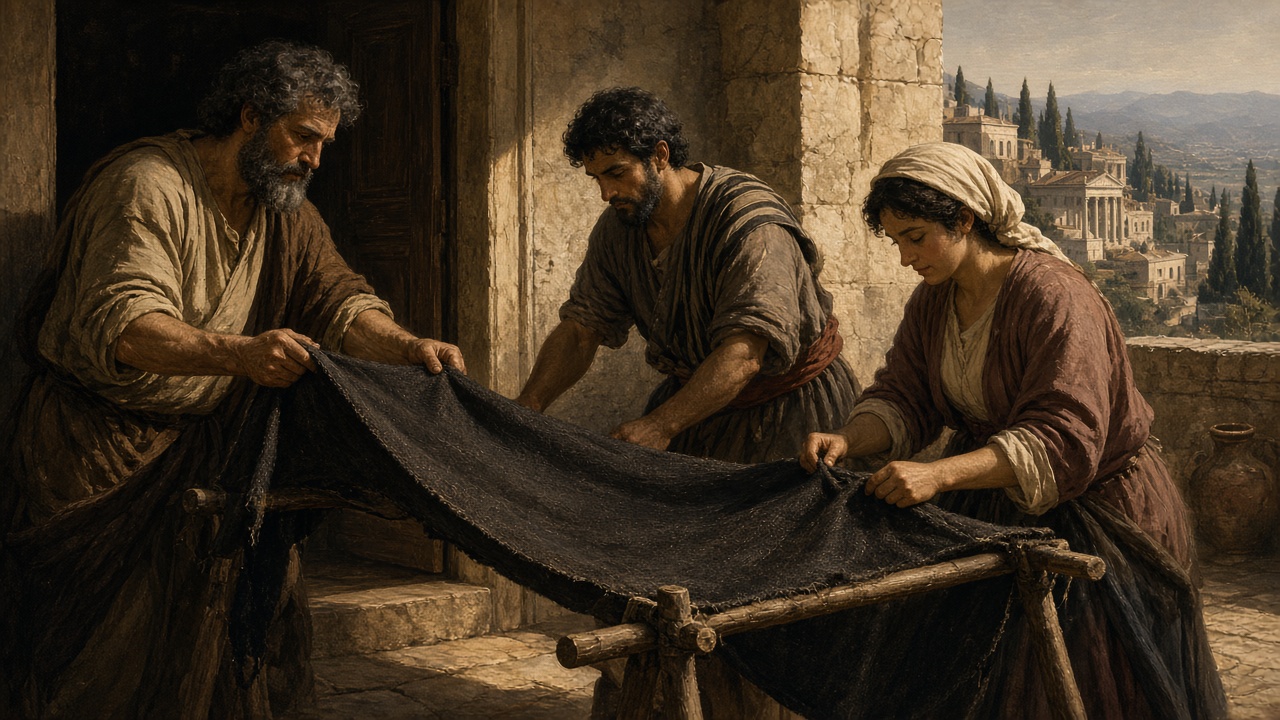
- Aquila, natural del Ponto, y su esposa Priscila habían salido de Italia porque el emperador Claudio ordenó que todos los judíos dejaran Roma. El Easton's Bible Dictionary (1897) fecha ese decreto en el 49 d.C. en la entrada de Claudio y en el 50 d.C. en la de Aquila. Pablo se quedó con ellos en Corinto y trabajó en el mismo oficio, haciendo tela de pelo de Cilicia para tiendas.Fuentes: Aquila · Claudius (4th Roman Emperor) · el propio texto bíblico
- La Corinto de este capítulo no era la antigua ciudad griega, destruida por los romanos en el 146 a.C., sino una ciudad reconstruida cerca de un siglo después y poblada por una colonia de libertos venidos de Roma. Estaba en el istmo, a unas 48 millas al oeste de Atenas, y era la sede romana del gobierno de Acaya, en el sur de Grecia. Se la conocía por su riqueza y por los hábitos lujosos, inmorales y viciosos de su gente.Fuentes: Corinth · Achaia
- Galión, hermano mayor del filósofo Séneca, era procónsul de Acaya bajo Claudio cuando los judíos llevaron a Pablo ante el tribunal. Acaya era una provincia senatorial, y el gobernador de una provincia así se llamaba procónsul, título usado en este capítulo. Galión se negó a juzgar una disputa sobre palabras, nombres y la ley judía, y echó a los acusadores del tribunal.Fuentes: Gallio · el propio texto bíblico
Notas escritas con ayuda de IA a partir de fuentes abiertas (Theographic Bible Metadata, CC BY-SA 4.0; Easton’s Bible Dictionary, dominio público) y revisadas antes de publicarse.
Lugares de este capítulo
- Athens · 37.972, 23.727 · versículo 1
- Corinth · 37.906, 22.879 · versículos 1, 8, 11, 12, 18
- Italy · 41.892, 12.485 · versículo 2
- Pontus · 40.680, 37.830 · versículo 2
- Rome · 41.892, 12.485 · versículo 2
- Macedonia · 41.600, 22.540 · versículo 5
- Achaia · 38.720, 22.540 · versículos 12, 27
- Cenchreae · Hoy: Kechries · 37.884, 22.997 · versículo 18
- Syria · Hoy: Syria 2 · 33.511, 36.306 · versículo 18
- Ephesus · 37.939, 27.341 · versículos 19, 21, 24, 27
- Jerusalem · 31.777, 35.234 · versículos 21, 22
- Antioch · Hoy: Antioch on the Orontes · 36.227, 36.172 · versículos 22, 23
- Caesarea · Hoy: Caesarea Maritima · 32.500, 34.892 · versículo 22
- Galatia · 39.267, 32.983 · versículo 23
- Phrygia · 39.000, 31.000 · versículo 23
- Alexandria · 31.183, 29.896 · versículo 24
- Egypt · 30.129, 31.308 · versículo 24
Solo aparecen lugares identificados con alta confianza (90 % o más según las fuentes académicas reunidas por OpenBible). Mapa de la época: DARE (Digital Atlas of the Roman Empire), CC BY 4.0; mapa actual: © colaboradores de OpenStreetMap; lugares: OpenBible.info (CC BY 4.0).
Créditos y licencia de esta traducción
Sahidica - طبعة جديدة من العهد الجديد باللغة القبطية الصعيدية
Sahidica - A New Edition of the New Testament in Sahidic Coptic
copyright © 2000-2006 J Warren Wells
Language: ⲘⲉⲧⲢⲉⲙ̀ⲛⲭⲏⲙⲓ (Coptic)
Dialect: Sahidic
Translation by: J Warren Wells
Coptic: Sahidic NT "Sahidica - A New Edition of the New Testament in Sahidic Coptic"
Copyright (c)2000-2006 by J Warren Wells. All rights reserved.
For more information visit www.sahidica.org .
This edition is available free of charge for use in free electronic
editions of the New Testament as long as the full title and copyright
information are included and credited. For written permission to use
all or any part of this document in print editions, contact the editor
at www.sahidica.org .
This edition is primarily meant for use by teachers and students of
Sahidic Coptic, and to a lesser degree by Coptologists involved in
scholarly research, textual criticism, or New Testament translation.
PURPOSE
Please note: This text is a work in progress. As such, there
is an ongoing effort to standardize the spelling of words in
the text. Be aware that version updates periodically appear.
The primary purpose is to produce a standardized edition of
the Sahidic NT similar to standard Greek editions.
An additional purpose of this text is to allow side-by-side
comparison with the Greek New Testament. To facilitate this
effort, a new version of the Greek text has been developed,
which is meant to better represent the Greek text upon which
the Sahidic was based. This text is entitled "The New Testament
According to the Egyptian Greek Text" [NTAEG]
This text does not include representation of either accents or
supralinear strokes, since these are used inconsistently in the
original texts. There is also a higher degree of standardization
in spelling and punctuation; like today's standard Greek master
texts, but unlike both the original Sahidic texts, and the PHI
and Coptic Society texts. Moreover, as in standard Greek texts,
instances of the Nomina Sacra have been expanded to their full
forms. This is again a departure from earlier versions of the
Sahidic, including the PHI and Coptic Society texts, which are
Both inconsistent in their usage.
Special thanks to David Brakke of Indiana University Bloomington,
Brigitte Comparini of the Packard Humanities Institute, and
Michael Heiser, Academic Editor, at Logos Research Systems; for
their assistance in making this edition possible.
BASIS
Sahidica was initially based (by permission) on the Coptic New Testament,
which is an electronic publication, which was edited by David Brakke.
(PHI-CD 5.3 dated 7/2/91. Los Altos. Packard Humanities Institute. 1991).
During later development, Sahidica was electronically collated against
the Coptic CD I by the St. Shenouda The Archmandrite Coptic Society.
Los Angeles, CA dated April, 1998.
These two editions were reduced to a raw electronic form, which allowed both
to be compared electronically letter by letter with Sahidica in order to
accurately detect and report every single variation and input error in any
of the texts. Though errors are inevitable, the collators of three seperate
editions are highly unlikely to make the same errors. Therefore, this method
helps to insure the integrity of the Sahidica edition.
Throughout the project, Sahidica was also collated against printed editions
of the following coptic manuscripts, which manuscripts date from the third
century and later.
Matt: Pierpont Morgan Library M-569 collated against Bodmer XIX papyrus
Mark:* PPalau Rib. Inv.Nr.182 collated against Pierpont Morgan Library M-569
Luke: PPalau Rib. Inv.Nr.181 collated against Pierpont Morgan Library M-569
John: PPalau Rib. Inv.Nr.183 collated against Pierpont Morgan Library M-569
Acts: Chester Beatty B (Copt.Ms.814) collated against Berlin P.15926 and British Museum MS Or.7594
Paul: Chester Beatty A (Copt.Ms.813) collated against Pierpont Morgan Library M-570 and M-571
James-Jude:** Pierpont Morgan Library M-572 collated against the Pierpont Morgan Library M-573 and M-601***
Revelation: Berlin MS Or.408 ( British Museum Ms Or.3518) collated against British Museum MS Or.6803
* Note: The longer and shorter endings of Mark are based on Horner; cf Kahle (JTS.1951.p49-57)
** Note: 1st Peter was also collated against the Crosby-Schøyen Ms.193.
*** Note: Portions of James and Jude were reconstructed from M-573, M-601, and four other mss.
Note on Interpolations
The short and long endings of Mark are ommited from the PPalau ms 182, but they do appear in most mss.
To better represent the overall Sahidic tradition, both endings are included, but in double brackets.
The pericope of the adultress (John 7:53-8:11) does not appear in any Sahidic ms. Herein it is omitted.
2014-09-16
Fuente: http://ebible.org/copshc/ · eBible.org