1 Timoteo 2
Sahidica - طبعة جديدة من العهد الجديد باللغة القبطية الصعيدية · Toca un versículo para ver sus referencias cruzadas.
1ϮⲠⲀⲢⲀⲔⲀⲖⲈⲒ ϬⲈ ϨⲀⲐⲎ ⲚϨⲰⲂ ⲚⲒⲘ ⲈⲦⲢⲈⲦⲚⲈⲒⲢⲈ ⲚϨⲈⲚⲤⲞⲠⲤ ⲘⲚ ϨⲈⲚϢⲖⲎⲖ ⲘⲚ ϨⲈⲚⲦⲰⲂϨ ⲘⲚ ϨⲈⲚϢⲠϨⲘⲞⲦ ⲈϨⲢⲀⲒ ⲈϪⲚ ⲢⲰⲘⲈ ⲚⲒⲘ. 2ⲈϪⲚ ⲚⲈⲢⲢⲰⲞⲨ ⲘⲚ ⲞⲨⲞⲚ ⲚⲒⲘ ⲈⲦϨⲚ ⲘⲘⲚⲦⲚⲞϬ ϪⲈⲔⲀⲀⲤ ⲈⲚⲈⲈⲒⲢⲈ ⲚⲞⲨⲀϨⲈ ⲈϤⲤϬ ⲢⲀϨⲦ ⲀⲨⲰ ⲈϤϨⲞⲢⲔ ϨⲚ ⲘⲚⲦⲈⲨⲤⲈⲂⲎⲤ ⲚⲒⲘ ⲘⲚ ⲦⲘⲚⲦⲤⲈⲘⲚⲞⲤ. 3ⲚⲀⲚⲞⲨ ⲠⲀⲒ ⲀⲨⲰ ϤϢⲎⲠ ⲘⲠⲈⲘⲦⲞ ⲈⲂⲞⲖ ⲘⲠⲚⲞⲨⲦⲈ ⲠⲈⲚⲤⲰⲦⲎⲢ. 4ⲠⲀⲒ ⲈⲦⲞⲨⲈϢⲦⲢⲈ ⲢⲰⲘⲈ ⲚⲒⲘ ⲰⲚϨ. ⲀⲨⲰ ⲚⲤⲈⲈⲒ ⲈⲠⲤⲞⲞⲨⲚ ⲚⲦⲘⲈ. 5ⲞⲨⲀ ⲄⲀⲢ ⲠⲈ ⲠⲚⲞⲨⲦⲈ ⲀⲨⲰ ⲞⲨⲀ ⲠⲈ ⲠⲘⲈⲤⲒⲦⲎⲤ ⲘⲠⲚⲞⲨⲦⲈ ⲘⲚ ⲚⲢⲰⲘⲈ. ⲠⲢⲰⲘⲈ ⲠⲈⲬⲢⲒⲤⲦⲞⲤ ⲒⲎⲤⲞⲨⲤ 6ⲠⲈⲚⲦⲀϤⲦⲀⲀϤ ⲚⲤⲰⲦⲈ ϨⲀ ⲞⲨⲞⲚ ⲚⲒⲘ. ⲠⲘⲚⲦⲢⲈ ϨⲚ ⲚⲈϤⲞⲨⲞⲈⲒϢ 7ⲠⲀⲒ ⲀⲚⲞⲔ ⲈⲚⲦⲀⲨⲔⲀⲀⲦ ⲈⲢⲞϤ ⲚⲔⲎⲢⲨⲜ ⲀⲨⲰ ⲚⲀⲠⲞⲤⲦⲞⲖⲞⲤ ⲞⲨⲘⲈ ⲦⲈϮϪⲰ ⲘⲘⲞⲤ ⲚϮϪⲒϬⲞⲖ ⲀⲚ ⲚⲤⲀϨ ⲚⲚϨⲈⲐⲚⲞⲤ ϨⲚ ⲦⲠⲒⲤⲦⲒⲤ ⲘⲚ ⲦⲘⲈ. 8ϮⲞⲨⲰϢ ϬⲈ ⲈⲦⲢⲈ ⲚⲢⲰⲘⲈ ϢⲖⲎⲖ ϨⲘ ⲘⲀ ⲚⲒⲘ ⲈⲨϤⲒ ⲈϨⲢⲀⲒ ⲚⲚⲈⲨϬⲒϪ ⲈⲨⲞⲨⲀⲀⲂ ⲬⲰⲢⲒⲤ ⲞⲢⲄⲎ ϨⲒ ⲘⲞⲔⲘⲈⲔ. 9ⲚⲈϨⲒⲞⲘⲈ ⲞⲚ ⲚⲦⲈⲈⲒϨⲈ ⲈⲨⲔⲞⲤⲘⲒ ϨⲚ ⲞⲨⲤϬⲢⲈϨⲦ ϨⲚ ⲞⲨⲘⲚⲦⲢⲈϤϢⲒⲠⲈ ⲘⲚ ⲞⲨⲘⲚⲦⲢⲘⲚϨⲎⲦ ⲈⲦⲢⲈⲨⲦⲤⲀⲚⲞⲞⲨ ϨⲚ ϨⲈⲚϨⲰⲖⲔ ⲀⲚ ⲘⲚ ⲞⲨⲚⲞⲨⲂ ⲀⲨⲰ ϨⲈⲚⲈⲚⲈ ⲘⲘⲈ ⲘⲚ ϨⲈⲚϨⲞⲒⲦⲈ ⲈⲚⲀϢⲈ ⲤⲞⲨⲚⲦⲞⲨ. 10ⲀⲖⲖⲀ ⲠⲈⲦⲈϢϢⲈ ⲈⲚⲈϨⲒⲞⲘⲈ ⲈⲦϪⲰ ⲘⲘⲞⲤ ϪⲈ ⲈⲚϨⲚⲞⲨⲘⲚⲦⲢⲈϤϢⲘϢⲈ ⲘⲠⲚⲞⲨⲦⲈ ϨⲒⲦⲚ ϨⲈⲚϨⲂⲎⲨⲈ ⲈⲚⲀⲚⲞⲨⲞⲨ 11ⲦⲈⲤϨⲒⲘⲈ ⲘⲀⲢⲈⲤϪⲒⲤⲂⲰ ϨⲚ ⲞⲨⲘⲚⲦⲢⲘⲢⲀϢ ϨⲢⲀⲒ ϨⲚ ϨⲨⲠⲞⲦⲀⲄⲎ ⲚⲒⲘ. 12ⲚϮϮⲘⲀ ⲆⲈ ⲀⲚ ⲚⲤϨⲒⲘⲈ ⲈϮⲤⲂⲰ. ⲞⲨⲆⲈ ⲈⲢϪⲞⲈⲒⲤ ⲈⲠⲈⲤϨⲀⲒ. ⲀⲖⲖⲀ ⲈⲦⲢⲈⲤϢⲰⲠⲈ ϨⲚ ⲞⲨⲘⲚⲦⲢⲘⲢⲀϢ. 13ⲀⲆⲀⲘ ⲄⲀⲢ ⲠⲈⲚⲦⲀⲨⲠⲖⲀⲤⲤⲈ ⲘⲘⲞϤ ⲚϢⲞⲢⲠ. ⲘⲚⲚⲤⲰϤ ⲈⲨϨⲀ. 14ⲀⲨⲰ ⲀⲆⲀⲘ ⲘⲠⲞⲨⲀⲠⲀⲦⲀ ⲘⲘⲞϤ. ⲦⲈⲤϨⲒⲘⲈ ⲆⲈ ⲚⲦⲈⲢⲞⲨⲀⲠⲀⲦⲀ ⲘⲘⲞⲤ ⲀⲤϢⲰⲠⲈ ϨⲚ ⲞⲨⲠⲀⲢⲀⲂⲀⲤⲒⲤ. 15ⲤⲚⲀⲞⲨϪⲀⲒ ⲆⲈ ϨⲒⲦⲘ ⲠⲈϪⲠⲈ ϢⲎⲢⲈ ⲈⲨϢⲀⲚϬⲰ ϨⲚ ⲦⲠⲒⲤⲦⲒⲤ ⲘⲚ ⲦⲀⲄⲀⲠⲎ ⲘⲚ ⲠⲦⲂⲂⲞ ⲘⲚ ⲞⲨⲘⲚⲦⲢⲘⲚϨⲎⲦ.
¿Sabías que…?
Oración, adoración modesta y Adán y Eva
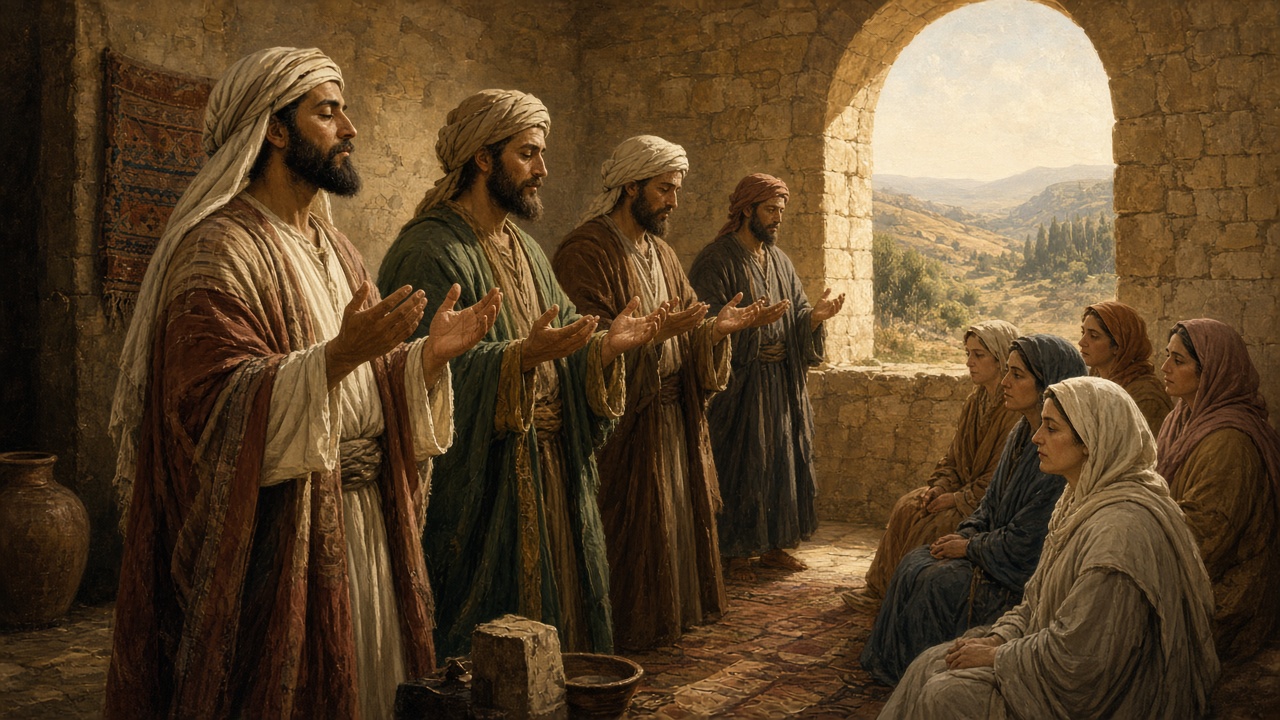
- Este capítulo exhorta a que se ofrezcan peticiones, oraciones, intercesiones y acciones de gracias por todas las personas, incluidos los reyes y todos los que están en autoridad, para que los creyentes puedan llevar una vida tranquila y sosegada, con toda piedad y dignidad. También dice que hay un solo Dios y un solo mediador entre Dios y los hombres, el hombre Cristo Jesús, que se entregó como rescate por todos.Fuentes: el propio texto bíblico
- Cuando la carta dice que Adán fue formado primero, y después Eva, apela al primer hombre del Génesis. El Easton's Bible Dictionary (1897) explica que Adán es una palabra babilónica que significa 'rojo', el nombre genérico de hombre, con el mismo sentido en hebreo y en asirio, y que fue formado del polvo de la tierra.Fuentes: el propio texto bíblico · Adam
- La carta dice que no fue Adán quien fue engañado, sino la mujer, que fue engañada y cayó en transgresión. El Easton's Bible Dictionary (1897) dice que Eva significa 'vida' o 'viviente', el nombre que Adán dio a su esposa, y que el relato de su creación se encuentra en Génesis 2:21-22.Fuentes: el propio texto bíblico · Eve
Notas escritas con ayuda de IA a partir de fuentes abiertas (Theographic Bible Metadata, CC BY-SA 4.0; Easton’s Bible Dictionary, dominio público) y revisadas antes de publicarse.
Créditos y licencia de esta traducción
Sahidica - طبعة جديدة من العهد الجديد باللغة القبطية الصعيدية
Sahidica - A New Edition of the New Testament in Sahidic Coptic
copyright © 2000-2006 J Warren Wells
Language: ⲘⲉⲧⲢⲉⲙ̀ⲛⲭⲏⲙⲓ (Coptic)
Dialect: Sahidic
Translation by: J Warren Wells
Coptic: Sahidic NT "Sahidica - A New Edition of the New Testament in Sahidic Coptic"
Copyright (c)2000-2006 by J Warren Wells. All rights reserved.
For more information visit www.sahidica.org .
This edition is available free of charge for use in free electronic
editions of the New Testament as long as the full title and copyright
information are included and credited. For written permission to use
all or any part of this document in print editions, contact the editor
at www.sahidica.org .
This edition is primarily meant for use by teachers and students of
Sahidic Coptic, and to a lesser degree by Coptologists involved in
scholarly research, textual criticism, or New Testament translation.
PURPOSE
Please note: This text is a work in progress. As such, there
is an ongoing effort to standardize the spelling of words in
the text. Be aware that version updates periodically appear.
The primary purpose is to produce a standardized edition of
the Sahidic NT similar to standard Greek editions.
An additional purpose of this text is to allow side-by-side
comparison with the Greek New Testament. To facilitate this
effort, a new version of the Greek text has been developed,
which is meant to better represent the Greek text upon which
the Sahidic was based. This text is entitled "The New Testament
According to the Egyptian Greek Text" [NTAEG]
This text does not include representation of either accents or
supralinear strokes, since these are used inconsistently in the
original texts. There is also a higher degree of standardization
in spelling and punctuation; like today's standard Greek master
texts, but unlike both the original Sahidic texts, and the PHI
and Coptic Society texts. Moreover, as in standard Greek texts,
instances of the Nomina Sacra have been expanded to their full
forms. This is again a departure from earlier versions of the
Sahidic, including the PHI and Coptic Society texts, which are
Both inconsistent in their usage.
Special thanks to David Brakke of Indiana University Bloomington,
Brigitte Comparini of the Packard Humanities Institute, and
Michael Heiser, Academic Editor, at Logos Research Systems; for
their assistance in making this edition possible.
BASIS
Sahidica was initially based (by permission) on the Coptic New Testament,
which is an electronic publication, which was edited by David Brakke.
(PHI-CD 5.3 dated 7/2/91. Los Altos. Packard Humanities Institute. 1991).
During later development, Sahidica was electronically collated against
the Coptic CD I by the St. Shenouda The Archmandrite Coptic Society.
Los Angeles, CA dated April, 1998.
These two editions were reduced to a raw electronic form, which allowed both
to be compared electronically letter by letter with Sahidica in order to
accurately detect and report every single variation and input error in any
of the texts. Though errors are inevitable, the collators of three seperate
editions are highly unlikely to make the same errors. Therefore, this method
helps to insure the integrity of the Sahidica edition.
Throughout the project, Sahidica was also collated against printed editions
of the following coptic manuscripts, which manuscripts date from the third
century and later.
Matt: Pierpont Morgan Library M-569 collated against Bodmer XIX papyrus
Mark:* PPalau Rib. Inv.Nr.182 collated against Pierpont Morgan Library M-569
Luke: PPalau Rib. Inv.Nr.181 collated against Pierpont Morgan Library M-569
John: PPalau Rib. Inv.Nr.183 collated against Pierpont Morgan Library M-569
Acts: Chester Beatty B (Copt.Ms.814) collated against Berlin P.15926 and British Museum MS Or.7594
Paul: Chester Beatty A (Copt.Ms.813) collated against Pierpont Morgan Library M-570 and M-571
James-Jude:** Pierpont Morgan Library M-572 collated against the Pierpont Morgan Library M-573 and M-601***
Revelation: Berlin MS Or.408 ( British Museum Ms Or.3518) collated against British Museum MS Or.6803
* Note: The longer and shorter endings of Mark are based on Horner; cf Kahle (JTS.1951.p49-57)
** Note: 1st Peter was also collated against the Crosby-Schøyen Ms.193.
*** Note: Portions of James and Jude were reconstructed from M-573, M-601, and four other mss.
Note on Interpolations
The short and long endings of Mark are ommited from the PPalau ms 182, but they do appear in most mss.
To better represent the overall Sahidic tradition, both endings are included, but in double brackets.
The pericope of the adultress (John 7:53-8:11) does not appear in any Sahidic ms. Herein it is omitted.
2014-09-16
Fuente: http://ebible.org/copshc/ · eBible.org