1 Juan 3
Sahidica - طبعة جديدة من العهد الجديد باللغة القبطية الصعيدية · Toca un versículo para ver sus referencias cruzadas.
1ⲀⲚⲚⲀⲨ ϪⲈ ⲞⲨⲀϢ ⲚϬⲞⲦ ⲦⲈ ⲦⲀⲄⲀⲠⲎ ⲚⲦⲀⲠⲈⲒⲰⲦ ⲦⲀⲀⲤ ⲚⲀⲚ ϪⲈⲔⲀⲀⲤ ⲈⲨⲈⲘⲞⲨⲦⲈ ⲈⲢⲞⲚ ϪⲈ ⲚⲚⲈϢⲎⲢⲈ ⲘⲠⲚⲞⲨⲦⲈ ⲀⲨⲰ ⲀⲚⲞⲚ ⲠⲈ ⲈⲦⲂⲈ ⲠⲀⲒ ⲘⲠⲔⲞⲤⲘⲞⲤ ⲤⲞⲞⲨⲚ ⲘⲘⲞⲚ ⲀⲚ ϪⲈ ⲘⲠⲈϤⲤⲞⲨⲰⲚϤ. 2ⲚⲀⲘⲈⲢⲀⲦⲈ ⲦⲈⲚⲞⲨ ⲀⲚⲞⲚ ⲚⲈϢⲎⲢⲈ ⲘⲠⲚⲞⲨⲦⲈ ⲀⲨⲰ ⲘⲠⲀⲦϤⲞⲨⲰⲚϨ ⲈⲂⲞⲖ ϪⲈ ⲚⲚⲀⲢ ⲀϢ ⲈⲚϨⲈ ⲦⲈⲦⲚⲤⲞⲞⲨⲚ ϪⲈ ⲈϤϢⲀⲚⲞⲨⲰⲚϨ ⲈⲂⲞⲖ ⲦⲈⲚⲚⲀϢⲰⲠⲈ ⲈⲚⲈⲒⲚⲈ ⲘⲘⲞϤ ϪⲈ ⲦⲚⲚⲀⲨ ⲈⲢⲞϤ ⲔⲀⲦⲀ ⲐⲈ ⲈⲦϤϢⲞⲞⲠ ⲚϨⲎⲦⲤ 3ⲀⲨⲰ ⲞⲨⲞⲚ ⲚⲒⲘ ⲈⲦⲈ ⲨⲚⲦⲀϤ ⲘⲘⲞⲞⲨ ⲚⲦⲈⲒϨⲈⲖⲠⲒⲤ ϢⲀϤⲦⲂⲂⲞϤ ⲈϨⲢⲀⲒ ⲈϪⲰϤ ⲔⲀⲦⲀ ⲐⲈ ⲈⲦⲈⲢⲈⲠⲎ ⲞⲨⲀⲀⲂ ⲘⲘⲞⲤ 4ⲞⲨⲞⲚ ⲚⲒⲘ ⲈⲦⲈⲒⲢⲈ ⲘⲠⲚⲞⲂⲈ ϤⲈⲒⲢⲈ ⲞⲚ ⲚⲦⲔⲈⲀⲚⲞⲘⲒⲀ ⲀⲨⲰ ⲠⲚⲞⲂⲈ ⲠⲈ ⲦⲀⲚⲞⲘⲒⲀ 5ⲀⲨⲰ ⲦⲚⲤⲞⲞⲨⲚ ϪⲈ ⲚⲦⲀⲠⲈⲦⲘⲘⲀⲨ ⲞⲨⲰⲚϨ ⲈⲂⲞⲖ ϪⲈⲔⲀⲀⲤ ⲈϤϤⲈϤⲈⲒ ⲚⲚⲈⲚⲞⲂⲈ ⲀⲨⲰ ⲘⲘ ⲚⲞⲂⲈ ϢⲞⲞⲠ ϨⲢⲀⲒ ⲚϨⲎⲦϤ 6ⲞⲨⲞⲚ ⲚⲒⲘ ⲈⲦϢⲞⲞⲠ ϨⲢⲀⲒ ⲚϨⲎⲦϤ ⲘⲈϤⲢ ⲚⲞⲂⲈ ⲞⲨⲞⲚ ⲚⲒⲘ ⲈⲦⲈⲢ ⲚⲞⲂⲈ ⲘⲠⲈϤⲚⲀⲨ ⲈⲢⲞϤ ⲞⲨⲆⲈ ⲘⲠⲈϤⲤⲞⲨⲰⲚϤ 7ⲚⲀϢⲎⲢⲈ ⲘⲠⲈⲢⲦⲈⲢⲈⲖⲀⲀⲨ ⲠⲖⲀⲚⲀ ⲘⲘⲰⲦⲚ ⲠⲈⲦⲈⲢⲈ ⲚⲆⲒⲔⲀⲒⲞⲤⲨⲚⲎ ⲞⲨⲆⲒⲔⲀⲒⲞⲤ ⲠⲈ ⲔⲀⲦⲀ ⲐⲈ ⲘⲠⲈⲦⲘⲘⲀⲨ ⲈⲨⲆⲒⲔⲀⲒⲞⲤ ⲠⲈ. 8ⲠⲈⲦⲈⲒⲢⲈ ⲘⲠⲚⲞⲂⲈ ⲞⲨⲈⲂⲞⲖ ϨⲘ ⲠⲆⲒⲀⲂⲞⲖⲞⲤ ⲠⲈ ϪⲈ ϪⲒⲚ ⲦⲈϨⲞⲨⲈⲒⲦⲈ ⲠⲆⲒⲀⲂⲞⲖⲞⲤ ⲈⲢ ⲚⲞⲂⲈ ⲈⲦⲂⲈ ⲠⲀⲒ ⲀⲠϢⲎⲢⲈ ⲘⲠⲚⲞⲨⲦⲈ ⲞⲨⲰⲚϨ ⲈⲂⲞⲖ ϪⲈⲔⲀⲀⲤ ⲈϤⲈⲂⲰⲖ ⲈⲂⲞⲖ ⲚⲚⲈϨⲂⲎⲨⲈ ⲘⲠⲆⲒⲀⲂⲞⲖⲞⲤ 9ⲞⲨⲞⲚ ⲚⲒⲘ ⲚⲦⲀⲨϪⲠⲞϤ ⲈⲂⲞⲖ ϨⲘ ⲠⲚⲞⲨⲦⲈ ⲘⲈϤⲢ ⲚⲞⲂⲈ ϪⲈ ⲠⲈϤⲤⲠⲈⲢⲘⲀ ϢⲞⲞⲠ ϨⲢⲀⲒ ⲚϨⲎⲦϤ ⲀⲨⲰ ⲘⲚ Ϣ ϬⲞⲘ ⲘⲘⲞϤ ⲈⲢ ⲚⲞⲂⲈ ϪⲈ ⲚⲦⲀⲨϪⲠⲞϤ ⲈⲂⲞⲖ ϨⲘ ⲠⲚⲞⲨⲦⲈ 10ϨⲘ ⲠⲀⲒ ⲤⲈⲞⲨⲞⲚϨ ⲈⲂⲞⲖ ⲚϬⲒ ⲚⲚⲈϢⲎⲢⲈ ⲘⲠⲚⲞⲨⲦⲈ ⲘⲚ ⲚⲈϢⲎⲢⲈ ⲘⲠⲆⲒⲀⲂⲞⲖⲞⲤ ⲞⲨⲞⲚ ⲚⲒⲘ ⲈⲦⲈ ⲚⲞⲨⲆⲒⲔⲀⲒⲞⲤ ⲀⲚ ⲠⲈ ⲚⲞⲨⲂⲞⲖ ⲀⲚ ⲠⲈ ϨⲘ ⲠⲚⲞⲨⲦⲈ ⲀⲨⲰ ⲠⲈⲦⲈ ⲚϤⲘⲈ ⲀⲚ ⲘⲠⲈϤⲤⲞⲚ 11ϪⲈ ⲠⲀⲒ ⲠⲈ ⲠⲈⲢⲎⲦ ⲚⲦⲀⲚⲤⲰⲦⲘ ⲈⲢⲞϤ ϪⲒⲚ ϢⲞⲢⲠ ϪⲈⲔⲀⲀⲤ ⲈⲚⲀⲘⲈⲢⲈ ⲚⲈⲚⲈⲢⲎⲨ 12ⲔⲀⲦⲀ ⲐⲈ ⲀⲚ ⲚⲔⲀⲒⲚ ⲈⲞⲨⲈⲂⲞⲖ ϨⲘ ⲠⲠⲞⲚⲎⲢⲞⲤ ⲠⲈ ⲚⲦⲀϤⲔⲰⲚⲤ ⲠⲈϤⲤⲞⲚ ⲀⲨⲰ ⲈⲦⲂⲈ ⲞⲨ ⲀϤⲔⲞⲚⲤϤ ⲈⲂⲞⲖ ϪⲈ ⲚⲈϤϨⲂⲎⲨⲈ ϨⲈⲚⲠⲞⲚⲎⲢⲞⲚ ⲚⲈϨⲂⲎⲨⲈ ⲆⲈ ⲘⲠⲈϤⲤⲞⲚ ϨⲈⲚⲆⲒⲔⲀⲒⲞⲚ ⲚⲈ 13ⲘⲠⲢⲢ ϢⲠⲎⲢⲈ ⲚⲀⲤⲚⲎⲨ ϪⲈ ⲠⲔⲞⲤⲘⲞⲤ ⲘⲞⲤⲦⲈ ⲘⲘⲞⲚ 14ⲀⲚⲞⲚ ⲦⲚⲤⲞⲞⲨⲚ ϪⲈ ⲀⲚⲠⲰⲰⲚⲈ ⲈⲂⲞⲖ ϨⲘ ⲠⲘⲞⲨ ⲈϨⲞⲨⲚ ⲈⲠⲰⲚϨ ϪⲈ ⲦⲈⲚⲘⲈ ⲚⲚⲈⲚⲤⲚⲎⲨ ⲠⲈⲦⲈ ⲚϤⲘⲈ ⲀⲚ ϤϢⲞⲞⲠ ϨⲢⲀⲒ ϨⲘ ⲠⲘⲞⲨ 15ⲞⲨⲞⲚ ⲆⲈ ⲚⲒⲘ ⲈⲦⲘⲞⲤⲦⲈ ⲘⲠⲈϤⲤⲞⲚ ⲞⲨⲢⲈϤϨⲈⲦⲂ ⲢⲰⲘⲈ ⲠⲈ ⲀⲨⲰ ⲦⲈⲦⲚⲤⲞⲞⲨⲚ ϪⲈ ⲢⲈϤϨⲈⲦⲂ ⲢⲰⲘⲈ ⲚⲒⲘ ⲘⲚⲦϤ ⲘⲘⲀⲨ ⲘⲠⲰⲚϨ ⲚϢⲀ ⲈⲚⲈϨ ⲈϤϢⲞⲞⲠ ϨⲢⲀⲒ ⲚϨⲎⲦϤ 16ϨⲘ ⲠⲀⲒ ⲀⲚⲈⲒⲘⲈ ⲈⲦⲀⲄⲀⲠⲎ ϪⲈ ⲠⲈⲦⲘⲘⲀⲨ ⲠⲈⲚⲦⲀϤⲔⲰ ⲚⲦⲈϤⲮⲨⲬⲎ ϨⲀⲢⲞⲚ ⲀⲚⲞⲚ ⲆⲈ ϨⲰⲰⲚ ϢϢⲈ ⲈⲢⲞⲚ ⲈⲔⲰ ⲚⲚⲘⲮⲨⲬⲎ ϨⲀ ⲚⲈⲚⲤⲚⲎⲨ 17ⲠⲈⲦⲈ ⲞⲨⲚⲦⲀϤ ⲘⲘⲀⲨ ⲘⲠⲂⲒⲞⲤ ⲘⲠⲈⲒⲔⲞⲤⲘⲞⲤ ⲚϤⲚⲀⲨ ⲈⲠⲈϤⲤⲞⲚ ⲈϤⲢϬⲢⲞϨ ⲚϤⲦⲘϢⲚ ϨⲦⲎϤ ⲈϨⲢⲀⲒ ⲈϪⲰϤ ⲚⲀϢ ⲈⲚϨⲈ ⲦⲀⲄⲀⲠⲎ ⲘⲠⲚⲞⲨⲦⲈ ϢⲞⲞⲠ ϨⲢⲀⲒ ⲚϨⲎⲦϤ. 18ⲚⲀϢⲎⲢⲈ ⲘⲠⲈⲢⲦⲈⲢⲈⲚⲘⲈ ϨⲘ ⲠϢⲀϪⲈ ⲞⲨⲆⲈ ϨⲘ ⲠⲖⲀⲤ ⲀⲖⲖⲀ ϨⲘ ⲠϨⲰⲂ ⲘⲚ ⲦⲘⲈ 19ⲀⲨⲰ ϨⲘ ⲠⲀⲒ ⲦⲈⲚⲚⲀⲈⲒⲘⲈ ϪⲈ ⲀⲚⲞⲚ ϨⲈⲚⲂⲞⲖ ⲎⲚ ⲦⲘⲈ ⲀⲨⲰ ⲦⲚⲚⲀⲠⲈⲒⲐⲈ ⲘⲠⲈⲚϨⲎⲦ ⲘⲠⲈϤⲘⲦⲞ ⲈⲂⲞⲖ 20ϪⲈ ⲈⲢϢⲀⲚⲠⲈⲚϨⲎⲦ ϬⲈⲚⲚ ⲀⲢⲒⲔⲈ ⲈⲢⲞⲚ ⲠⲚⲞⲨⲦⲈ Ⲟ ⲚⲚⲞϬ ⲈⲠⲈⲚϨⲎⲦ ⲀⲨⲰ ϤⲤⲞⲞⲨⲚ ⲚϨⲰⲂ ⲚⲒⲘ 21ⲚⲀⲘⲈⲢⲀⲦⲈ ⲈⲢⲦⲘⲠⲈⲚϨⲎⲦ ϬⲈⲚⲚ ⲀⲢⲒⲔⲈ ⲈⲢⲞⲚ ⲞⲨⲚⲦⲀⲚ ⲘⲘⲞⲞⲨ ⲚⲞⲨⲠⲀⲢⲢⲎⲤⲒⲀ ⲚⲀϨⲢⲘ ⲠⲚⲞⲨⲦⲈ 22ⲀⲨⲰ ⲠⲈⲦⲚⲀⲀⲒⲦⲈⲒ ⲘⲘⲞϤ ⲦⲚⲚⲀϪⲒⲦϤ ⲈⲂⲞⲖ ϨⲒⲦⲞⲞⲦϤ ϪⲈ ⲦⲚϨⲀⲢⲈϨ ⲚⲚⲈϤⲈⲚⲦⲞⲖⲎ ⲀⲨⲰ ⲦⲈⲚⲈⲒⲢⲈ ⲘⲠⲈⲦⲈⲢ ⲀⲚⲀϤ ⲘⲠⲈϤⲘⲦⲞ ⲈⲂⲞⲖ 23ⲀⲨⲰ ⲦⲀⲒ ⲦⲈ ⲦⲈϤⲈⲚⲦⲞⲖⲎ ϪⲈⲔⲀⲀⲤ ⲈⲚⲀⲠⲒⲤⲦⲈⲨⲈ ⲈⲠⲢⲀⲚ ⲘⲠⲈϤϢⲎⲢⲈ ⲒⲎⲤⲞⲨⲤ ⲠⲈⲬⲢⲒⲤⲦⲞⲤ ⲀⲨⲰ ⲦⲈⲚⲘⲈⲢⲒ ⲚⲈⲚⲈⲢⲎⲨ ⲔⲀⲦⲀ ⲐⲈ ⲚⲦⲀϤϨⲰⲚ ⲈⲦⲞⲞⲦⲚ 24ⲀⲨⲰ ⲠⲈⲦⲚⲀϨⲀⲢⲈϨ ⲚⲚⲈϤⲈⲚⲦⲞⲖⲎ ϤϢⲞⲞⲠ ϨⲢⲀⲒ ⲚϨⲎⲦϤ ⲀⲨⲰ ⲚⲦⲀϤ ϨⲰⲰϤ ϤⲞⲨⲎϨ ⲈϨⲢⲀⲒ ⲚϨⲎⲦϤ ϨⲘ ⲠⲀⲒ ⲦⲈⲚⲈⲒⲘⲈ ϪⲈ ϤϢⲞⲞⲠ ϨⲢⲀⲒ ⲚϨⲎⲦⲚ ⲈⲂⲞⲖ ϨⲘ ⲠⲈⲠⲚⲈⲨⲘⲀ ⲚⲦⲀϤⲦⲀⲀϤ ⲚⲀⲚ.
¿Sabías que…?
Hijos de Dios y amor fraterno
- La advertencia de no ser como Caín recuerda al primogénito de Adán y Eva, labrador de la tierra, cuyo hermano Abel seguía la vida pastoral. Ellos presentaron ofrendas: la de Abel, de los primogénitos y de la grasa del rebaño, fue aceptada como más excelente, y Caín, cuya ofrenda era del fruto de la tierra, se enfureció mucho. La carta dice que Caín era del maligno y asesinó a Abel porque sus propias obras eran malas y las de su hermano eran justas.Fuentes: Cain · el propio texto bíblico
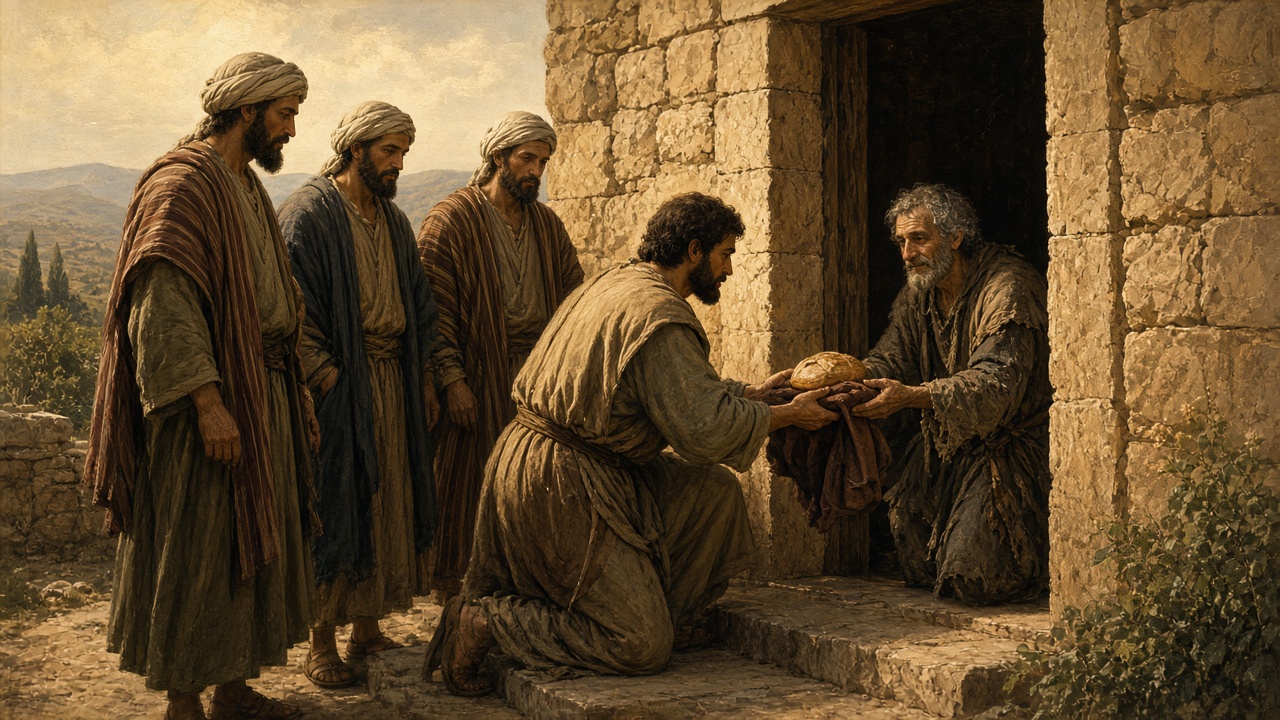
- En este capítulo, odiar al hermano se trata como homicidio: todo el que odia a su hermano es un homicida, y la vida eterna no reside en un homicida. El amor se conoce porque Jesús entregó su vida por nosotros, y se dice a los lectores que deben entregar la vida por sus hermanos.Fuentes: el propio texto bíblico
- Los hijos de Dios se distinguen de los hijos del diablo por practicar la justicia y por amar al hermano. El mensaje oído desde el principio es que debemos amarnos unos a otros, y el mandamiento de Dios es creer en el nombre de su Hijo, Jesucristo, y amarnos unos a otros como él mandó.Fuentes: el propio texto bíblico
Notas escritas con ayuda de IA a partir de fuentes abiertas (Theographic Bible Metadata, CC BY-SA 4.0; Easton’s Bible Dictionary, dominio público) y revisadas antes de publicarse.
Créditos y licencia de esta traducción
Sahidica - طبعة جديدة من العهد الجديد باللغة القبطية الصعيدية
Sahidica - A New Edition of the New Testament in Sahidic Coptic
copyright © 2000-2006 J Warren Wells
Language: ⲘⲉⲧⲢⲉⲙ̀ⲛⲭⲏⲙⲓ (Coptic)
Dialect: Sahidic
Translation by: J Warren Wells
Coptic: Sahidic NT "Sahidica - A New Edition of the New Testament in Sahidic Coptic"
Copyright (c)2000-2006 by J Warren Wells. All rights reserved.
For more information visit www.sahidica.org .
This edition is available free of charge for use in free electronic
editions of the New Testament as long as the full title and copyright
information are included and credited. For written permission to use
all or any part of this document in print editions, contact the editor
at www.sahidica.org .
This edition is primarily meant for use by teachers and students of
Sahidic Coptic, and to a lesser degree by Coptologists involved in
scholarly research, textual criticism, or New Testament translation.
PURPOSE
Please note: This text is a work in progress. As such, there
is an ongoing effort to standardize the spelling of words in
the text. Be aware that version updates periodically appear.
The primary purpose is to produce a standardized edition of
the Sahidic NT similar to standard Greek editions.
An additional purpose of this text is to allow side-by-side
comparison with the Greek New Testament. To facilitate this
effort, a new version of the Greek text has been developed,
which is meant to better represent the Greek text upon which
the Sahidic was based. This text is entitled "The New Testament
According to the Egyptian Greek Text" [NTAEG]
This text does not include representation of either accents or
supralinear strokes, since these are used inconsistently in the
original texts. There is also a higher degree of standardization
in spelling and punctuation; like today's standard Greek master
texts, but unlike both the original Sahidic texts, and the PHI
and Coptic Society texts. Moreover, as in standard Greek texts,
instances of the Nomina Sacra have been expanded to their full
forms. This is again a departure from earlier versions of the
Sahidic, including the PHI and Coptic Society texts, which are
Both inconsistent in their usage.
Special thanks to David Brakke of Indiana University Bloomington,
Brigitte Comparini of the Packard Humanities Institute, and
Michael Heiser, Academic Editor, at Logos Research Systems; for
their assistance in making this edition possible.
BASIS
Sahidica was initially based (by permission) on the Coptic New Testament,
which is an electronic publication, which was edited by David Brakke.
(PHI-CD 5.3 dated 7/2/91. Los Altos. Packard Humanities Institute. 1991).
During later development, Sahidica was electronically collated against
the Coptic CD I by the St. Shenouda The Archmandrite Coptic Society.
Los Angeles, CA dated April, 1998.
These two editions were reduced to a raw electronic form, which allowed both
to be compared electronically letter by letter with Sahidica in order to
accurately detect and report every single variation and input error in any
of the texts. Though errors are inevitable, the collators of three seperate
editions are highly unlikely to make the same errors. Therefore, this method
helps to insure the integrity of the Sahidica edition.
Throughout the project, Sahidica was also collated against printed editions
of the following coptic manuscripts, which manuscripts date from the third
century and later.
Matt: Pierpont Morgan Library M-569 collated against Bodmer XIX papyrus
Mark:* PPalau Rib. Inv.Nr.182 collated against Pierpont Morgan Library M-569
Luke: PPalau Rib. Inv.Nr.181 collated against Pierpont Morgan Library M-569
John: PPalau Rib. Inv.Nr.183 collated against Pierpont Morgan Library M-569
Acts: Chester Beatty B (Copt.Ms.814) collated against Berlin P.15926 and British Museum MS Or.7594
Paul: Chester Beatty A (Copt.Ms.813) collated against Pierpont Morgan Library M-570 and M-571
James-Jude:** Pierpont Morgan Library M-572 collated against the Pierpont Morgan Library M-573 and M-601***
Revelation: Berlin MS Or.408 ( British Museum Ms Or.3518) collated against British Museum MS Or.6803
* Note: The longer and shorter endings of Mark are based on Horner; cf Kahle (JTS.1951.p49-57)
** Note: 1st Peter was also collated against the Crosby-Schøyen Ms.193.
*** Note: Portions of James and Jude were reconstructed from M-573, M-601, and four other mss.
Note on Interpolations
The short and long endings of Mark are ommited from the PPalau ms 182, but they do appear in most mss.
To better represent the overall Sahidic tradition, both endings are included, but in double brackets.
The pericope of the adultress (John 7:53-8:11) does not appear in any Sahidic ms. Herein it is omitted.
2014-09-16
Fuente: http://ebible.org/copshc/ · eBible.org