1 Corintios 2
Sahidica - طبعة جديدة من العهد الجديد باللغة القبطية الصعيدية · Toca un versículo para ver sus referencias cruzadas.
1ⲀⲚⲞⲔ ⲆⲈ ϨⲰ ⲚⲦⲈⲢⲒⲈⲒ ϢⲀⲢⲰⲦⲚ ⲚⲀⲤⲚⲎⲨ ⲚⲦⲀⲒⲈⲒ ϨⲚ ⲞⲨϪⲒⲤⲈ ⲀⲚ ⲚϢⲀϪⲈ ⲎⲚⲤⲞⲪⲒⲀ ⲈⲒϪⲰ ⲈⲢⲰⲦⲚ ⲚⲦⲘⲚⲦⲘⲚⲦⲢⲈ ⲘⲠⲚⲞⲨⲦⲈ. 2ⲘⲠⲒⲘⲈⲈⲨⲈ ⲄⲀⲢ ϪⲈ ϮⲤⲞⲞⲨⲚ ⲚⲖⲀⲀⲨ ⲚϨⲎⲦ ⲦⲎⲨⲦⲚ ⲚⲤⲀⲒⲎⲤⲞⲨⲤ ⲠⲈⲬⲢⲒⲤⲦⲞⲤ ⲀⲨⲰ ⲠⲀⲒ ⲈⲀⲨⲤⲦⲀⲨⲢⲞⲨ ⲘⲘⲞϤ. 3ⲀⲚⲞⲔ ϨⲰ ⲚⲦⲀⲒⲈⲒ ϢⲀⲢⲰⲦⲚ ϨⲚ ⲞⲨⲘⲚⲦϬⲰⲂ. ⲘⲚ ⲞⲨϨⲞⲦⲈ. ⲘⲚ ⲞⲨⲤⲦⲰⲦ ⲈⲚⲀϢⲰϤ. 4ⲀⲨⲰ ⲠⲀϢⲀϪⲈ ⲘⲚ ⲠⲀⲦⲀϢⲈⲞⲈⲒϢ ⲚⲦⲀϤϢⲰⲠⲈ ⲀⲚ ϨⲚ ⲞⲨⲠⲒⲐⲈ ⲚⲤⲞⲪⲒⲀ ⲚϢⲀϪⲈ. ⲀⲖⲖⲀ ϨⲚ ⲞⲨⲞⲨⲰⲚϨ ⲈⲂⲞⲖ ⲘⲠⲚⲈⲨⲘⲀ ϨⲒ ϬⲞⲘ. 5ϪⲈⲔⲀⲀⲤ ⲈⲚⲚⲈⲦⲚⲠⲒⲤⲦⲒⲤ ϢⲰⲠⲈ ϨⲚ ⲞⲨⲠⲒ ⲐⲈ ⲚⲤⲞⲪⲒⲀ ⲚⲢⲰⲘⲈ ⲀⲖⲖⲀ ϨⲚ ⲞⲨϬⲞⲘ ⲚⲦⲈ ⲠⲚⲞⲨⲦⲈ. 6ⲈⲚϢⲀϪⲈ ⲆⲈ ⲚⲞⲨⲤⲞⲪⲒⲀ ϨⲚ ⲚⲦⲈⲖⲈⲒⲞⲤ ⲞⲨⲤⲞⲪⲒⲀ ⲆⲈ ⲈⲚⲦⲀ ⲠⲈⲒⲀⲒⲰⲚ ⲀⲚ ⲦⲈ ⲞⲨⲆⲈ ⲚⲦⲀ ⲚⲀⲢⲬⲰⲚ ⲀⲚ ⲦⲈ ⲘⲠⲈⲒⲀⲒⲰⲚ ⲚⲀⲒ ⲈⲦⲚⲀⲞⲨⲰⲤϤ. 7ⲀⲖⲖⲀ ⲈⲚϢⲀϪⲈ ⲚⲞⲨⲤⲞⲪⲒⲀ ⲚⲦⲈ ⲠⲚⲞⲨⲦⲈ ϨⲚ ⲞⲨⲘⲨⲤⲦⲎⲢⲒⲞⲚ. ⲦⲀⲒ ⲈⲦϨⲎⲠ ⲦⲈⲚⲦⲀ ⲠⲚⲞⲨⲦⲈ ⲠⲞⲢϪⲤ ⲈⲂⲞⲖ ϨⲀⲐⲎ ⲚⲚⲀⲒⲰⲚ ⲈⲠⲈⲚⲈⲞⲞⲨ. 8ⲦⲀⲒ ⲈⲦⲈⲘⲠⲈ ⲖⲀⲀⲨ ⲚⲀⲢⲬⲰⲚ ⲚⲦⲈ ⲠⲈⲒⲀⲒⲰⲚ ⲤⲞⲨⲰⲚⲤ. ⲈⲚⲈⲚⲦⲀⲨⲤⲞⲨⲰⲚⲤ ⲄⲀⲢ ⲚⲈⲨⲚⲀⲤⲦⲀⲨⲢⲞⲨ ⲀⲚ ⲠⲈ ⲘⲠϪⲞⲈⲒⲤ ⲘⲠⲈⲞⲞⲨ. 9ⲀⲖⲖⲀ ⲔⲀⲦⲀ ⲐⲈ ⲈⲦⲤⲎϨ ϪⲈ ⲚⲈⲦⲈ ⲘⲠⲈ ⲂⲀⲖ ⲚⲀⲨ ⲈⲢⲞⲞⲨ. ⲚⲈⲦⲈ ⲘⲠⲈ ⲘⲀⲀϪⲈ ⲤⲞⲦⲘⲞⲨ. ⲚⲈⲦⲈ ⲘⲠⲞⲨⲀⲖⲈ ⲈϨⲢⲀⲒ ⲈϪⲘ ⲠϨⲎⲦ ⲚⲢⲰⲘⲈ ⲚⲀⲒ ⲈⲚⲦⲀ ⲠⲚⲞⲨⲦⲈ ⲤⲂⲦⲰⲦⲞⲨ ⲚⲚⲈⲦⲘⲈ ⲘⲘⲞϤ. 10ⲀⲠⲚⲞⲨⲦⲈ ⲄⲀⲢ ϬⲞⲖⲠⲞⲨ ⲚⲀⲚ ⲈⲂⲞⲖ ϨⲒⲦⲘ ⲠⲈⲠⲚⲈⲨⲘⲀ. ⲠⲈⲠⲚⲈⲨⲘⲀ ⲄⲀⲢ ϨⲞⲦϨⲦ ⲚⲚⲔⲀ ⲚⲒⲘ ⲀⲨⲰ ⲚⲈⲐⲎⲠ ⲚⲦⲈ ⲠⲚⲞⲨⲦⲈ. 11ⲚⲒⲘ ⲄⲀⲢ ⲚⲢⲰⲘⲈ ⲠⲈⲦⲤⲞⲞⲨⲚ ⲚⲚⲀ ⲠⲢⲰⲘⲈ ⲈⲒⲘⲎⲦⲒ ⲠⲈⲠⲚⲈⲨⲘⲀ ⲘⲠⲢⲰⲘⲈ ⲈⲦⲚϨⲎⲦϤ. ⲦⲀⲒ ⲞⲚ ⲦⲈ ⲐⲈ ⲚⲚⲀ ⲠⲚⲞⲨⲦⲈ ⲘⲠⲈ ⲖⲀⲀⲨ ⲤⲞⲨⲰⲚⲞⲨ ⲚⲤⲀ ⲠⲈⲠⲚⲈⲨⲘⲀ ⲘⲠⲚⲞⲨⲦⲈ. 12ⲀⲚⲞⲚ ⲆⲈ ⲚⲦⲀⲚϪⲒ ⲀⲚ ⲘⲠⲈⲠⲚⲈⲨⲘⲀ ⲘⲠⲈⲈⲒⲔⲞⲤⲘⲞⲤ. ⲀⲖⲖⲀ ⲠⲈⲠⲚⲈⲨⲘⲀ ⲠⲈⲂⲞⲖ ⲘⲠⲚⲞⲨⲦⲈ. ϪⲈⲔⲀⲀⲤ ⲈⲚⲈⲈⲒⲘⲈ ⲈⲚⲈⲚⲦⲀ ⲠⲚⲞⲨⲦⲈ ⲬⲀⲢⲒⲌⲈ ⲘⲘⲞⲞⲨ ⲚⲀⲚ. 13ⲈⲦⲈ ⲚⲀⲒ ⲚⲈⲦⲚϢⲀϪⲈ ⲚϨⲎⲦⲞⲨ ϨⲚ ϨⲈⲚϢⲀϪⲈ ⲀⲚ ⲚϮⲤⲂⲰ ⲚⲤⲞⲪⲒⲀ ⲚⲢⲰⲘⲈ ⲀⲖⲖⲀ ϨⲚ ϨⲈⲚϮⲤⲂⲰ ⲘⲠⲚⲈⲨⲘⲀ ⲈⲚϢⲰⲚⲂ ⲚϨⲈⲚⲠⲚⲈⲨⲘⲀⲦⲒⲔⲞⲚ ⲈϨⲈⲚⲠⲚⲈⲨⲘⲀⲦⲒⲔⲞⲤ. 14ⲞⲨⲮⲨⲬⲒⲔⲞⲤ ⲆⲈ ⲚⲢⲰⲘⲈ ⲘⲈϤϢⲰⲠ ⲈⲢⲞϤ ⲚⲚⲀ ⲠⲈⲠⲚⲈⲨⲘⲀ ⲘⲠⲚⲞⲨⲦⲈ. ⲞⲨⲘⲚⲦⲤⲞϬ ⲄⲀⲢ ⲚⲀϤ ⲦⲈ. ⲀⲨⲰ ⲘⲚϬⲞⲘ ⲘⲘⲞϤ ⲈⲈⲒⲘⲈ ϪⲈ ⲤⲈⲀⲚⲀⲔⲢⲒⲚⲈ ⲘⲘⲞϤ ⲠⲚⲈⲨⲘⲀⲦⲒⲔⲰⲤ. 15ⲠⲈⲠⲚⲈⲨⲘⲀⲦⲒⲔⲞⲤ ⲆⲈ ϢⲀϤⲀⲚⲀⲔⲢⲒⲚⲈ ⲘⲈⲚ ⲚⲞⲨⲞⲚ ⲚⲒⲘ. ⲚⲦⲞϤ ⲆⲈ ⲘⲈⲢⲈ ⲖⲀⲀⲨ ⲀⲚⲀⲔⲢⲒⲚⲈ ⲘⲘⲞϤ. 16ⲚⲒⲘ ⲄⲀⲢ ⲠⲈⲚⲦⲀϤⲤⲞⲨⲚ ⲠϨⲎⲦ ⲘⲠϪⲞⲈⲒⲤ ⲠⲀⲒ ⲈⲦⲚⲀⲦⲤⲈⲂⲈⲈⲒⲀⲦϤ ⲈⲂⲞⲖ. ⲀⲚⲞⲚ ⲆⲈ ⲞⲨⲚⲦⲀⲚ ⲘⲘⲀⲨ ⲘⲠⲘⲈⲈⲨⲈ ⲘⲠⲈⲬⲢⲒⲤⲦⲞⲤ.
¿Sabías que…?
Cristo crucificado y la sabiduría del Espíritu
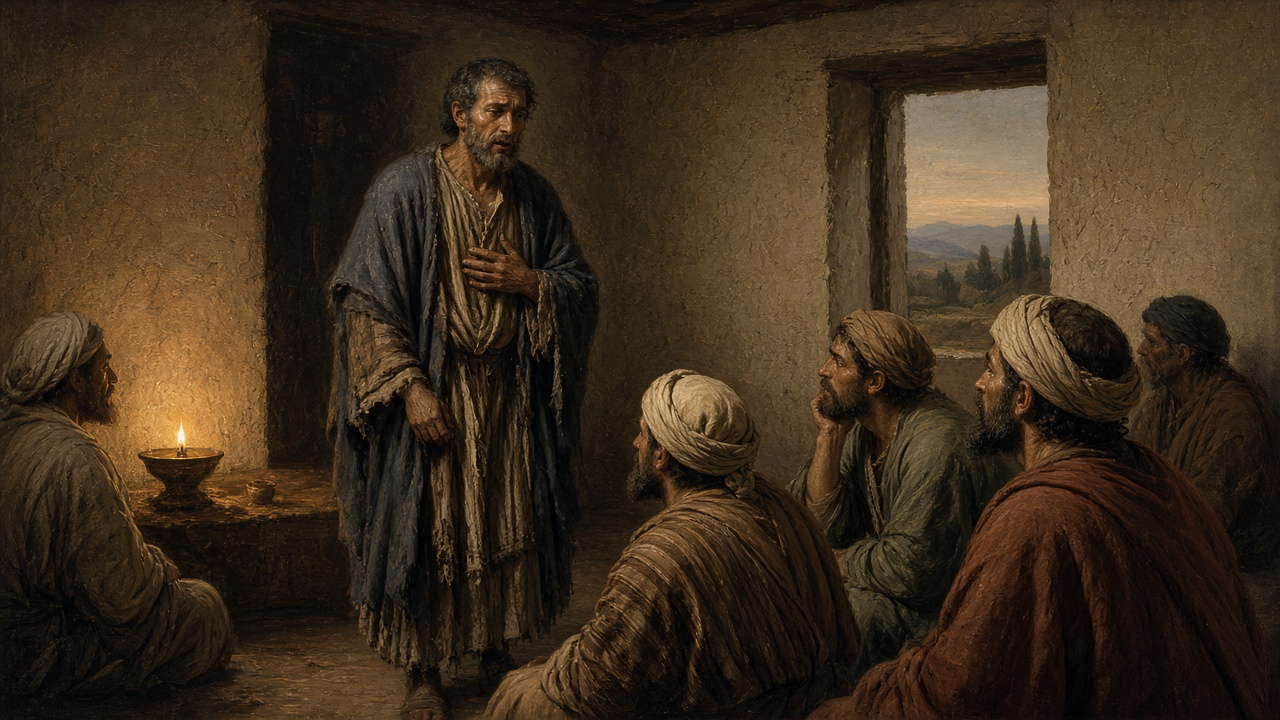
- Quien escribe dice que no vino con elocuencia ni con sabiduría al anunciar el testimonio de Dios. Había resuelto no saber nada mientras estaba con ellos, excepto a Jesucristo y a este crucificado, y vino en debilidad, temor y mucho temblor, para que la fe de ellos descansara en el poder de Dios y no en la sabiduría humana.Fuentes: el propio texto bíblico
- La sabiduría que se habla entre los maduros no es la sabiduría de este tiempo ni la de sus gobernantes, que van camino de la nada. Se la llama sabiduría misteriosa y escondida de Dios, destinada para la gloria antes del comienzo de los tiempos; esos gobernantes no la entendieron, pues de otro modo no habrían crucificado al Señor de la gloria.Fuentes: el propio texto bíblico
- El capítulo dice que Dios ha revelado por el Espíritu lo que está más allá de la vista, el oído y la imaginación humanos. Solo el propio espíritu de una persona conoce los pensamientos de ella, y solo el Espíritu de Dios conoce los pensamientos de Dios. La persona natural no acepta lo que viene del Espíritu, lo trata como necedad y no puede entenderlo, porque se discierne espiritualmente.Fuentes: el propio texto bíblico
Notas escritas con ayuda de IA a partir de fuentes abiertas (Theographic Bible Metadata, CC BY-SA 4.0; Easton’s Bible Dictionary, dominio público) y revisadas antes de publicarse.
Créditos y licencia de esta traducción
Sahidica - طبعة جديدة من العهد الجديد باللغة القبطية الصعيدية
Sahidica - A New Edition of the New Testament in Sahidic Coptic
copyright © 2000-2006 J Warren Wells
Language: ⲘⲉⲧⲢⲉⲙ̀ⲛⲭⲏⲙⲓ (Coptic)
Dialect: Sahidic
Translation by: J Warren Wells
Coptic: Sahidic NT "Sahidica - A New Edition of the New Testament in Sahidic Coptic"
Copyright (c)2000-2006 by J Warren Wells. All rights reserved.
For more information visit www.sahidica.org .
This edition is available free of charge for use in free electronic
editions of the New Testament as long as the full title and copyright
information are included and credited. For written permission to use
all or any part of this document in print editions, contact the editor
at www.sahidica.org .
This edition is primarily meant for use by teachers and students of
Sahidic Coptic, and to a lesser degree by Coptologists involved in
scholarly research, textual criticism, or New Testament translation.
PURPOSE
Please note: This text is a work in progress. As such, there
is an ongoing effort to standardize the spelling of words in
the text. Be aware that version updates periodically appear.
The primary purpose is to produce a standardized edition of
the Sahidic NT similar to standard Greek editions.
An additional purpose of this text is to allow side-by-side
comparison with the Greek New Testament. To facilitate this
effort, a new version of the Greek text has been developed,
which is meant to better represent the Greek text upon which
the Sahidic was based. This text is entitled "The New Testament
According to the Egyptian Greek Text" [NTAEG]
This text does not include representation of either accents or
supralinear strokes, since these are used inconsistently in the
original texts. There is also a higher degree of standardization
in spelling and punctuation; like today's standard Greek master
texts, but unlike both the original Sahidic texts, and the PHI
and Coptic Society texts. Moreover, as in standard Greek texts,
instances of the Nomina Sacra have been expanded to their full
forms. This is again a departure from earlier versions of the
Sahidic, including the PHI and Coptic Society texts, which are
Both inconsistent in their usage.
Special thanks to David Brakke of Indiana University Bloomington,
Brigitte Comparini of the Packard Humanities Institute, and
Michael Heiser, Academic Editor, at Logos Research Systems; for
their assistance in making this edition possible.
BASIS
Sahidica was initially based (by permission) on the Coptic New Testament,
which is an electronic publication, which was edited by David Brakke.
(PHI-CD 5.3 dated 7/2/91. Los Altos. Packard Humanities Institute. 1991).
During later development, Sahidica was electronically collated against
the Coptic CD I by the St. Shenouda The Archmandrite Coptic Society.
Los Angeles, CA dated April, 1998.
These two editions were reduced to a raw electronic form, which allowed both
to be compared electronically letter by letter with Sahidica in order to
accurately detect and report every single variation and input error in any
of the texts. Though errors are inevitable, the collators of three seperate
editions are highly unlikely to make the same errors. Therefore, this method
helps to insure the integrity of the Sahidica edition.
Throughout the project, Sahidica was also collated against printed editions
of the following coptic manuscripts, which manuscripts date from the third
century and later.
Matt: Pierpont Morgan Library M-569 collated against Bodmer XIX papyrus
Mark:* PPalau Rib. Inv.Nr.182 collated against Pierpont Morgan Library M-569
Luke: PPalau Rib. Inv.Nr.181 collated against Pierpont Morgan Library M-569
John: PPalau Rib. Inv.Nr.183 collated against Pierpont Morgan Library M-569
Acts: Chester Beatty B (Copt.Ms.814) collated against Berlin P.15926 and British Museum MS Or.7594
Paul: Chester Beatty A (Copt.Ms.813) collated against Pierpont Morgan Library M-570 and M-571
James-Jude:** Pierpont Morgan Library M-572 collated against the Pierpont Morgan Library M-573 and M-601***
Revelation: Berlin MS Or.408 ( British Museum Ms Or.3518) collated against British Museum MS Or.6803
* Note: The longer and shorter endings of Mark are based on Horner; cf Kahle (JTS.1951.p49-57)
** Note: 1st Peter was also collated against the Crosby-Schøyen Ms.193.
*** Note: Portions of James and Jude were reconstructed from M-573, M-601, and four other mss.
Note on Interpolations
The short and long endings of Mark are ommited from the PPalau ms 182, but they do appear in most mss.
To better represent the overall Sahidic tradition, both endings are included, but in double brackets.
The pericope of the adultress (John 7:53-8:11) does not appear in any Sahidic ms. Herein it is omitted.
2014-09-16
Fuente: http://ebible.org/copshc/ · eBible.org