Lucas 16
Jag₁ ʼmɨ́₂ a₂ma₂lɨʼ₅₄ quianʼ₅₄ Diu₄ · Toca un versículo para ver sus referencias cruzadas.
Jág₁ jáng'₅ léi₄ juɨ₁lia'₂ jan₂ dsa₂ i₂tsá₃ ca₂rë₃ti'₅₄
1Ca₂juá'₂ Jesús ján₃ ca₂tsɨ́'₃ dsa₂ i₂quiain'₅₄:
―Jme₁chan₂ jan₂ dsa₂ cha₂ cu₄ jme₁'ŋioi₂₃ jan₂ dsa₂ i₂niog₅ gu₂ dsi₂néi₂ quió'₅; la₁ ca₂i₁dsia₂ jan₂ dso₄, ia₁ juá'₂ a₂lë₁jme₁qui₂'én₂ 'éi₂ a₂cha₂ quió'₅ juɨg₅₄. 2Jaun₂ ca₂të₃ juɨg₅₄ ca₂juá'₂: “¿I₂'e₂ bá₄ jág₁ në₅ nag₂₃ quián'₂ 'ne₂? Jang'₅₄ cuentas quiáng'₂, ta₁ a₂lɨ́ng'₅, ia₁ ja₁lá₃ jŋia'₃ ta₁ a₂niog₅ gog'₂.” 3Jaun₂ dsa₂ 'éi₂ në́₃ ca₂'náu'₃ dsɨ́₅: “¿'E₂ bá₄ jmo₅₄ jniá₂? Jŋiá'₂ juɨg₃ ta₁ quió₃. Tsá₃ béng₂ jua'₅₄ jmo₅₄ ta₁ ja₁nau₂, ján₃ guë'₂ gui'₄ jniá₂ jua'₅₄ a₂lë₁mɨ₁₂ jme₃'o₅₄ dsa₂. 4Ma₂guion₄ 'a₂ lia'₂ jmo₅₄ ia₁jaun₂ guei₃ dsa₂ sián'₂ dsi₂néi₂ quió'₅ jë₁ma₂të₁tsɨng'₅₄ tsá₃ ta₁ cha₂ jmo₅₄.” 5Jaun₂ ca₂të́'₃ të₃ qui₂ján₃ dsa₂ i₂jme₁le₁rɨ́n₃ quió'₅ juɨg₅₄. I₂le₂'uɨg₅₄ ca₂tsɨ́'₃: “¿Je₂liá'₂ rɨng'₂ quió'₅ gui'₅₄?” 6Jaun₂ ca₂juá'₂ 'éi₂: “Caun₂ 'ŋiá₂-láu₂ ba₂rɨg₅₄ no'₅₄.” Jaun₂ juá'₂: “La₂ ron₅ si₂ ja₁ton₅ con'₂ a₂rɨng'₂. Né₂, ma₂në₃ jmo₄ táng₃ caun₂ a₂siá'₂, tió'₃ jŋia'₅₄ të₂láu₃-guiá₂ bá₄ taun'₅₄ a₂le₃rɨng'₂.” 7Jaun₂ ca₂tsɨ́'₃ táng₃ jan₂ i₂sián'₂: “'Ne₂ guë'₂, ¿je₂liá'₂ rɨng'₂?” Jaun₂ juá'₂: “Caun₂ mei₅ 'ma₂ cuɨg₂.” Jaun₂ ca₂ŋag₃: “Jón'₅ si₂ ja₁ton₅ a₂rɨng'₂; jmo₄ táng₃ caun₂ a₂siá'₂ tió'₃ quéin'₂ co₂ne₂guióg₂ bá₄ taun'₅₄.” 8Juɨg₅₄ në́₃, rë₂ bá₄ ca₂'ɨin₃ dsa₂ i₂tsá₃ ca₂rë₃ti'₅₄ 'éi₂, ia₁ 'ŋioi₅₄ ca₂jmo₃. Ia₁ ja₂lɨn₃ guë́₄ bá₄ 'ŋio₅₄ juɨ₁lia'₂ dsa₂ mɨ₂güɨ́g₃ jmɨg₄ në₃, lia'₂ con'₂ guë́₄ chi'₂-guein₂ i₂i₂nio₄ ja₁jniá₂ si₂. 9Jaun₂ juɨ́g₂ jniá₂ 'nia'₂, 'nio'₂ 'nia'₂ juɨ₅ 'a₂ lia'₂ léng'₂ a₂mei₅₄ quian'₅₄ cu₄ cha₂ mɨ₂güɨ́g₃ 'lɨg'₅₄ la₂, ia₁jaun₂ jë₁ma₂ca₂dsa₃ cu₄, chan₂ bá₄ i₂le₃guéi'₂ 'nia'₂ ja₁o₁tiáng'₂ dse₃ co₂tan₅₄. 10Juɨ₁lia'₂ i₂rë₂ti'₅₄ rë₂ quian'₅₄ ca₂juɨg₄ a₂të₂no₄ gu₂, ján₃ bá₄ le₂jaun₂ rë₂ti'₅₄ quian'₅₄ 'lióng₂. Le₂jaun₂ guë'₂ juɨ₁lia'₂ dsa₂ i₂tsá₃ rë₂ti'₅₄ quian'₅₄ ca₂juɨg₄, ján₃ bá₄ le₂jaun₂ tsá₃ rë₂ti'₅₄ quian'₅₄ 'lióng₂. 11Jaun₂ në́₃, në₁jua'₂ tsá₃ rë₂ten'₅₄ 'nia'₂ quian'₅₄ cu₄ cha₂ mɨ₂güɨ́g₃ 'lɨg'₅₄ la₂, ¿'ein₂ bá₄ i₂lé₂ le₃'ág₃ caun₂ dsɨ́₅ ja₁con'₂ 'nia'₂ quian'₅₄ a₂lë́₅ a₂quen₅ të₃dsón'₂? 12Në₁jua'₂ tsá₃ rë₂ten'₅₄ 'nia'₂ quian'₅₄ a₂lë́₅ quió'₅ dsa₂ sián'₂, ¿'ein₂ bá₄ dsia₃ gog'₂ 'nia'₂ juɨ₁lia'₂ a₂ca₂tɨ́n'₂ 'nia'₂ guiong'₅₄? 13'I₁jan₂ dsa₂ i₂ma₂'lian'₅₄ tsá₃ lé₂ le₃jme₃ti₃ ta₁ ne₄ on₃ juɨg₅₄. Ia₁ jme₃'ŋiai₅₄ jan₂, jan₂ guë'₂ jme₃'nioi₃; o₃ jme₂gain₃ jan₂, jan₂ guë'₂ tsá₃ juɨ₅ toin'₂. Tsá₃ 'ein₂ 'nia'₂ lé₂ le₃jme₃ti₃ lia'₂ ne₄ Diú₄, lia'₂ ne₄ Cu₄ në́₃.
14Dsa₂ fariseos në́₃, jme₁tioin'₅₄ 'nag₂₃ jë₂ jág₁ në₅. Jaun₂ jŋia'₅₄ ca₂ŋág₂ 'nei₂ bá₄ jme₁ca₂nág₂, ia₁ lɨ́in₅ dsa₂ i₂ŋɨ́₄ dsɨ₅₄ cu₄.
15Jaun₂ ca₂juá'₂ Jesús:
―'Nia'₂ jmo'₂ a₂dseng'₃ të₃ne₄ dsa₂, la₁ cuɨ́'₅ bá₄ Diú₄ dse₃ 'a₂ lia'₂ lë́₅ 'au'₂ 'nia'₂. Ia₁ juɨ₁lia'₂ i₂jmo₅ dsɨ́₅ a₂ŋɨ́₄ lë₃ dsein₅₄ 'ŋio₅ quein₅, a₂jaun₂ 'io'₅₄ Diú₄.
'Éi'₃ Juá'₅, quian'₅₄ ja₁gon₂ Diú₄
16’Jme₁ron₅ 'Éi'₃ Juá'₅, quian'₅₄ Si₂ quió'₅ dsa₂ i₂jme₁'ë́₂ jág₁ quián₅ Diú₄, ca₂lia'₂ ca₂të́₂ jmɨg₄ a₂jme₁chan₂ Juan₅₄. Ca₂le₃jaun₂ qui₂dsɨ₂'ag₅ jág₁ juɨ₁lia'₂ ja₁gon₂ Diú₄; ma₂ja₂lén₂ ca₂le₃jɨ́n₃ dsa₂ qui₂quɨ́n'₅ bí₂ a₂tóin'₃. 17Tsá₃ guë́₄ 'e₂ ta₁ quian₅ a₂dsɨ₃ŋɨ́₂ dsɨ₁ guei'₅₄ quian'₅₄ gua'₅₄ 'uë₃, lia'₂ con'₂ guë́₄ dsɨ₃'én₂ caun₂ léi₄ pí'₁ a₂le₁ton₅ 'Éi'₃, jua'₅₄ a₂tsá₃ le₃ti₃.
Jme₂tag₅ Jesús 'a₂ lia'₂ lë́₅ juɨ₁lia'₂ a₂tén₂ dsa₂ dsɨ₂i₂gu₂
18’Në₁jua'₂ jan₂ dsa₂ ŋe'₂ ca₂téin₂ dsa₂ mɨ́₂ quiáin₅, a₂jéin'₂ táng₃ gu₂ quian'₅₄ i₂sián'₂, 'no₂₃ dso₄. Ján₃ guë'₂ le₂jaun₂ në₁jua'₂ dsa₂ ŋe'₂ ca₂cain₃ dsa₂ mɨ́₂ i₂ma₂téi₂ dsɨ₂i₂gu₂, ján₃ bá₄ co₂jaun₂ 'no₂₃ dso₄ ján₃.
Jan₂ dsa₂ cha₂ cu₄, quian'₅₄ Lázaro
19’Jme₁chan₂ jan₂ dsa₂ cha₂ cu₄ i₂jme₁quɨ́'₅ jmá'₃ tsɨn'₅₄ jlá'₁, quian'₅₄ 'mɨ'₂ 'uɨ'₃ a₂chein'₅₄ ta₁jain₂, në́₃. Le₂'o₃ jmɨg₄ bá₄ jme₁cuë́'₅ o₂'ŋió₃ o₂jŋia₃ dsɨ₅, jme₁jmo₂₃ jmɨg₄ jlá'₁. 20Jme₁chan₂ táng₃ jan₂ dsa₂ te₂ŋé₂ i₂jme₁chen₂ Lázaro, i₂dso'₅₄ jme₁qui₂rë₂can'₂ 'mé'₅ nɨ₁ŋɨ₁₂. Jme₁dsɨ₂dsiog₃ dsa₂ o₄'né₄ quió'₅ dsa₂ cha₂ cu₄. 21Dsa₂ te₂ŋé₂ 'éi₂ në́₃ jme₁'nio₃ jme₃tain'₅₄ quian'₅₄ a₂tsɨ₂séi'₂ ne₄ mesa. Ca₂të₂ dsɨ₂jɨ'₅₄ jme₁ja₂lén₂ ja₂'lí'₃ ne₄ 'mé'₅ quió'₅. 22Cang₂ jaun₂ ca₂jon₃ bá₄ dsa₂ dsɨ₂ŋé₂ 'éi₂, ca₂tág₃ ángeles ja₁con₂ Abraham. Cang₂, ca₂jon₃ bá₄ dsa₂ cha₂ cu₄ 'éi₂ ján₃. Ca₂'ó₂ bá₄ dsa₂ në́₃. 23Jme₁ma₂'ein₅₄ ŋág₅ uɨg₅ ja₁dsɨ₂len₅ 'lag₄, ca₂chóg'₃ ne₅₄ ca₂jɨ́in₂ uɨ́ng₂ Abraham quian'₅₄ Lázaro cau₅ quió'₅. 24Jaun₂ ca₂guió'₃ co₂mɨ'₅₄ ca₂juá'₂: “Tia₅₄ Abraham, dsia₄ ŋéi₂ 'au'₂ jniá₂, chen₅ Lázaro në₅ juɨ₁tia₅₄ chi₁gú₃ né'₃ jmɨ́g₃, juɨ₁jia₂ jme₃güɨg'₂ le₁tsɨ'₃. Ia₁ 'ŋio₅ lɨn₃ uɨg₅ ŋag₅₄ 'eng₅₄ jë₄ si₂ la₂.” 25Jaun₂ ca₂ŋag₃ Abraham: “Jón₃, dsá₂ 'au'₂ jmo₄, ca₂gue'₅₄ bá₄ 'ne₂ a₂dse₃ të₁lia'₂ ca₂rë₃cháng'₃. Lázaro la₂ në́₃, tsá₃ 'e₂ dse₃ ca₂rë₃cháin₃. Jaun₂ rë₂në́₃ në́₃ gue₂₃ lián'₂ chain₂ dse₃ ja₁lá₃. 'Ne₂ guë'₂ ma₂ŋag'₅₄ uɨg₅ ja₁në₅. 26Ton'₂ jɨ'₅₄ ŋei₅ lɨn₃ lë́₅ jë₄ quián₂ jniog₄, jaun₂ tsá₃ 'ein₂ lé₂ le₃ŋɨ́₃ të₂le₃ në₅, on₃ guë'₂ i₂tion'₅₄ ja₁në₅ lé₂ ŋɨ́i₃ le₃la₂.” 27Jaun₂ ca₂ŋag₃ táng₃: “Mɨ₅ jniá₂ ne'₅₄ jaun₂, tia₅₄, a₂dsiang'₅₄ i₂në₅ dsɨ₃con₅₄ jág₁ dsau₅ dsi₂néi₂ quió'₅ ŋe'₃, 28ia₁ 'ŋiá₂ chi'₂ rɨ́ng'₃ i₂chan₂ guë́₄, ia₁jaun₂ tsá₃ ja₃ŋag₅₄ uɨg₅ ja₁lá₃.” 29Jaun₂ ca₂ŋag₃ táng₃ Abraham: “I₂ma₂rón'₅ si₂ bá₄ ó₃ ca₂quiog₂ Moisés quian'₅₄ dsa₂ i₂jme₁'ë́₂ jág₁. ¡Juɨ₁tion'₅₄ juɨ₅ a₂juá'₂ 'éi₂!” 30Jaun₂ ca₂ŋag₃ táng₃: “Jan₂'ón₄, tia₅₄ Abraham, ia₁ në₁ca₂dsián'₂ jan₂ 'lag₄ dsi₁con₃ jág₁, dsɨ₃quén'₅ bá₄ dsɨ́₅.” 31La₁ ca₂ŋag₃ táng₃ 'éi₂: “Chi₂jua'₂ tsá₃ nag₅ gau₂ a₂juá'₂ Moisés, quian'₅₄ dsa₂ i₂jme₁'ë́₂ jág₁ quián₅ Diú₄ në́₃, ján₃ bá₄ le₂jaun₂ tsá₃ 'e₂ gau₂ nag₃ o₁jŋia'₅₄ la₂ ca₂jen'₅₄ jan₂ 'lag₄ dsi₁con₃ jág₁.”
¿Sabías que…?
Riqueza, dos amos y Lázaro
- En las palabras de Jesús sobre el rico y Lázaro, el rico clama: 'Padre Abraham', y Abraham responde: 'Hijo'. El Diccionario Bíblico de Easton (1897) explica el nombre Abraham como 'Padre de una multitud' y lo describe como heredero de las promesas.Fuentes: el propio texto bíblico · Abraham
- Hablando a los fariseos, que se burlaban de él, Jesús dice que la Ley y los Profetas fueron proclamados hasta Juan, y que desde entonces se predica el evangelio del reino de Dios. El Diccionario Bíblico de Easton (1897) llama a Juan el Bautista 'precursor de nuestro Señor', afirma que su misión fue objeto de profecía, entre ellas Isaías 40:3 y Malaquías 3:1, y declara que su nacimiento ocurrió seis meses antes del de Jesús.Fuentes: el propio texto bíblico · John the Baptist
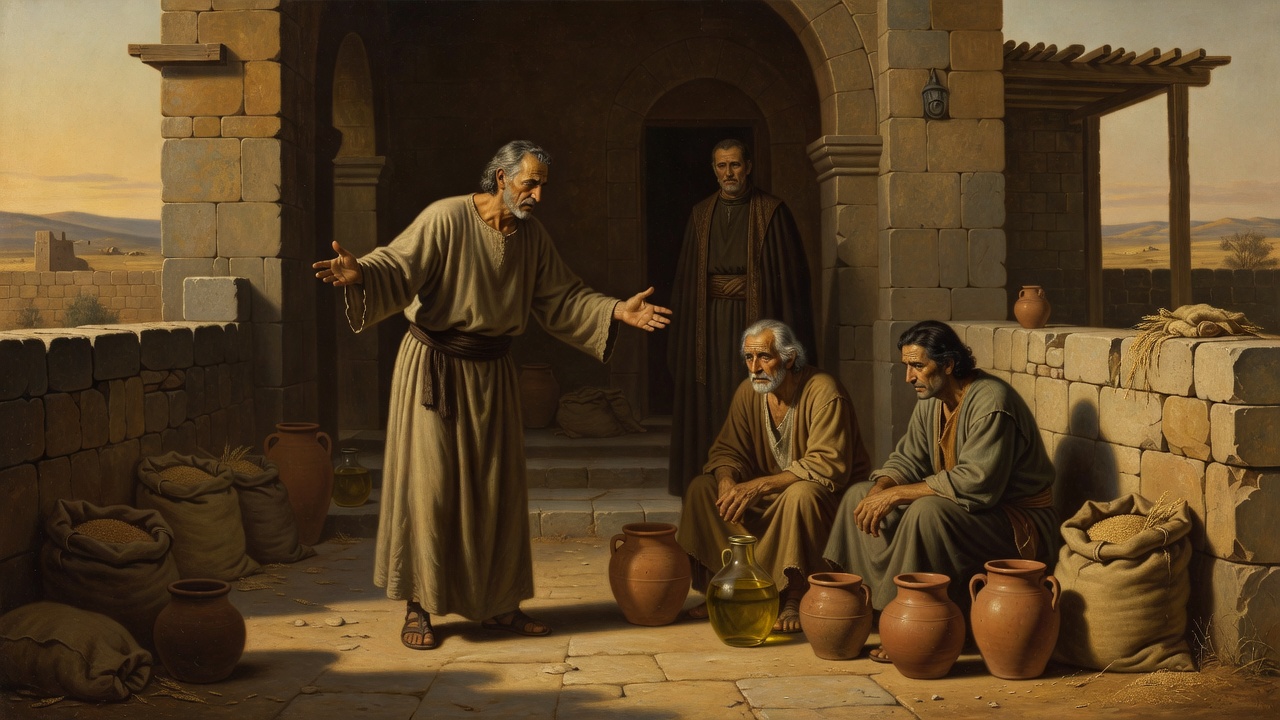
- A un administrador acusado de desperdiciar los bienes de su señor se le ordena rendir cuentas y dejar el puesto. Hace que los deudores reescriban sus cuentas, reduciendo cien medidas de aceite de oliva a cincuenta y cien medidas de trigo a ochenta, y el señor elogia al administrador deshonesto porque había actuado con astucia. Jesús dice entonces que ningún siervo puede servir a dos amos, y que nadie puede servir al mismo tiempo a Dios y al dinero.Fuentes: el propio texto bíblico
Notas escritas con ayuda de IA a partir de fuentes abiertas (Theographic Bible Metadata, CC BY-SA 4.0; Easton’s Bible Dictionary, dominio público) y revisadas antes de publicarse.
Créditos y licencia de esta traducción
Jag₁ ʼmɨ́₂ a₂ma₂lɨʼ₅₄ quianʼ₅₄ Diu₄
New Testament in Chinantec, Tepetotutla (MX:cnt:Chinantec, Tepetotutla)
copyright © 1994 Wycliffe Bible Translators, Inc.
Language: Chinantec, Tepetotutla
Translation by: Wycliffe Bible Translators, Inc.
Chinanteco, Tepetotutla [cnt], Mexico
Copyright Information
© 1994,Wycliffe Bible Translators, Inc.
This translation text is made available to you under the
terms of the Creative Commons License: Attribution-Noncommercial-No Derivative Works.
( http://creativecommons.org/licenses/by-nc-nd/3.0/ )
In addition, you have permission to port the text to different file formats, as long as you
do not change any of the text or punctuation of the Bible.
You may share, copy, distribute, transmit, and extract portions
or quotations from this work, provided that you include the above copyright
information:
You must give Attribution to the work.
You do not sell this work for a profit.
You do not make any derivative works that change any of the actual words or punctuation of the Scriptures.
Permissions beyond the scope of this license may be
available if you contact
us with your request.
The New Testament
in Chinantec, Tepetotutla
© 1994, Wycliffe Bible Translators, Inc.
This translation is made available to you under the terms of the
Creative Commons Attribution-Noncommercial-No Derivatives license 4.0.
You may share and redistribute this Bible translation or extracts from it in any format, provided that:
You include the above copyright and source information.
You do not sell this work for a profit.
You do not change any of the words or punctuation of the Scriptures.
Pictures included with Scriptures and other documents on this site are licensed just for use with those Scriptures and documents.
For other uses, please contact the respective copyright owners.
2014-04-22
Fuente: http://ebible.org/cntNT/ · eBible.org