Apocalipsis 7
Diiloŋ-nelma Tobisĩfɛlɛnni · Toca un versículo para ver sus referencias cruzadas.
Dɔrpɔpuɔrbiloŋo haa dãnyuɔ Diiloŋ-cãarãamba-na
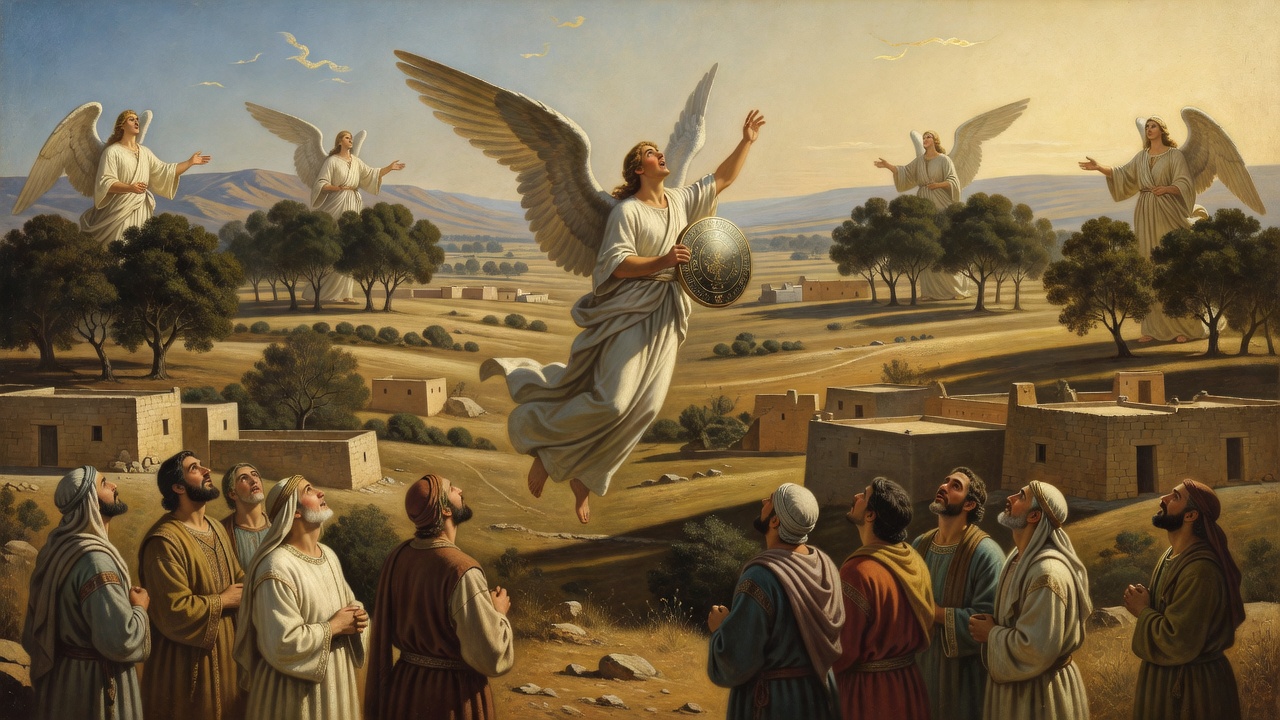
1Kufaŋgu huoŋgu-na, miɛ da *dɔrpɔpuɔrbiemba naa calaanu yiɛra hĩɛma-na a suu fafalmu‑i terni-na hiere wuɔ mu baa jo hĩɛma-na, mu baa sagalla hũmma‑i, mu baa bi sagalla tibiiŋgu diei. 2Diiloŋo hãa ba yaa‑i fɔ̃ŋgũɔ‑i ba da ba guɔla hĩɛma‑i baa hũmma‑i. Miɛ mi ne tiraa da dɔrpɔpuɔrbiloŋo naŋo hilaa bãpagũŋgu-na tuɔ jo. Cicɛ̃lmantieŋ uŋ haa u dãnyuɔ‑i baa kumaŋ, ku waa u naŋga-na. Uŋ juɔ hi, wuɔ piiye da gbagaga baa ba naa-baaŋ daaba‑i wuɔ: 3«Baa na hi na guɔla hĩɛma‑i, baa hũmma‑i, baa tibinni‑i! Yaaŋ i haa dãnyɔbaa Diiloŋ-cãarãamba yammu-na igɛ̃na.» 4Baŋ juɔ haa-bɛi tĩ, baa bĩ ba nuŋgu‑i baa-mi: Ba waa nuɔmba neifieŋ-komuɔŋa siɛi baa cĩncieluo neifieŋa hãi *Isirahɛl-dũnni cĩncieluo baa ni hãi baamba-na hiere.
5Ba hɔlma-na, *Yuda baamba waa neifieŋ-niediei,
Urubɛ̃ baamba‑i neifieŋ-niediei,
Gadi baamba‑i neifieŋ-niediei,
6Asɛr baamba‑i neifieŋ-niediei,
Nefutali baamba‑i neifieŋ-niediei,
Manase baamba‑i neifieŋ-niediei,
7Siminyɔ baamba‑i neifieŋ-niediei,
*Levi baamba‑i neifieŋ-niediei,
Isakaar baamba‑i neifieŋ-niediei,
8Sabulɔ̃ baamba‑i neifieŋ-niediei,
Yosɛfu baamba‑i neifieŋ-niediei,
*Bensaamiɛ baamba‑i neifieŋ-niediei.
Nelpũŋgu maŋ kuraa
9Kufaŋgu huoŋgu-na, miɛ mi tiraa ne, a da nelpũŋgu naŋ temma molo siɛ gbãa kãŋ-ba. Baa naa hel terni-na hiere, dũnni-na hiere, nilɛiŋa-na hiere baa nelmambaa-ba-na hiere a jo ji yiɛra fɔ̃ŋgɔ̃taaŋ-teterre yaaŋga-na *Tũmbiloŋo yaaŋga-na. Ba waa hiere baa joŋgorpiɛlmba baa nampurni ba nammu-na. 10Ba taa ba piiye da gbagaga wuɔ:
«Umaŋ tĩɛnaana fɔ̃ŋgɔ̃taaŋ-teterre-na, Diiloŋo yaa‑i.
Fuɔ baa Tũmbiloŋo‑i ba'i kuraa-ye.»
11*Dɔrpɔpuɔrbiemba‑i hiere baa dii fɔ̃ŋgɔ̃taaŋ-teterre‑i huɔŋga baa bĩncuɔmba‑i a naara bimuɔmba naa-baaŋ daaba‑i. Baŋ diyaa-ba huɔŋga dumaaŋo-na, baa dũuna hiere teterre yaaŋga-na a jaal Diiloŋo‑i. 12Ba taa ba piiye wuɔ:
«Ninsoŋo!
Tuɔlnumma saaya Diiloŋo‑i, gbɛliɛma saaya-yuɔ,
nelnulle saaya-yuɔ, jaaluŋgu saaya-yuɔ, bɔbɔima saaya-yuɔ,
himma saaya-yuɔ, fɔ̃ŋgũɔ bi saaya-yuɔ hɔnni maŋ joŋ!
Ma ciɛ.»
13Bĩncuɔŋ daaba-na, unaŋo yuu-mi wuɔ: «Bamaŋ diyaa joŋgorpiɛlmba‑i daaba‑i, ŋ suyaa-ba wɛi? Ŋ suyaa baŋ hilaa kusuɔŋ-nu wɛi?»
14Mi gbɛ̃-yo miɛ: «Yuntie, mi daa-ba hie ta mi suɔ-ba? Jande ŋ sa pigãaŋ-mi ba sĩnni‑i wɛi?»
Wuɔ cira: «Bamaŋ hilaa yaahuolbabalaŋo-na, ba yaa‑i. Ba saaraa ba joŋgorbaa-ba‑i Tũmbiloŋo tãmma-na ba pusũŋ. 15Ku'i ciɛ ŋ da ba yiɛraaya Diiloŋ-teterre yaaŋga-na aa ta ba jaal-o bãaŋgu‑i baa isuɔŋgu‑i u dubuɔ‑i-na. Umaŋ tĩɛnaana teterre-na u ka tuɔ neya-bɛi. 16Aa Tũmbiloŋo‑i fɔ̃ŋgɔ̃taaŋ-teterre-na, u'i ka waa ba ãncĩinaŋo‑i. U ka ceŋ-ba kã baa-ba cicɛ̃lmaŋ-hũnfoeŋa-na.
Nyulmu sa ji tiraa bel-ba,
hũŋkuɔsĩnni sa ji tiraa ko-ba,
bãaŋgu sa ji tiraa ye-ba,
babãaŋgu sa ji tiraa mulĩɛŋ ba kũɔma‑i.
Aa Diilo fuɔ fɛrɛ yaa ka hur ba nyinyɔlma‑i hiere.»
¿Sabías que…?
Las tribus selladas y la gran multitud
- Apocalipsis 7 presenta el número de los sellados como 144,000, doce mil de cada una de las tribus de Israel nombradas en el capítulo. Israel era otro nombre de Jacob, el segundo de los hijos gemelos de Isaac y Rebeca; el Easton's Bible Dictionary (1897) explica el nombre de Jacob como alguien que sigue los talones de otro, o un suplantador.Fuentes: el propio texto bíblico · Jacob (Israel)
- Aunque Rubén era el hijo mayor de Jacob y Lea, la lista de los sellados comienza con Judá y luego nombra a Rubén. La lista incluye también tanto a José como a Manasés; Manasés era el hijo mayor de José, y Jacob lo adoptó a él y a su hermano Efraín como hijos propios.Fuentes: el propio texto bíblico · Reuben · Manasseh (son of Joseph)
- Después del sellado, la visión muestra una multitud demasiado grande para contarse, de toda nación, tribu, pueblo y lengua, de pie ante el trono y el Cordero, con vestiduras blancas y ramas de palma en las manos. Uno de los ancianos dice que han salido de la gran tribulación y han lavado sus vestiduras, dejándolas blancas en la sangre del Cordero.Fuentes: el propio texto bíblico
Notas escritas con ayuda de IA a partir de fuentes abiertas (Theographic Bible Metadata, CC BY-SA 4.0; Easton’s Bible Dictionary, dominio público) y revisadas antes de publicarse.
Créditos y licencia de esta traducción
Diiloŋ-nelma Tobisĩfɛlɛnni
New Testament in Cerma (UV:cme:Cerma)
copyright © 2011 Wycliffe Bible Translators, Inc.
Language: (Cerma)
Translation by: Wycliffe Bible Translators, Inc.
Copyright Information
© 2011, Wycliffe Bible Translators, Inc. All rights reserved.
This translation text is made available to you under the
terms of the Creative Commons License: Attribution-Noncommercial-No Derivative Works.
( http://creativecommons.org/licenses/by-nc-nd/3.0/ )
In addition, you have permission to port the text to different file formats, as long as you
do not change any of the text or punctuation of the Bible.
You may share, copy, distribute, transmit, and extract portions
or quotations from this work, provided that you include the above copyright
information:
You must give Attribution to the work.
You do not sell this work for a profit.
You do not make any derivative works that change any of the actual words or punctuation of the Scriptures.
Permissions beyond the scope of this license may be
available if you contact
us with your request.
The New Testament
in Cerma
© 2011, Wycliffe Bible Translators, Inc. All rights reserved.
This translation is made available to you under the terms of the
Creative Commons Attribution-Noncommercial-No Derivatives license 4.0.
You may share and redistribute this Bible translation or extracts from it in any format, provided that:
You include the above copyright and source information.
You do not sell this work for a profit.
You do not change any of the words or punctuation of the Scriptures.
Pictures included with Scriptures and other documents on this site are licensed just for use with those Scriptures and documents.
For other uses, please contact the respective copyright owners.
2014-04-23
Fuente: http://ebible.org/cmeNT/ · eBible.org