Santiago 2
Diiloŋ-nelma Tobisĩfɛlɛnni · Toca un versículo para ver sus referencias cruzadas.
Baa na ta na ce ciɛluɔ
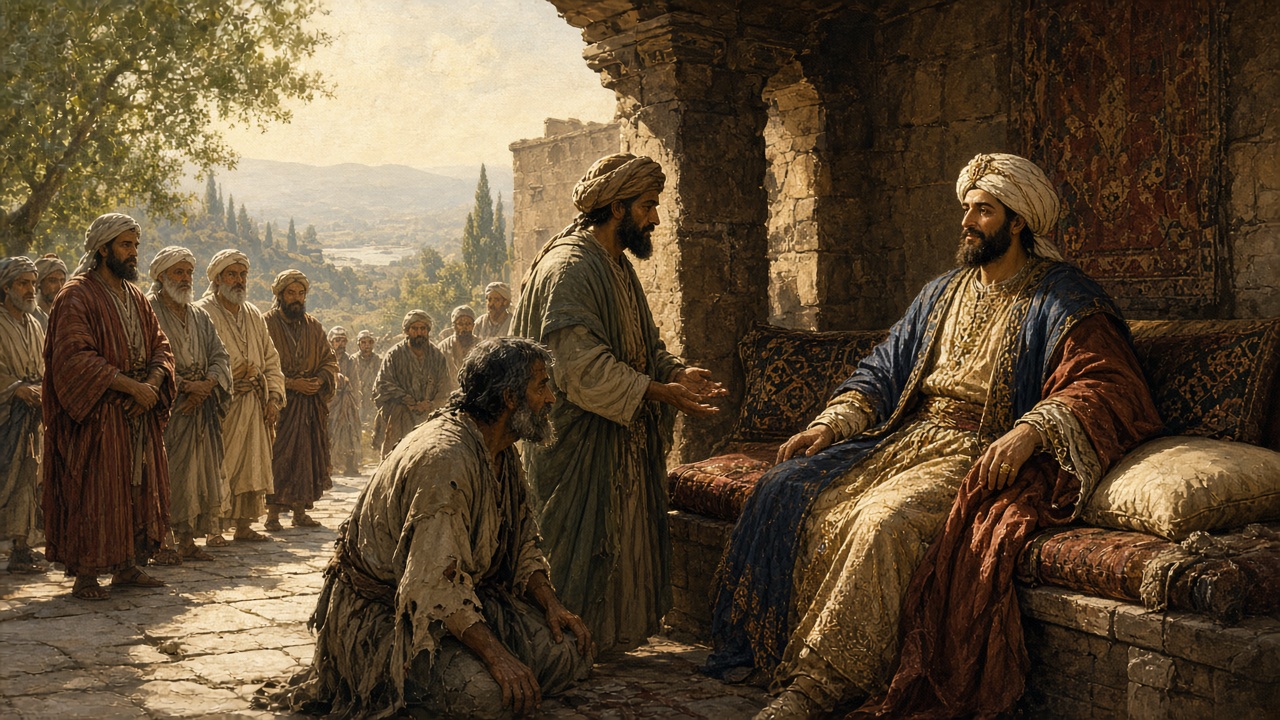
1Tobiŋ namaa, Itieŋo‑i Yesu-Kirsaŋ yeŋ nelbuɔ aa na haa na naŋga‑i yuɔ, baa na ta na ce ciɛluɔ. 2Ŋaa nuɔmba hãi da ba jo ji suur na hɔlma-na, unaŋo‑i wɛiŋo, unaŋo‑i nawalŋo. Wɛiŋo gbuu diiya u fɛrɛ da fafamma aa dii sɛ̃nɛ-naafontɛrre, aa nawalŋo dii nyarkpãtãnni kã ka hel. 3Na sire jaal wɛiŋo‑i aa gbɛ̃-yo wuɔ: «Jo ŋ ji tĩɛna yaaŋ-na bande.» Aa bir gbɛ̃ nawalŋo‑i dumaa wuɔ: «Hai daayo‑i, yiɛra dii terieŋgu-na! Sisɔ jo ŋ ji tĩɛna hĩɛma-na bande!» 4Da na ta na ce kufaŋgu‑i, ba sa bĩ ku yaa‑i ciɛluɔ‑i wɛi? Ãnjɔgɔbabalamma'i saa dii-na mafamma-na wɛi?
5Mi jɛ̃naaŋ namaa, na saa da! Nelbiliembaŋ neŋ bamaŋ wuɔ nawalaamba, Diiloŋo yufelle hilaa ba yaa‑i nuɔ‑i u ce-ba waamba u hũmelle-na aa ba da ba suur u *nelle-na ŋaa uŋ pãa ma nuŋgu‑i dumaa baa u maamaŋ dɔlnu bamaŋ. 6A ne da namaa birii yaŋ nawalŋo‑i aa ta na kãŋ wɛiŋo yaa‑i! Ma sĩ waamba yaa ciɛŋ-naŋ sũlma‑i aa ta ba bĩ-na fãamaaŋ ba terni-na kɛ? 7Baŋ haa yefafalle maŋ nɛi, ba yaa sa bĩɛnaanaŋ-diɛ wɛi?
8Nelma maŋ maaraa *ãnjĩnamma‑na hiere, da na wuɔ-ma ŋaa maŋ nyɛgãaŋ dumaa Diiloŋ-nelma-na, ku faa. Ma nyɛgãaŋ wuɔ: «Ŋ saaya ŋ dɔl ŋ nanolŋo‑i ŋaa niŋ dɔl ŋ fɛrɛ dumaa.» 9Ŋga namaa da na ta na ce ciɛluɔ, kuu dii ŋaa na cãlãa ãnjĩnamma‑i, na ciɛ ãmbabalma'i dumaaŋo-na. Ãnjĩnamma ka bel-na. 10Da ŋ ta ŋ wuɔ ãnjĩnamma‑i hiere aa ma diei yar-ni wuɔsaaŋgu, kuu dii ŋaa ŋ cãlãa-ma hiere ma kũŋgu-na. 11Hama‑i nuɔ‑i? Umaŋ ciɛra: «Baa ce *fuocesĩnni», uuduɔŋo faŋo yaa bi ciɛra: «Baa ko nɛliɛŋo.» Da ŋ fiɛ'a ŋ saa ce fuocesĩnni‑i aa sire kã ka ko moloŋo, ŋ saa cãl ãnjĩnamma‑i wɛi?
12Terieŋgu faŋgu-na, naŋ suyaa wuɔ Diiloŋo kaa yuu-na a saa baa ãnjĩnamma maŋ ciɛŋ i waa i fɛrɛŋ nuɔ, taa na piiye aa na ta na ce na wɛima‑i na saa baa ma yaa‑i. 13Na saa da, umaŋ duɔ u sa ce hujarre, gɛ̃ŋgɛryiiŋgu-na, Diiloŋo siɛ bi ji ce hujarre kutieŋo-na. Ŋga hujarrentieŋo baa tie holle baa yiiŋgu faŋgu maama‑i.
Ba suɔ Yesu nolŋo‑i u ãncemma'i nuɔ‑i
14Tobiŋ namaa, umaŋ duɔ tuɔ piiye wuɔ fuɔ haa u naŋga Diiloŋo-na, aa ba sa da-ku u ciluɔ‑i-na, yuŋ haku‑i dii-kuɔ? Uŋ haa u naŋga‑i dumaa Diiloŋo-na, ku gbãa ce u ka da Diiloŋo‑i wɛi?
15Ŋaa na hɔlma-na, niidiini si dii baa unaŋo, niiwuoni bi sĩ baa-yo u tuɔ wuo. 16Naŋ'a na bɔrɔ, na bir gbɛ̃-yo wuɔ: «I ka waa! Baa yaŋ waaŋgu ko-ni, baa bi yaŋ nyulmu ko-ni.» Kumaŋ maama‑i dii-yuɔ da na saa hã-yo baa-ku, yuŋ haku‑i dii na nelma famma-na? 17A haa ŋ naŋga‑i Diiloŋo-na kuu dii dumɛi, da kuɔ ku sa da ŋ ciluɔ‑i-na, yuŋgu si dii-kuɔ.
18Unaa bi gbãa cira: «Banamba haa ba naŋga Diiloŋo-na, aa banamba ta ba ce ãnfafamma.» Mi ka gbɛ̃ kutieŋo‑i miɛ: «Nuɔ da ŋ saa ce bĩŋkũŋgu, naŋ ka pigãaŋ-mi niɛ mi suɔ wuɔ naŋ haa ŋ naŋga‑i Diiloŋo-na? Muɔ fuɔ, mɛi ka pigãaŋ-ni mi nahaale‑i mi ãncemma-na.» 19Ma sĩ ŋ hũyãa-ma wuɔ Diiloŋo dii u diei yoŋ kɛ? Ku faa. Ŋga ŋ saaya ŋ suɔ wuɔ *jĩnabaa-ba bi hũyãa-ma naŋ temma‑i wuɔ Diiloŋo dii u diei aa ba kũɔma nyɛŋ baa-yo yɛrɛ. 20Ŋ sa gbuu jɔguɔŋ kã yaaŋ-na! Ŋ taara mi pigãaŋ-ni wuɔ da ŋ haa ŋ naŋga‑i Diiloŋo-na aa ku sa da ŋ ciluɔ‑i-na ŋ ce gbãŋgbãŋ wɛi? 21Bige‑i naa ciɛ Diiloŋ wuɔ tuɔ kãŋ i bĩncɔiŋo‑i *Abiramu‑i nelviiŋo? U ciluɔ'i sĩ wɛi? Uŋ ciɛ u bɛpolŋo‑i *Isaki‑i tãmmaŋ-kũŋgu duɔ pã-yo hã Diiloŋo‑i, ku'i ciɛ Diiloŋo tuɔ kãŋ-yo nelviiŋo. 22Ŋ saa da, uŋ haa u naŋga‑i Diiloŋo-na dumaa, ku kã baa u ciluɔ‑i. U ãncemma pigãaŋ wuɔ u haa u naŋga‑i Diiloŋo-na ninsoŋ-haama. 23Mamaŋ nyɛgãaŋ Diiloŋ-nelma-na wuɔ: «Abiramu haa u naŋga Diiloŋo-na, Diiloŋo ne u nahaale‑i aa cira nelviiŋo», nelma famma'i saa ce daama‑i wɛi? Kuŋ ciɛ dumaaŋo-na, Diiloŋo tuɔ bĩ-yo u jĩɛŋo. 24Terieŋgu faŋgu-na, na saa da, Diiloŋo ne nɛliɛŋo ãncemma yaa‑i aa dii-yo baa nelviimba‑i, u sa ne uŋ haa u naŋga‑i fuɔ-na dumaa yoŋ.
25Kuuduɔŋgu yaa baa Araabu maŋ waa saasorciɛŋo‑i. U ciluɔ yaa naa ciɛ Diiloŋ wuɔ tuɔ kãŋ-yo nelviiŋo. U haraa *Isirahɛl-baamba pɔpuɔrbiemba‑i. Baŋ juɔ'a ba ta, u pigãaŋ-ba baŋ saaya ba biɛ hũmelle maŋ ka suur hĩnni. 26Na saa da, nɛliɛŋ nuɔ ŋ yal da diɛ hel aa yaŋ-ni, ba gbãa tiraa bĩ-ni nɛliɛŋ nuɔ wɛi? Kuuduɔŋgu yaa baa daaku‑i: Ãnfafaŋ da ma'a maa si dii ŋ Diiloŋ-hũmelle wuɔsaaŋgu-na, ŋ ce gbãŋgbãŋ.
¿Sabías que…?
Imparcialidad y fe viva
- Santiago recuerda que Abraham fue justificado al ofrecer a su hijo Isaac en el altar, su fe obrando junto con sus acciones y perfeccionada por lo que hizo. Isaac, el único hijo de Abraham con Sara, fue aquel a quien Dios mandó a Abraham ofrecer en sacrificio en un monte en la tierra de Moriah.Fuentes: el propio texto bíblico · Isaac
- Santiago también cita a Rahab la prostituta, justificada por acoger a los espías y enviarlos por otro camino. Los dos espías, enviados por Josué mientras los hebreos estaban acampados en Sitim frente a Jericó, habían ido a su casa, enfrentaron peligro en la ciudad y fueron salvados por su fidelidad.Fuentes: el propio texto bíblico · Rahab
Notas escritas con ayuda de IA a partir de fuentes abiertas (Theographic Bible Metadata, CC BY-SA 4.0; Easton’s Bible Dictionary, dominio público) y revisadas antes de publicarse.
Créditos y licencia de esta traducción
Diiloŋ-nelma Tobisĩfɛlɛnni
New Testament in Cerma (UV:cme:Cerma)
copyright © 2011 Wycliffe Bible Translators, Inc.
Language: (Cerma)
Translation by: Wycliffe Bible Translators, Inc.
Copyright Information
© 2011, Wycliffe Bible Translators, Inc. All rights reserved.
This translation text is made available to you under the
terms of the Creative Commons License: Attribution-Noncommercial-No Derivative Works.
( http://creativecommons.org/licenses/by-nc-nd/3.0/ )
In addition, you have permission to port the text to different file formats, as long as you
do not change any of the text or punctuation of the Bible.
You may share, copy, distribute, transmit, and extract portions
or quotations from this work, provided that you include the above copyright
information:
You must give Attribution to the work.
You do not sell this work for a profit.
You do not make any derivative works that change any of the actual words or punctuation of the Scriptures.
Permissions beyond the scope of this license may be
available if you contact
us with your request.
The New Testament
in Cerma
© 2011, Wycliffe Bible Translators, Inc. All rights reserved.
This translation is made available to you under the terms of the
Creative Commons Attribution-Noncommercial-No Derivatives license 4.0.
You may share and redistribute this Bible translation or extracts from it in any format, provided that:
You include the above copyright and source information.
You do not sell this work for a profit.
You do not change any of the words or punctuation of the Scriptures.
Pictures included with Scriptures and other documents on this site are licensed just for use with those Scriptures and documents.
For other uses, please contact the respective copyright owners.
2014-04-23
Fuente: http://ebible.org/cmeNT/ · eBible.org