2 Timoteo 3
Diiloŋ-nelma Tobisĩfɛlɛnni · Toca un versículo para ver sus referencias cruzadas.
Balaaŋgu maŋ ka waa miwaaŋo tĩmma-na
1Ŋ saaya ŋ suɔ wuɔ miwaaŋo tĩmma-na yinni nanni ka huol. 2Nuɔmba ka ta ba ce nahuɔŋga, gbeiŋ-maama ka ta yaaŋga bɛi, bombolma ka ce ba ta ba kaal ba fɛrɛ. Ba ka ta ba tuora Diiloŋo‑i. Ba siɛ ji ta ba nu ba bĩncuɔmba nunni‑i. Ba siɛ ji ta ba suɔ ãnfafamma‑i. Ba siɛ ji ta ba kãŋ Diiloŋ-bĩŋkũŋgu. 3Ba ka waa hɔduraamba, yebĩɛnataamba, kakarkuontaamba, bubɔlaamba, ba siɛ ji ta ba suɔ baŋ bĩŋ kumaŋ ãnfafamma‑i. 4Ba ka ta ba hel ba-naa honniŋ aa waa hɔhuoltaamba. Bombolma ka cɔruɔnu-bɛi. Ba yufieŋ-maama ka ta yaaŋga bɛi a yaŋ Diiloŋ-maama‑i. 5Ba ka ta ba cu nuɔmba yammu‑i wuɔ ba wuɔ Diiloŋ-hũmelle, a ne da ba hɔmmu-na ba cĩinaana u fɔ̃ŋgũɔ‑i. Baa ta ŋ piɛ kufaŋgu taamba‑i. 6Ba hɔlma-na, banamba wuɔra dumiɛŋa-na ba tãal cakakarkuontaamba‑i ba dii-ba ba kuɔcuɔŋgu-na. Caamba famba saa naŋ kaasĩnni Diiloŋ-hũmelle-na, ba yufieŋ-maama taa yaaŋga bɛi. 7Bãaŋgu‑i baa isuɔŋgu‑i ba taara ba suɔ yiɛŋgu, ŋga ninsoŋo yaraa-ba suɔma. 8Sanɛsi‑i baa Sãmbirɛsi‑i baŋ cĩinaana *Moisi‑i dumaa, daaba bi cĩinaana ninsoŋo‑i dumɛi. Baŋ jɔguɔŋ mamaŋ ma saa fa. Ba Diiloŋ-kũŋgu saa jãal kaaŋgu. 9Ŋga ku siɛ vaaya nuɔmba ka suɔ wuɔ daaba sa waŋ ninsoŋo ŋaa baŋ suyaa baa Sanɛsibaa-ba‑i dumaa.
10Nuɔ fuɔ, ŋ daa miŋ hãalãayã nuɔmba‑i kumaŋ. Ŋ daa mi ciluɔ‑i. Ŋ suɔ miŋ donyaŋ kumaŋ. Ŋ suɔ mi Diiloŋ-hũmelleŋ-kũŋgu‑i. Ŋ daa miŋ koŋ mi huɔŋga‑i dumaa. Ŋ suɔ mi nelnyulmuŋ-kũŋgu‑i aa ŋ suɔ miŋ nyaarãa Diiloŋ-maama-na dumaa. 11Kumaŋ haa-miɛ Ãntiyɔsi‑i-na, baa Ikoniyɔmu‑i-na, a naara Lisire‑i-na, ŋ suɔ-ku. Miŋ ciɛ sũlma maŋ, ŋ suɔ-ma. Mulĩɛŋ hama‑i mi saa ce-ma? Ŋga Itieŋo hielaa mi yuŋgu‑i mɛi hiere. 12Ku yaaŋga yaa dumaaŋo-na; bamaŋ da ba ta ba taara ba wuɔ Diiloŋ-hũmelle‑i diŋ saaya di wuɔ dumaa Yesu-Kirsa horre-na, ba ka mulĩɛŋ. 13Ŋga nelbabalaamba‑i baa huhurmantaamba ka cor baa ba balaaŋgu‑i. Ba ka pira banamba‑i aa bi pira ba fɛrɛ.
14Nuɔ fuɔ, niŋ hãalãayã kumaŋ aa siɛ-ku wuɔ ninsoŋo, bel-ku nammu hãi. Ŋ suyaa niŋ hãalãayã-kuɔ umaŋ wulaa‑i. 15Ŋ suyaa Diiloŋ-nelma‑i dii ŋ bisãnsĩnniŋ. Da ŋ haa ŋ naŋga‑i Yesu-Kirsa‑i-na, ma yaa gbãa ce-ni nelnurãŋ nuɔ ŋ kor. 16Mamaŋ nyɛgãaŋ Diiloŋ-nelma-na hiere, ma hilaa Diiloŋ nuŋ-nu. Ma kãyã nɛliɛ suɔ ninsoŋo‑i, ma hiel coima moloŋ nuŋ-nu, ma dii nɛliɛŋo hũmefafalleŋ aa ce-ni nelviiŋ nuɔ. 17Diiloŋ-nelma tigiiŋ Diiloŋ-nolŋo‑i fafamma u hi u fuoŋgu‑i tuɔ gbã u ce ãnfafamma‑i ma sĩnni-na hiere.
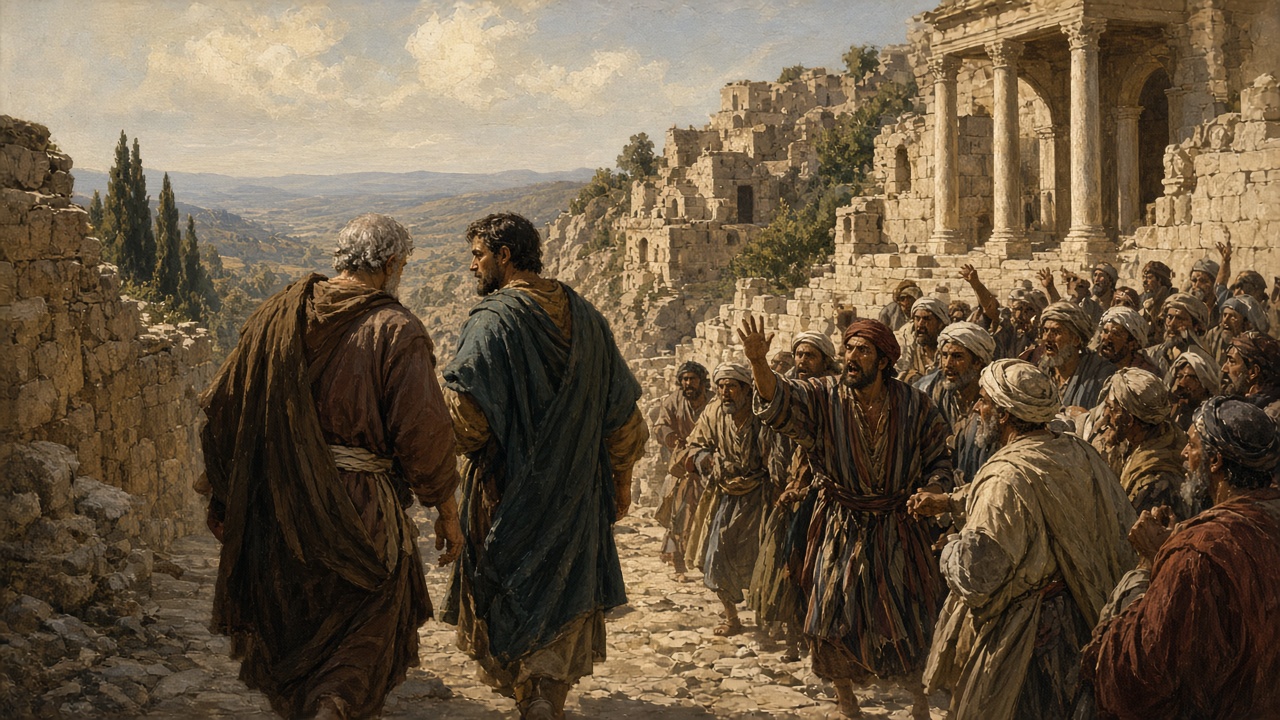
¿Sabías que…?
Tiempos difíciles y la oposición a la verdad
- Este capítulo compara a las personas que se oponen a la verdad con Janes y Jambres. Un diccionario bíblico identifica a Janes como uno de los egipcios que resistieron a Moisés, y a Jambres como uno de los que se opusieron a Moisés en Egipto. La carta dice que, como ellos, esos opositores tienen la mente depravada y están descalificados en cuanto a la fe, y que su insensatez quedará evidente para todos.Fuentes: Jannes · Jambres · el propio texto bíblico
- Pablo recuerda las persecuciones y los sufrimientos que le sobrevinieron en Antioquía, Iconio y Listra, y dice que el Señor lo libró de todas esas persecuciones. En el primer viaje misionero con Bernabé, los judíos en Antioquía, en el extremo norte de Pisidia, provocaron una oposición violenta, y los dos tuvieron que irse; en Iconio fueron perseguidos por los judíos y huyeron a Listra. Iconio era la capital de la antigua Licaonia; Listra era una ciudad de Licaonia, en Asia Menor, en una región agreste.Fuentes: Antioch (Pisidia) · Iconium · Lystra · el propio texto bíblico
Notas escritas con ayuda de IA a partir de fuentes abiertas (Theographic Bible Metadata, CC BY-SA 4.0; Easton’s Bible Dictionary, dominio público) y revisadas antes de publicarse.
Lugares de este capítulo
- Antioch · Hoy: Antioch in Pisidia · 38.306, 31.189 · versículo 11
- Iconium · Hoy: Konya · 37.872, 32.492 · versículo 11
- Lystra · Hoy: Tel Lystra · 37.602, 32.338 · versículo 11
Solo aparecen lugares identificados con alta confianza (90 % o más según las fuentes académicas reunidas por OpenBible). Mapa de la época: DARE (Digital Atlas of the Roman Empire), CC BY 4.0; mapa actual: © colaboradores de OpenStreetMap; lugares: OpenBible.info (CC BY 4.0).
Créditos y licencia de esta traducción
Diiloŋ-nelma Tobisĩfɛlɛnni
New Testament in Cerma (UV:cme:Cerma)
copyright © 2011 Wycliffe Bible Translators, Inc.
Language: (Cerma)
Translation by: Wycliffe Bible Translators, Inc.
Copyright Information
© 2011, Wycliffe Bible Translators, Inc. All rights reserved.
This translation text is made available to you under the
terms of the Creative Commons License: Attribution-Noncommercial-No Derivative Works.
( http://creativecommons.org/licenses/by-nc-nd/3.0/ )
In addition, you have permission to port the text to different file formats, as long as you
do not change any of the text or punctuation of the Bible.
You may share, copy, distribute, transmit, and extract portions
or quotations from this work, provided that you include the above copyright
information:
You must give Attribution to the work.
You do not sell this work for a profit.
You do not make any derivative works that change any of the actual words or punctuation of the Scriptures.
Permissions beyond the scope of this license may be
available if you contact
us with your request.
The New Testament
in Cerma
© 2011, Wycliffe Bible Translators, Inc. All rights reserved.
This translation is made available to you under the terms of the
Creative Commons Attribution-Noncommercial-No Derivatives license 4.0.
You may share and redistribute this Bible translation or extracts from it in any format, provided that:
You include the above copyright and source information.
You do not sell this work for a profit.
You do not change any of the words or punctuation of the Scriptures.
Pictures included with Scriptures and other documents on this site are licensed just for use with those Scriptures and documents.
For other uses, please contact the respective copyright owners.
2014-04-23
Fuente: http://ebible.org/cmeNT/ · eBible.org