2 Corintios 9
Diiloŋ-nelma Tobisĩfɛlɛnni · Toca un versículo para ver sus referencias cruzadas.
Kakãyãŋgu
1Kakãyãŋgu maŋ saaya ku kã *Yerusalɛmu Diiloŋ-dũŋ-baamba wulaa, manamma si dii mi da mi naara ku kũŋgu-na. 2Mi suyaa miɛ na taara na ce bĩŋkũŋgu. Mi gbɛlaaŋ-na Maseduɔnitaamba yaaŋga-na miɛ: «Akayi Diiloŋ-dũŋ-baamba tigiiŋ tĩ dii bendiala da ba kãyã Yerusalɛmu Diiloŋ-dũŋ-baamba‑i.» Maŋ yeŋ kpelle na hɔmmu-na dumaa, ku diyaa sirɛiŋa ba bɔi-na. 3Mi sa taara mi ce coikartieŋ muɔ ku'i ciɛ mi wuɔya puɔr tobiŋ daaba‑i na wulaa. Gbãaŋ da mi ji ta mi kã, mi kã ka da na tigiiŋ ninsoŋo ŋaa miŋ waaŋ-ma baa-ba dumaa. 4Ni ma'i sĩ, miŋ waaŋ baa Maseduɔnitaamba‑i miɛ i haa i naŋga nɛi, diɛ kã baa-ba ka da na saa tigiiŋ tĩ, senserre ka da-mi baa-ba; mi siɛ gbãa waŋ namaa diele maama. 5Ku'i ciɛ naŋ pãa kakãyãŋgu maŋ nuŋgu‑i, mi cãrã tobiŋ daaba‑i miɛ ba ta yaaŋga miɛ ka tigiiŋ-ku cie-mi. Da mi kã ka da-ku mi yaaŋ-na, ku yaa ka pigãaŋ wuɔ ku dɔlaanu namɛi na ce; molo saa guor-na.
Niŋ duu kumaŋ ŋ kar ku yaa‑i
6Na saa da, da ŋ duu cɛkũɔ, ŋ ka kar cɛkũɔ. Da ŋ bi duu bɔi, ŋ ka kar bɔi. 7Nɛliɛŋo nɛliɛŋo, u fara u naŋga‑i ŋaa maŋ yeŋ dumaa u huɔŋga-na, u baa ce u hɔmmu‑i mu hãi u baa bi guor u fɛrɛ. Bige‑i ciɛ mi waŋ-ma dumaaŋo-na? Ku yuŋgu yaa daaku: Umaŋ faaraŋ u naŋga‑i baa hɔfafaŋga, fuɔ maama yaa dɔlaanuŋ Diiloŋo‑i. 8Aa Diiloŋo yaa gbãa haaya bĩmbĩnni‑i ni sĩnni-na hiere hã-na, a ce-na bĩŋkũntaaŋ namaa, na ta na par na ce sãmma‑i ma sĩnni-na hiere 9ŋaa maŋ nyɛgãaŋ dumaa Diiloŋ-nelma-na wuɔ:
«U firiinu u naŋga baa sũntaamba‑i.
U sãmma sa ji ku dede!»
10Umaŋ hãaŋ goŋguonaŋo‑i dĩduuma‑i, aa tuɔ hã-yo u nuŋ-juuru‑i, u ka bi firnu u huɔŋga‑i hã namaaŋo‑i na dĩduuma‑i aa ce na sãmma da belle. 11Na ka ce ninsoŋ-waaŋ namaa, ta na gbã na ce na sãmma‑i hɔnni-na hiere. A ce dumaaŋo-na diɛ hi bamaŋ baa na kakãyãŋgu‑i, ba ka gbuu jaal Diiloŋo‑i ku maama-na. 12Na saa da, naŋ ceŋ kakãyãŋgu maŋ daaku‑i, ku sa kãyã Diiloŋ-dũŋ-baamba yoŋ, ŋga ku ka ce nuɔmba bɔi ta ba ce Diiloŋo‑i kasi saa da-yo. 13Kakãyãŋ daaku ka pigãaŋ naŋ yuu nyɔlma baa Diiloŋ-maama‑i dumaa. Naŋ siyaa *Kirsa *Neldɔdɔlma‑i ta na wuɔ baa-ma dumaa, ku ka ce Diiloŋ-dũŋ-baamba famba ta ba gbɛliɛŋ Diiloŋo‑i. Naŋ firiinu na hɔmmu‑i a cal na nagãŋ-niini‑i baa bafamba‑i dumaa, ka cor baa banamba‑i hiere, ba ka gbɛliɛŋ-yo ku maama-na. 14Diiloŋ uŋ ciɛ baa-na cemma maŋ, ku ka ce ba ta ba cãrã Diiloŋo‑i ba hã-na a pigãaŋ wuɔ na kũŋgu dɔlnu-bɛi. 15Yaaŋ i tiɛ jaal Diiloŋo‑i! Uŋ ciɛ sãmma maŋ yiɛ ma siɛ gbãa waŋ.
¿Sabías que…?
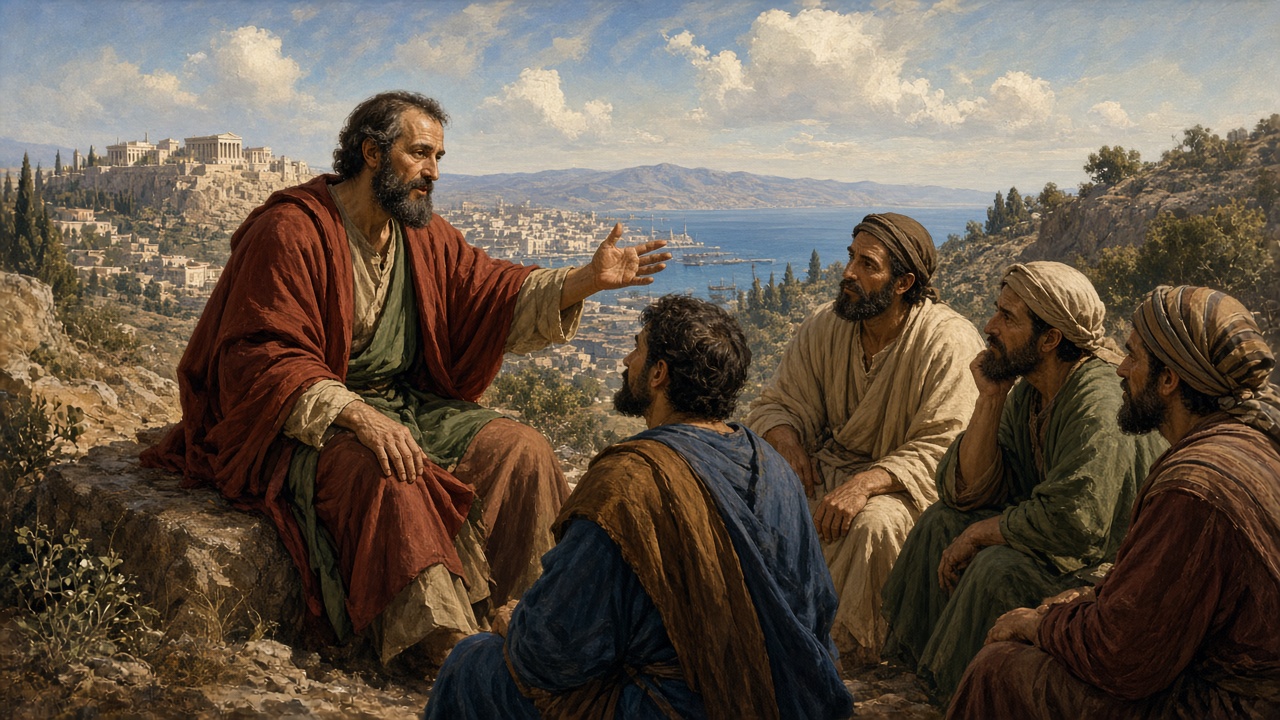
Generosidad entre Acaya y Macedonia
- Macedonia era una provincia romana situada al norte de Grecia, y Acaya era la otra de las dos provincias en que los romanos dividieron Grecia, aplicando ese nombre a todo el Peloponeso y al sur. Al escribir a los creyentes de Acaya, Pablo dice que se ha estado gloriando ante los macedonios de que ellos estaban listos para dar.Fuentes: Macedonia · Achaia · el propio texto bíblico
- Pablo dice que, desde el año anterior, la gente de Acaya estaba lista para dar, y que su celo había movido a la mayoría de los macedonios a hacer lo mismo. Está enviando a los hermanos por delante para que aquello de lo que se ha gloriado acerca de ellos no resulte vacío, si algunos macedonios vienen con él y los hallan sin preparación.Fuentes: el propio texto bíblico
- El nombre Acaya se refería al principio a una franja estrecha de territorio en Grecia, al noroeste del Peloponeso. En el Nuevo Testamento, el nombre se usa siempre en el sentido posterior y más amplio que le dieron los romanos, para la provincia del sur en su conjunto.Fuentes: Achaia
Notas escritas con ayuda de IA a partir de fuentes abiertas (Theographic Bible Metadata, CC BY-SA 4.0; Easton’s Bible Dictionary, dominio público) y revisadas antes de publicarse.
Lugares de este capítulo
- Jerusalem · 31.777, 35.234 · versículos 1, 12
- Achaia · 38.720, 22.540 · versículo 2
- Macedonia · 41.600, 22.540 · versículos 2, 4
Solo aparecen lugares identificados con alta confianza (90 % o más según las fuentes académicas reunidas por OpenBible). Mapa de la época: DARE (Digital Atlas of the Roman Empire), CC BY 4.0; mapa actual: © colaboradores de OpenStreetMap; lugares: OpenBible.info (CC BY 4.0).
Créditos y licencia de esta traducción
Diiloŋ-nelma Tobisĩfɛlɛnni
New Testament in Cerma (UV:cme:Cerma)
copyright © 2011 Wycliffe Bible Translators, Inc.
Language: (Cerma)
Translation by: Wycliffe Bible Translators, Inc.
Copyright Information
© 2011, Wycliffe Bible Translators, Inc. All rights reserved.
This translation text is made available to you under the
terms of the Creative Commons License: Attribution-Noncommercial-No Derivative Works.
( http://creativecommons.org/licenses/by-nc-nd/3.0/ )
In addition, you have permission to port the text to different file formats, as long as you
do not change any of the text or punctuation of the Bible.
You may share, copy, distribute, transmit, and extract portions
or quotations from this work, provided that you include the above copyright
information:
You must give Attribution to the work.
You do not sell this work for a profit.
You do not make any derivative works that change any of the actual words or punctuation of the Scriptures.
Permissions beyond the scope of this license may be
available if you contact
us with your request.
The New Testament
in Cerma
© 2011, Wycliffe Bible Translators, Inc. All rights reserved.
This translation is made available to you under the terms of the
Creative Commons Attribution-Noncommercial-No Derivatives license 4.0.
You may share and redistribute this Bible translation or extracts from it in any format, provided that:
You include the above copyright and source information.
You do not sell this work for a profit.
You do not change any of the words or punctuation of the Scriptures.
Pictures included with Scriptures and other documents on this site are licensed just for use with those Scriptures and documents.
For other uses, please contact the respective copyright owners.
2014-04-23
Fuente: http://ebible.org/cmeNT/ · eBible.org