Mateo 9
Hmooh hmëë he- ga-jmee Jesucristo; Salmos · Toca un versículo para ver sus referencias cruzadas.
Gaꜙmiꜙhlä̱ä̱ꜘ Jesús ja̱a̱ˉ hi̱ˉ saꜙ liihꜚ gooˉ tɨɨˊ
1Maˉngëëꜘ heˉ ja̱ˉ, gaꜙheꜗ Jesús kaˉlähꜘ nehꜙ naˊmooꜘ ngaayhꜗ taꜙ hngaahˋ ko̱ˉta̱a̱ˉ taꜙ jwɨɨˉ kiyhꜗ. 2Maˊ gaꜙlla̱a̱yhꜗ ja̱ˉ, naˊjä̱ä̱ˉ dsaˉ chaˊnëyˊ ja̱a̱ˉ hi̱ˉ dsaahˊ hi̱ˉ saꜙ liihꜚ gooˉ tɨɨˊ naˉkya̱a̱ˈ nëˊ ji̱i̱ˊ. Maˊ gaꜙjëëꜗ Jesús dsooꜘ baˊ dsëꜗ dsaˉ heꜘ, heˉja̱ˉ gaꜙjäyhꜘ sɨɨyhꜙ hi̱ˉ saꜙ liihꜚ gooˉ tɨɨˊ:
—Waˊ nøhˈ hohꜘ gyʉ̱ʉ̱ˉ kya̱a̱nꜙ, maˉnaˉcheˊ baˊ läꜙjëꜙ dsoˊkyeˉ kyahꜗ.
3Jeeˊ ja̱ˉ maˊ tä̱ä̱hˊ ko̱ˉlla̱a̱ˊ taˉjwohꜗ kya̱a̱ꜗ ley. Hi̱ˉ heꜘ gaꜙjmeeꜘ hʉʉˊdsëˉ heˉ gaꜙhlëëhꜘ Jesús läꜙja̱ˉ heˉ gaꜙmiꜙkwa̱yhꜗ Dio baˊ ja̱ˉ. 4Pero gaꜙläꜙliihꜚ baˊ Jesús heˉ hʉʉˊdsëˉ maˊ jmeeꜙ dsaˉ heꜘ, heˉja̱ˉ gaꜙjäyhꜘ:
—¿Heˉlaˈ jmeehˉ hnähꜘ hʉʉˊdsëˉ hlɨɨhˈ läꜙnaˉ? 5¿Heeˉ gaˊ naˉ saꜙ jwë̱ë̱hˋ, la̱a̱hꜘ hnähꜘ? ¿Cheˊ heˉ chiihˊ jneˊ ja̱a̱ˉ hi̱ˉ dsaahˊ: “Maˉnaˉcheˊ dsoˊkyeˉ kyahꜗ”, o heˉ chiihˊ jnihꜘ: “Nooˉ, ki̱i̱ˈ ji̱i̱ˊ kyahˈ, mahꜗ gwa̱a̱hˉ”? 6Heˉja̱ˉ jmeenˋ heˉ jwë̱ë̱hˋ gaˊ mahꜗ läꜙngëëhꜘ hnähꜘ, Hi̱ˉgaꜙlë̱ë̱ꜗngoꜗ laˉ baˊ naˉngëˈ jwëˈ jmɨˉgyʉʉꜙ mahꜗ cheyꜗ dsoˊkyeˉ kihꜗ dsaꜙ.
Ja̱ˉgaˊ gaꜙjähꜘ Jesús sɨɨhꜙ hi̱ˉ saꜙ liihꜚ gooˉ tɨɨˊ:
—Jnäꜘ jwahnꜙ nooˉ, ki̱i̱ˈ ji̱i̱ˊ kyahˈ, gwa̱a̱hˉ chaˊnehꜙ kyahꜗ.
7Heˉja̱ˉ gaꜙnooˉ dsaˉ heꜘ ngaayhꜗ chaˊnehꜙ kiyhꜗ. 8Maˊ gaꜙjëëꜗ dsaˉ ngaahꜗ hi̱ˉ maˊ dsaahˊ heꜘ, gaꜙläꜙdsa̱a̱˜ dsëyꜗ chaˉmiihˉ mahꜗ gaꜙjmeeyꜘ jʉʉhˉ kihꜗ Dio, taꜙlaꜙ kihꜗ heˉ gaꜙkwëëyhꜗ chaˉmiihˉ beꜘ ja̱a̱ˉ dsaˉñʉʉhˉ mahꜗ miˉhlä̱ä̱yꜘ dsaˉdsaahˊ.
Gaꜙtëëhꜗ Jesús Matäˊ
9Läꜙ maˊ yaꜙhë̱ë̱ꜗ Jesús jeeˊ ja̱ˉ, gaꜙjë̱ë̱yꜗ ja̱a̱ˉ dsaˉñʉʉhˉ hi̱ˉ che̱e̱ˉ Matäˊ, hi̱ˉ maˊ gyaˈ nëˊtaˊ kihˈ ko̱o̱yˈ kuˊsɨhˉ. Mahꜗ gaꜙjäyhꜘ sɨɨyhꜙ:
—Ñaˉ waˊ jmeenˊ ko̱ˉjø̱hꜘ.
Heˉja̱ˉ gaꜙnooyˉ, gaꜙjmeeyꜘ ko̱ˉjø̱hꜘ kya̱a̱hˊ Jesús.
10Pero heˉ gaꜙlaꜗ. Maˊ gyaˈ Jesús kuhˉhɨ̱h˜ chaˊnehꜙ kihꜗ Matäˊ. Jwë̱ë̱ꜘ dsaˉ hi̱ˉ maˊ ko̱o̱ꜗ kuˊsɨhˉ hiꜙ jñahꜘ dsaˉ waˊ hi̱ˉ chaˉ hi̱ˉ maˊ tä̱ä̱hˊ nëˊ mes˜ kuyhˉ ko̱ˉjø̱hꜘ kya̱a̱hˊ Jesús hiꜙ kya̱a̱ꜗ jnäähˈ discípulo kya̱a̱yꜗ. 11Maˊ gaꜙjëëꜗ dsaˉ fariseo, hehꜗ gaꜙjmeeyꜘ läꜙja̱ˉ, mahꜗ gaꜙjäyhꜘ sɨɨyhꜙ jnäähˈ:
—¿Heˉlaˈ kuhˉ taˉjwohꜗ kya̱a̱hꜗ hnähꜘ ko̱ˉjø̱hꜘ kya̱a̱hˊ dsaˉ hi̱ˉ ko̱o̱ˈ kuˊsɨhˉ naˉ hiꜙ kya̱a̱hˊ jñahꜘ dsaˉ waˊ hi̱ˉ chaˉ hi̱ˉ?
12Maˊ gaꜙnuuꜘ Jesús juuˈ ja̱ˉ mahꜗ gaꜙjäyhꜘ:
—Saꜙ jmeeꜙ biiꜗ tëꜙmë˜ kihꜗ dsaˉ hi̱ˉ llu̱u̱ꜗ, kihꜗ dsaˉdsaahˊ baˊ jmeeꜙ biiꜗ. 13Goˉnääꜘ hnähꜘ miˉtë̱ë̱ˈ hnähꜘ hñaahꜗ heˉ hnøøꜗ jähꜙ juuˈ laˉ: “Hnoonꜗ waˊ läˉñihꜘ hohꜘ hnähꜘ baˊ, saꜙ hnoonꜗ heˉ jë̱ë̱hˈ hnähꜘ jahꜘ nëˊ naˊhyooꜘ”, gaꜙjähꜘ Dio. Saꜙ maˉjan˜ kihꜗ hi̱ˉ llu̱u̱ꜗ, kihꜗ hi̱ˉ chaˉ dsoˊkyeˉ kihꜗ baˊ maˉjan˜, mahꜗ waˊ dsaˉje̱e̱yh˜ kya̱a̱hˊ Dio.
Gaꜙngɨɨꜘ dsaˉ juuˈ, heˉlaˈ saꜙ tʉ˜ discípulo ko̱ˉhwëëꜘ heˉ kuhˉhɨ̱yh˜
14Ja̱ˉgaˊ yaꜙnääꜗ dsaˉ hi̱ˉ maˊ gaꜙnääˊ kya̱a̱hˊ Jwa̱a̱ꜚ, gaꜙmiꜙje̱e̱yꜚ Jesús mahꜗ gaꜙngɨɨyꜘ juuˈ kiyhꜗ:
—¿Heˉlaˈ maꜙlaꜙ jnäähˈ baˊ kya̱a̱hˊ fariseo, ko̱ˉllaˉji̱i̱h˜ baˊ saꜙ kihˉhi̱hˉ jnäähꜗ jeeˊ ngɨɨˊ jnäähꜗ kihꜗ Dio, mahꜗ saꜙ jmeeꜙ läꜙja̱ˉ discípulo kya̱a̱hꜗ?
15Heˉja̱ˉ gaꜙjähꜘ Jesús sɨɨyhꜙ:
—Saꜙ chaˉ tiˉmeehˉ dsëꜗ hi̱ˉ tä̱ä̱hˊ jeeˊ dsaˉje̱e̱ꜘ gooˉ dsaˉ taˊko̱ˉji̱i̱hˈ gyaꜗ dsaˉñʉʉhˉ hi̱ˉ dsaˉje̱e̱ꜘ gooˉ jeeˊ ja̱ˉ. Pero lloo˜ ko̱o̱ˉ jmɨɨˊ waˊraˉ gaꜙlle̱e̱ˉ dsaˉ dsaˉñʉʉhˉ hi̱ˉ dsaˉje̱e̱ꜘ gooˉ heꜘ. Maˊja̱ˉ gaˊ tʉˈ dsaˉ kya̱a̱yꜗ heˉ kuhˉhɨ̱h˜ mahꜗ chu̱u̱yꜗ kya̱a̱hˊ Dio. 16Niꜙ ja̱a̱ˉ dsaˉ saꜙ kwaꜙ kiyhꜗ tø̱ø̱yꜗ hmɨɨhˉ hmëëꜘ nëˊ hmɨɨhˉ maˉgyu̱hˉ. Jëëhꜘ, hmɨɨhˉ hmëëꜘ dsaˉdsu̱hˈ mahꜗ jmeeꜙ dsaˉgyiiꜙ hmɨɨhˉ maˉgyu̱hˉ chaˉgaˊmiihˉ. 17Hiꜙ läꜙja̱ˉ, niꜙ ja̱a̱ˉ dsaˉ saꜙ kwaꜙ kihꜗ chiyhꜗ jmɨhˈ mɨˈjëhꜗ hmëëꜘ nehꜙ looˉ maˉgyu̱hˉ. Cherˊmahꜗ gaꜙchihꜗ dsaˉ heˉ hmëëꜘ ja̱ˉ nehꜙ looˉ maˉgyu̱hˉ, cha̱hꜘ baˊ gyiiꜙ, jëëhꜘ saꜙ kwaꜗ jwëˈ ä̱ä̱ꜙ. Tʉ̱ʉ̱ꜙ jmɨhˈ mɨˈjëhꜗ hmëëꜘ hiꜙ he̱e̱ꜘ looˉ kaˉlähꜘ. Heˉja̱ˉ nehꜙ looˉ hmëëꜘ baˊ dsaˉhooˋ jmɨhˈ mɨˈjëhꜗ hmëëꜘ. Mahꜗ läꜙja̱ˉ baˊ miˉheeꜙ ko̱ˉjø̱hꜘ läꜙto̱ꜘ.
Jo̱ˉmɨɨꜚ Jairo kya̱a̱hˊ ja̱a̱ˉ dsaˉmëꜘ hi̱ˉ maˊ dsaahˊ
18Taˊko̱ˉji̱i̱hˈ hlëëhꜙ gyihꜗ läꜙja̱ˉ, maˊ gaꜙllooꜗ ja̱a̱ˉ dsaˉjø̱ø̱hˈ. Gaꜙju̱u̱yhꜗ jnëyˊ chaˊnëˊ Jesús, mahꜗ gaꜙjäyhꜘ:
—Gyʉ̱ʉ̱ˉ mëꜘ kya̱a̱nꜙ, ko̱o̱ˉ maˉju̱u̱ꜙ baˊ. Manˋ mahꜗ goˊkyehˉ goohˉ nëˊ kiyhˈ mahꜗ läꜙji̱i̱yhˊ —gaꜙjähꜘ dsaˉjø̱ø̱hˈ heꜘ.
19Mahꜗ gaꜙnooˉ Jesús jeeˊ maˊ gyaˈ, gaꜙllaꜙlleyꜗ kaahˋ kihˈ dsaˉ heꜘ, hiꜙ gaꜙnøøꜗ jnäähˈ ko̱ˉjø̱hꜘ kya̱a̱yhˊ. 20Jeeˊ ngooyˈ ja̱ˉ, ja̱a̱ˉ dsaˉmëꜘ hi̱ˉ maˉhyaˉ gyaꜙto̱ꜘ ji̱ˉñeˉ jëë˜ dsooˊ kihˈ, gaꜙllooyꜗ taꜙ kaˊluuˊ Jesús mahꜗ gaꜙsu̱ꜗ miihˉ chaˊgooyˉ chaˊhooˊ saˊhmɨɨhˉ kiyhꜗ. 21Jëëhꜘ maˊ la̱a̱yꜘ: “Waˊraˉ jähꜘ kihꜗ ko̱o̱ˉ të̱ë̱nꜗ su̱ꜗ miihˉ chaˊgoonꜙ saˊhmɨɨhˉ kiyhꜗ, hlä̱ä̱nꜘ goˉte˜.” 22Maˊ gaꜙje̱e̱hˉ Jesús hñiiꜘ, gaꜙjë̱ë̱yꜗ dsaˉmëꜘ heꜘ mahꜗ gaꜙsɨɨyhꜙ:
—Waˊ jë̱ë̱ˉ hohꜘ gyʉ̱ʉ̱ˉ kya̱a̱nꜙ. Kihꜗ heˉ maˉläˉdsooꜘ hohꜘ kinꜙ, maˉhla̱a̱hꜘ baˊ hneˉ.
Läꜙcha̱hꜘ ja̱ˉ gaꜙjä̱ꜗ goˉteˈ kihꜗ dsaˉmëꜘ heꜘ.
23Läꜙ maˊ gaꜙllooꜗ Jesús kihꜗ dsaˉjø̱ø̱hˈ heꜘ, gaꜙjë̱ë̱yꜗ tëꜙ hi̱ˉ maˊ tä̱ä̱hˊ jʉʉꜙ luuꜘ hmaˉtaˉ, hiꜙ maˊ tä̱ä̱hˊ dsaˉ kɨˉhooh˜. 24Mahꜗ gaꜙsɨɨyhꜙ läꜙjë̱ë̱ꜙ dsaˉ heꜘ:
—Hwë̱ë̱ˉ daˊ hnähꜘ jeeˊ laˉ. Chihˉmëꜘ naˉ saꜙ naˉju̱u̱ˊ, hi̱ˉ naˉgwɨ̱ɨ̱ˉ baˊ naˉ.
Mahꜗ gaꜙmiꜙkwa̱hꜗ dsaˉ kihꜗ Jesús, maˊ gaꜙjäyhꜘ läꜙja̱ˉ. 25Maˊ gaꜙhwë̱ë̱ˉ dsaˉ heꜘ taꜙ kaˊhneꜚ, gaꜙheyꜗ jeeˊ naˉkya̱a̱ˈ chihˉmëꜘ heꜘ. Gaꜙso̱o̱yhꜗ gooyˉ. Hiꜙ läꜙcha̱hꜘ ja̱ˉ gaꜙnooˉ chihˉmëꜘ heꜘ. 26Läꜙka̱a̱ˉ hwaꜗ ja̱ˉ gaꜙnuuꜘ dsaˉ juuˈ ja̱ˉ.
Gaꜙmiꜙhlä̱ä̱ꜘ Jesús u̱u̱ꜗ dsaˉtʉʉˊ
27Läꜙ maˊ yaꜙhë̱ë̱ꜗ Jesús jeeˊ ja̱ˉ, u̱u̱ꜗ dsaˉtʉʉˊ maˊ cha̱a̱ˉ kaahˋ kiyhˈ, chu̱u̱yꜘ kya̱a̱yhˊ:
—¡Waˊ läˉñihꜘ hohꜘ kya̱a̱ꜗ jnäähˈ, hneˉ la̱a̱hꜗ saˊju̱ˉ kihꜗ David!
28Läꜙ maˊ gaꜙheꜗ Jesús chaˊnehꜙ, gaꜙmiꜙjä̱hꜙ dsaˉtʉʉˊ heꜘ kiyhꜗ, mahꜗ gaꜙjähꜘ Jesús sɨɨyhꜙ:
—¿Cheˊ la̱a̱hꜘ hnähꜘ dsooꜘ lihnꜙ jmeenˋ heˉ naˉ?
—Le̱hꜗ baˊ hneˉ Dsaˉjø̱ø̱hˈ kya̱a̱nꜙ —gaꜙjähꜘ dsaˉtʉʉˊ heꜘ.
29Ja̱ˉgaˊ gaꜙchuyꜗ mɨˈnëˊ dsaˉtʉʉˊ heꜘ, mahꜗ gaꜙsɨɨyhꜙ:
—Waˊ leꜘ kyahꜗ hnähꜘ läꜙko̱o̱ˉ maˉläˉdsooꜘ hohꜘ hnähꜘ kinꜙ.
30Läꜙcha̱hꜘ ja̱ˉ gaꜙnaꜘ mɨˈnëˊ läꜙu̱u̱ꜘ dsaˉtʉʉˊ heꜘ.
Pero gaꜙta̱a̱hˉ Jesús juuˈ gaꜙchu̱u̱yꜘ chaˉmiihˉ kya̱a̱hˊ dsaˉtʉʉˊ heꜘ, gaꜙsɨɨyhꜙ:
—Saꜙ waˊ läˉñeˉ niꜙ ja̱a̱ˉ dsaˉ kihꜗ heˉ laˉ.
31Pero läꜙko̱o̱ˉ gaꜙhwë̱ë̱ˉ bihꜗ jeeˊ ja̱ˉ, gaꜙløøyꜗ hlëëyhꜗ kihꜗ Jesús läꜙka̱a̱ˉ hwaꜗ ja̱ˉ.
Gaꜙmiꜙhlä̱ä̱ꜘ Jesús ja̱a̱ˉ dsaˉ kooˋ
32Ko̱o̱ˉ maˉhwë̱ë̱ˉ baˊ dsaˉtʉʉˊ heꜘ jeeˊ ja̱ˉ, maˊ gaꜙllaꜙnääꜗ dsaˉ hi̱ˉ jä̱ä̱ꜙ ja̱a̱ˉ dsaˉ kooˋ hi̱ˉ maˊ kye̱ˉ jmɨˉlleꜘ hlɨɨhˈ. 33Läꜙko̱o̱ˉ maˊ gaꜙlle̱e̱ˉ Jesús jmɨˉlleꜘ hlɨɨhˈ heꜘ, gaꜙløøꜗ hlëëhꜗ dsaˉ hi̱ˉ maˊ kooˋ heꜘ. Peerꜙ gaꜙläꜙdsa̱a̱˜ dsëꜗ dsaˉ hi̱ˉ maˊ tä̱ä̱hˊ jëë˜ jeeˊ ja̱ˉ.
—Ji̱hˊko̱hꜘ saꜙ maˉjëëˊ jneˊ läꜙnaˉ hwaꜗ Israel laˉ —maˊ jäyhꜘ.
34Pero dsaˉ fariseo maˊ jähꜘ:
—Dsaˉjø̱ø̱hˈ kya̱a̱ꜗ jmɨˉlleꜘ hlɨɨhˈ baˊ naˉ kwaꜙ beꜘ kiyhꜗ mahꜗ hwë̱ë̱y˜ jmɨˉlleꜘ hlɨɨhˈ.
Peerꜙ gaꜙläꜙñihꜘ dsëꜗ Jesús kihꜗ dsaꜙ
35Gaꜙngëëꜘ Jesús gaꜙläꜙka̱a̱ˉ jeeˊ hlaˉ jwɨɨˉ kaahˊ jwɨɨˉ mähˉ, maˊ miˉtë̱ë̱yꜙ dsaˉ nehꜙ gwahꜙ kihꜗ jeeˊ jwɨɨˉ ja̱ˉ, maˊ kwayꜙ juˈhmëëꜘ läꜙko̱o̱ˉ jä̱ä̱ꜙ Dio dsaˉ läꜙhihꜙ kihꜗ, hiꜙ maˊ miˉhlä̱ä̱yꜘ dsaˉdsaahˊ hiꜙ maˊ jñuuyh˜ dsooˊ jmɨˊwɨɨꜘ kihꜗ dsaꜙ. 36Läꜙko̱o̱ˉ häˊ maˊ jë̱ë̱y˜ jwë̱ë̱ꜘ dsaˉ hi̱ˉ dsaˉnääꜗ chaˊnëyˊ, gaꜙläꜙñihꜘ dsëyꜗ kihꜗ. Jëëhꜘ, maˊ naˉhë̱ë̱yˈ, gaꜙnääyꜗ naˉsaaˉ naˉjñeeyꜘ. Maˊ la̱a̱yˈ läꜙko̱hꜘ borrego hi̱ˉ saꜙ cha̱a̱ˉ jʉʉˊ. 37Heˉja̱ˉ gaꜙsɨɨyhꜙ jnäähˈ discípulo kya̱a̱yꜗ:
—Maꜙraꜙ juˈdsooꜘ, chaˉmiihˉ heˉ maˉleꜘ choohˊ jneˊ, pero miihˉ goˉteˈ baˊ dsaˉ hi̱ˉ tä̱ä̱hˊ jmeeꜙ taˊ. 38Heˉja̱ˉ chu̱u̱ˊ hnähꜘ chaˉmiihˉ kya̱a̱hˊ dsaˉjʉʉˊ taˊ mahꜗ che̱e̱yꜗ jwë̱ë̱ꜘ hi̱ˉ choohꜗ taˊ kiyhˈ.
¿Sabías que…?
Misericordia, curación y vino nuevo
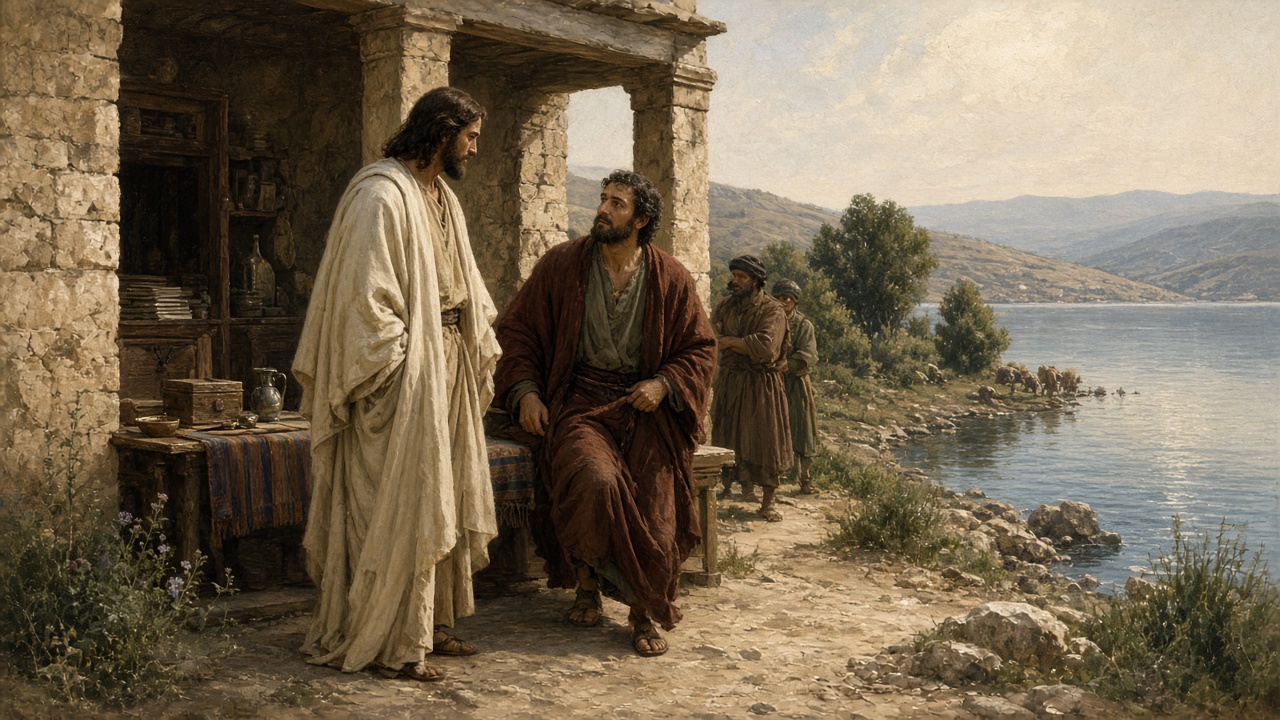
- Mateo, hijo de Alfeo, era publicano, es decir, recaudador de impuestos, en Cafarnaúm. Jesús, al subir desde la orilla del lago, pasó por el puesto de impuestos donde Mateo estaba sentado y le dijo: “Sígueme”. Antes se lo conocía como Leví; ese mismo día ofreció un gran banquete, descrito como una despedida, a Jesús, a los discípulos y, probablemente, a muchos de sus antiguos compañeros.Fuentes: Matthew · el propio texto bíblico
- Quienes preguntan por qué ellos y los fariseos ayunan tan a menudo, mientras los discípulos de Jesús no ayunan, son discípulos de Juan el Bautista. A Juan se lo llama el precursor; era de linaje sacerdotal, su padre Zacarías sacerdote del turno de Abías y su madre Elisabet una de las hijas de Aarón.Fuentes: John the Baptist · el propio texto bíblico
- Una cronología sitúa la curación del paralítico, el llamado de Mateo, la pregunta sobre el ayuno y la parábola de los odres en el año 28 d. C.Fuentes: Healing the Man with Palsy · Jesus Calls Matthew · Fasting Question · Parable of the Winseskins
Notas escritas con ayuda de IA a partir de fuentes abiertas (Theographic Bible Metadata, CC BY-SA 4.0; Easton’s Bible Dictionary, dominio público) y revisadas antes de publicarse.
Lugares de este capítulo
- Sea of Galilee · 32.819, 35.590 · versículo 1
Solo aparecen lugares identificados con alta confianza (90 % o más según las fuentes académicas reunidas por OpenBible). Mapa de la época: DARE (Digital Atlas of the Roman Empire), CC BY 4.0; mapa actual: © colaboradores de OpenStreetMap; lugares: OpenBible.info (CC BY 4.0).
Créditos y licencia de esta traducción
Hmooh hmëë he- ga-jmee Jesucristo; Salmos
New Testament and Psalms in Chinantec, Ozumacín (MX:chz:Chinantec, Ozumacín)
copyright © 2003 Wycliffe Bible Translators, Inc.
Language: Chinantec, Ozumacín
Translation by: Wycliffe Bible Translators, Inc.
Chinanteco, Ozumacín [chz], Mexico
Copyright Information
© 2003, Wycliffe Bible Translators, Inc.
This translation text is made available to you under the
terms of the Creative Commons License: Attribution-Noncommercial-No Derivative Works.
( http://creativecommons.org/licenses/by-nc-nd/3.0/ )
In addition, you have permission to port the text to different file formats, as long as you
do not change any of the text or punctuation of the Bible.
You may share, copy, distribute, transmit, and extract portions
or quotations from this work, provided that you include the above copyright
information:
You must give Attribution to the work.
You do not sell this work for a profit.
You do not make any derivative works that change any of the actual words or punctuation of the Scriptures.
Permissions beyond the scope of this license may be
available if you contact
us with your request.
The New Testament and Psalms
in Chinantec, Ozumacín
© 2003, Wycliffe Bible Translators, Inc.
This translation is made available to you under the terms of the
Creative Commons Attribution-Noncommercial-No Derivatives license 4.0.
You may share and redistribute this Bible translation or extracts from it in any format, provided that:
You include the above copyright and source information.
You do not sell this work for a profit.
You do not change any of the words or punctuation of the Scriptures.
Pictures included with Scriptures and other documents on this site are licensed just for use with those Scriptures and documents.
For other uses, please contact the respective copyright owners.
2014-04-22
Fuente: http://ebible.org/chzNTps/ · eBible.org