Mateo 3
Hmooh hmëë he- ga-jmee Jesucristo; Salmos · Toca un versículo para ver sus referencias cruzadas.
Maˊ kwaꜙ Jwa̱a̱ꜚ juuˈ jeeˊ laˈ hwaꜗ ki̱i̱ꜙ
1Maˊja̱ˉ ñeeˊ Jwa̱a̱ꜚ hi̱ˉ maˊ choo˜ jmɨɨˉ taꜙ hwaꜗ ki̱i̱ꜙ kihꜗ Judea naˊkwayˉ juuˈ. 2Läꜙlaˉ maˊ jäyhꜘ:
—Je̱e̱hˋ hnähꜘ kihꜗ Dio, jëëhꜘ, maˉyaˉjä̱hꜙ heˉ jä̱ä̱ꜗ Dio dsaˉ läꜙhihꜙ kihꜗ.
3Kihꜗ Jwa̱a̱ꜚ baˊ ja̱ˉ hi̱ˉ gaꜙhlëëhꜘ Isaía hi̱ˉ gaꜙngëëꜗ juuˈ kihꜗ Dio jä̱ä̱ꜗ, läꜙ maˊ gaꜙjäyhꜘ:
Ki̱i̱ˉ nʉʉhꜙ ko̱o̱ˉ lleꜘ heˉ hlëëhꜙ hwaꜗ ki̱i̱ꜙ jeeˊ saꜙ kwaꜙ niꜙ miihˉ:
“Miˉlluˋ hnähꜘ jwëˈ kihꜗ Dsaˉjø̱ø̱hˈ jnänˋ.
Miˉllu̱u̱ˋ hnähꜘ hñaahꜗ mahꜗ jäyꜙ ko̱ˉdsooꜘ jwëˈ”, gaꜙjähꜘ Isaía.
4Hmɨɨhˉ kihꜗ Jwa̱a̱ꜚ maˊ laˈ kya̱a̱hˊ jñuꜚ camey˜, maˊ naˉhñʉʉꜚ tuyhꜗ kya̱a̱hˊ ko̱o̱ˉ looˊ jahꜘ. Maˊ ku̱yhˉ i̱i̱hˉ hiꜙ maˊ hɨ̱yh˜ tahꜗ heˉ maˊ chaˉ mohꜘ. 5Heˉja̱ˉ jwë̱ë̱ꜘ dsaˉ hi̱ˉ maˊ cha̱a̱ˉ Jerusalén gaꜙllaꜙnääꜗ jeeˊ maˊ chehˈ Jwa̱a̱ꜚ, hiꜙ läꜙja̱ˉ gaꜙllaꜙnääꜗ hi̱ˉ maˊ cha̱a̱ˉ läꜙka̱a̱ˉ hwaꜗ Judea, läꜙkye̱ˉ hi̱ˉ maˊ cha̱a̱ˉ läꜙkuˊ läꜙji̱i̱ꜗ kihꜗ jmɨɨˉ Jordán. 6Läꜙjë̱ë̱ꜙ dsaˉ heꜘ maˊ miˉjnääyꜙ heˉ hlɨɨhˈ heˉ maˊ jmeeyꜙ hiꜙ gaꜙcha̱a̱ꜗ Jwa̱a̱ꜚ dsaˉ heꜘ jmɨɨˉ, chaˊjmɨɨˉ Jordán.
7Maˊ gaꜙjë̱ë̱yꜗ jwë̱ë̱ꜘ dsaˉ fariseo kya̱a̱hˊ dsaˉ saduceo hi̱ˉ naˊnääˈ jeeˊ ja̱ˉ mahꜗ maˊ chooˈ Jwa̱a̱ꜚ jmɨɨˉ kiyhꜗ, heˉja̱ˉ gaꜙjäyhꜘ gaꜙsɨɨyhꜙ dsaˉ heꜘ:
—Maꜙraꜙ hi̱ˉ heꜘ jo̱o̱ꜘsɨɨhˊ mɨɨhˉ la̱a̱hꜗ hnähꜘ. ¿Hi̱i̱ˉ naˉ hi̱ˉ maˉsɨɨhꜙ hnähꜘ heˉ lä̱ä̱hꜘ hnähꜘ kihꜗ heˉ wɨɨꜘ heˉ maˉngooꜗ yaˉjä̱hꜙ? 8Goˉta̱a̱hˊ hnähꜘ läꜙko̱hꜘ lleˋ kihˈ mahꜗ miˉjnääˈ hnähꜘ heˉ maˉje̱e̱h˜ hnähꜘ kya̱a̱hˊ Dio. 9Moꜙtoꜙ jmeeˉ hnähꜘ hʉʉˊdsëˉ: “Le̱e̱ꜙ baˊ kya̱a̱ꜗ jnäähˈ heˉ la̱a̱ꜗ jnäähˈ saˊju̱ˉ kihꜗ Abraham.” Jëëhꜘ jnäꜘ jwahnꜙ, lihꜙ baˊ Dio jmeeyꜗ hwë̱ë̱ˉ saˊju̱ˉ kihꜗ Abraham kihꜗ ku̱u̱ˊ laˉ. 10Heeꜚ ñeˈlähˉ maˉnaˊlluˋ mahꜗ dsaˉtuˋ chaahˈ hmaˉ. Läꜙjëꜙ naˊhmaˉ heˉ saꜙ lluꜗ mɨɨˈ kihꜗ, heˉ ja̱ˉ dsaˉtuˋ mahꜗ tooyhꜙ chaˊjeˉ. 11Maꜙraꜙ juˈdsooꜘ, jnäꜘ cha̱a̱nˊ hnähꜘ jmɨɨˉ kya̱a̱hˊ jmɨɨˉ baˊ läꜙjë̱ë̱ꜙ hnähꜘ hi̱ˉ maˉje̱e̱h˜ kya̱a̱hˊ Dio. Pero hi̱ˉ jäꜙ kë̱ë̱ˉ kinꜙ jø̱ø̱hˈ gaˊ läꜙko̱hꜘ jnäꜘ. Niꜙ saꜙ të̱ˊdsë̱ë̱nꜗ ka̱nˋ looˉ heˉ häˊ tɨɨyˊ. Hi̱ˉ heꜘ cha̱a̱ꜗ hnähꜘ jmɨɨˉ kya̱a̱hˊ Jmɨˉlleꜘ Naˉjngɨɨˈ, hiꜙ kya̱a̱hˊ jeˉ kaˉlähꜘ. 12Hi̱i̱ꜚ chehꜗ miˉlluꜗ mɨˈtrigo, maˉcho̱o̱yhˉ heˉ kya̱a̱hˊ jwäy˜. Ko̱o̱yꜙ mɨˈtrigo kiyhꜗ llayꜗ lluꜗ, ja̱ˉgaˊ tooyhꜙ waˊhløøˉ kihꜗ trigo ja̱ˉ chaˊjeˉ jeeˊ moꜙsoꜙ hʉʉꜙ ji̱hˊko̱hꜘ —gaꜙjähꜘ Jwa̱a̱ꜚ.
Gaꜙsa̱a̱ˉ Jesús jmɨɨˉ
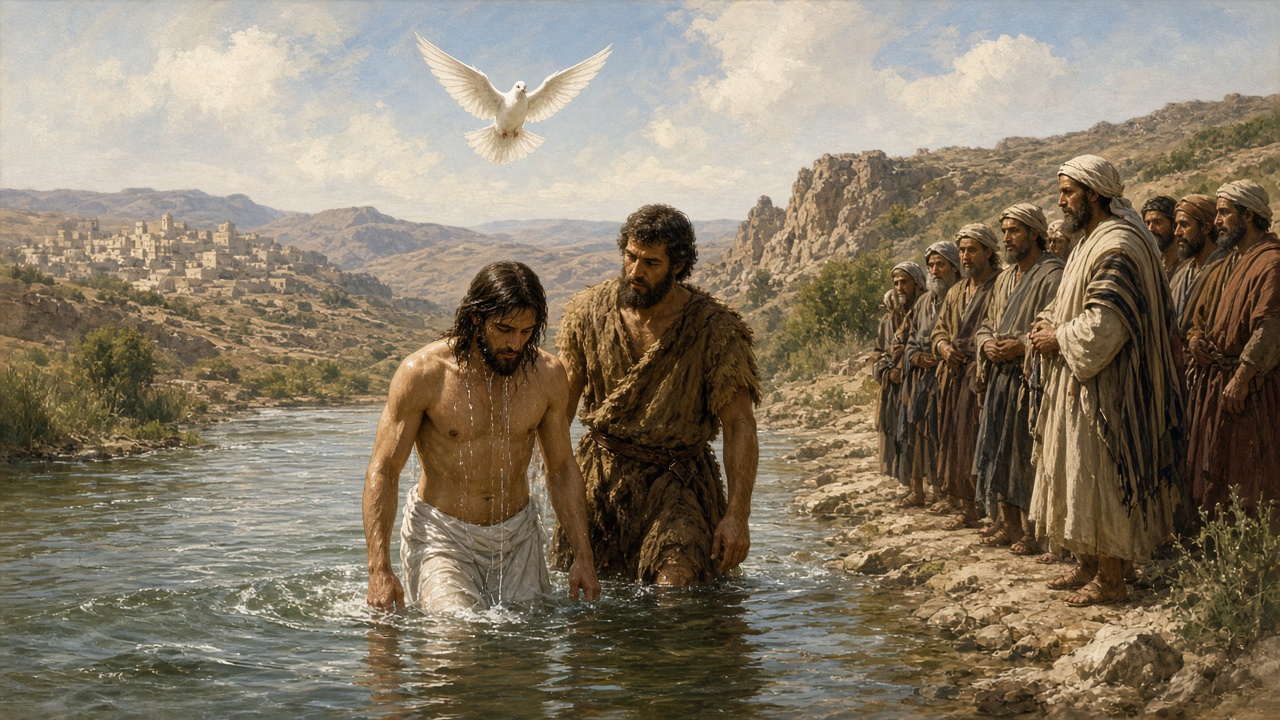
13Maˊja̱ˉ yaꜙhë̱ë̱ꜗ Jesús hwaꜗ Galilea, ngooyꜗ taꜙ chaˊjmɨɨˉ Jordán jeeˊ maˊ chehꜗ Jwa̱a̱ꜚ mahꜗ sa̱a̱yꜙ jmɨɨˉ. 14Pero Jwa̱a̱ꜚ saꜙ maˊ hii˜ maˊ cha̱a̱yˈ jmɨɨˉ. Maˊ jäyhꜘ sɨɨyhꜙ:
—Jnäꜘ baˊ jmeeꜙ biiꜗ kinꜙ cha̱a̱hˊ jnäꜘ jmɨɨˉ, mahꜗ hneˉ baˊ ngɨɨhˊ kinꜙ cha̱a̱nˊ hneˉ jmɨɨˉ.
15Mahꜗ gaꜙje̱e̱hˉ Jesús juuˈ kiyhꜗ gaꜙsɨɨyhꜙ:
—Tä̱ä̱ꜘ baˊ kihˈ. Jëëhꜘ, läꜙja̱ˉ baˊ so̱o̱h˜ jnänˋ miˊtenˋ läꜙjëꜙ madaꜚ heˉ gaꜙjmeeꜘ Dio.
Ja̱ˉgaˊ gaꜙhe̱e̱hˉ Jwa̱a̱ꜚ gaꜙcha̱a̱yꜗ Jesús jmɨɨˉ. 16Maˉngëëꜘ maˉsa̱a̱ˉ Jesús jmɨɨˉ, yaꜙhë̱ë̱yꜗ chaˊjmɨɨˉ. Läꜙcha̱hꜘ ja̱ˉ gaꜙnaꜘ gyʉʉhˈ jmɨˉgyʉʉꜙ mahꜗ gaꜙjëëꜗ Jesús Jmɨˉlleꜘ kihꜗ Dio gaꜙjyooꜗ nëˊ kiyhˈ, la̱a̱ꜗ läꜙko̱o̱ˉ ja̱a̱ˉ juuˉ. 17Maˊja̱ˉ gaꜙläꜙnʉʉhꜘ ko̱o̱ˉ juuˈ heˉ jaꜗ gyʉʉhˈ heˉ maˊ jähꜘ:
—Hi̱ˉ laˉ heꜘ gyʉ̱ʉ̱ˉ kya̱a̱nꜙ hi̱ˉ hnaanꜙ. Peerꜙ cha̱a̱nˉ lluꜗ kya̱a̱yhˊ.
¿Sabías que…?
Arrepentimiento y bautismo en el Jordán
- Mateo identifica a Juan el Bautista como aquel de quien habló el profeta Isaías: una voz que clama en el desierto: “Preparen el camino del Señor”. El Diccionario Bíblico de Easton (1897) registra que la misión de Juan fue objeto de profecía, al citar este pasaje, Isaías 40:3 y Malaquías 3:1, y que era de linaje sacerdotal: su padre Zacarías, sacerdote del turno de Abías, y su madre Elisabet, de las hijas de Aarón. Una cronología fecha tanto el inicio del ministerio de Juan como su bautismo de Jesús en el año 26 d. C.Fuentes: el propio texto bíblico · John the Baptist · John the Baptist Begins Ministry · John Baptizes Jesus
- Juan vino predicando en el desierto de Judea, y personas de Jerusalén, de toda Judea y de toda la región alrededor del Jordán salieron a su encuentro, confesando sus pecados y siendo bautizadas en el río Jordán. El Diccionario Bíblico de Easton (1897) señala que, bajo los romanos, en el tiempo de Cristo, Judea designaba la más meridional de las tres divisiones de Palestina, distinta de Galilea y Samaria, e incluía los territorios de Judá, Benjamín, Dan, Simeón y parte de Efraín. Jesús vino de Galilea —llamada Galil por los judíos— al Jordán para ser bautizado por Juan.Fuentes: el propio texto bíblico · Judea · Galilee
- Juan advirtió a los fariseos y saduceos que no se apoyaran en la afirmación “Tenemos a Abraham por padre”, diciendo que Dios podía levantar hijos para Abraham de entre las piedras. El Diccionario Bíblico de Easton (1897) explica el nombre Abraham como “padre de una multitud” y lo describe como hijo de Taré, nombrado antes que sus hermanos mayores porque era el heredero de las promesas.Fuentes: el propio texto bíblico · Abraham
Notas escritas con ayuda de IA a partir de fuentes abiertas (Theographic Bible Metadata, CC BY-SA 4.0; Easton’s Bible Dictionary, dominio público) y revisadas antes de publicarse.
Lugares de este capítulo
- Judea · Hoy: Judea 1 · 31.777, 35.234 · versículos 1, 5
- Jerusalem · 31.777, 35.234 · versículo 5
- Jordan · Hoy: Jordan River · 31.761, 35.558 · versículos 5, 6, 13
- Galilee · 32.760, 35.527 · versículo 13
Solo aparecen lugares identificados con alta confianza (90 % o más según las fuentes académicas reunidas por OpenBible). Mapa de la época: DARE (Digital Atlas of the Roman Empire), CC BY 4.0; mapa actual: © colaboradores de OpenStreetMap; lugares: OpenBible.info (CC BY 4.0).
Créditos y licencia de esta traducción
Hmooh hmëë he- ga-jmee Jesucristo; Salmos
New Testament and Psalms in Chinantec, Ozumacín (MX:chz:Chinantec, Ozumacín)
copyright © 2003 Wycliffe Bible Translators, Inc.
Language: Chinantec, Ozumacín
Translation by: Wycliffe Bible Translators, Inc.
Chinanteco, Ozumacín [chz], Mexico
Copyright Information
© 2003, Wycliffe Bible Translators, Inc.
This translation text is made available to you under the
terms of the Creative Commons License: Attribution-Noncommercial-No Derivative Works.
( http://creativecommons.org/licenses/by-nc-nd/3.0/ )
In addition, you have permission to port the text to different file formats, as long as you
do not change any of the text or punctuation of the Bible.
You may share, copy, distribute, transmit, and extract portions
or quotations from this work, provided that you include the above copyright
information:
You must give Attribution to the work.
You do not sell this work for a profit.
You do not make any derivative works that change any of the actual words or punctuation of the Scriptures.
Permissions beyond the scope of this license may be
available if you contact
us with your request.
The New Testament and Psalms
in Chinantec, Ozumacín
© 2003, Wycliffe Bible Translators, Inc.
This translation is made available to you under the terms of the
Creative Commons Attribution-Noncommercial-No Derivatives license 4.0.
You may share and redistribute this Bible translation or extracts from it in any format, provided that:
You include the above copyright and source information.
You do not sell this work for a profit.
You do not change any of the words or punctuation of the Scriptures.
Pictures included with Scriptures and other documents on this site are licensed just for use with those Scriptures and documents.
For other uses, please contact the respective copyright owners.
2014-04-22
Fuente: http://ebible.org/chzNTps/ · eBible.org