Salmos 108
Paipel · Toca un versículo para ver sus referencias cruzadas.
Eu iotekin tüngor alilis pokiten chon oput
Echö än Tafit köl.
1Üa apilüköch, ai Kot,
üa apilüköch.
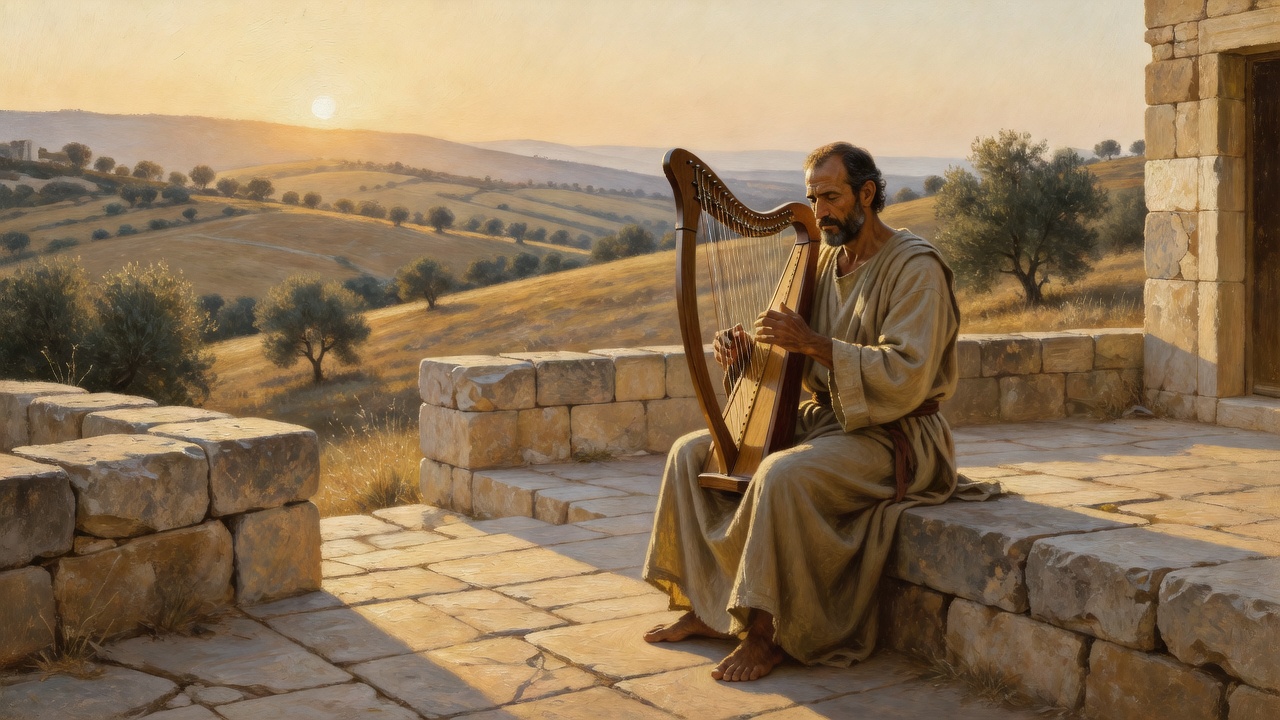
Üpwe köl o mwareituk.
Ngüni, kopwe pwök.
2Ekewe kitar me ükülele repwe pwök.
Üpwe apwökü mallen rän.
3Ai Samol mi Lapalap, üpwe kilisou ngonuk me lein ekewe mwichen aramas,
üpwe kölün mwareituk me lein chon ekewe mwü.
4Pun om tong ellet a tekia seni ekewe läng,
om allükülük a tori ekewe kuchu.
5Ai Kot, kopwe pwäri om tekia asen ekewe läng.
Om ling epwe pwäla won unusen fanüfan.
6Kopwe amanauakem ren om manaman o pälüeni ai iotek.
pwe chokewe ka tongeer repwe ngasala.
7Kot a kapas me lon imwan mi pin,
“Lon ai meseik üpwe ineti Sikem
o aineti ewe lemolun Sukot ngeni nei aramas.
8Kiliat fanüei, Manasa pwal fanüei,
Efraim imwei akkau,
Juta woki wokun king.
9Moap sepiei sepien töttöl,
üpwe moneela ipwei sus won Etom asisilan pwe fanüei,
nge won ewe fanü Filistia üpwe arükak fän ai win.”
10Iö epwe emwenieilong lon ewe telinimw mi pöchökül tittin?
Iö epwe emweniei ngeni Etom?
11Ai Kot, ifa usun, ka wesewesen pöütikeemila?
Ifa usun, kosap chüen eti äm mwichen sounfiu le feila maun?
12Kopwe alisikem, pwe aipwe tongeni maun ngeni ekewe chon oputakem,
pun än aramas alilis a lomotongau.
13Are Kot a etikich, kich sipwe win,
i echök epwe akufu chon oputakich.
¿Sabías que…?
El gobierno divino sobre las naciones
- El salmo nombra territorios clave a ambos lados del río Jordán, desde Siquem y el valle de Sucot hasta Galaad, Manasés, Efraín y Judá. Estas referencias geográficas presentan toda la región bajo la posesión y el cuidado divinos.Fuentes: el propio texto bíblico · Shechem · Valley of Succoth · Gilead
- Entre las regiones vecinas mencionadas figuran Moab al este del mar Muerto, la montañosa tierra de Edom al sur y Filistea en la costa. El texto recurre a metáforas elocuentes, como arrojar la sandalia sobre Edom o llamar a Moab jofaina de lavado, para afirmar el dominio sobre estos rivales históricos.Fuentes: el propio texto bíblico · Edom · Moab · Philistia
Notas escritas con ayuda de IA a partir de fuentes abiertas (Theographic Bible Metadata, CC BY-SA 4.0; Easton’s Bible Dictionary, dominio público) y revisadas antes de publicarse.
Lugares de este capítulo
- Shechem · Hoy: Tell Balatah · 32.214, 35.282 · versículo 7
- Valley of Succoth · 32.197, 35.621 · versículo 7
- Gilead · Hoy: Gilead 1 · 32.187, 35.692 · versículo 8
- Edom · 30.746, 35.604 · versículos 9, 10
- Moab · Hoy: Moab 1 · 31.181, 35.701 · versículo 9
- Philistia · 31.664, 34.546 · versículo 9
Solo aparecen lugares identificados con alta confianza (90 % o más según las fuentes académicas reunidas por OpenBible). Mapa de la época: DARE (Digital Atlas of the Roman Empire), CC BY 4.0; mapa actual: © colaboradores de OpenStreetMap; lugares: OpenBible.info (CC BY 4.0).
Créditos y licencia de esta traducción
Paipel
The Holy Bible in the Chuukese language of the Federated States of Micronesia
copyright © 1984, 1989, 1991, 2001 Liebenzel Mission
Language: Chuukese
Translation by: Liebenzell Mission
Old Testament © 1989, 2001 Liebenzel Mission
New Testament © 1984, 1991 Liebenzel Mission
This translation is made available to you under the terms of the
Creative Commons Attribution-No Derivatives license 4.0.
You may share and redistribute this Bible translation or extracts from it in any format, provided that:
You include the above copyright and source information.
You do not make any derivative works that change any of the actual words or punctuation of the Scriptures.
Pictures included with Scriptures and other documents on this site are licensed just for use with those Scriptures and documents.
For other uses, please contact the respective copyright owners.
2024-01-24
Fuente: http://ebible.org/chk/ · eBible.org