Marcos 3
Thukam Thar Lente Ṭon · Toca un versículo para ver sus referencias cruzadas.
Kutze Pa
1Cun Jesuh cu Sinakok ah a lut sal ih, cuva ah kutze pa pakhat a um. 2Mi hrekkhat nih Jesuh cu sual an puh theinak dingah, Sabbath ni ah cupa cu a damter thok maw damter thok lo tiah ṭhangai in an zoh. 3Jesuh nih cuvai kutze pa cu, “Hang ding la, hmai ah va suak hnik,” tiah thu a pe. 4Cun Jesuh nih an sinah, “Daan nih Sabbath ni ah thil ṭha tuah maw, thil ṭha lo tuah hi a kham? Mi nunnak run maw, thah hi a kham?” tiah a sut hnei.
Asinain an dai ṭhipṭhep. 5Cun Jesuh nih thinsia in a zoh hnei vivo ih an thinlung a ruh tuk ruangah a riah a se ngai. Cun cuvai kutze pa cu, “Na ban cu pharh,” tiah a ti. 6Farasi pawl cu lengah an suak ih Herod ih milai pawl thawn Jesuh thah thei dan ding an relkhawm lohli.
Tili Kap ih Miburpi
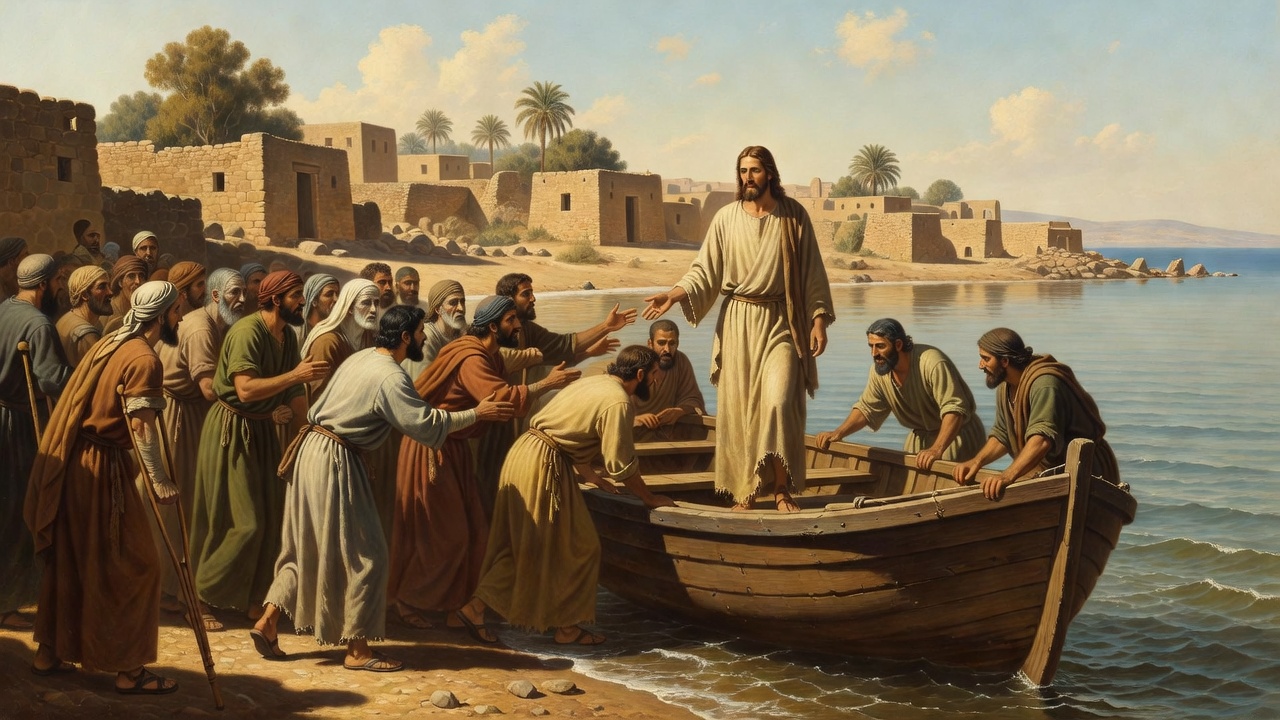
7Jesuh cu a dungthluntu pawl thawn Galilee Tili ah an va feh; miburpi nih Jesuh cu an thlun. Anni cu Galilee peng, Judea peng, 8Jerusalem khua, Idumea peng, Jordan tikua kiangkap, Tai-ar le Sidon khua kiangkap in a tiangmi pawl an i. Jesuh ih thil tuahmi pawl an theih ruangih a tiangmi pawl an i. 9Minung an tamtuk ih mipi pawl nih an pah lonak dingah lawng fate timlam sak cia dingin Jesuh nih a dungthluntu pawl cu a forh hnei. 10Mifak tamngai a damter ruangah mifak pawl cu Jesuh tham ngah dingin an cuh fa deido. 11Cun thlarau sia pawl nih Jesuh an hmuh cangcangin a hmai ah an bok ih, “Nang cu Pathian ih Fapa na si,” tiah an hek.
12Cun Jesuh nih ama cu hutu a si tih khi mi an sip lonak dingah cuvai thlarau sia pawl cu ralrinnak a pe hnei.
Jesuh nih Forhthlah Hleinih A Hril
13Cun Jesuh cu tlang cungah a kai ih a duh mi pawl a sinah a ko hnei; cule a sinah an tiang. 14Cun a sinih umtu dingah le thusimtu dingih a thlah hnei theinak dingah minung hleinih a hril. 15Cule khawsia pawl dawisuah theinak thuneihnak khaw a pe hnei.
16Cun minung hleinih a hril mi ih hmin pawl cu: Simon (Peter tiah hmin a sakmi), 17Zebedi ih fapa James le a naupa Johan (Jesuh nih Boanerges tiah hmin a sak hnei, Khawhri ih fale tinak a i), 18Andru, Philip, Bartholomeo, Matthai, Thomas, Alfias ih fapa James, Thaddaeus, Phunṭan Simon le, 19Jesuh zuarthlaitu Judas Iskariot pawl an si.
Jesuh le Beelzebul
20Cun Jesuh cu inn ah a ṭin. Mipi cu a sinah an tiang sal sei ruangah Jesuh le a dungthluntu pawl cu caw hman an ei man lo. 21Cuvai thu cu a sungkua pawl nih an fiah ih, mi nih “Jesuh cu a aa i,” tiah an tih ruangah, Jesuh kilkhawi dingah an feh.
22Jerusalem ih a tiangmi daanthiam pawl nih, “Hi pa hi Beelzebul ih luhhnawhmi a i. Khawsia uktu bawi ih thuneihnak thawn khawsia pawl a dawisuak,” tiah an ti.
23Cun Jesuh nih a sinah a ko hnei ih tahṭhipnak hmangin thu a sim hnei, “Zangtin Seihtan nih Seihtan lala a dawisuak thei thok maw? 24Ram pakhat cu ṭhenṭhek fa in ama le ma a dohfak ahcun, cuvai ram cu rei a ding thei thok lo. 25Innsang pakhat cu ṭhenṭhek fa in ama le ma a dohfak ahcun, cuvai sungkua cu rei a ding thei thok lo. 26Cun Seihtan cu ama le ma do fa in a ṭhenṭhek fak a sih ahcun, rei a ding thei thok lo ih a siatral thok.
27“Asinain thaṭha pa cu hri thawn an khih hmasak lo ahcun, hutukhaw nih a inn songah lut pit in a thil an laksak thei thok lo.
28“Thutak in nan ta sim, minung pawl ih sualnak hmahhmah le zangmang midang thangsiatnak an ṭonmi pawl cu ngaihthiam an i thok. 29Asinain hutukhaw Thlarau Thianghlim a thangsiattu cu ngaihthiam a i kel thok lo, zangahtihle kumkhua daih sualnak a tuah,” tiah a ti. 30Zangruangah tih le “Hi pa hi thlarau thianglo a sungah a um,” tiah an tih ruangah a si.
Jesuh ih Nu le A Unau pawl
31Cun Jesuh ih nu le a unau pawl cu an tiang, inn lengah an ding ih, Jesuh kawhsak dingah mi an forh. 32Jesuh ih hramah minung tamngai an to ih an ni nih, “Zohhnik, na nu le, na naunu le, na naupa le pawl nih ta hrawl eng, inn leng ah an um,” tiah an ti.
33Jesuh nih, “Ka nu le ka unau pawl cu hutu le an si?” tiah a sut hnei. 34A hramih totu pawl cu a zoh hnei ih, “Ka nu le ka unau pawl cu hiva ah an um. 35Hutu khaw sisehla Pathian ih duhnak a tuahtu hmahhmah cu ka nu le ka unau pawl an si,” tiah a ti.
¿Sabías que…?
Multitudes, los Doce y la acusación de Satanás
- Varios de los hombres que Jesús designó como los doce habían sido pescadores en Galilea. Simón, a quien llamó Pedro, y su hermano Andrés eran de Betsaida; Santiago y Juan, hijos de Zebedeo, pescaban en sociedad con Pedro. Jesús llamó a esos hermanos Boanerges, “Hijos del Trueno”; el Diccionario Bíblico de Easton (1897) dice que probablemente recibieron ese nombre por su audacia y su energía.Fuentes: Simon Peter · Andrew · James (Son of Zebedee) · el propio texto bíblico
- La gente se agolpaba desde Galilea, Judea, Jerusalén, Idumea, el otro lado del Jordán y la región de Tiro y Sidón, porque había oído lo que Jesús hacía. Tiro y Sidón eran antiguas ciudades fenicias del Mediterráneo; Sidón estaba a unas veinticinco millas al norte de Tiro. Bajo los romanos, Judea era la más meridional de las tres divisiones de Palestina, distinta de Galilea.Fuentes: el propio texto bíblico · Tyre · Sidon · Judea
- Unos escribas que habían bajado de Jerusalén decían que Jesús estaba poseído por Beelzebul y que expulsaba demonios por el príncipe de los demonios. Él respondió preguntando cómo Satanás puede expulsar a Satanás. Satanás significa “adversario” o “acusador”; en el Nuevo Testamento el nombre se usa de manera intercambiable con el diablo, y el Diccionario Bíblico de Easton (1897) también lo llama Beelzebub.Fuentes: el propio texto bíblico · Satan
Notas escritas con ayuda de IA a partir de fuentes abiertas (Theographic Bible Metadata, CC BY-SA 4.0; Easton’s Bible Dictionary, dominio público) y revisadas antes de publicarse.
Lugares de este capítulo
- Galilee · 32.760, 35.527 · versículo 7
- Judea · Hoy: Judea 1 · 31.777, 35.234 · versículo 7
- Idumea · 31.525, 35.102 · versículo 8
- Jerusalem · 31.777, 35.234 · versículos 8, 22
- Jordan · Hoy: Jordan River · 31.761, 35.558 · versículo 8
- Sidon · Hoy: Sandikli archaeological site in Sidon · 33.561, 35.372 · versículo 8
- Tyre · 33.271, 35.196 · versículo 8
Solo aparecen lugares identificados con alta confianza (90 % o más según las fuentes académicas reunidas por OpenBible). Mapa de la época: DARE (Digital Atlas of the Roman Empire), CC BY 4.0; mapa actual: © colaboradores de OpenStreetMap; lugares: OpenBible.info (CC BY 4.0).
Créditos y licencia de esta traducción
Thukam Thar Lente Ṭon
The Holy Bible in the Falam Chin language of Myanmar: Thukam Thar Lente Ṭon
copyright © 2025 The Word for the World International
Language: Falam
Contributor: The Word for the World International
Lente Thukam Thar
The New Testament in Lente Language
The Word for the word
This translation is made available to you under the terms of the
Creative Commons Attribution Share-Alike license 4.0.
You have permission to share and redistribute this Bible translation in any format and to make reasonable revisions and adaptations of this translation, provided that:
You include the above copyright and source information.
If you make any changes to the text, you must indicate that you did so in a way that makes it clear that the original licensor is not necessarily endorsing your changes.
If you redistribute this text, you must distribute your contributions under the same license as the original.
Pictures included with Scriptures and other documents on this site are licensed just for use with those Scriptures and documents.
For other uses, please contact the respective copyright owners.
Note that in addition to the rules above, revising and adapting God's Word involves a great responsibility to be true to God's Word. See Revelation 22:18-19.
2025-07-02
Fuente: http://ebible.org/cfm/ · eBible.org