Gálatas 2
Dios ã jáap naáwát tólih · Toca un versículo para ver sus referencias cruzadas.
Cristo ã naáwát tʉ́ʉtnit maáta Pablodih ĩ wẽi jwãáát
1Catorce jópchi tʉ́ttimah, Diosboó weemdíh Jerusalén tʉ́tchina ã bejat tʉ́ʉtʉchah, Bernabéjĩh caanná wã jwʉ́ʉb bejep jĩ. Pánih bejna, Titodihbʉt jwĩ nʉmah bejep jĩ. Caánboó judío nihcanni, jwĩ nʉowã ĩ wʉtat pah bóodcanni ã jʉmʉp jĩ. Caanná jʉibína, caánboó jʉmnit Jesúíhwã ĩ maátajeh ĩ míic wáacachah, judíowã nihcannitdih tʉ́ini doonádih ded pah wã bohéátdih queétdih wã naáwáp jĩ. Pánih naóhnit, ded pah wãpĩ́ bohéátdih queét ĩ tʉ́i jéihyatdih wã náah yacap jĩ. Pánih jéihcan, wã bohéátdih ĩ wẽicah, wã tewat bʉʉdní ãta jʉm taga. Obohjeéhtih, ded pah wã bohéátdih jéihnit, ĩ tʉ́i weñep jĩ. 3Páant wã naáwáchah wẽi joiná, Tito bóodcanni ã jʉmʉchah yʉhna, “Meembʉ́t ma bóodat tʉ́ʉtʉ́”, caandíh ĩ niijcáp jĩ. 4Queét maáta biícdih jwĩ míic wéhe láa, jwiít Jesúíhwã nihat biícdih jwĩ míic wáacachah, biquína “Jesúsdih jepahnit jwĩ jʉmna caá”, niíj yeenitbʉt ĩt waadáp jĩ. Pánih waadnít, judíowã nihcannitdihbʉt ĩ bóodat tʉ́ʉtʉp yʉh jĩ. Obohjeéhtih, bʉʉ Jesúíhwã jʉmna, jwĩ nʉowã ĩ naáwátjidih jepahcan, Jesúsdihjeh jwĩ tʉ́i jenah joiná caá. “Páant jwĩ chãjachah, jwĩ íipboó jwiítdih ã tʉ́i enna caá”, jwĩ niíj jéihna caá. Páant niíj jéihnit jwĩ jʉmʉchah enna, jwiítdih jʉ̃ihñat tʉ́ʉt niijná, ded pah jwĩ chãjatdih jéihíhna, queét jwĩjeéh ĩt waadáp tajĩ. Pánih waadnít, jwĩ nʉowã ĩ naáwátji biíc yoobó jwiítdih ĩ jepah beedáát tʉ́ʉtʉp yʉh jĩ, páant mʉntih. 5Páant ĩ wʉtʉchah yʉhna, tʉ́ini doonádih ñi jéihyat pínah niijná, jwiítboó queétdih jwĩ jepahcap jĩ.
6Pánihna, Jesúíhwã ĩ maáta tʉ́ini doonádih ded pah wã bohéátdih joinít, “Ma bohéát pahjeh tih judíowã nihcannitdih ma bohénaá”, niíj naóhnit, weemdíh biíh wʉtatdih ĩ bohéát tʉ́ʉtcap jĩ. Queét Jesúíhwã ĩ maátadih “Queétboó chah jéihnit caá”, biquína ĩ niíj jenah joyóchah yʉhna, dedé pínah weemdíh nihcan caá. Diosboó nihatdih biíc yoobó ã jenah joiná caá. 7Queét ded pah wã bohéátdih tʉ́i wẽinit, “Pedrodih jwiít judíowãdih ã bohéát pínah niijná, Dios ãt ñíojip taga. Pánihat pah, Pablodihbʉt judíowã nihcannitboodíh ãt bohé jibat tʉ́ʉtʉp taga”, ĩ míic niijíp jĩ. 8Judíowãdih Pedro ã bohénachah, Dios bʉ́dí ãt teo wáacap wʉt jĩ. Weembʉ́t judíowã nihcannitdih wã bohénachah, Dios biíc yoobó ã teo wáacachah, queétbʉt ĩ tʉ́i jepahap jĩ.
9Pánihna, Santiago, Pedro, Juanjĩh, Jesúíhwã ĩ maáta yoobát, Dios weemdíh bʉ́dí ã teo wáacatjidih jéihnit, “Dios yoobópdih ãt ñío wahap taga, jwĩ déewã nihcannitdih ã naáwát pínah niijná”, ĩ míic niijíp jĩ. Páant niijnít, weemdíh Bernabédihbʉt bʉ́dí wẽinit, “Jwĩ tʉ́i míic teo wáac jĩíh”, niijná, jwĩ míic mʉj tewep jĩ. Pánih mʉj teonit, “Yeéb jwĩ déewã nihcannitdih ñi bohéátji pah ñi tʉ́i naáwá. Jwiítboó jwĩ déewãdihjeh jwĩ naóhbipna caá”, Santiagowã jwiítdih ĩ niijíp jĩ. “Páant tií ã jʉmʉ nah”, jwĩ míic niijíp jĩ. 10Páant niijná, Jesúíhwã moh yéejnitdih jwiítdih ĩ teo wáacat tʉ́ʉtʉp jĩ. Weembʉ́t moh yéejnitdih bʉ́dí jĩ́gah ennit, wãpĩ́ teo wáacna caá. Páant niíj míic wéhe péanit, jwiít Antioquía tʉ́tchina jwĩ jwʉ́ʉb bejep jĩ.
Pablo Pedrodih ã jʉ̃ihñat
11Tʉ́ttimah, Pedrobʉt Antioquía tʉ́tchiboó ã jʉibínap jĩ. Obohjeéhtih, jwĩ pebhna jʉibíniji, yoobópdih ã chãjcat peéh caandíh wã jʉ̃ihñʉp jĩ. 12Nin pah ã chãjap jĩ: Jwĩ nʉowã “Jwiít judíowã bóodcannit biícdih jwĩ jeéméchah ã tʉ́ican caá”, ĩ niijátji ã jʉmʉchah yʉhna, Pedroboó jwĩ pebh jwíih jʉibína, jwĩ déewã nihcannit biícdih ã tʉ́i míic wẽp jwʉhʉp jĩ. Obohjeéhtih, biquína jwĩ déewã, Santiago ã chéenwãboó ĩ jʉibínachah ennit, jwĩ déewã nihcannitdih cádahnit, Pedroboó “Bʉʉ jʉinít bóodat tʉ́ʉtnit weemdíh jʉ̃ihná”, niijná, ĩjeéh ã jwʉ́ʉb míic wẽpcap jĩ. 13Páant ã yee bʉʉgʉ́chah ennit, bita jwĩ déewãbʉt caandíh míic jéih ennit, queétbʉt biíc yoobó ĩ cádahap jĩ. Bernabé yʉh bʉca tʉ́i jéihni jʉmna yʉhna, queét ĩ chãjat biíc yoobó caanbʉ́t ã cádahap jĩ. 14Pánih cádahnit, “Nihat Jesúsdihjeh jepahnitdih Dios biíc yoobó ã wẽi enna caá”, ĩpĩ́ niíj bohéát pah queét ĩ cádahap jĩ. Páant ĩ cádahachah ennit, nihat Jesúíhwã ĩ joyóchah, nin pah Pedrodih wã niíj jʉ̃ihñʉp jĩ: “Meém judío jʉmna yʉhna, Jesucristodih jepahna, jwĩ nʉowã ĩ naáwátjidih ma tʉ́i jenah joí cádahap jĩ. Pánih cádahnit, judíowã nihcannit ĩ chãjat pah queét biícdih ma tʉ́i jeémp jwʉhʉp be. Obohjeéhtih, bʉʉ queétdih cádahnit, jwĩ nʉowã ĩ naáwátjidih ma jwʉ́ʉb jepahachah ennit, queét jwĩ déewã nihcannit nin pah ĩ niíj jenah joiná nacaá: ‘Pedro páant ã jwʉ́ʉb jenah joyóchah, queét judíowã ĩ nʉowã ĩ naáwátjidih jwiítdihbʉt jepahat caá náahap’, ĩ niíj jenah joiná nacaá. Páant ma chãjat ã tʉ́ican caá”, Pedrodih wã niijíp jĩ.
Jesúsdih tʉ́i jenah joinítdih Dios ã wẽi enat
15Jwĩ nʉowã judíowãjeh ĩtát jʉmʉp tajĩ. Pánihna, jwiítbʉt ĩ jʉimená judíowãjeh mʉntih jwĩ jʉmna caá. Pánih jʉmnit, Dios ã wʉtatdih jéihnit jwĩ jʉmna caá. Obohjeéhtih, queét judíowã nihcannit Diosdih ĩ jéihcan caá. 16Pánihna judíowã jʉmna yʉhna, caán wʉtatdih jwĩ jéih jepah beedácatdih jwĩ jéihna caá. Caandíh jepahcat jíib “Queét tʉ́init caá”, jwiítdih Dios ã niíj encatdihbʉt jwĩ jéihna caá. Obohjeéhtih, Jesucristodihjeh tʉ́i jenah joinít jwĩ jepahat jíib, “Queét tʉ́init caá”, Dios jwiítdih ã niíj enna caá. Pánih jéihnit, jwiít judíowã yʉhna, Jesucristodihjeh tʉ́i jenah joinít, jwĩ jepahap jĩ, “Queét tʉ́init caá”, Dios jwiítdih ã niíj enat pínah niijná. Jwiít cã́acwã Moisés ã wʉtatjidih jéih jepah beedácannit míic jwĩ jʉmna caá. Pánihna, caandíh jwĩ jepahcat jíib, “Queét tʉ́init caá”, Dios ã niíj encan niít. Caandíh jéihnit, “Caán wʉtatdih joí waadánachah, Dios jwiítdih ã tʉ́i wẽi enna caá”, jwĩ niíj jenah joicán caá.
17Pánihna, Cristodih jepahnit, “Queét tʉ́init caá”, Dios jwiítdih ã niíj enat pínah niijná, caán wʉtatdih cádahna caá jwĩ chãjap. Obohjeéhtih, páant jwĩ cádahachah ennit, bita jwĩ déewã caán wʉtatdih tʉ́i jepahat tʉ́ʉtnitboó “Queét jwĩ déewã nihcannit pah yéej chãjnit ĩ jʉmna caá”, jwiítdih ĩ niíj jenah joiná caá. Páant ĩ niíj jenah joyát pah jwiítbʉt jenah joinít, “Moisés ã wʉtatjidih cádahat tʉ́ʉtnit, Cristo jwiítdih ã yéej chãjat tʉ́ʉtna caá”, jwĩta niíj jenah joi tágaá. Obohjeéhtih, páant nihcan caá. Pánihna, “Jesucristodih jepahna, Moisés ã wʉtatjidih jwĩ cádahat jíib, yéejnit jwĩ jʉmna caá”, jwĩ niíj jenah joicán caá. 18Cã́acwãdih nin pah wãpĩ́ niíj naóh bohéna caá: “Diosjeéh tʉ́i jʉmíhna, jwĩ nʉowã ĩ naáwátjidih jenah joicán, Jesucristoboodíhjeh tʉ́i jenah joinít, jepahat caá náahap”, wã niijná caá. Obohjeéhtih, páant niíj bohéniji jwʉ́ʉb tʉ́ʉt nʉʉmnít, “Diosjeéh tʉ́i jʉmat tʉ́ʉt niijná, jwĩ nʉowã ĩ naáwátjidih tʉ́i jepahat caá náahap”, niíj naóh bohéna, yéej chãjni yoobát wãta jʉm tagaá. 19Moisés ã wʉtatjidih weémboó tʉ́i jepahcanni jʉmna, caandíh yap yohni wã jʉmna caá. Pánih yap yohni wã jʉmatdih jéihna, “Caandíh wã jepahcat jíib, Dios weemdíh ã wẽi encan caá”, wã niíj jenah joiná caá. Páant niíj jenah joinít, Dios biícdih tʉ́i jʉmat tʉ́ʉt niijná, caán wʉtatdih jenah joí cádahnit, Jesucristoboodíhjeh tʉ́i jenah joinít, wã jepahna caá. 20Caánboó weemdíh oinit, wã yap yohat peéh cruzboó ã wʉn wʉ̃hʉchah, weembʉ́t ãjeéh biícdih wʉnni pah wã jʉmna caá. Pánih wʉnni pah jʉmna, weém wã jenah joyátdihjeh chãj cádahnit, Cristoboodíh tʉ́i jenah joinít, jepahna caá wã chãjap. 21Pánihna, “Dios jwiítdih bʉ́dí ã oyochah, Cristo ã wʉn wʉ̃hat dedé pínah nihcan caá”, wã niijcán caá. Obohjeéhtih, Dios ã wʉtatdih jepahat jíibjeh ãjeéh jwĩ tʉ́i jʉmʉchah, Cristo ã wʉn wʉ̃hat dedé pínah ãta nihcan tagaá.
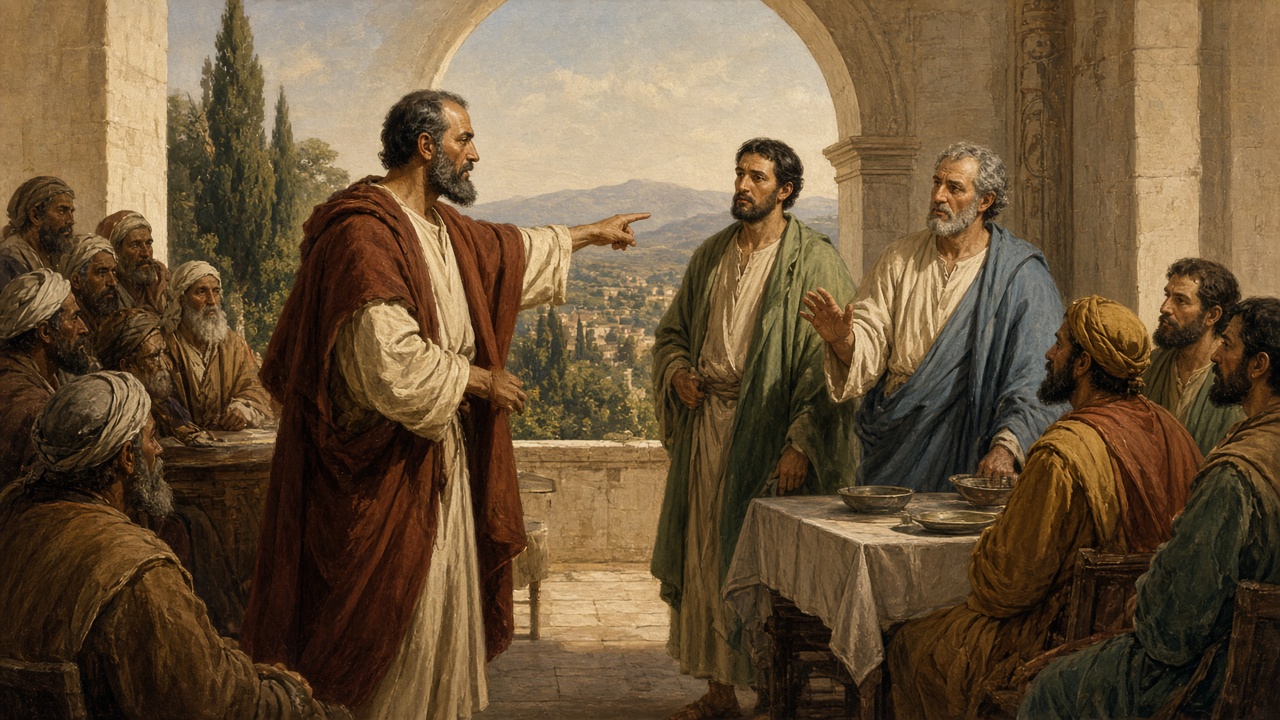
¿Sabías que…?
Gentiles, comunión y un enfrentamiento en Antioquía
- Tito fue con Pablo y Bernabé a Jerusalén. El Easton's Bible Dictionary (1897) dice que parece haber sido gentil y que su nombre no aparece en Hechos. Pablo escribe que Tito, aunque era griego, no fue obligado a circuncidarse.Fuentes: Titus · el propio texto bíblico
- El enfrentamiento posterior tuvo lugar en Antioquía de Siria, a orillas del Orontes, a unas trescientas millas al norte de Jerusalén. La ciudad ocupaba el tercer lugar entre las ciudades del Imperio romano, después de Roma y Alejandría, y fue allí donde a los creyentes se les llamó cristianos por primera vez.Fuentes: Antioch (Syria) · el propio texto bíblico
- El Easton's Bible Dictionary (1897) describe a Santiago, nombrado con Cefas y Juan como uno de los pilares, como cabeza de la iglesia en Jerusalén, donde presidió el concilio sobre los gentiles. Pablo dice que, antes de que llegaran ciertos hombres de parte de Santiago, Cefas solía comer con los gentiles, pero luego se apartó por temor al grupo de la circuncisión.Fuentes: James (Brother of Jesus) · el propio texto bíblico
Notas escritas con ayuda de IA a partir de fuentes abiertas (Theographic Bible Metadata, CC BY-SA 4.0; Easton’s Bible Dictionary, dominio público) y revisadas antes de publicarse.
Lugares de este capítulo
- Jerusalem · 31.777, 35.234 · versículo 1
- Antioch · Hoy: Antioch on the Orontes · 36.227, 36.172 · versículo 11
Solo aparecen lugares identificados con alta confianza (90 % o más según las fuentes académicas reunidas por OpenBible). Mapa de la época: DARE (Digital Atlas of the Roman Empire), CC BY 4.0; mapa actual: © colaboradores de OpenStreetMap; lugares: OpenBible.info (CC BY 4.0).
Créditos y licencia de esta traducción
Dios ã jáap naáwát tólih
New Testament in Cacua
copyright © 2008 Wycliffe Bible Translators, Inc.
Language: Cacua
Translation by: Wycliffe Bible Translators, Inc.
Copyright Information
© 2008, Wycliffe Bible Translators, Inc. All rights reserved.
This translation text is made available to you under the
terms of the Creative Commons License: Attribution-Noncommercial-No Derivative Works.
( http://creativecommons.org/licenses/by-nc-nd/3.0/ )
In addition, you have permission to port the text to different file formats, as long as you
do not change any of the text or punctuation of the Bible.
You may share, copy, distribute, transmit, and extract portions
or quotations from this work, provided that you include the above copyright
information:
You must give Attribution to the work.
You do not sell this work for a profit.
You do not make any derivative works that change any of the actual words or punctuation of the Scriptures.
Permissions beyond the scope of this license may be
available if you contact
us with your request.
The New Testament
in Cacua
© 2008, Wycliffe Bible Translators, Inc. All rights reserved.
This translation is made available to you under the terms of the
Creative Commons Attribution-Noncommercial-No Derivatives license 4.0.
You may share and redistribute this Bible translation or extracts from it in any format, provided that:
You include the above copyright and source information.
You do not sell this work for a profit.
You do not change any of the words or punctuation of the Scriptures.
Pictures included with Scriptures and other documents on this site are licensed just for use with those Scriptures and documents.
For other uses, please contact the respective copyright owners.
2014-08-06
Fuente: http://ebible.org/cbv/ · eBible.org