1 Timoteo 2
Dios ã jáap naáwát tólih · Toca un versículo para ver sus referencias cruzadas.
Jesúíhwã míic wáacnit, ded pah ĩ ʉʉ́bát
1Bʉʉ nin pah meemdíhjeh wã jwíih naóhna caá, bitadihbʉt ma bohéát pínah niijná: Yeéb Jesúíhwã míic wáacnit, nihat cã́acwãdih ñi ʉʉ́bʉ́, queétbʉt Jesúsdih ĩ jepahat pínah niijná. Pánih ʉʉ́bhna, “Tʉ́ina caá, Paá”, caandíh niijátbʉt ã náahna caá. 2Nihat maátadihbʉt ʉʉ́bát náahap, míic mawat wihcan, Dios ã náahat pah chãjnit, ĩ́ih cã́acwã ĩ tʉ́i jʉmat pínah niijná. 3Nihat cã́acwã iiguípna bejnit déedih tʉ́i ʉbat tʉ́ʉt niijná, ã wʉ̃ʉ́íh tʉ́ini doonádih joinít ĩ jepahatdih Dios ã náah yacna caá. Páant bitadih jwĩ ʉʉ́bʉ́chah, bʉ́dí ã wẽina caá. 5Biícjeh tigaá Dios. Obohjeéhtih, jwiítboó yéejnit jʉmna, caán biícdih jwĩ jéih jʉmcan caá. Páant jwĩ jʉmʉchah, nihat cã́acwã ʉ́ʉd jeñé Jesucristojeh jwĩ yéej chãjat jíib ãt wʉn wʉ̃hʉp jĩ, Diosjeéh jwĩ tʉ́i jʉmat pínah niijná. Jesús ã wʉn wʉ̃hatji doonádih Dios ã ñío láa cã́acwãdih ãt jéihya jwíihip jĩ. 7Jesús páant ã jʉmatdih wã naáwát pínah, judíowã nihcannitdih tʉ́ini doonádih wã bohéát pínahbʉt niijná, weemdíh ã ñíwip jĩ. Yoobópdih meemdíh wã naóhna caá. Wã yeecan caá.
Neoná, yaádh ded pah ĩ chãjat
8Queét Jesúíhwã mʉʉná jʉmat yoobó míic wáacnit, biícdih ʉʉ́bhna, neoná yéejat cádahnit jʉmna, téihya aabánit, ĩ ʉʉ́bʉ́ naáh. Íijcan, míic jʉ̃ihñat wihcanjeh ʉʉ́bh waáwát caá náahap. 9Yaádhboó tʉ́inijeh yégueh ĩ dʉwʉ́ naáh, bita ĩ en ñinahcat pínah niijná. Tʉbit mácah jígohni ĩ́ih waó yoócnadih ĩ chãjca bojo naáh. Bita ĩ wẽi naáwát pínahdih bidcanjeh, bʉ́dí jíib jʉmni iigní tõpna, yégueh chóonadihbʉt ĩ dʉocá bojo naáh. 10Queét yaádh ĩ tʉ́i chãja naáh. Pánih chãjna, bitaboó queétdih jenah joiná, ĩ tʉ́i jígohatdih jenah joicán, ded pah ĩ tʉ́i chãjatboodíh ĩ jenah joibípna caá. Páant tigaá Dioíhwã yaádhdih náahap. 11Míic wáacna, laihcanjeh, wẽinit, bohéátdih ĩ tʉ́i joyó naáh. 12Míic wáacnit, yaádh neonádih bohécan, ĩ wʉtca bojo naáh. Laihcan, tʉ́inijeh joí chʉ́ʉdnit yaádh ĩ jʉmʉ naáh. Adándih Dios jwíih chãjnit, caán tʉ́ttimah, Evadih ãt chãjap wʉt jĩ, caandíh teo wáacnih mi jʉmat pínah niijná. Caánt Adándih wʉtnih pínah mit nihcap wʉt jĩ. Nemép ã yeenachah joiní Adán nihcah, Evaboó mit joyóp wʉt jĩ. Páant ã yeenachah joiná, Diosdih mit yap yoh jwíihip wʉt jĩ. 15Obohjeéhtih, yad wili Diosdih mi yap yoh jwíihichah yʉhna, yaádh ĩ wehdih tʉ́i en daonít, Diosdih tʉ́i jenah joí cádahcan, ãjeéh ĩ tʉ́i jʉmbipna caá. Diosdih cã́acwãdihbʉt oinit, ĩ tʉ́i chãjachah, queétdih ã wẽi enbipna caá.
¿Sabías que…?
Oración, adoración modesta y Adán y Eva
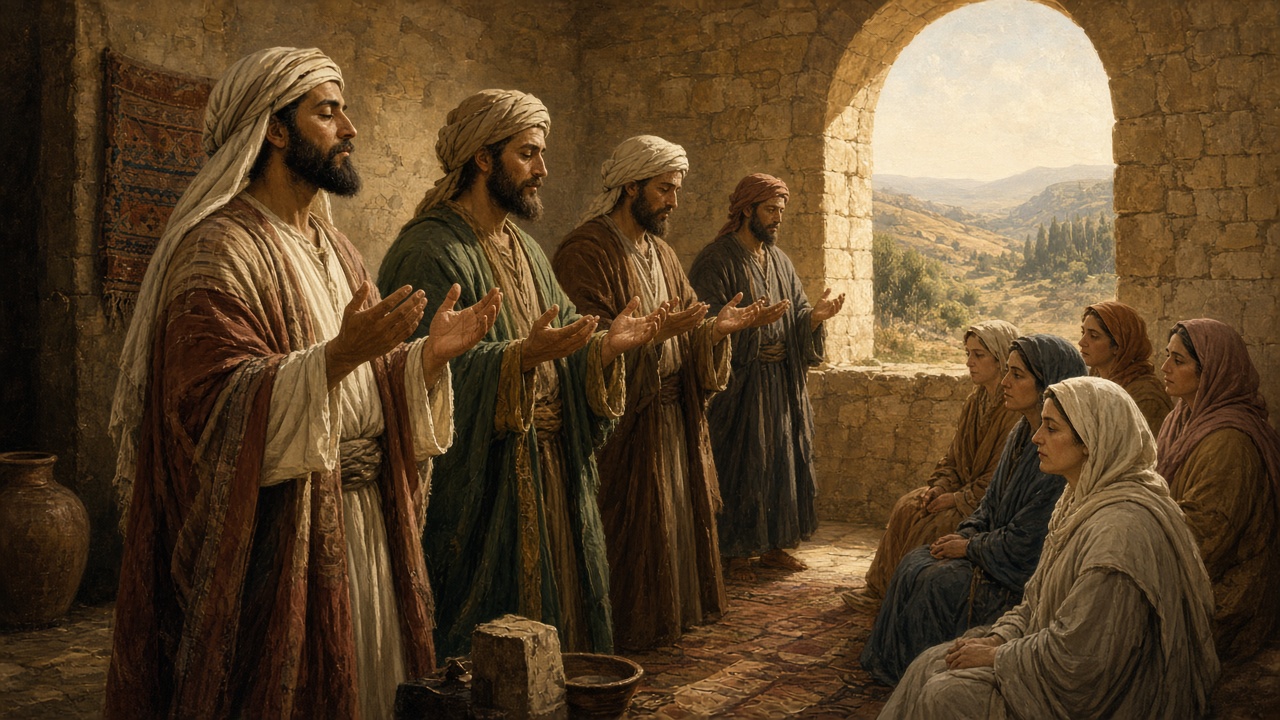
- Este capítulo exhorta a que se ofrezcan peticiones, oraciones, intercesiones y acciones de gracias por todas las personas, incluidos los reyes y todos los que están en autoridad, para que los creyentes puedan llevar una vida tranquila y sosegada, con toda piedad y dignidad. También dice que hay un solo Dios y un solo mediador entre Dios y los hombres, el hombre Cristo Jesús, que se entregó como rescate por todos.Fuentes: el propio texto bíblico
- Cuando la carta dice que Adán fue formado primero, y después Eva, apela al primer hombre del Génesis. El Easton's Bible Dictionary (1897) explica que Adán es una palabra babilónica que significa 'rojo', el nombre genérico de hombre, con el mismo sentido en hebreo y en asirio, y que fue formado del polvo de la tierra.Fuentes: el propio texto bíblico · Adam
- La carta dice que no fue Adán quien fue engañado, sino la mujer, que fue engañada y cayó en transgresión. El Easton's Bible Dictionary (1897) dice que Eva significa 'vida' o 'viviente', el nombre que Adán dio a su esposa, y que el relato de su creación se encuentra en Génesis 2:21-22.Fuentes: el propio texto bíblico · Eve
Notas escritas con ayuda de IA a partir de fuentes abiertas (Theographic Bible Metadata, CC BY-SA 4.0; Easton’s Bible Dictionary, dominio público) y revisadas antes de publicarse.
Créditos y licencia de esta traducción
Dios ã jáap naáwát tólih
New Testament in Cacua
copyright © 2008 Wycliffe Bible Translators, Inc.
Language: Cacua
Translation by: Wycliffe Bible Translators, Inc.
Copyright Information
© 2008, Wycliffe Bible Translators, Inc. All rights reserved.
This translation text is made available to you under the
terms of the Creative Commons License: Attribution-Noncommercial-No Derivative Works.
( http://creativecommons.org/licenses/by-nc-nd/3.0/ )
In addition, you have permission to port the text to different file formats, as long as you
do not change any of the text or punctuation of the Bible.
You may share, copy, distribute, transmit, and extract portions
or quotations from this work, provided that you include the above copyright
information:
You must give Attribution to the work.
You do not sell this work for a profit.
You do not make any derivative works that change any of the actual words or punctuation of the Scriptures.
Permissions beyond the scope of this license may be
available if you contact
us with your request.
The New Testament
in Cacua
© 2008, Wycliffe Bible Translators, Inc. All rights reserved.
This translation is made available to you under the terms of the
Creative Commons Attribution-Noncommercial-No Derivatives license 4.0.
You may share and redistribute this Bible translation or extracts from it in any format, provided that:
You include the above copyright and source information.
You do not sell this work for a profit.
You do not change any of the words or punctuation of the Scriptures.
Pictures included with Scriptures and other documents on this site are licensed just for use with those Scriptures and documents.
For other uses, please contact the respective copyright owners.
2014-08-06
Fuente: http://ebible.org/cbv/ · eBible.org