1 Juan 4
Dios ã jáap naáwát tólih · Toca un versículo para ver sus referencias cruzadas.
Cristodih eníhcannitdih ded pah jwĩ jéihyat
1Wã oinitá, “Tʉ́ini Espíritu weemdíh nin pah ã niíj naáwát tʉ́ʉtna caá”, niíj yeenit, dawá ĩ jʉmna caá. Pánihna, Dios ã naáwát tʉ́ʉtni ã jʉmatdih jéihyat tʉ́ʉt niijná, ded pah ã naáwátdih ñi tʉ́i joyoó. Dios naáwát biíc yoobó ã naóhcah, ñi joyáh bojoó. 2Yoobópdih Tʉ́ini Espíritu ã naáwát tʉ́ʉtni nin pah ã niíj naóhbipna caá: “Jesucristo jwiít panihni cã́ac jʉmna yʉhna, Diosjeh ãt jʉmʉp wʉt jĩ”, ã niijbípna caá. Páant niijní Dios ã wahni ã jʉmna caá. 3Obohjeéhtih, nemépwã ĩ maáh ã wahniboó, “Jesús Dios nihcan caá”, ã niijbípna caá. Páant niijní Dios ã wahni nihcan, Cristodih en jʉ̃ihniíh caá. Cristodih en jʉ̃ihniíhwã dawá ĩ jʉmat pínah doonádih ñitát joi tágaá. Bʉʉ nin baácboó dawá ĩ jʉmna caá.
4Obohjeéhtih, yeébboó, wã oinitá, Dioíhwã ñi jʉmʉchah, Tʉ́ini Espíritu ñijeéh ã jʉmna caá. Jesúsdih jepahcannit, nemépwã ĩ maáh ã wẽpat chah, Tʉ́ini Espírituboó ã wẽpna caá. Pánihna, yeebdíh ĩ yee naáwáchah yʉhna, caán ã wẽpatjĩh queétdih yap yohnit ñi jʉmna caá. 5Queétboó Dioíhwã nihcah, ĩ bohéátbʉt Dioíh nihcan caá. Bita Dioíh nihcannit, ĩ bohéátdih ĩ tʉ́i wẽi joiná caá. 6Obohjeéhtih, Dioíhwã jʉmna, ã naáwátdih jwĩ bohénachah, ã́ihwãboó jwiítdih ĩ tʉ́i wẽi joiná caá. Diosdih jéihcannitboó, jwĩ naáwáchah, ĩ joííhcan caá. Pánihna, Dios naáwátdih ded yoobópdih bohéni, ded yee bohéni ã jʉmatdih ñi jéihbipna caá.
Dios oini caá
7Wã oinitá, oyat wẽpat Dios jwiítdih ã wʉ̃hʉchah, bita ã́ihwãdih jwĩ oi jĩíh. Det bitadih tʉ́i oinit Dios weh ĩ jʉmna caá. Pánih jʉmnitjeh Diosdih jéihnit, ãjeéh ĩ tʉ́i jʉmna caá. 8Dios oini ã jʉmʉchah, bitadih oicannit, Diosdih jéihcan, ãjeéh ĩ jʉmcan caá. 9Dios ã wʉ̃ʉ́h biíc jʉmnidih nin baácboó ãt wah deyanap tajĩ, ã wẽpatjĩh Diosjeéh wẽinit, páantjeh jwĩ jʉmat pínah niijná. Pánih chãjna, ded pah ã oyatdih jwiítdih ãt jéihyanap tajĩ. 10Oyat yoobát nin pah caá ã jʉmʉp: Diosdih jwĩ oyat pah nihcan, jwiítdih Diosboó ã oyat pah caá oyat yoobát ã jʉmʉp. Jwiítdih bʉ́dí oinit, jwĩ yéejat jíib iiguípna bejat déejidih tʉ́i ʉbat tʉ́ʉt niijná, Dios ã wʉ̃ʉ́hdih ãt wʉn wʉ̃hat tʉ́ʉtʉp wʉt jĩ.
11Wã oinitá, Dios jwiítdih caan páh bʉ́dí ã oyochah, jwiítbʉt tʉ́i míic oyat caá náahap. 12Nihat Diosdih encannit jwĩ jʉmna caá. Obohjeéhtih, jwĩ míic oyochah, Diosjeh jwĩjeéh ã jʉmna caá. Páant ã jʉmʉchah, ã náah yacat pah ã oyatjĩh bitadih jwĩ tʉ́i teo wáacna caá. 13Dios jwiítdih ã́ih Tʉ́ini Espíritudih ãt wʉ̃hʉp taga. Páant jwĩjeéh ã jʉmʉchah, “Dios biícdih wã jʉmna caá. Wãjeéh caanbʉ́t ã jʉmna caá”, jwĩ niíj jéihna caá. 14Jwĩ íip ã wʉ̃ʉ́hdih nin baácboó ãt cã́ac jʉmat tʉ́ʉtʉp tajĩ, cã́acwãdih ã tʉ́i ʉbat pínah niijná. Páant ã cã́ac jʉmat tʉ́ʉtnijidih jwiítjeh jwĩ enep jĩ. Pánih ennitji, bitadih jwĩ jéih naóhna caá. 15“Jesús Dios wʉ̃ʉ́h caá”, niijníjeh Diosjeéh ã tʉ́i jʉmna caá. Diosbʉt ãjeéh ã tʉ́i jʉmna caá.
16Dios jwiítdih ã oyatdih jwĩ jéihna caá. Pánih jéihnit, caandíh jwĩ tʉ́i jenah joiná caá. Dios nihat cã́acwãdih bʉ́dí ã oina caá. Pánihna, ded bitadih oini Dios biícdih ã jʉmna caá. Diosbʉt ãjeéh ã jʉmna caá. 17Pánih Dios biícdih jʉmna, caandíh, bitadihbʉt jwĩ tʉ́i oina caá. Pánih oina, cã́acwã ĩ yéejat jíib peéh chãjat yeó jáapdih ʉ́ʉmcanjeh, jwĩ tʉ́i jʉmbipna caá. Cristo ã íip Dios biícdih ã jʉmʉchah, jwiítbʉt nin baácboó jʉm jwʉhna, biíc yoobó caán biícdih jwĩ jʉmna caá. Pánih jʉmnit, ã jwʉ́ʉb dei jʉ̃ʉ́wʉ́chah, jwĩ ʉ́ʉmcan niít. 18Ded Diosdih oini ã oyatdihbʉt jéihna, caandíh ã ʉ́ʉmcan niít. Pánih tʉ́i oina, jwĩ oinidih jwĩ ʉ́ʉmcan caá. Obohjeéhtih, biíhdih ʉ́ʉmna, caán ã peéh chãjat pínahdih jwĩ ʉ́ʉm jenah joiná caá. Pánihna, jwĩ ʉ́ʉmnidih jwĩ oican caá.
19Dios jwiítdih ã oi waáwáchah, jwiítbʉt caandíh, bitadihbʉt jwĩ jéih oina caá. 20Ded ã dée panihnidih eníhcan, “Weém Diosdih wã oina caá”, niijná yʉhna, ã yeena caá. Biíhdih enna yʉhna, ã oican, Dios ã enca naáhdih ã jéih oican caá. 21Pánihna, nin pah jwiítdih Jesucristo ã niíj wʉtʉp jĩ: “Ded Diosdih oina, ã dée panihnidihbʉt oyat caá náahap”, ã niijíp jĩ.
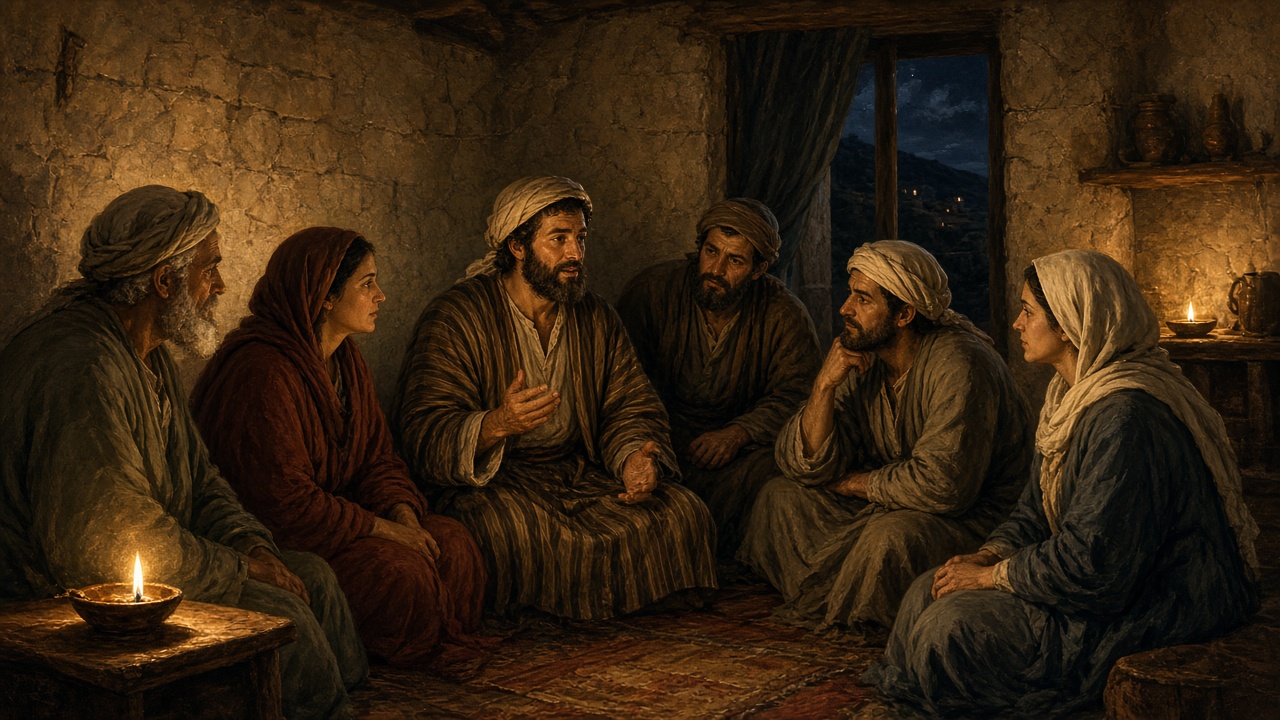
¿Sabías que…?
Probando los espíritus y el amor que viene de Dios
- A los lectores tratados como amados se les dice que no crean a todo espíritu, sino que prueben los espíritus, pues muchos falsos profetas han salido por el mundo. El Espíritu de Dios se reconoce cuando un espíritu confiesa que Jesucristo ha venido en carne; todo espíritu que no confiesa a Jesús no es de Dios y es el espíritu del anticristo, que ya está en el mundo.Fuentes: el propio texto bíblico
- El amor viene de Dios, y Dios es amor, de modo que quien no ama no conoce a Dios. El amor de Dios se reveló al enviar a su Hijo único al mundo como sacrificio expiatorio por los pecados, y a quienes han sido así amados se les dice que deben amarse unos a otros.Fuentes: el propio texto bíblico
- Nadie ha visto jamás a Dios, pero si nos amamos unos a otros, Dios permanece en nosotros y su amor se perfecciona en nosotros. Quien dice “Amo a Dios”, pero odia a su hermano, es mentiroso, pues quien no ama a su hermano, a quien ha visto, no puede amar a Dios, a quien no ha visto, y el mandamiento es que quien ama a Dios también ame a su hermano.Fuentes: el propio texto bíblico
Notas escritas con ayuda de IA a partir de fuentes abiertas (Theographic Bible Metadata, CC BY-SA 4.0; Easton’s Bible Dictionary, dominio público) y revisadas antes de publicarse.
Créditos y licencia de esta traducción
Dios ã jáap naáwát tólih
New Testament in Cacua
copyright © 2008 Wycliffe Bible Translators, Inc.
Language: Cacua
Translation by: Wycliffe Bible Translators, Inc.
Copyright Information
© 2008, Wycliffe Bible Translators, Inc. All rights reserved.
This translation text is made available to you under the
terms of the Creative Commons License: Attribution-Noncommercial-No Derivative Works.
( http://creativecommons.org/licenses/by-nc-nd/3.0/ )
In addition, you have permission to port the text to different file formats, as long as you
do not change any of the text or punctuation of the Bible.
You may share, copy, distribute, transmit, and extract portions
or quotations from this work, provided that you include the above copyright
information:
You must give Attribution to the work.
You do not sell this work for a profit.
You do not make any derivative works that change any of the actual words or punctuation of the Scriptures.
Permissions beyond the scope of this license may be
available if you contact
us with your request.
The New Testament
in Cacua
© 2008, Wycliffe Bible Translators, Inc. All rights reserved.
This translation is made available to you under the terms of the
Creative Commons Attribution-Noncommercial-No Derivatives license 4.0.
You may share and redistribute this Bible translation or extracts from it in any format, provided that:
You include the above copyright and source information.
You do not sell this work for a profit.
You do not change any of the words or punctuation of the Scriptures.
Pictures included with Scriptures and other documents on this site are licensed just for use with those Scriptures and documents.
For other uses, please contact the respective copyright owners.
2014-08-06
Fuente: http://ebible.org/cbv/ · eBible.org