Salmos 3
Candoshi-Shapra · Toca un versículo para ver sus referencias cruzadas.
Dapiyarini, Ipari Absalon pcharundama, átu, suwayaru, Apanlleetssha; Istanda, tárangu anoo kamankiya
1Apaa, Nuw kundarari zapancha.
Tputs zapan nuwaa kasimaam zandkanaya.
2Waanpatatin tsiyatkusin, ¿Apanll Dapiyaa tamaree
istach? Istacheeja ndambaree, atanaya nuwaatsi.
3Itaru shiysha Apaa, nuwaa kámanakush ksutakshawa.
Nuwaa kasimaam istaksha,
Uru mangeetsi tuwizpurtaksha.
4Nuw shiyaa kuruzkuri, Apaa, istanda, tákchuri,
Shiyshat Apaa, pangishish, Siyonash mach,
nuwaa kuki mazinaksha.
Nuwaa istaksha. 5Ashirucha nuwshat nda punikuri, mapiyruri maaranguri,
yusur chiyzayanll ashkina.
Watam shiysha, Apaa, nuwaa ksutakshawa.
6Kundarari zapantaa nuwaam pachamaam kuseersin,
turipingaktaatsin, nuwsha nda punikina.
7¡Apaa, istanda! ¡Nuwaa tapachindangandama!
watam shiyamun mangi tatkinawa.
Kundarareesti tpazangcha.
Tputsee nda arang pachamaam waneeyarush ksangcha.
Tumuzee wanas kurumbatarich sheerush ksangcha.
8Apaa, shiyamari tapachindampanish taaksha.
Ashiri, tputsireetsish istangcha. Ksutangcha, Apaa.
Dapiyarini Apanllee, Istangandama, átu, tárangiya
¿Sabías que…?
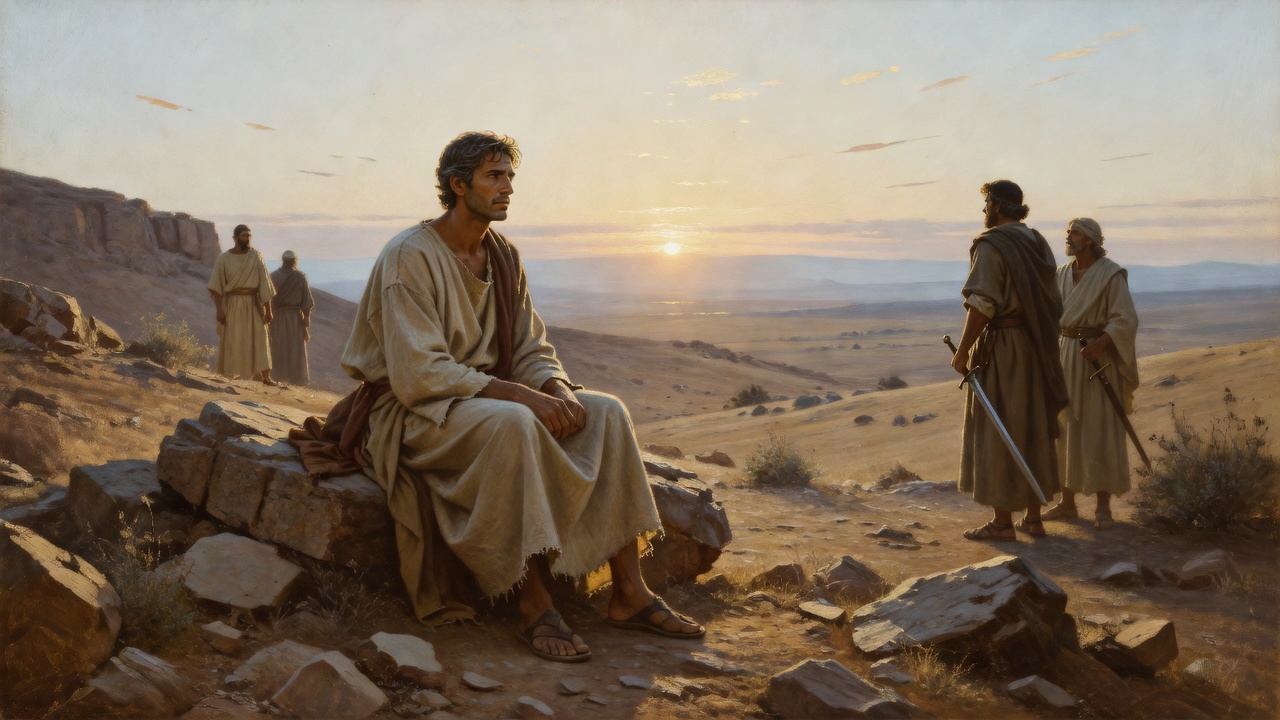
Una Oración Matutina en el Exilio
- El salmo se enmarca tradicionalmente en la huida de David ante su hijo Absalón, una crisis en la que muchos aseguraban que Dios ya no lo libraría.Fuentes: el propio texto bíblico
- A pesar de estar rodeado por millares de adversarios, el autor expresa una profunda paz, señalando que puede acostarse, dormir y despertar a salvo porque el Señor lo sostiene.Fuentes: el propio texto bíblico
- El antiguo término hebreo Selah aparece tres veces en esta breve composición, pausando el texto tras momentos de angustia, oración respondida y la bendición final.Fuentes: el propio texto bíblico
Notas escritas con ayuda de IA a partir de fuentes abiertas (Theographic Bible Metadata, CC BY-SA 4.0; Easton’s Bible Dictionary, dominio público) y revisadas antes de publicarse.
Créditos y licencia de esta traducción
Candoshi-Shapra
New Testament in Candoshi-Shapra (PE:cbu:Candoshi-Shapra)
copyright © 2010 Wycliffe Bible Translators, Inc.
Language: Candoshi-Shapra
Translation by: Wycliffe Bible Translators, Inc.
Candoshi-Shapra
cbu
Peru
Copyright Information
© 2010, Wycliffe Bible Translators, Inc. All rights reserved.
This translation text is made available to you under the
terms of the Creative Commons License: Attribution-Noncommercial-No Derivative Works.
( http://creativecommons.org/licenses/by-nc-nd/3.0/ )
In addition, you have permission to port the text to different file formats, as long as you
do not change any of the text or punctuation of the Bible.
You may share, copy, distribute, transmit, and extract portions
or quotations from this work, provided that you include the above copyright
information:
You must give Attribution to the work.
You do not sell this work for a profit.
You do not make any derivative works that change any of the actual words or punctuation of the Scriptures.
Permissions beyond the scope of this license may be
available if you contact
us with your request.
The New Testament
in Candoshi-Shapra
© 2010, Wycliffe Bible Translators, Inc. All rights reserved.
This translation is made available to you under the terms of the
Creative Commons Attribution-Noncommercial-No Derivatives license 4.0.
You may share and redistribute this Bible translation or extracts from it in any format, provided that:
You include the above copyright and source information.
You do not sell this work for a profit.
You do not change any of the words or punctuation of the Scriptures.
Pictures included with Scriptures and other documents on this site are licensed just for use with those Scriptures and documents.
For other uses, please contact the respective copyright owners.
2025-04-30
Fuente: http://ebible.org/cbuNT/ · eBible.org