Isaías 50
Candoshi-Shapra · Toca un versículo para ver sus referencias cruzadas.
Saanamun yutaritshish Apanll siyaa kizpur waneerangiya
1Apanll waana ateeja.
¿Antaati nuw siyaa Israelchicheetsis tputs kizaa kasataru, sheeruri kasarangee? Nda.
Tputs wizanllee natsaku, kapeetaru, ¿antaati nuw siyaa ashirangeezi?
Saantari nuwaa ngatarangus, nuwaa kuki nduntam mazinarangus,
nuw siyaa anumand arap kapeetarangina.
¿Nitaati nuw siyaa tputsireem muchchuri tupaxanxarangee? Nda.
¿Mayaamaja nuw siyaa tupaxanxachee?
¿Antaati nuw tputseem tumashtakinawa, kurik putapi aturi, siyaa tupaxanxapi?
Saanamandari yutaritshishiris saanaatsis tumuchchurtarangsa.
2Nuw siyash kusaranguri, naparanguri, minamtiyam tputsee nda parangina.
Nuw siyaa kapung kuruzaranguri, minamtiyam nda ¡Maya! siy tárangsa.
Itaru, siy nuwaa, ¿Antaati Apanll iyaa istacheeja? tárangsa.
¿Nitaati Apanll kundarareetsini iyaa itutsimaam waritcheeja? tárangsa.
Nuw kizpurtana. Minamari nuw tsiyatkachuri,
musá kapungu, Puzangi tákchuri, puzataraa ashtachiya.
Kung imuritaa kamiran puzachiya.
Ashkachu, kayupichsha ichinguru tsipachinllinaya.
Kung nduneekchu, mangu kayupich tsipayarusin, kuchachinllinaya
3Nuw kamachtakuri,
kanind kantseerpipitaraa, sheeru, sin sinakchu, tputs tsiparingaz tanuku sur xuwat xuwat ashtaru ashtachiya.
¿Chakaja nuwapa waritak?
átcha Apanllee.
Ashiriya, saanamandari yutaritshishiris Apanll siyaa waneekiya, nuw siyaa atina.
Apanllee wipunash kizpuritaa kiyung yachakusin, uru Apanllimun mang' tatkiya
Apanll wipunash átcha:
4Apanll Taarashipan nuwaa tayaspatarangiya.
Tayaspatarangu, tputs kizpur nizkitaa,
nuwsha apinll tsiyatkuri, mangoo isitchichina.
Zar taraseekchu, Apanll nuwaa ituyamachu,
kis támkachuri, kukoo kamiran nuw mazinakina.
5Apanll nuwaam mangeemi putit panarangiya.
Nuw Apanllee kuk pakchiyam nda kapeetkina.
Nuw Apanllee kushtarangeezi.
6Itaru, nuw kamiran kushtarangina, kundarari nuwaa kushi pzkoomaama.
Kundararshiti nuwaa susi xputa xputa ashiranganaya.
¿Antaati nuw ksimunarangeezi? Nuwash kachi kawachta, kawachta ashiranganaya.
Nuwaa kizpuritaa yutarit tsiyatarangsin, nuwsha zamaruri mazinazinaw ashirangina.
7Apanllimari Taarashipan nuwaam istarangiya.
Anumun nuwaa aranginasha mantsir tsiyataranganaya.
Nuw patumbichpaz ashiruri, nda pakchiyam pazirangina.
Ayamtaa Apanll nuwaa tapachindakchu, ndunshaparee pazichina.
8Waana Apanll nuwaa tapachindachiya.
¿Chakaja nuwaa kasiku kasich? Zapishsha
nuwsha, Natunaa, kurakap nuwaa, Naani, táyarus, nuwaa yutarit tsiyatangandama, táchima.
¿Chakaja nuwaa yutarit tsiyatku tsiyatach?
Mishat, ¿chakaja nuwaa kasiku kasich?
Wandaya tputs nuwaa yutarit tsiyatamaam taarinaariya,
waani nuwaa yutarit ínachindama.
9Apanllimari Taarashipan nuwaam istamapaneem taakiya.
Ashirucha, ¿chakaja nuwaa yutaritaam ínachinda?
Nuw kundarari tsípakchusin, zaputaru taachinllinaya.
Ndunichshaparee.
Chirik' kucharpaz ashiru ndunichiya,
Apanll wipunash tárangiya.
Ashiriya, Apanllee wipunash kizpuritaa kiyung yachaksin, uru Apanllimun mang' tatkiya, nuw siyaa atina.
¿Sabías que…?
El Siervo Obediente y la Reivindicación Divina
- En las costumbres legales del antiguo Cercano Oriente, el esposo emitía una carta de divorcio para formalizar la separación, y los deudores empobrecidos podían entregar a sus hijos en servidumbre. En Isaías 50:1, Dios utiliza estas metáforas jurídicas para demostrar que Israel no fue abandonado por una deuda divina ni por una anulación permanente del pacto, sino a causa de sus propias transgresiones.Fuentes: el propio texto bíblico
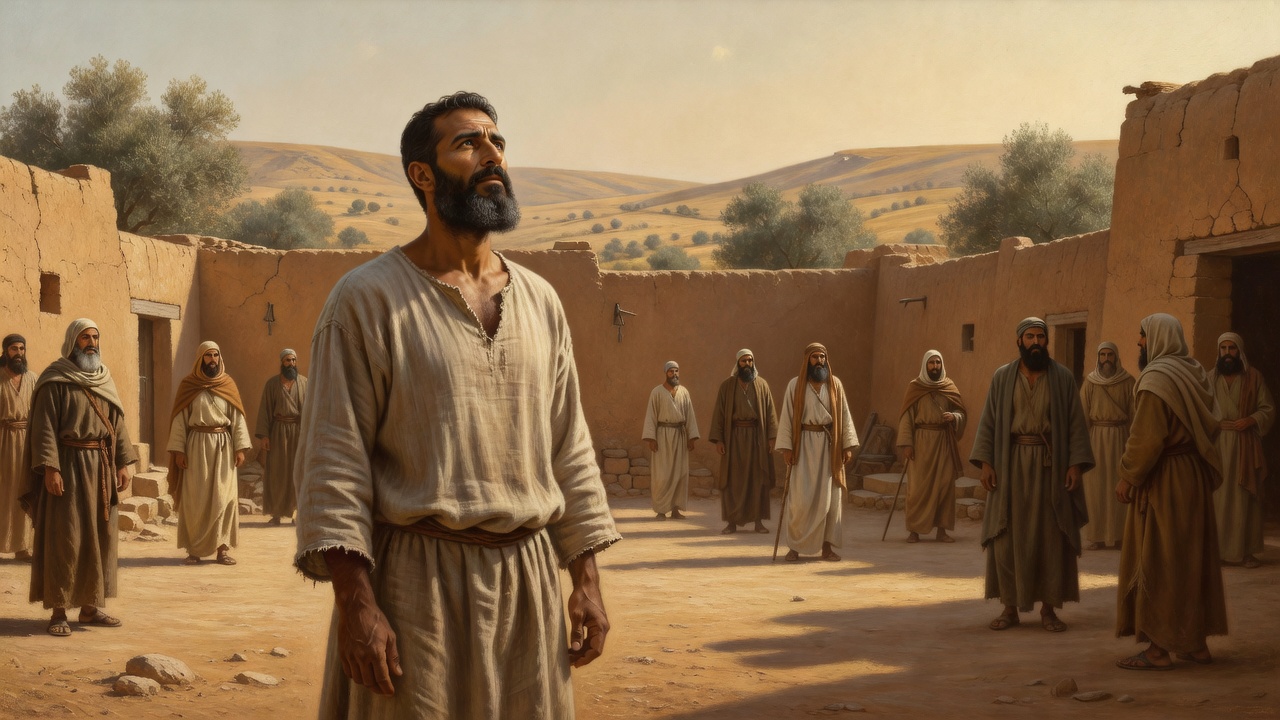
- El orador en Isaías 50:4–7 describe la actitud de un discípulo atento que soporta voluntariamente maltratos físicos, incluidos golpes, el arrancamiento de su barba y escupitajos. Poner el rostro 'como el pedernal' es una expresión vívida que denota una determinación inquebrantable y una firme confianza en Dios frente a la vergüenza pública y la hostilidad.Fuentes: el propio texto bíblico
Notas escritas con ayuda de IA a partir de fuentes abiertas (Theographic Bible Metadata, CC BY-SA 4.0; Easton’s Bible Dictionary, dominio público) y revisadas antes de publicarse.
Créditos y licencia de esta traducción
Candoshi-Shapra
New Testament in Candoshi-Shapra (PE:cbu:Candoshi-Shapra)
copyright © 2010 Wycliffe Bible Translators, Inc.
Language: Candoshi-Shapra
Translation by: Wycliffe Bible Translators, Inc.
Candoshi-Shapra
cbu
Peru
Copyright Information
© 2010, Wycliffe Bible Translators, Inc. All rights reserved.
This translation text is made available to you under the
terms of the Creative Commons License: Attribution-Noncommercial-No Derivative Works.
( http://creativecommons.org/licenses/by-nc-nd/3.0/ )
In addition, you have permission to port the text to different file formats, as long as you
do not change any of the text or punctuation of the Bible.
You may share, copy, distribute, transmit, and extract portions
or quotations from this work, provided that you include the above copyright
information:
You must give Attribution to the work.
You do not sell this work for a profit.
You do not make any derivative works that change any of the actual words or punctuation of the Scriptures.
Permissions beyond the scope of this license may be
available if you contact
us with your request.
The New Testament
in Candoshi-Shapra
© 2010, Wycliffe Bible Translators, Inc. All rights reserved.
This translation is made available to you under the terms of the
Creative Commons Attribution-Noncommercial-No Derivatives license 4.0.
You may share and redistribute this Bible translation or extracts from it in any format, provided that:
You include the above copyright and source information.
You do not sell this work for a profit.
You do not change any of the words or punctuation of the Scriptures.
Pictures included with Scriptures and other documents on this site are licensed just for use with those Scriptures and documents.
For other uses, please contact the respective copyright owners.
2025-04-30
Fuente: http://ebible.org/cbuNT/ · eBible.org