2 Corintios 4
Candoshi-Shapra · Toca un versículo para ver sus referencias cruzadas.
1Ashirucha, Isusoo kuk nda sambaytakina. Apanll waana zandeeru, nuwaa nayaniru, Isusoo kuk tayaspatampaneem nuwaa ínarangiya. Ashirucha, kis tayaspatakina. 2Ashirucha, yutaritshishee izuuru kapeetarangina. Ashiranguri, pishumaam nduncha; pazimaam nduntamcha. Ngichkitamtazi; tamapingaktamtazi, nduni. Apanllee kuk piyari nda kamankina; itsinsaru kamankina. Isusoo kuk itsinsaru payukina. Ashkuri, tputssha mazinaksin, Zurkiya: Papor Isusoo kuk nda ngichkiya, nuwaa: atanaya ichingurusina. Apanlltaatiya nuwaa: Itsinsaru kamaniksha, atitamcha. 3Ashirucha, tputs mangoonamaam pinasakinaari, waanamuntari ashkiya. Waantari pinasakiya, watam yashingup naamaam zandkuwa. 4Yashingsha waanaatstari chínash tputsush mang' wayayaru, tputsee mangoo pakcheempaz ashiru ínayaru, mangshartayaru, mangoonamaam tuxaraku, ¿tamareeja mangoonach? Isus kuk tputsee mang' tuwasineekpaz ashkitaa, itaru Yashing' tuxarakiya. Itaru, Isusshacha kuk tputsee mang' tuwasineekiya. Isus kizpurcha wanasiri; Apanll tamapari ashiru 'sineekiya. Apanlleetssha izuuru iyaa yámandakiya. 5Ashirucha, ashku, Apanlleetsimari kuk kamankina. Nuwaana chinaki anootseeja kamanki, nda. Kamankuri, Isus Apanllcha Wipa; chiyaa izuuru kasikiya, uru nuw atina. Itaru, nuw uru siyaam m'chach tamapari ashitana; Isus wamin siyaa istampan taakina.
6Mazinangantsa: sirútama Apanll tsapurunasee tinarangu, Tunimaa zar tuwasinichpa, tárangiya. Natsha ambtampaz ashirangtam Apanll mangeetsini tuwasineekiya. Sheeru, iysha Isusoo kuk mangoonkiniya. Ashkachuni, Apanllee wanasirimshirini izuuru yasakani, watam Isusumunari Apanllee yasakaniwa.
7Itaru, mazinangtsa; Isusoo kuk tayaspatampantaati taakuri, ashiritaa kizpur nda taakina. Murits tamapari ashiru musástana. Apanll waana ashiru wayarangiya. ¿Antaati nuwaanamuntaja wizpuriri tayaspataki? Apanll waanaatsi wizpuririni nuwaam panayaru, kizpur istaku, tayaspatakina; Apanllimuna nda sambaytakina. 8¿Nuwaa wanipaja kiyung yachakana? Itaru, Apanll nuwaa istarangu, nuwaa nda kasikana. ¿Wanipaja tamacheezi tát ashki? Itaru, Apanll mangeetsi p'tseeku, uru mangi nda pachirungakina. 9Nuwaa natsaksin, pachamaam zandkitaatssin, itaru Apanll nuwaa nda mangu kasakiya. Nuwaa putayarusin, nuwaa pachamaam pakchitaa pishtaku, itaru Apanll watsta átu nuwaa nda izuuru pachakanaya. 10Uru Isus tamarangpari ashiritam kiyung kachiykina. Nuwaanaatsi napkuri, Isus wamin tsiparpazi ashkina. Ashiritaateena ashiru, itaru Isus waana nutseetsi ksutku, kchit ashkina; ituyamakpaz ashkiya nuwaatsi. Siy Isuschichis anoo yasakinaareesa ashiru, Zuraktishcha; Isus Waparish kizpur taakiya, tátssa. 11Ashiriya, iy Isusoo mangoonkuni, uru kamiran tsipamaam waritakaniya. Uru Isus wamin iyaa pachamaam zandkanaya. Ashiritaa, Isus waana iyaa tapachindaku, waanamun wizpuririni kchitakaniya. Nutseetsini kucharimasheetstaa ituyamakpaz ashkiya. Yuwamun Isus iyaa istaku anumun ichinguru tputs Isusoo taárash yasachinllinaya. 12Ashirucha, nuw siyaa Isusoo kuk tayaspataki anumand kamiran tsipachina. Itaru, tayaspataki anumun Apanll siyaam taarashee urutamashee wayamtamcha.
13Napa sirútama zitamin kirakamun yandaku,
Watam Apanllimun mangi tatkinawa,
ashirucha Apanllee kuk kamankina,
tárangiya. Nuw ashiritam na Apanllimun mangi tatkuri, kamankina; nda sambaytakina, 14watam Apanll iyaa ituyamachuwa. Waana Isusoo ituyamarangiya; sheertam iyaa ituyamachiya. Iyaa ituyamayaru, washunandari nuw siyaptatam Apanllush taachiniya. Kisshaparee taachiniya. 15Ashiriya, siyaam kaminis kiyung kachiykina. Tputs Apanllee wanasireem ínpana aturi, siyaam kamankina. Isusoo kuk aranginash aranginash izapaneekuri, tputssha zapan Apanllimun mang' tatuchpasinaya. Ashkatssin, tputs zapan Apanlleetssha: Wapparee, Apaa. Shiy kizpurtishcha. Shiy iyaa kapung istarangsha, táchinllinaya; Apanllee atusin wanasireem ínachinllinaya. Anoom Isusoo kamanimaam nda sambaytakina.
16Ashirucha, nutsini kucharimashcha; tsipamaam waritacha. Itaru, ashiritaa Apanll mangeetsini mangoonamaam yanischikiya. Putam yusur putam wizpurireemani aranginasha wayat wayat ashkiya. 17Natumasamaam kiyung kachiykiniya. Itaru, ¿anoo mayaamaja chinachich? watam Apanll wanasirimshireemani urutamashee wayaranguwa. Ancha kizpur wanasiri. 18¿Mayaamaja maachi patarich anungaz chinachich? watam mangu pastachuwa. Itaru, Apanll iyaam wayarangu anoo nduntaa pakuni, ashiritaa chinakaniya, watam nda pastachuwa; urutamari taachuwa.
¿Sabías que…?
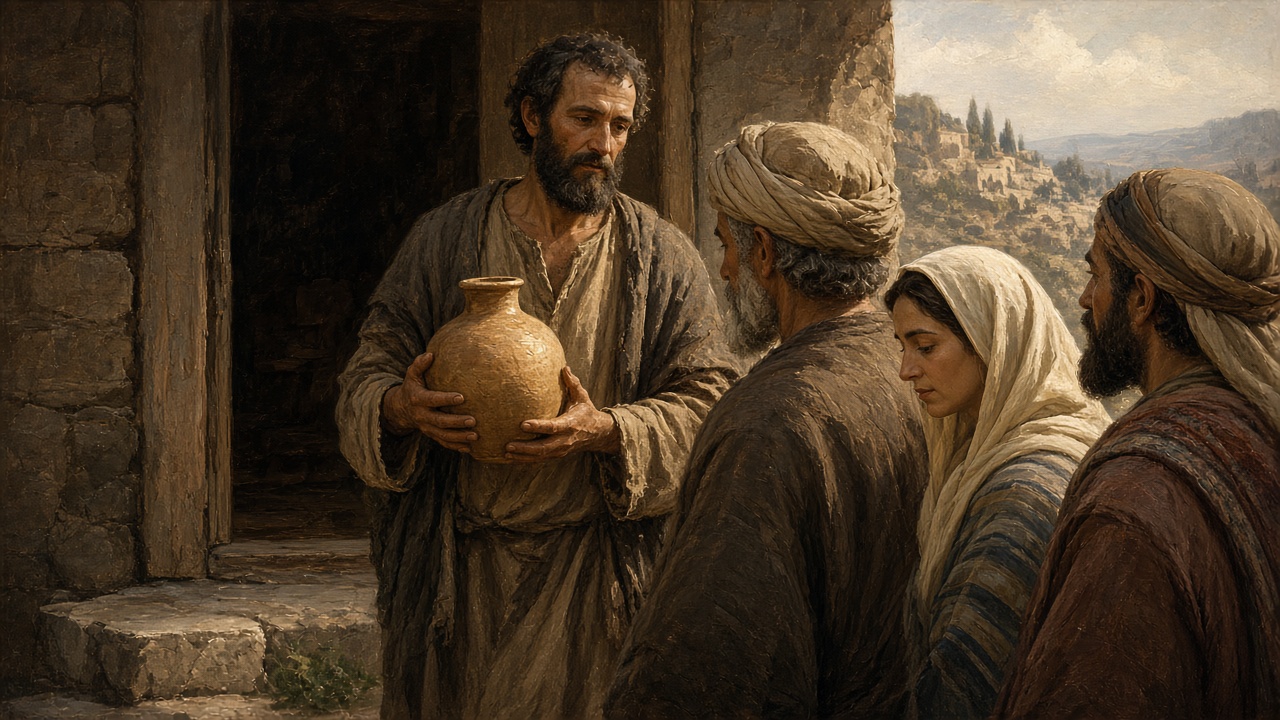
Tesoro en vasijas de barro
- En este capítulo, quienes hablan dicen que, porque Dios en su misericordia les ha dado este ministerio, no se desaniman. Han renunciado a caminos secretos y vergonzosos: no practican el engaño ni distorsionan la palabra de Dios, sino que, mediante la proclamación abierta de la verdad, se recomiendan a la conciencia de cada persona delante de Dios.Fuentes: el propio texto bíblico
- Su mensaje se presenta como un tesoro guardado en vasijas de barro, para que se muestre que este poder incomparablemente grande viene de Dios y no de ellos. El mismo contraste recorre sus dificultades: presionados por todos lados, pero no aplastados; perplejos, pero no desesperados; perseguidos, pero no abandonados; derribados, pero no destruidos.Fuentes: el propio texto bíblico
- La luz es la otra imagen central del capítulo. Dios, que dijo: "Que la luz brille desde las tinieblas", es presentado como quien hizo brillar su luz en el corazón de ellos, para dar la luz del conocimiento de la gloria de Dios en el rostro de Jesucristo. No se proclaman a sí mismos, sino a Jesucristo como Señor, y a sí mismos como siervos de aquellos a quienes se dirigen, por causa de Jesús; si el evangelio está velado, el texto dice que está velado para los que perecen, cuyas mentes ha cegado "el dios de esta era".Fuentes: el propio texto bíblico
Notas escritas con ayuda de IA a partir de fuentes abiertas (Theographic Bible Metadata, CC BY-SA 4.0; Easton’s Bible Dictionary, dominio público) y revisadas antes de publicarse.
Créditos y licencia de esta traducción
Candoshi-Shapra
New Testament in Candoshi-Shapra (PE:cbu:Candoshi-Shapra)
copyright © 2010 Wycliffe Bible Translators, Inc.
Language: Candoshi-Shapra
Translation by: Wycliffe Bible Translators, Inc.
Candoshi-Shapra
cbu
Peru
Copyright Information
© 2010, Wycliffe Bible Translators, Inc. All rights reserved.
This translation text is made available to you under the
terms of the Creative Commons License: Attribution-Noncommercial-No Derivative Works.
( http://creativecommons.org/licenses/by-nc-nd/3.0/ )
In addition, you have permission to port the text to different file formats, as long as you
do not change any of the text or punctuation of the Bible.
You may share, copy, distribute, transmit, and extract portions
or quotations from this work, provided that you include the above copyright
information:
You must give Attribution to the work.
You do not sell this work for a profit.
You do not make any derivative works that change any of the actual words or punctuation of the Scriptures.
Permissions beyond the scope of this license may be
available if you contact
us with your request.
The New Testament
in Candoshi-Shapra
© 2010, Wycliffe Bible Translators, Inc. All rights reserved.
This translation is made available to you under the terms of the
Creative Commons Attribution-Noncommercial-No Derivatives license 4.0.
You may share and redistribute this Bible translation or extracts from it in any format, provided that:
You include the above copyright and source information.
You do not sell this work for a profit.
You do not change any of the words or punctuation of the Scriptures.
Pictures included with Scriptures and other documents on this site are licensed just for use with those Scriptures and documents.
For other uses, please contact the respective copyright owners.
2025-04-30
Fuente: http://ebible.org/cbuNT/ · eBible.org