Mateo 12
Tte Pa̱'a̱li̱ Me' Skëköl tö Se' a̱ · Toca un versículo para ver sus referencias cruzadas.
Jesús ttökatapa tö trigo wöiklée e̱no diwö a̱
1E' ké̱wö ska' ta̱, e̱no diwö a̱, Jesús dami trigo shu̱a̱ ta̱ ittökatapa dué bli wa̱. E' kue̱ki̱ ie'pa tö trigo wöiklérami ta̱ ikatéramirakitö. 2Mik fariseowakpa tö isué̱, eta̱ ie'pa tö iché Jesús a̱:
—Isa̱ú̱, be' ttökatapa tso' ì kë̀ ké̱wö ta̱' wè̱ e̱no diwö a̱, ese u̱k.
3Ie' tö ie'pa iu̱té:
—Ì o̱' David tö ká̱ ia̱ia̱ë ¿e' kë̀ a̱ritsule a' wa̱ Skëköl yëkkuö ki̱? Etökicha ta̱ ie' ena iklépa dué bli wa̱. 4E' kue̱ki̱ ie' dewa̱ Skëköl wé a̱ ta̱ pan meule Skëköl a̱ e' klö'wé̱itö ta̱ iñéitö. Pan e' kë̀ ké̱wö ta̱' ñè ie' ena iklépa a̱, sacerdotepa ë̀ a̱ iké̱wö ta̱' ñè. Erë a' é̱na ia̱ne tö e' kë̀ dör suluë Skëköl wöa̱. 5Ñies ¿a' kë̀ wa̱ ia̱ritsule ttè dalöiëno kit Moisés tö e' ki̱ tö erë́ sacerdotepa kaneblöke Skëköl wé a̱ e̱no diwö a̱, erë e' kë̀ wa ie'pa tö idalöse̱we̱ku̱'wa̱? 6Ye' tö ichè a' a̱ tö í̱e̱rö se' dur eköl, e' dör Skëköl wé tsa̱ta̱. 7Skëköl tö iyë' iyëkkuö ki̱: ‘Iyiwak jchëule mè ye' a̱, e' kë̀ kiane ye' ki̱. Ye' ki̱ ikiane tö a' ñì sa̱ù̱ e̱r sia̱rë wa.’ Ttè e' wà a̱núpa a' é̱na moki̱ë, e̱'ma kë̀ s'ki̱ ì nuí̱ ta̱' ese kë̀ kkatepa a' tö. 8Ye' dör S'ditsö Alà, e' wa̱ ka̱wö ta̱' ichök tö ì dör buaë ö ì dör suluë wè̱ e̱no diwö a̱.
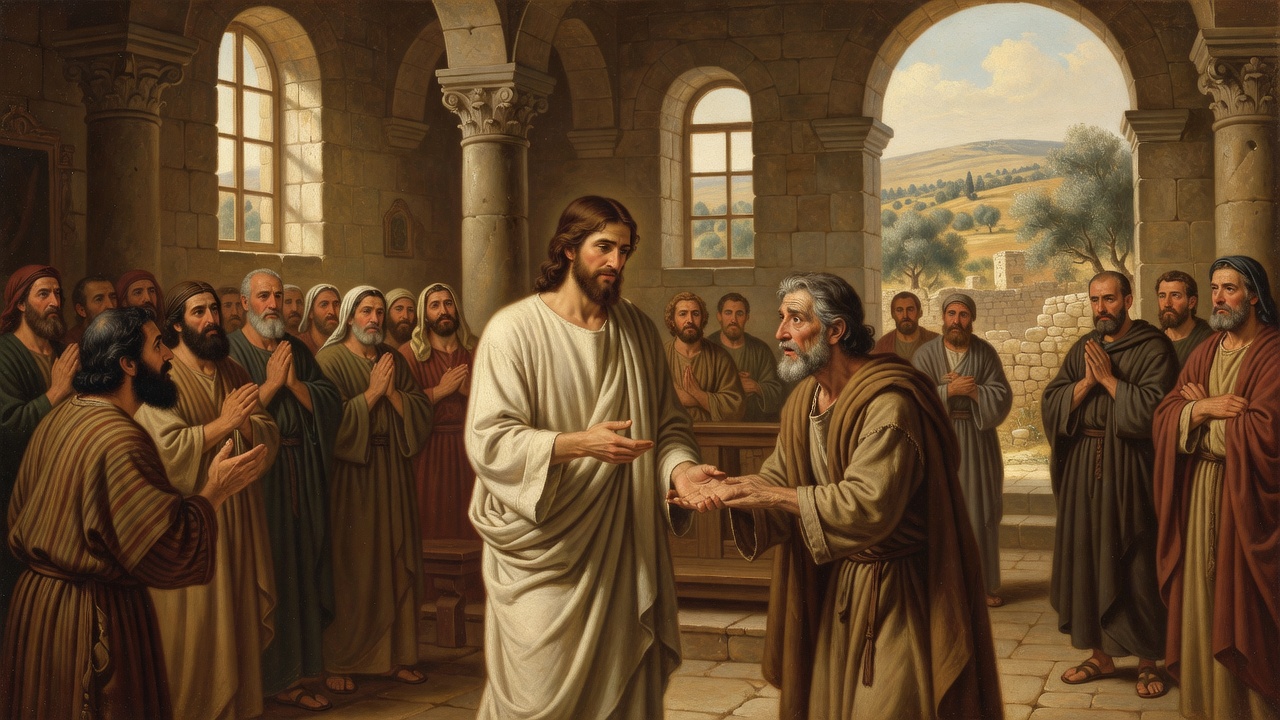
Jesús tö wëm eköl ulà siulewa̱ e' bua'wé̱ne
9E' ukuöki̱ ta̱ Jesús dewa̱ ie'pa ñì dapa'wo̱ wé a̱. 10Eta̱ ee̱ wëm tkër eköl ulà etk siulewa̱. Ie'pa é̱na Jesús kkatak ilè ki̱ e' kue̱ki̱ ie' a̱ ichakérakitö:
—¿I̱ma be' tö ibikeitsè? ¿Ka̱wö meule se' a̱ Moisés ttè a̱ s'bua'wo̱ne e̱no diwö a̱ ö au?
11Ie' tö ie'pa iu̱té:
—A' obeja a̱nemi etö ka̱uk a̱ e̱no diwö a̱, e' ta̱ a' miraë iyöktsa̱. 12E' yita̱ se' tue̱ta̱' tai̱ë obeja tsa̱ta̱, e' kue̱ki̱ ka̱wö tso' se' a̱ s'ki̱moie e̱no diwö a̱.
13Eta̱ ie' tö iché wëm ulà siulewa̱ e' a̱:
—Be' ulà shu̱lö́ö.
Ta̱ ie' ulà shu̱lée ta̱ ibuanene buaë we̱s iulà iët es. 14Fariseowakpa e̱' yéttsa̱ ta̱ ileritsérakitö “¿we̱s sö Jesús ttèwa̱mi?”
Jesús dör Skëköl kanè méso bua'ie e'
15E' jche̱newa̱ Jesús wa̱, e' kue̱ki̱ ie' mía̱ bánet. Tai̱ë pë' dami ie' itöki̱ e'pa shu̱a̱ ikirirkerak e'pa ko̱s bua'wé̱ne ie' tö. 16Ie' tö iché ie'pa a̱:
—Kë̀ ye' tté pparka̱. 17Ie' tö iché ie'pa a̱ es a̱s iwà tkö̀ we̱s Skëköl tteköl kiè Isaías tö iyë' es, e' tö iyë' i' es:
18Skëköl tö ichè: “I' dör ye' kanè méso shu̱kit ye' tö,
e' dalër tai̱ë ye' é̱na, ie' wër ye' wa buaë shu̱te̱.
Ye' Wiköl meraëyö ie' a̱,
ta̱ ie' tö se̱ne yësyësë wà pakeraë ká̱ ulitane wakpa a̱.
19Ie' se̱rdaë bë̀rë. Kë̀ yi wöñaktkepa ie' tö.
Kë̀ ì chepa ie' tö a̱neule. Kë̀ yi tö ie' ttö̀ ttsepa ñala̱ ki̱.
20S'weirke sia̱rë, esepa kë̀ kí̱ we'ikepa ie' tö,
Se' kë̀ diché ta̱'ia̱ esepa ki̱meraë ie' tö
dö̀ mik ie' e̱' alöraka̱ ì sulu ko̱s ki̱ se̱ne yësyësë wa eta̱.
21Ká̱ ulitane wakpa tö ie' ë̀ paneraë e̱' tsa̱tkoie.”
Fariseowakpa tö Jesús kkaté
22Eta̱ ie'pa wa̱ wëm eköl a̱ aknama tso' ese debitu̱ Jesús ska', e' kë̀ wöbla wawër, kë̀ tto. Jesús tö ibua'wé̱ne ta̱ iwöbla wawënene ñies ittéka̱ne. 23Ie'pa ko̱s tkirulune iweblök ta̱ iñi chakérak: “¿A' ichè wí̱ dör s'blú bak David, e' aleri?”
24Mik ì ché ie'pa tö, e' ttsé fariseowakpa tö, eta̱ ie'pa tö iché: “Beelzebú dör bë́, e' diché wa ie' tö ie'pa trë'we̱keyal.”
25Erë ì bikeitseke ie'pa tö e' sué̱wa̱itö, e' kue̱ki̱ ie' tö iché ie'pa a̱:
“S'se̱rke ká̱ etkë̀ ki̱ e' ñì blabatsélor ñippök ñita̱, kë̀ wöklör, e' ta̱ ie'pa wákpa ë̀ ñì e̱u̱rawa. Ñies ñì yamipa e̱' kéka̱ ñippök ñita̱, kë̀ wöklör, e' ta̱ ie'pa mir wa'k ë̀me. 26Es ñies Satanás mú tö iklépa trë'wè̱yal, e' ta̱ ie' tso' ñippök iwakpa ë̀ ta̱. ¿We̱s ì blúie ie' tso' e' se̱rmiia̱? 27Ye' tö aknamapa trë'ú̱payal Beelzebú diché wa, e' ta̱ ¿yi diché wa a' klépa tö itrë'wè̱miyal? Ie'pa kë̀ a̱ itrënukyal Beelzebú diché wa, e' kue̱ki̱ ¿we̱s a' tö ye' kkatèmi tö ye' tö itrë'we̱keyal Beelzebú diché wa? A' wák klépa tö iwà kkacheraë tö a' ttè kë̀ dör moki̱. 28Ye' tö aknamapa trë'wé̱yal Skëköl Wiköl diché wa, e' ta̱ e' wà kiane chè tö ì blúie Skëköl tso', e' ké̱wö detke a' a̱.
29“¿We̱s yi mi'miwa̱ wëm diché tai̱ë ese u a̱ ie' íyi ekiblök ka̱m ie' tö iwák maù̱wa̱ e' yöki̱? Es ë̀me iíyi ekiblërmi.
30“Yi kë̀ a̱ ye' dör bua', ese dör ye' bolök. Yi kë̀ tö ye' ki̱mè imale̱pa tsu̱kbitu̱ Skëköl ska', ese tö ie'pa po'we̱kemi.
31“E' kue̱ki̱ ye' tö ichè tö ì sulu ko̱s wambleke a' tö ñies Skëköl chè sulu ko̱s e' nuí̱ olo'yèmiitö a' ki̱. Erë yi tö Wiköl Batse'r ché suluë, e' nuí̱ kë̀ olorpa iki̱. 32Ñies yi tö ye' dör S'ditsö Alà, e' ché suluë, e' nuí̱ olo'yèmi Skëköl tö iki̱. Erë yi tö Wiköl Batse'r ché suluë e' nuí̱ kë̀ olorpa iki̱ i̱'ñe ta̱ ñies aishkuö ta̱.
Kal buaë ena kal suluë
33“Kal wërkewa̱ iwö ki̱. Kal buaë, ese wö dör buaë; kal sulu, ese wö dör sulu. 34¡A' dör suluë we̱s tkabë̀ chö́k es! A' e̱r dör suluë, ¿we̱s a' ttö̀mi buaë? Ì bikeitsekesö, e' ë̀ chekesö. 35Wëm dör buaë ese se̱rke buaë, ttö̀ yësyësë ie' e̱r dör buaë e' kue̱ki̱. Wëm dör suluë, ese se̱rke suluë, ttö̀ suluë ie' e̱r dör suluë e' kue̱ki̱. 36Ye' tö a' a̱ ichè tö aishkuö ta̱ mik a' wöchakirketke a' nuì̱ ki̱ e' ké̱wö de, eta̱ ttè sulu chè a' ulitane tö shabatshabat e' ki̱ a' wöchakirdaë. 37A' wakpa ttè wa a' shu̱lirdaë. A' tö ttè buaë cheke, e' ta̱ Skëköl tö icheraë tö kë̀ a' ki̱ ì nuí̱ ta̱'. Erë a' tö ttè sulu cheke, e' ta̱ ie' tö icheraë tö a' ki̱ nuì̱ tso'.”
Fariseowakpa tö ì kë̀ o̱r yi a̱ ese kié suè̱
38Eta̱ fariseowakpa ena s'wöbla'u̱k ttè dalöiëno wa wakpa we̱lepa tö iché Jesús a̱:
—Ì kë̀ o̱r yi a̱ ese ú̱ sa' a̱ iwà kkachoie tö moki̱ be' patkë'bitu̱ Skëköl tö.
39Ie' tö ie'pa iu̱té:
—A' dör pë' suluë e' kë̀ tö Skëköl dalöiè we̱s trër wakpa kë̀ tö imaso dalöiè es. A' tö ye' a̱ ikié tö ì kë̀ o̱r yi a̱ ese u̱yö iwà kkachoie tö moki̱ Skëköl tö ye' patkë'bitu̱. Erë ye' tö ilè we̱raë etökicha ë̀me iwà kkachoie e' dör we̱s ibak Jonás dör Skëköl tteköl e' ta̱ es. 40Ie' se̱ne' nima bërie e' shu̱a̱ döka̱ ká̱ mañat ñië nañeë, es ñies ye' dör S'ditsö Alà, e' se̱rdaë íyök shu̱a̱ ká̱ mañat ñië nañeë. 41Mik Jonás tö Nínive wakpa paut, eta̱ ie'pa e̱r maneo̱' Skëköl a̱. Erë i̱'ñe ta̱ ye' dur í̱e̱ e' dör ie' tsa̱ta̱, erë a' kë̀ e̱r mane'ù̱ Skëköl a̱. E' kue̱ki̱ aishkuö ta̱ mik a' wöchakirketke a' nuì̱ ki̱, eta̱ Nínive wakpa e̱' köraka̱ ie' wörki̱ a' kkatök. 42Aishkuö ta̱ mik a' wöchakirketke a' nuì̱ ki̱, eta̱ alaköl datse̱ ká̱ bánet diwö tskirke e' o̱'mik, bak iká̱ blúie, e' e̱' köraka̱ ie' wörki̱ a' kkatök tö a' dör pë' suluë. Ká̱ ia̱ia̱ë alaköl e' dë'bitu̱ datse̱ ka̱mië se' blú bak Salomón wa̱ íyi jche̱r tai̱ë e' ttö̀ ki̱ttsök. Erë i̱'ñe ta̱ ye' dur a' shu̱a̱ e' dör Salomón tsa̱ta̱, erë a' kë̀ tö ye' ttö̀ iu̱tè. E' kue̱ki̱ alaköl e' tö a' kkateraë.
Wimblu sulusi dene wëm a̱
43“Mik wimblu sulusi trëneshkar yile a̱, eta̱ imía̱ ká̱ sir poë wé̱ kë̀ yi ku̱' ese ska'. Ie' tso' ká̱ yulök se̱noie erë kë̀ ie' wa̱ iku̱ne. E' kue̱ki̱ ie' ibikeitsè: 44‘Ye' mía̱ne wé̱ ye' trëneshkar ee̱ se̱nuk.’ Mik ie' demine wëm e' a̱, eta̱ ie' tö isué̱ tö wëm dör we̱s u shu̱iriule buaë maneneë kë̀ a̱ yi ku̱' es. 45Eta̱ ie' mía̱ iyamipa kí̱ yulök döka̱ kul suluë shu̱te̱ ie' tsa̱ta̱ ta̱ ie'pa ko̱s de se̱nuk wëm e' a̱. Wëm e' mía̱ne suluë shu̱te̱ ke̱net tsa̱ta̱. Es iwamblërdaë a' dör pë' sulusipa e'pa ta̱.”
Jesús mì ena iëlpa debitu̱ ie' weblök
46Jesús ttökeia̱ pë' ta̱ e' shu̱a̱ ie' mì ena iëlpa ena ikutapa e'pa iëte̱r u'rki̱. Ie'pa ttak ie' ta̱. 47Yile tö ibiyö́ ché ie' a̱:
—Be' mì ena be' ëlpa ena be' kutapa e'pa shkö̀ be' weblök.
48Erë Jesús iiu̱té:
—¿Yi dör ye' mì ena ye' ëlpa ena ye' kutapa?
49Eta̱ Jesús tö ie' a̱ ittökatapa kkaché ulà wa ta̱ ichéitö:
—Isa̱ú̱, ie'pa dör we̱s ye' mì ena ye' ëlpa ena ye' kutapa es. 50Yi se̱rke we̱s ye' Yë́ tso' ká̱ jaì a̱ e' ki̱ ikiane es, esepa dör we̱s ye' ël ena ye' kutà ena ye' mì es.
¿Sabías que…?
Señor del sábado y las señales del Reino
- Cuando los fariseos lo cuestionaron por recoger espigas en sábado, Jesús citó el relato del Antiguo Testamento donde David comió los panes consagrados cuando tuvo hambre. Argumentó que la necesidad humana y hacer el bien tienen prioridad sobre las normas rituales, declarándose Señor del sábado.Fuentes: el propio texto bíblico · David
- Tras expulsar un demonio de un hombre ciego y mudo, Jesús fue acusado de actuar por medio de Beelzebú, el príncipe de los demonios. Jesús rechazó la acusación, explicando que un reino o casa dividida contra sí misma no puede sostenerse y que expulsar demonios por el Espíritu de Dios demuestra la llegada de su reino.Fuentes: el propio texto bíblico · Satan
- En respuesta a quienes pedían una señal milagrosa, Jesús señaló al profeta Jonás, comparando los tres días de Jonás en el vientre del pez con su propia muerte y sepultura venideras. Advirtió que los habitantes de Nínive y la Reina del Sur juzgarían a esa generación porque respondieron a Jonás y a Salomón, mientras que alguien mayor estaba ahora presente.Fuentes: el propio texto bíblico · Jonah · Nineveh · Solomon
Notas escritas con ayuda de IA a partir de fuentes abiertas (Theographic Bible Metadata, CC BY-SA 4.0; Easton’s Bible Dictionary, dominio público) y revisadas antes de publicarse.
Lugares de este capítulo
Solo aparecen lugares identificados con alta confianza (90 % o más según las fuentes académicas reunidas por OpenBible). Mapa de la época: DARE (Digital Atlas of the Roman Empire), CC BY 4.0; mapa actual: © colaboradores de OpenStreetMap; lugares: OpenBible.info (CC BY 4.0).
Créditos y licencia de esta traducción
Tte Pa̱'a̱li̱ Me' Skëköl tö Se' a̱
New Testament and Shorter Old Testament in Bribri (CS:bzd:Bribri)
copyright © 2010 Wycliffe Bible Translators, Inc.
Language: Bribri
Translation by: Wycliffe Bible Translators, Inc.
Bribri
bzd
Costa Rica
Copyright Information
© 2010, Wycliffe Bible Translators, Inc. All rights reserved.
This translation text is made available to you under the
terms of the Creative Commons License: Attribution-Noncommercial-No Derivative Works.
( http://creativecommons.org/licenses/by-nc-nd/3.0/ )
In addition, you have permission to port the text to different file formats, as long as you
do not change any of the text or punctuation of the Bible.
You may share, copy, distribute, transmit, and extract portions
or quotations from this work, provided that you include the above copyright
information:
You must give Attribution to the work.
You do not sell this work for a profit.
You do not make any derivative works that change any of the actual words or punctuation of the Scriptures.
Permissions beyond the scope of this license may be
available if you contact
us with your request.
The New Testament and Shorter Old Testament
in Bribri
© 2010, Wycliffe Bible Translators, Inc. All rights reserved.
This translation is made available to you under the terms of the
Creative Commons Attribution-Noncommercial-No Derivatives license 4.0.
You may share and redistribute this Bible translation or extracts from it in any format, provided that:
You include the above copyright and source information.
You do not sell this work for a profit.
You do not change any of the words or punctuation of the Scriptures.
Pictures included with Scriptures and other documents on this site are licensed just for use with those Scriptures and documents.
For other uses, please contact the respective copyright owners.
2014-04-22
Fuente: http://ebible.org/bzdNTpo/ · eBible.org