Santiago 2
Tte Pa̱'a̱li̱ Me' Skëköl tö Se' a̱ · Toca un versículo para ver sus referencias cruzadas.
Sulitane dalöiö̀sö ñikkëë
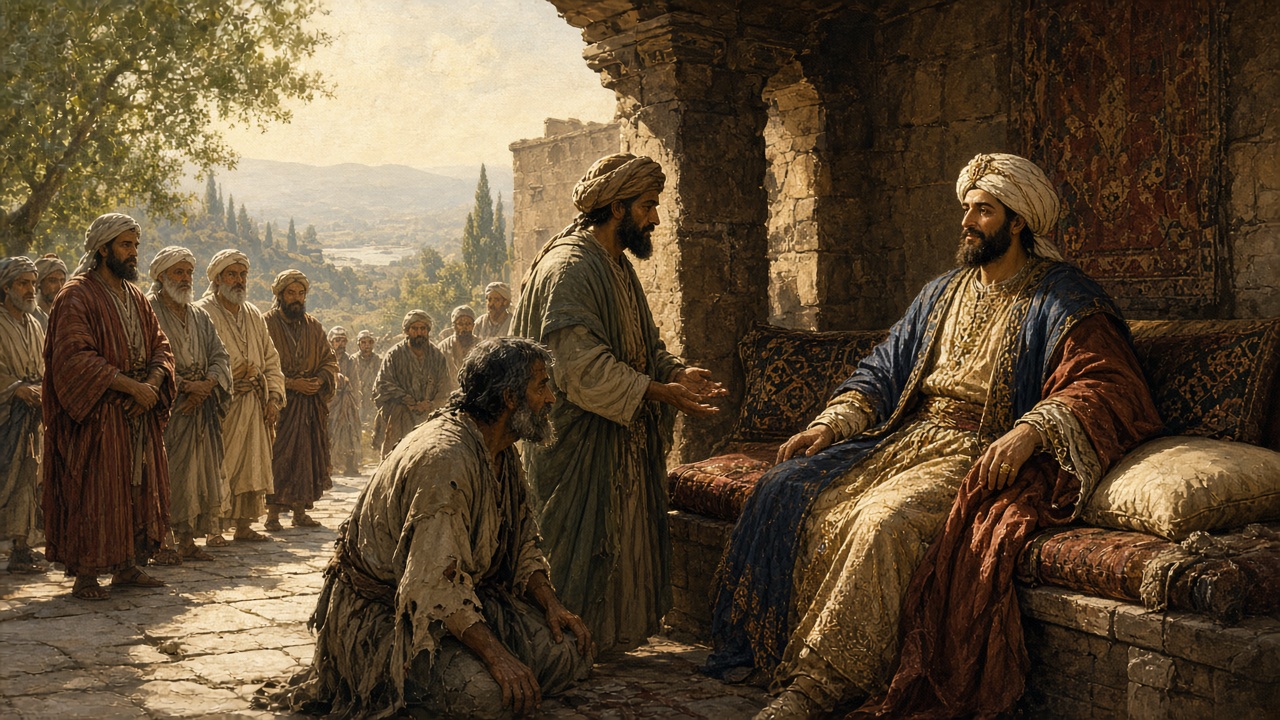
1A yamipa, se' e̱rblöke Skëkëpa Jesucristo olo ta̱' tai̱ë e' mik, esepa ké sulitane sa̱u̱k ñikkëë. 2Iwà kkachekeyö a' a̱ i' es: ichö̀sö tö wëm inuköl blú debitu̱ eköl wé̱ a' ñì dapa'u̱ke ee̱, paiëule buaë datsi' bua'bua wa, ñies ula'tsio iéitö dalölöë. E' kiéwa̱ a' tö we̱shke̱ ta̱ ishke̱'wé̱ buaë ta̱ iché ia̱: “be' e̱' tkö́se̱r í̱e̱ kula' buaë i' ki̱.” E' wösha̱ ta̱ s'sia̱rë debitu̱ eköl datsi' nula sulu dö́ ë̀ ta̱ a' tö ichè ie' a̱: “Be' e̱' duö́dur se̱e̱ ö be' e̱' tkö́se̱r i̱ski̱.” 4A' tö iwé̱ es, e' ta̱ a' e̱' wamblö̀ suluë. A' e̱r suluë, e' kue̱ki̱ a' kë̀ tö s'dalöieta̱' ñikkëë.
5A yamipa dalër tai̱ë ye' é̱na, ye' ttö̀ ttsö́: wé̱pa dör sia̱rë ká̱ i' a̱ esepa shu̱kitbak Skëköl tö a̱s ie'pa dö̀ e̱rblè ie' mik e' blúie. Ñies ie'pa shu̱kitbakitö a̱s idörak wé̱pa blúie ie' tso' e' kí̱ie we̱s ie' kablë' wé̱pa é̱na ie' dalër esepa a̱ es. 6Erë ie'pa dalöse̱we̱kewa̱ a' tö. E' skéie inuköl blúpa sue̱ke a' tö buaë dalöieke tai̱ë, erë esepa tö a' we'ikeke sia̱rë. Ie'pa wa̱ a' mi'ke kkatè s'shu̱lökwakpa wörki̱. 7A' dör Jesucristo icha erë inuköl blúpa tö ie' cheke suluë. ¿We̱s esepa dalöièmi a' tö s'sia̱rëpa tsa̱ta̱?
8Skëköl ttè dalöiëno bua'ie kitule iyëkkuö ki̱, e' tö ichè, “A' male̱pa dalëritsö́ we̱s a' wákpa e̱' dalër es.” Ttè e' wà iu̱té a' tö moki̱, e' ta̱ e' dör buaë. 9Erë a' kë̀ tö sulitane suè̱ ñikkëë, e' ta̱ a' tso' ì sulu wamblök. E' wa a' tso' ttè dalöiëno bua'ie e' dalöse̱u̱kwa̱. 10Yi tö ttè dalöiëno e' dalöieke iekkë ta̱ se̱raa̱, erë e' et dalöse̱wé̱wa̱itö, e' ta̱ e' dör we̱s ie' tö ttè ko̱s dalöse̱wé̱wa̱ es. E' nuí̱ ko̱s a̱ne ie' ki̱. 11E' wà dör tö Skëköl tö iyë': “kë̀ a' ka̱wö ta̱' s'se̱newa̱bak dalöse̱u̱kwa̱,” ñies e' wák tö iyë': “kë̀ a' ka̱wö ta̱' s'ttökwa̱.” Kë̀ se' wa̱ s'se̱newa̱bak dalöse̱o̱newa̱, erë s'ttéwa̱sö, eta̱ e' wa se' ianewa̱ ttè dalöiëno e' dalöse̱u̱kwa̱wak. 12Ttè e' me'a̱t Skëköl tö se' tsa̱tkoie se' e̱r sulu e' yöki̱. Ttè e' wa ie' tö s'shu̱leraë aishkuö ta̱. E' kue̱ki̱ a' ttö́, a' se̱nú we̱s ttè e' tö ichè es. 13Kë̀ sö s'male̱pa suè̱ e̱r sia̱rë wa, e' ta̱ mik se' shu̱lirketke, eta̱ Skëköl kë̀ tö se' sue̱pa e̱r sia̱rë wa. Erë s'male̱pa sue̱kesö e̱r sia̱rë wa, e' ta̱ idörattsa̱ buaë se' a̱ mik se' shu̱lirketke eta̱.
Ì buaë wé̱sö s'male̱pa a̱ e' wa iwënewa̱ tö moki̱ se' e̱rblöke Skëköl mik
14A yamipa, yi e̱' chö̀: “ye' e̱rblöke Skëköl mik”, erë ese kë̀ tö ì buaë we̱ku̱' s'male̱pa ki̱moie iwà kkachoie, e' ta̱ ie' e̱' chö̀ es, e' kë̀ dör ìie bua'. ¿We̱s ie' tsa̱tkërmi? 15E' wà kkachekeyö a' a̱ i' es: ichö̀sö tö s'yami eköl, wëm ö alaköl, ese tso' sia̱rë, datsi' kë̀ ta̱', chkewö kë̀ ta̱', 16eta̱ a' we̱le tö iché ie' a̱: “Be' shkö́ wöbla wa, Skëköl be' ki̱mè. Be' e̱' paiö́ buaë, be' chkö́ buaë.” A' tö iché ie' a̱ es, erë ì kiane ie' ki̱ e' kë̀ mène a' wa̱ ie' a̱, e' ta̱ e' wa ¿ì buaë wé̱ a' tö? 17Es ñies se' e̱' chö̀ tö se' e̱rblöke Skëköl mik, erë se' kë̀ tö ì buaë we̱ku̱' s'male̱pa a̱ iwà kkachoie, e' ta̱ se' e̱' chö̀ es, e' kë̀ dör ìie bua'.
18A' we̱le tö ichèmi ye' a̱: “ye' tsa̱tkërdaë ye' e̱rblöke Skëköl mik e' ë̀ batamik.” A' we̱le skà tö ichèmi ye' a̱: “ye' tsa̱tkërdaë ì buaë we̱keyö e' ë̀ batamik.”
Ye' tö ie'pa iu̱tèmi i' es: S'e̱rblöke Skëköl mik ena ì buaë we̱kesö, e' mir ñita̱. Se' kë̀ wa̱ ì buaë o̱ne, e' ta̱ kë̀ se' a̱ iwà kkayënuk tö se' e̱rblöke Skëköl mik. Erë se' tö ì buaë we̱ke, e' ta̱ e' wa se' tso' iwà kkachök tö moki̱ se' e̱rblöke Skëköl mik. 19Se' e̱' chö̀ tö iklö'wé̱sö tö Skëköl dör eköl ë̀me, eta̱ e' dör buaë. Erë ñies aknamapa tö iklö'wé̱ es, eta̱ e' tö ie'pa suawe̱keka̱ painuwe̱keka̱ tai̱ë.
20Kë̀ a' se̱nuk we̱s kë̀ se' e̱r ta̱' es. A' é̱na iwà a̱nú tö yi e̱' chö̀ tö ie̱rblöke Skëköl mik, erë kë̀ itö ì buaë we̱ku̱', e' ta̱ ie̱' chö̀ es e' kë̀ dör ìie bua'. 21Se' yë́ bak ká̱ ia̱ia̱ë kiè Abraham, e' tö ilà kiè Isaac, e' méka̱ ka̱' yö'itö íyi moka̱ Skëköl a̱ e' ki̱ ttèwa̱ ña'wè̱wa we̱s Skëköl tö iu̱k patkë' es. Moki̱ ie' mí e' wà u̱k erë Skëköl tö iwöklö'wé̱. Skëköl tö isué̱ tö moki̱ ie' mí ittö̀ wà iu̱tök. E' kue̱ki̱ ie' tö iklö'wé̱ we̱s wëm yësyësë es. ¿E' kë̀ jche̱r a' wa̱? 22Es a' é̱na ia̱rmi tö moki̱ ie' e̱rblé Skëköl mik. Ie' tö Skëköl ttö̀ wà iu̱té, e' tö iwà kkaché tö moki̱ ie' e̱rblé imik. 23Es ì tso' kitule Skëköl yëkkuö ki̱ e' wà a̱ne se' é̱na, e' tö ichè: “Abraham e̱rblé Skëköl mik, e' kue̱ki̱ iklö'wé̱itö we̱s pë' buaë yësyësë es.” E' kue̱ki̱ ie' kine Skëköl sini'. 24Es se' wa̱ ijche̱r tö Skëköl tö se' klö'wé̱ we̱s pë' buaë yësyësë es, ì buaë we̱kesö iwà kkachoie tö se' e̱rblöke ie' mik ese batamik. E' kë̀ dör tö se' e̱rblöke ie' mik e' ë̀ batamik.
25Es ñies ibak ká̱ ia̱ia̱ë alaköl trër tai̱ë kiè Rahab, e' ta̱. Josué tö wëpa patké Jericó weblök tö we̱s iulà dö̀mi iska'. Ká̱ e' a̱ e'pa kiéwa̱ Rahab tö buaë ie' u a̱ itsa̱tkoie. E' ukuöki̱ ta̱ ie' tö ñala̱ kua̱'ki̱ kkaché ie'pa a̱ a̱s e' wa itköshkardak. Es ie' tö iwà kkaché tö ie' e̱rblé Skëköl mik. E' batamik Skëköl tö ie' klö'wé̱ we̱s alaköl yësyësë es.
26Mik se' duowa̱, eta̱ se' wiköl mía̱ ta̱ s'nu ë̀ a̱te̱. E' sù̱ mik se' e̱' chö̀ tö se' e̱rblöke Skëköl mik, erë kë̀ ì buaë we̱ku̱'sö iwà kkachoie, e' ta̱ se' e̱' chö̀ es, e' dör we̱s s'nu es, kë̀ dör ìie bua'.
¿Sabías que…?
Imparcialidad y fe viva
- Santiago recuerda que Abraham fue justificado al ofrecer a su hijo Isaac en el altar, su fe obrando junto con sus acciones y perfeccionada por lo que hizo. Isaac, el único hijo de Abraham con Sara, fue aquel a quien Dios mandó a Abraham ofrecer en sacrificio en un monte en la tierra de Moriah.Fuentes: el propio texto bíblico · Isaac
- Santiago también cita a Rahab la prostituta, justificada por acoger a los espías y enviarlos por otro camino. Los dos espías, enviados por Josué mientras los hebreos estaban acampados en Sitim frente a Jericó, habían ido a su casa, enfrentaron peligro en la ciudad y fueron salvados por su fidelidad.Fuentes: el propio texto bíblico · Rahab
Notas escritas con ayuda de IA a partir de fuentes abiertas (Theographic Bible Metadata, CC BY-SA 4.0; Easton’s Bible Dictionary, dominio público) y revisadas antes de publicarse.
Créditos y licencia de esta traducción
Tte Pa̱'a̱li̱ Me' Skëköl tö Se' a̱
New Testament and Shorter Old Testament in Bribri (CS:bzd:Bribri)
copyright © 2010 Wycliffe Bible Translators, Inc.
Language: Bribri
Translation by: Wycliffe Bible Translators, Inc.
Bribri
bzd
Costa Rica
Copyright Information
© 2010, Wycliffe Bible Translators, Inc. All rights reserved.
This translation text is made available to you under the
terms of the Creative Commons License: Attribution-Noncommercial-No Derivative Works.
( http://creativecommons.org/licenses/by-nc-nd/3.0/ )
In addition, you have permission to port the text to different file formats, as long as you
do not change any of the text or punctuation of the Bible.
You may share, copy, distribute, transmit, and extract portions
or quotations from this work, provided that you include the above copyright
information:
You must give Attribution to the work.
You do not sell this work for a profit.
You do not make any derivative works that change any of the actual words or punctuation of the Scriptures.
Permissions beyond the scope of this license may be
available if you contact
us with your request.
The New Testament and Shorter Old Testament
in Bribri
© 2010, Wycliffe Bible Translators, Inc. All rights reserved.
This translation is made available to you under the terms of the
Creative Commons Attribution-Noncommercial-No Derivatives license 4.0.
You may share and redistribute this Bible translation or extracts from it in any format, provided that:
You include the above copyright and source information.
You do not sell this work for a profit.
You do not change any of the words or punctuation of the Scriptures.
Pictures included with Scriptures and other documents on this site are licensed just for use with those Scriptures and documents.
For other uses, please contact the respective copyright owners.
2014-04-22
Fuente: http://ebible.org/bzdNTpo/ · eBible.org